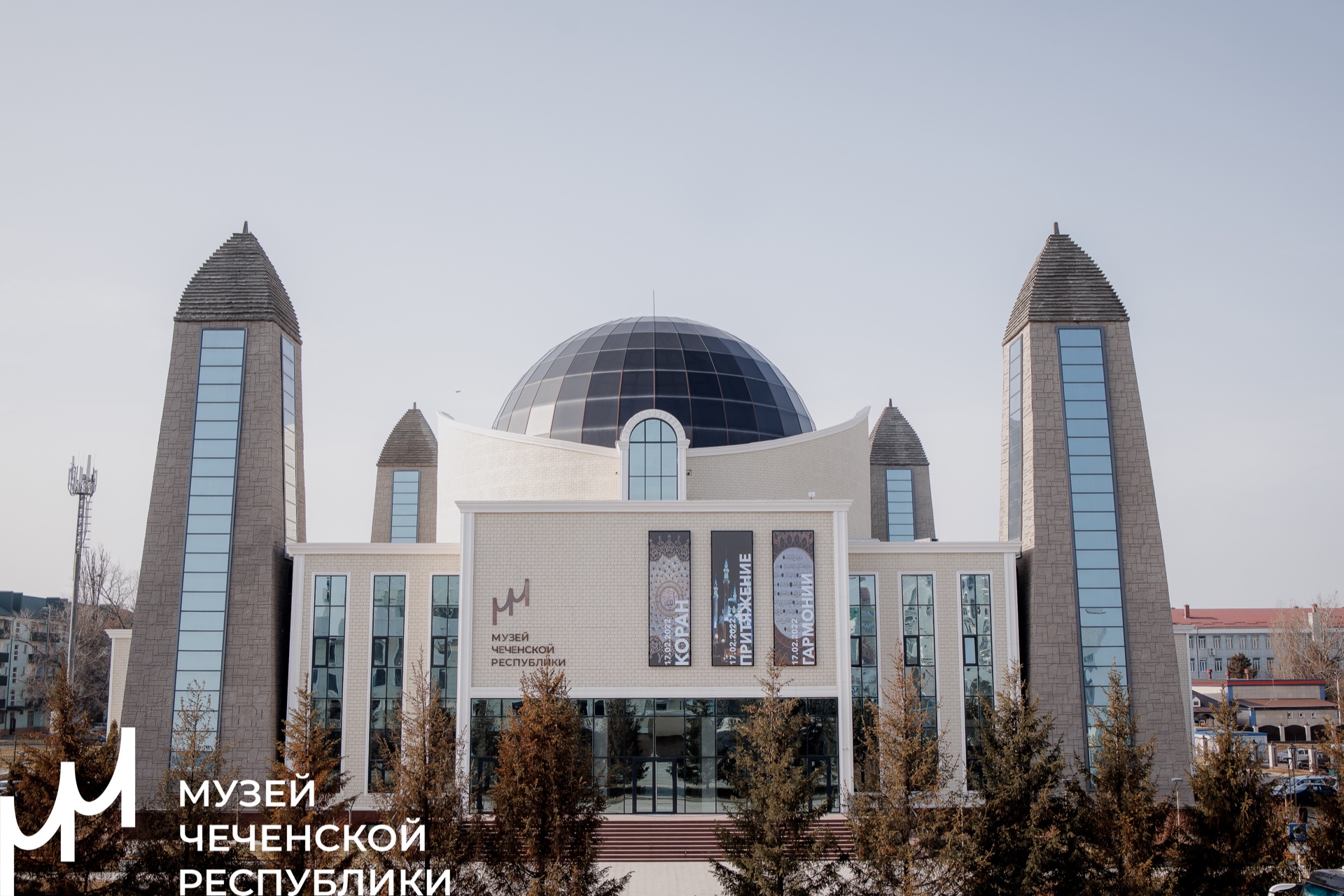
Hours, prices and transport can change, so check the relevant organisation's latest notice before you go.
The Vainakh name and cultural area
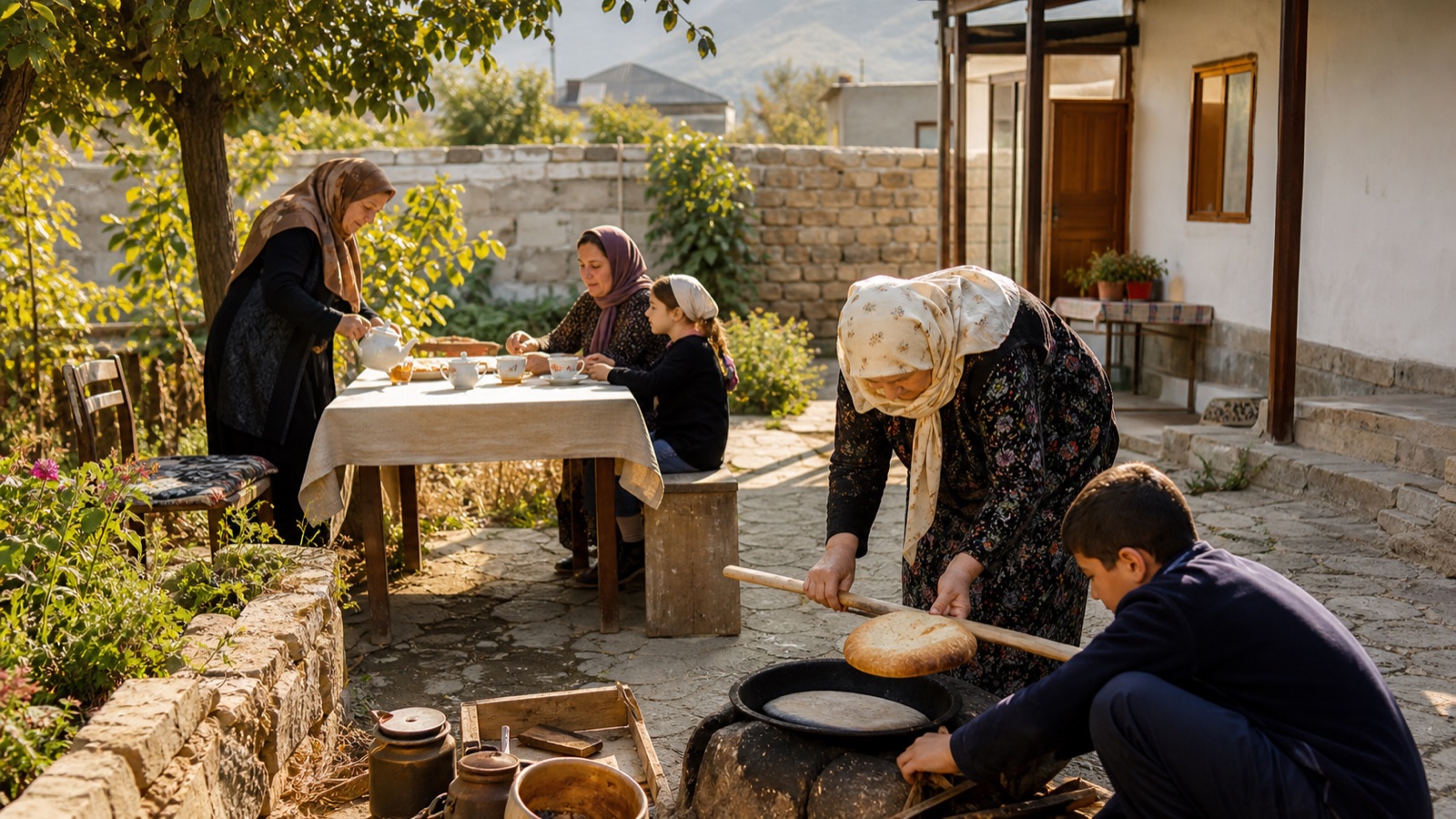
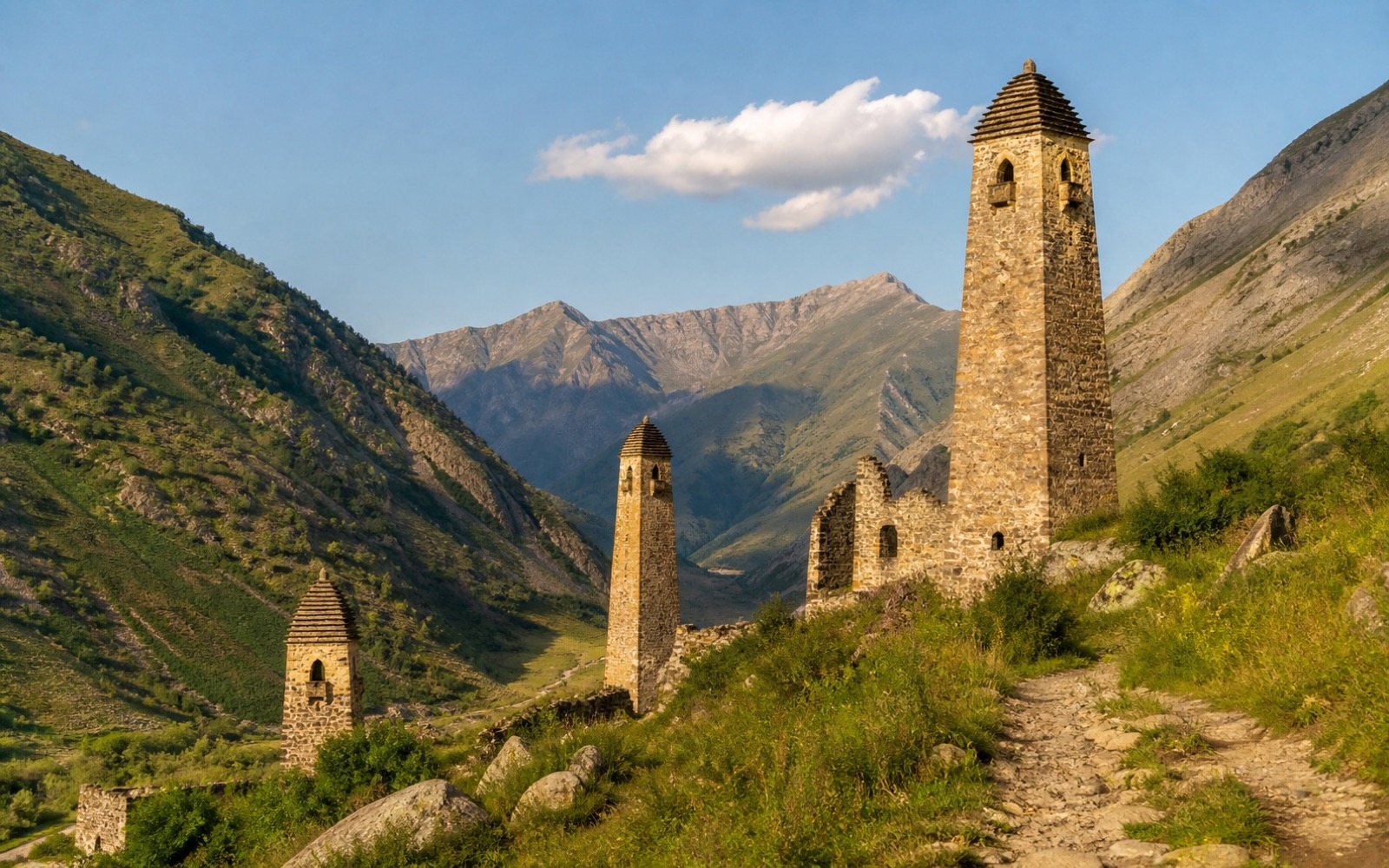
Vainakh describes the linguistic and cultural proximity of Chechen and Ingush peoples. Shared heritage does not mean a uniform society: regional, family, historical and diasporic experiences vary.
Nokhchalla and social ethics
Nokhchalla is associated with dignity, keeping one's word, responsibility, courage, restraint and respect. It is less a fixed legal code than an ethical ideal and framework of cultural self-understanding, interpreted differently across generations and contexts.
Hospitality and the table
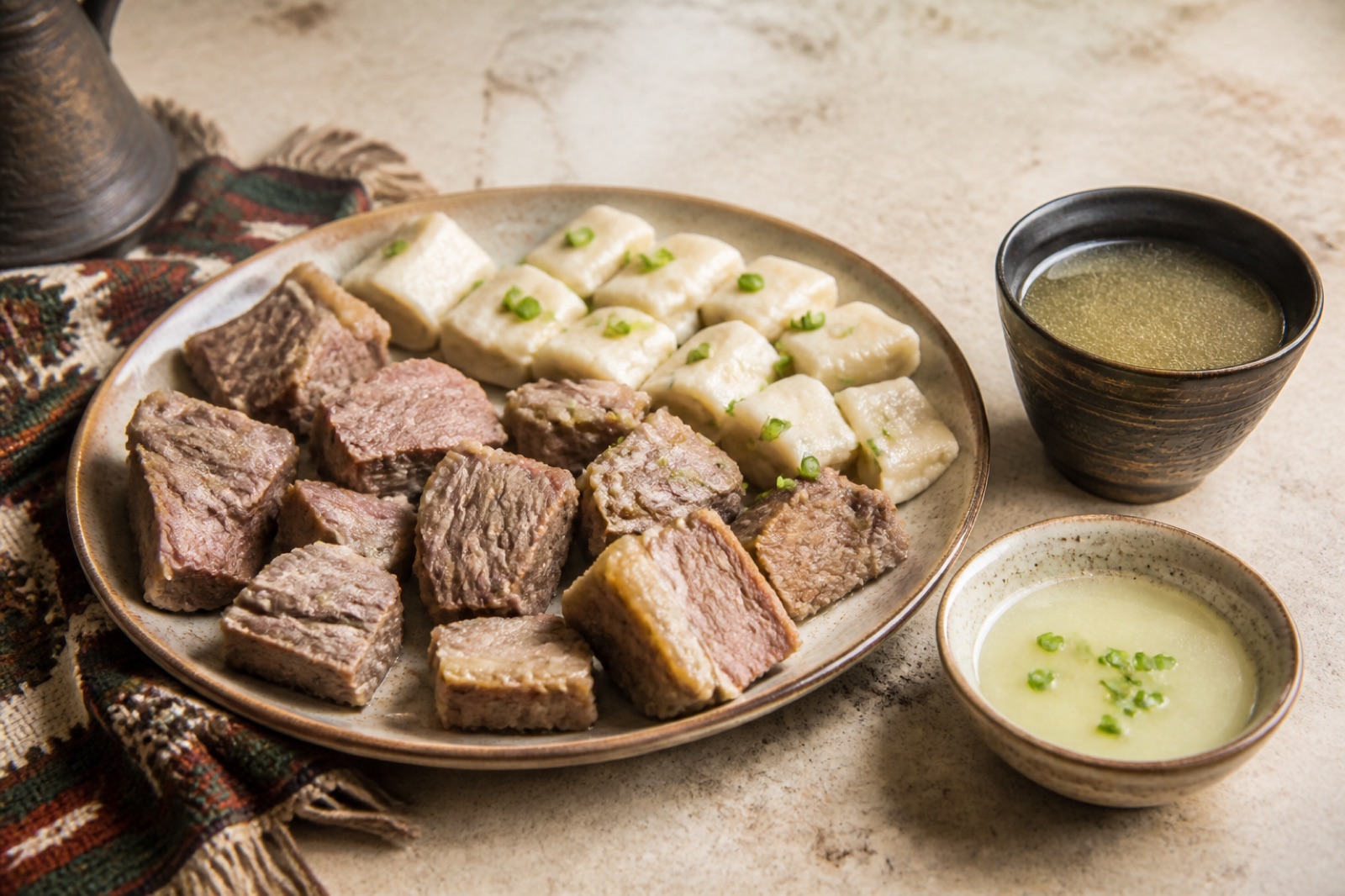
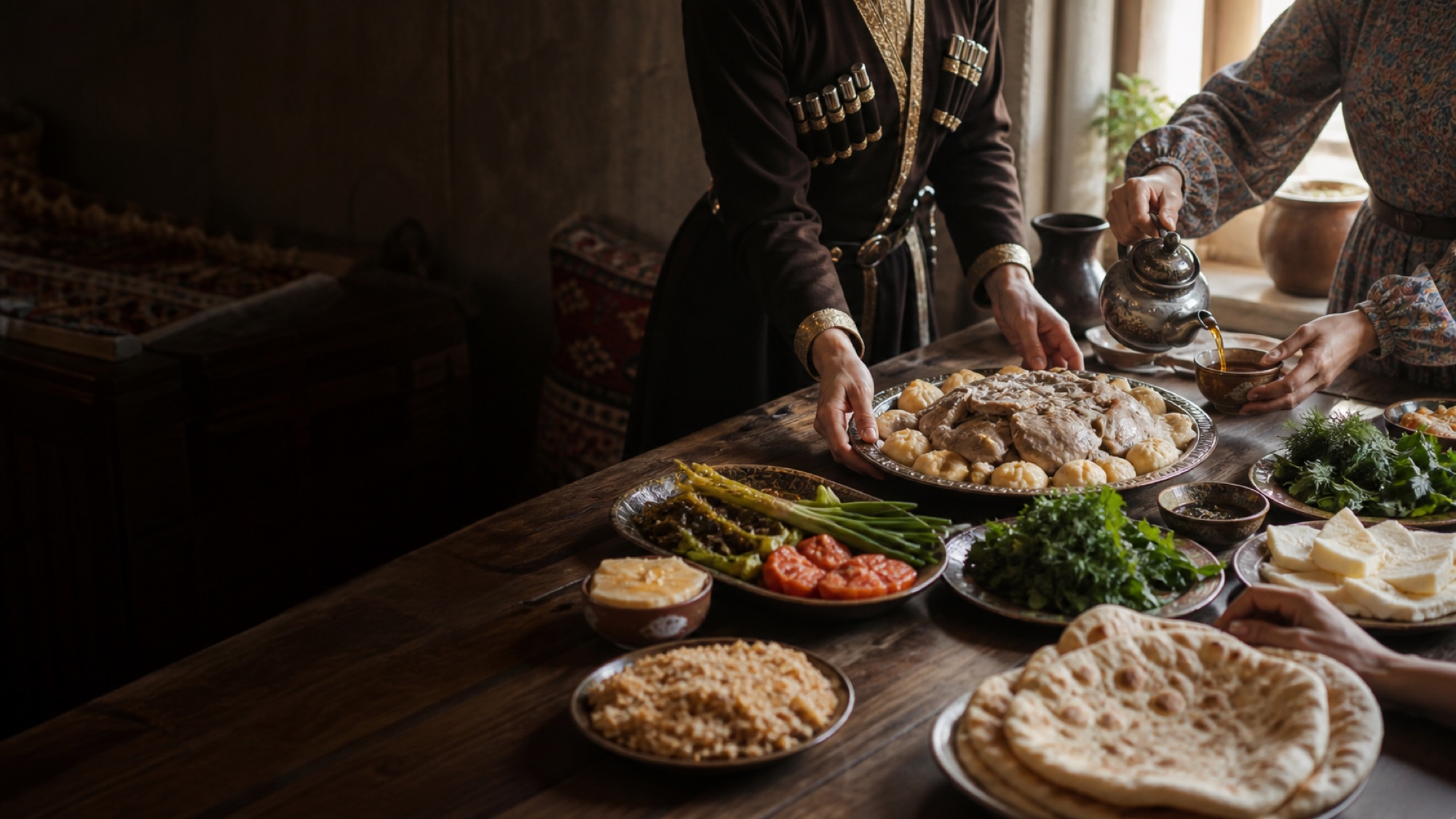
Making room for a guest, sharing food and giving time to conversation are strong ideals. Age, kinship and guest status can shape table etiquette. Visitors should respect the host's lead and personal boundaries without romanticising the culture.
Dance, music and dress
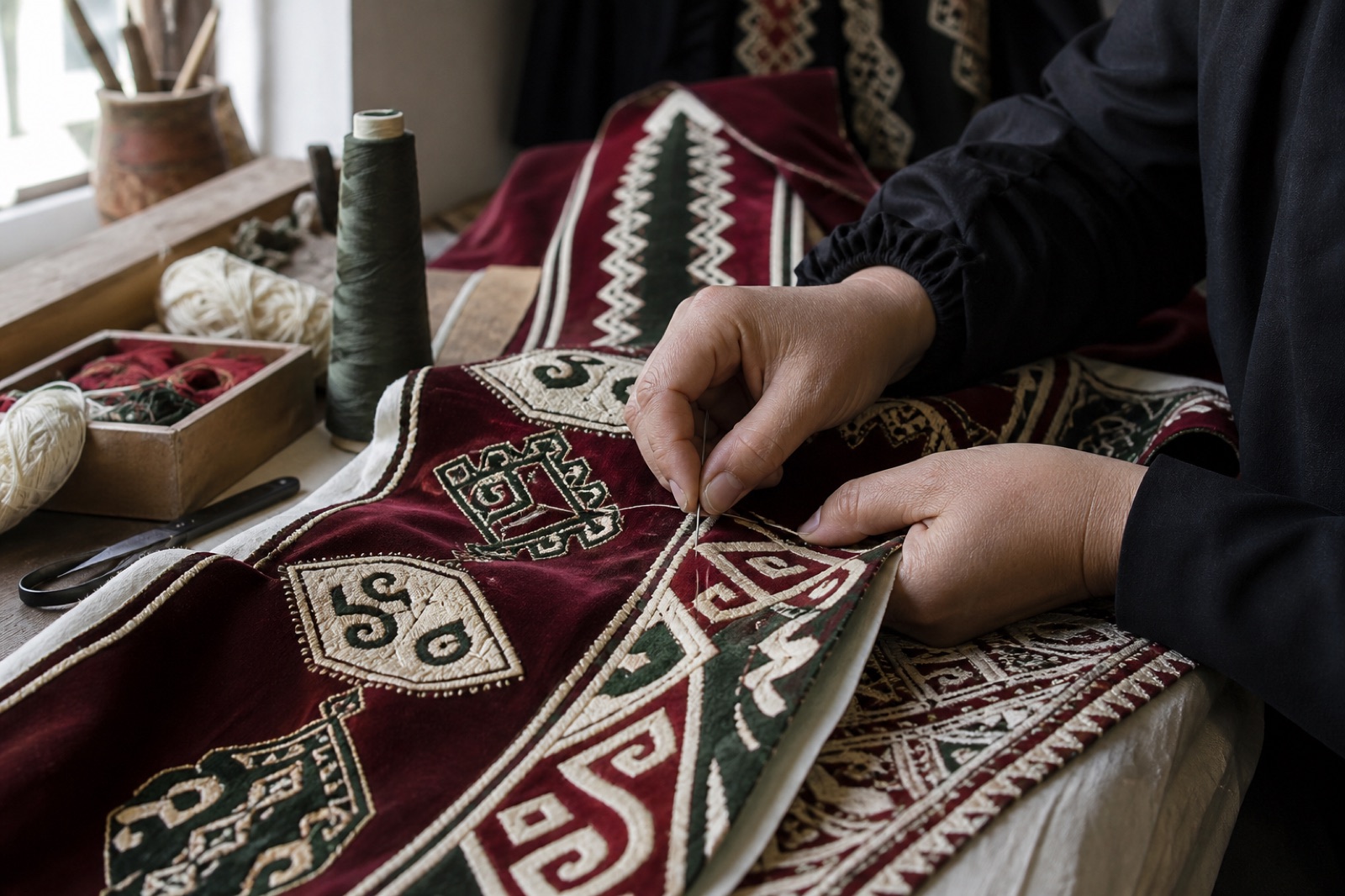
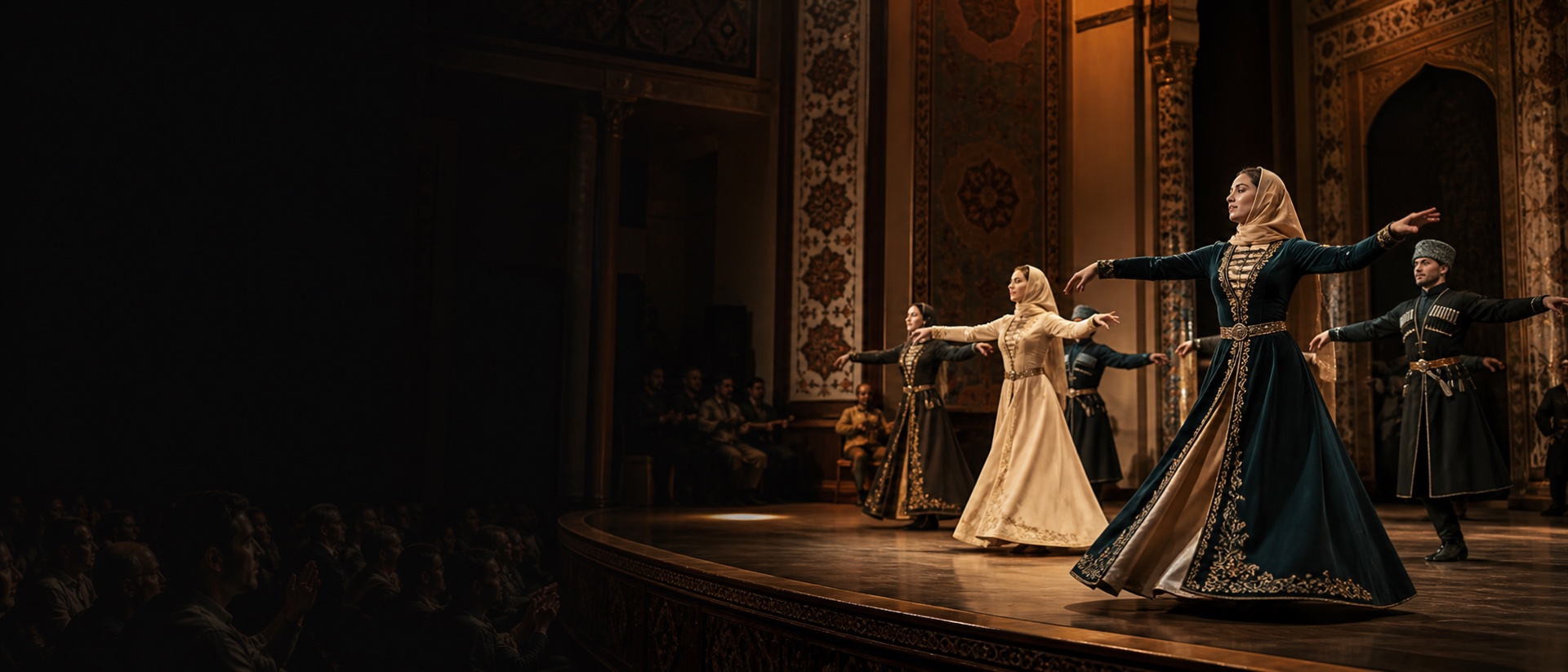
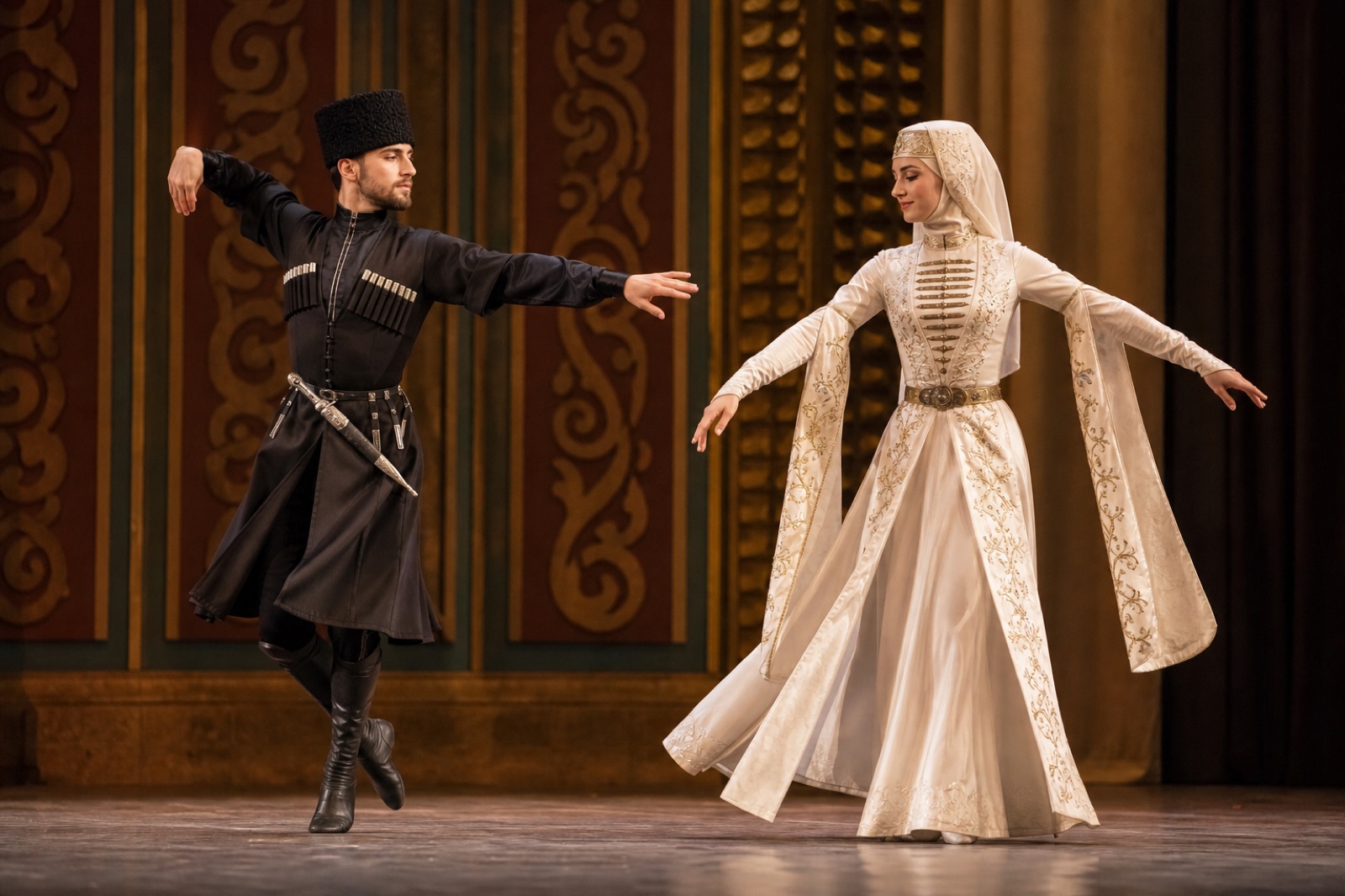
Chechen stage forms within the broad Lezginka tradition emphasise controlled posture, fast footwork and an aesthetic of distance between partners. Traditional dress continues through performance, ceremony, family memory and contemporary design.
Do not flatten a living culture into one template
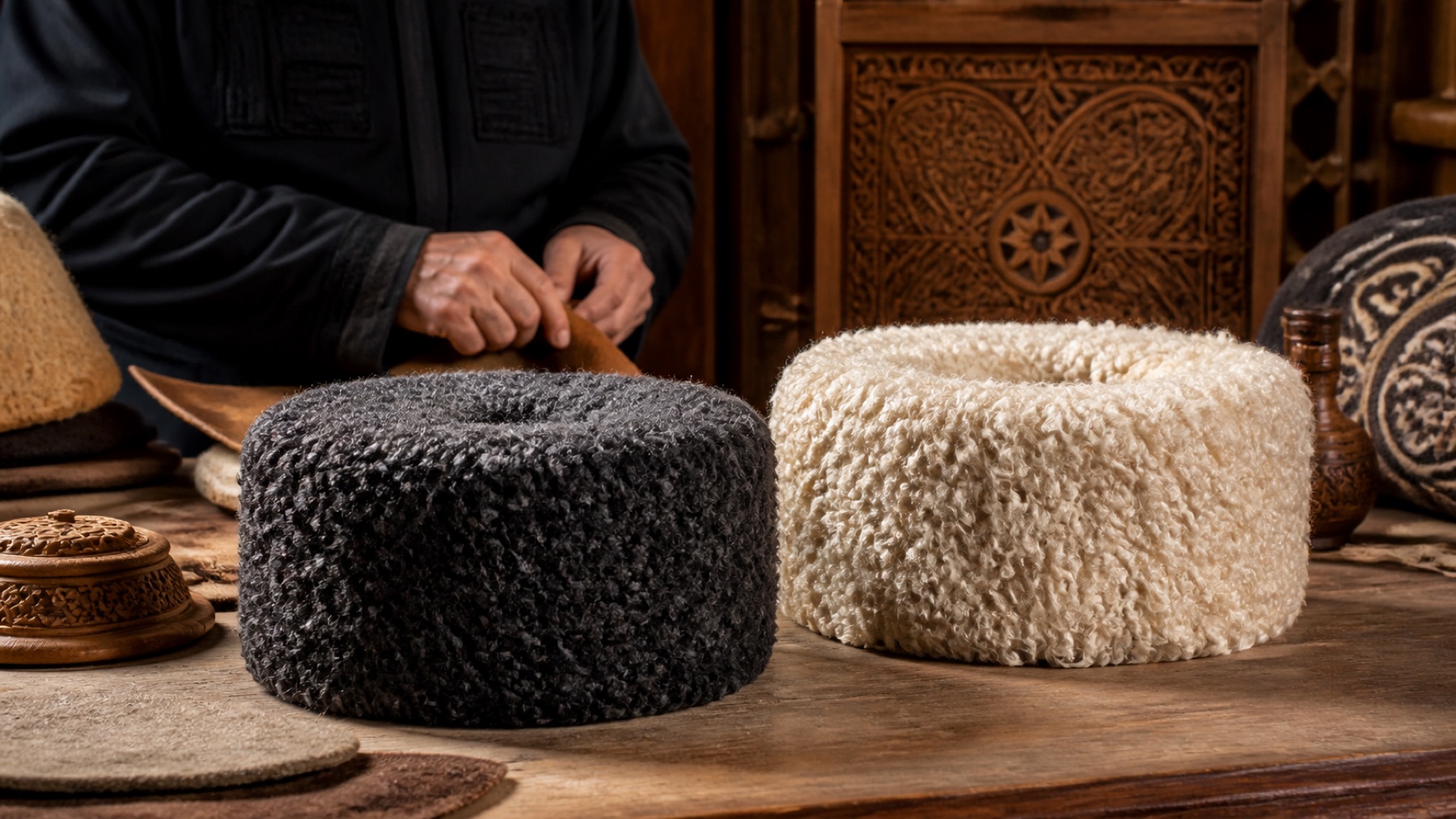
Words such as Vainakh, Nokhchalla, hospitality and tradition help explain a society, but none is a fixed recipe that predicts every individual. City and village life, generations, family histories, education, diaspora and personal choice create different interpretations. A visitor should not expect people to perform culture, but listen to how they wish to be addressed. Describe Chechen and Ingush identities as close yet distinct communities within a shared Vainakh heritage, and never infer a person's beliefs from dress, dance or the table.