Hours, prices and transport can change, so check the relevant organisation's latest notice before you go.
A century of museum history
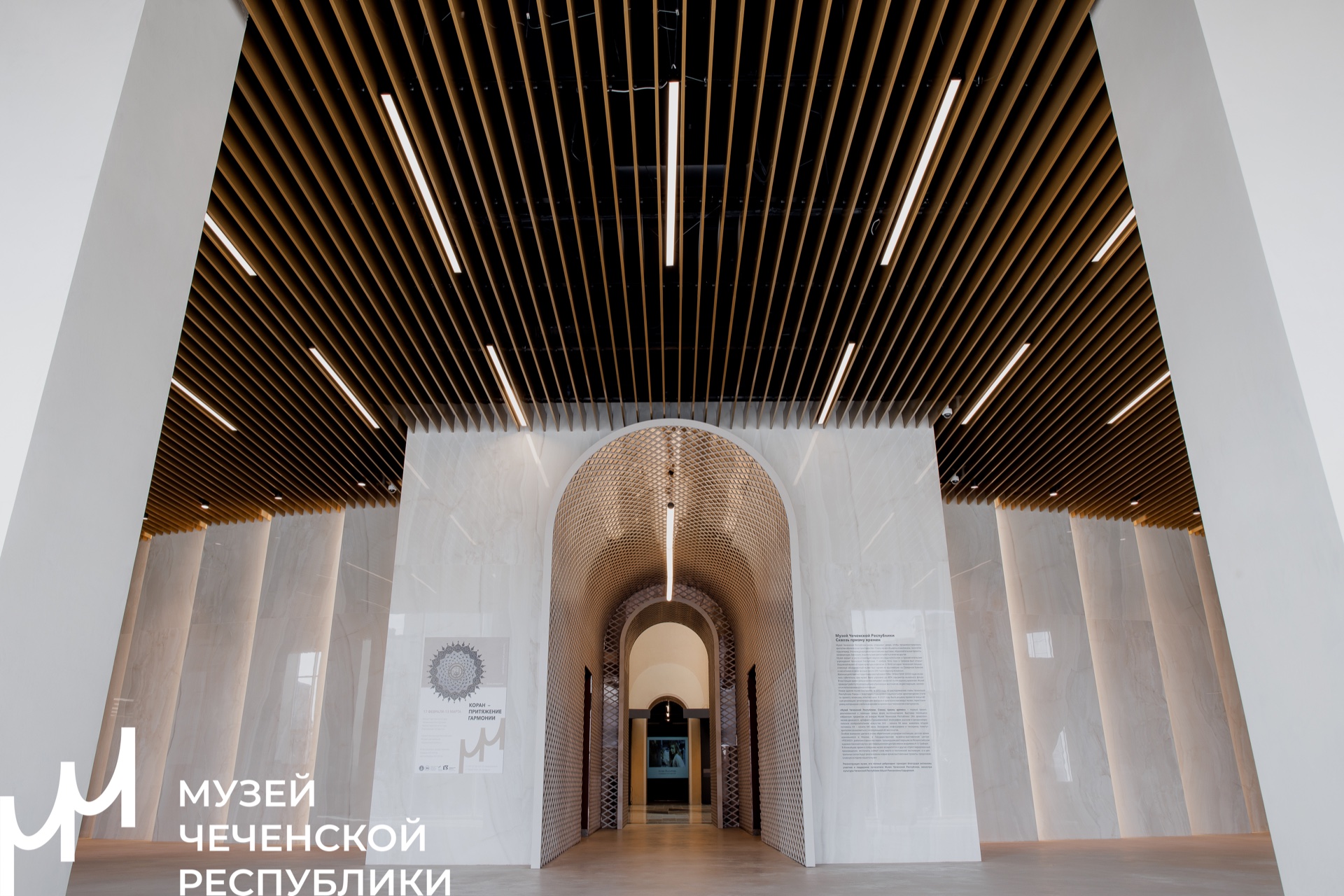
The institution traces its roots to regional museum work of the 1920s. Its name and structure changed during the Soviet period; war destroyed the historic building and much of the collection. Restoring rescued objects and rebuilding the collection later became a central cultural-memory project.
What is in the collections?
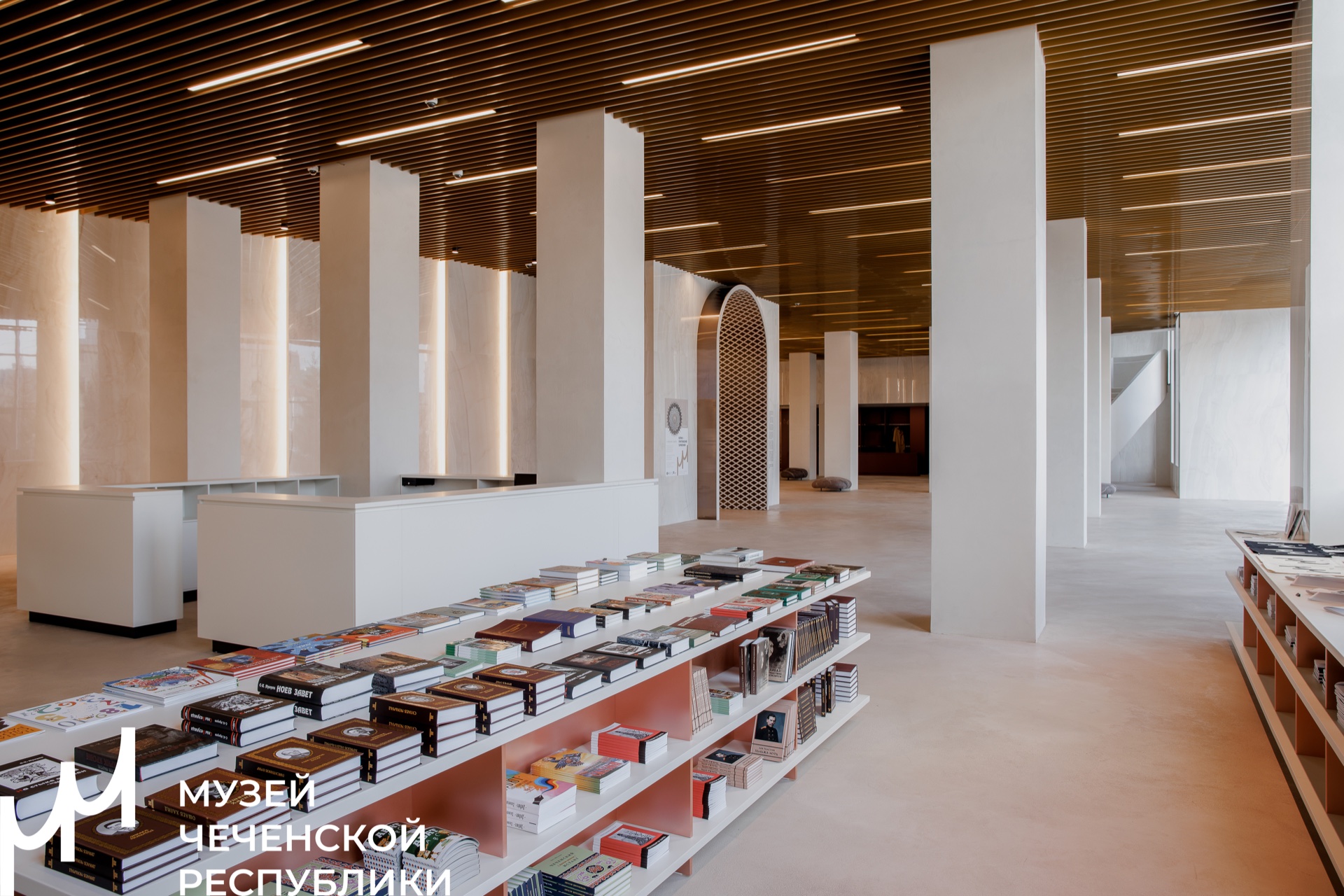
The published exhibition account follows the region's archaeology chronologically, highlighting medieval armour, ethnography and paintings. Restoring war-damaged canvases and researching lost documentation remain continuing scholarly tasks.
Theatre, galleries and libraries
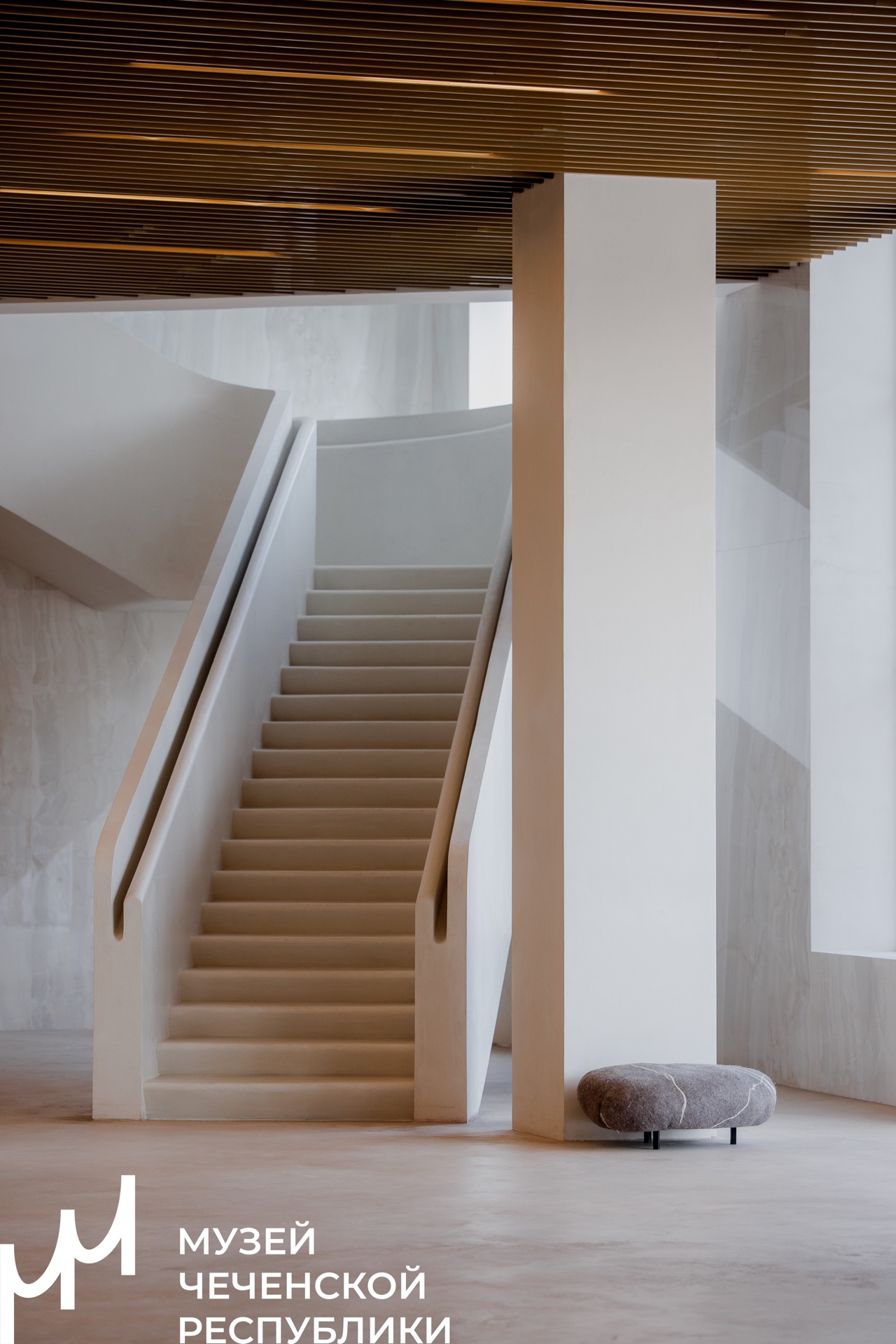
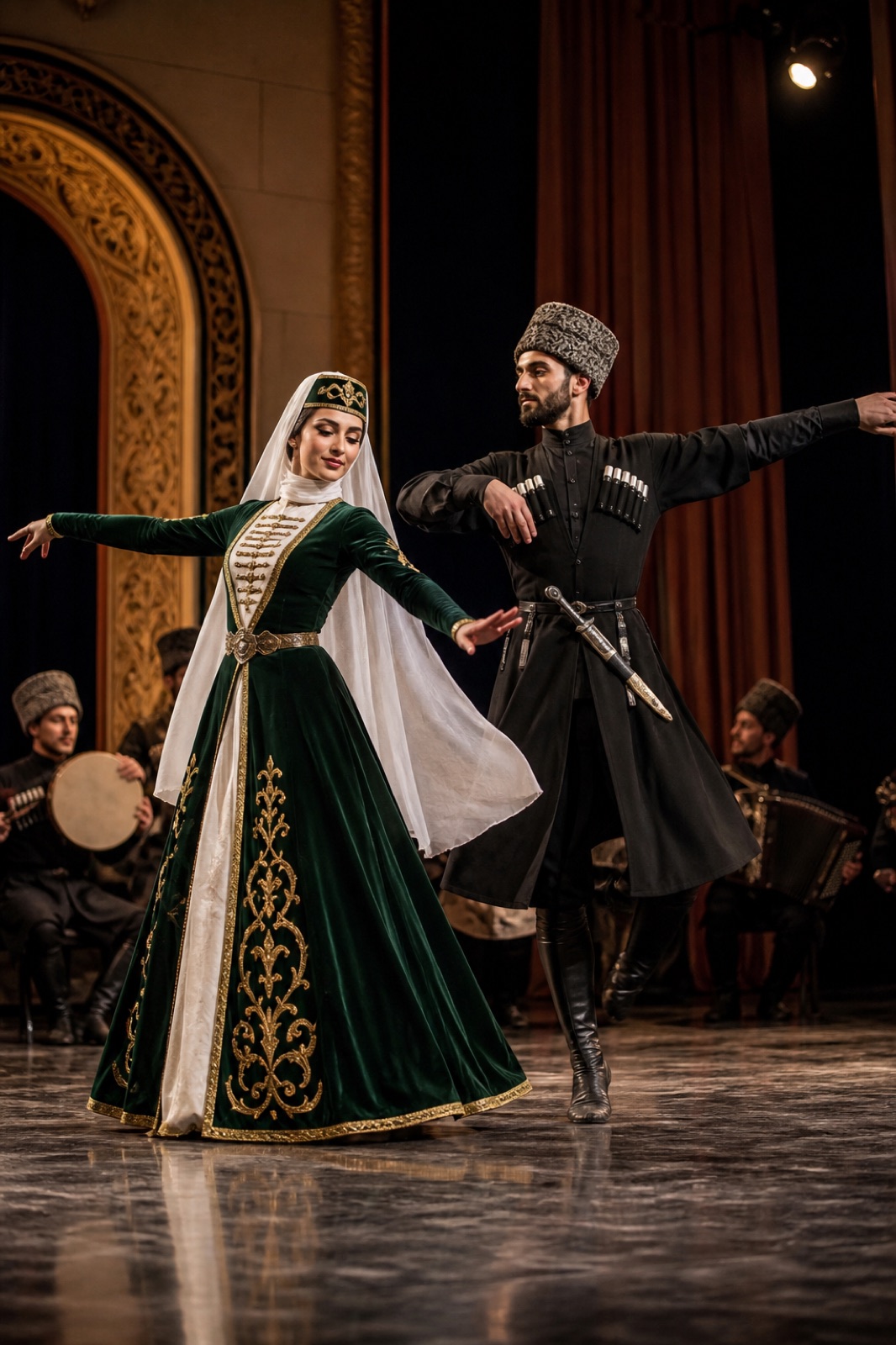
The city circuit extends to Chechen and Russian drama theatres, the state gallery, national library and cultural halls. Programme, language, tickets and accessibility must be confirmed with each institution; the portal does not publish unverified hours or prices.
Visits and photography
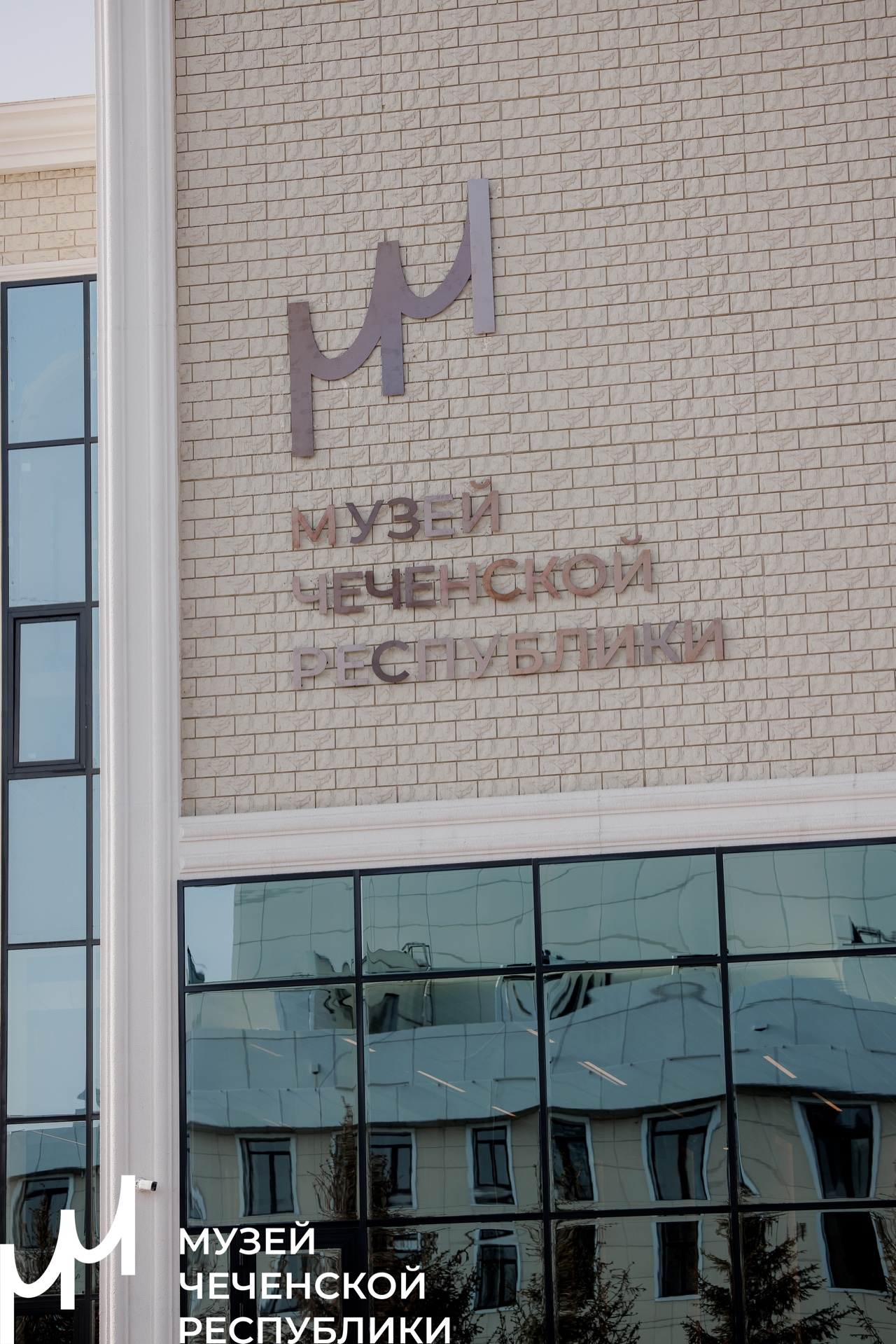
The official site lists the main museum building as temporarily closed. Do not plan a visit until reopening is confirmed. At open branches, respect barriers; amateur photography may be allowed without flash and with approval, while temporary exhibitions can differ.
Read an exhibition label through four questions
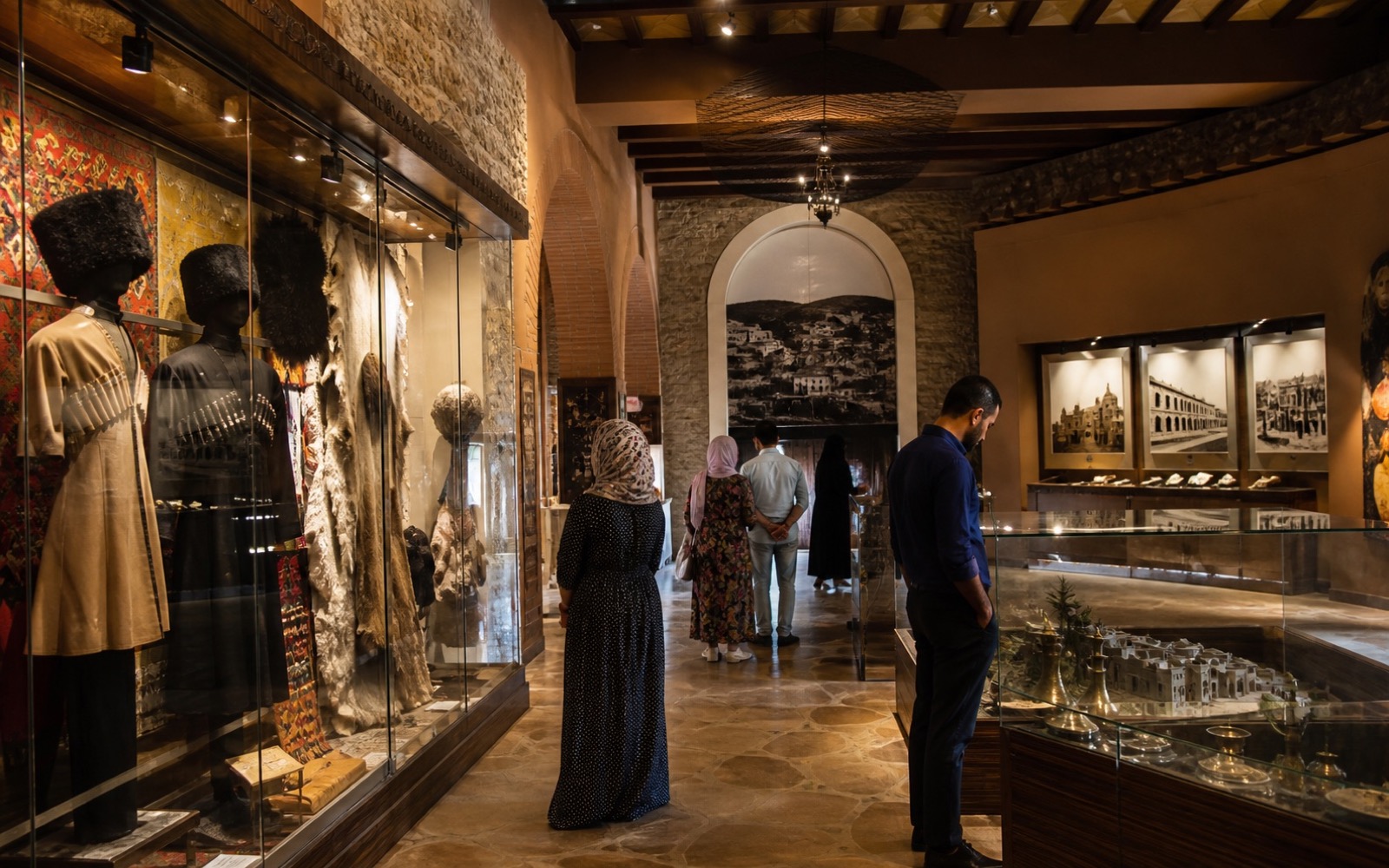
At a display case, begin with four questions: what is this object, to which time and place is it attributed, how did it enter the collection, and is the visible piece original, restored or a replica? If the label does not answer them all, do not fill gaps with assumption. Note the object number or gallery title, then continue through the catalogue, exhibition guide or staff explanation. One everyday item cannot represent an entire society; read it beside related objects, use context and the curator’s theme. A translated label may abbreviate the original, so ask before treating differences between languages as contradictions. Even where photography is allowed, verify flash, distance and temporary-exhibition rules. This turns a short visit into cultural research another reader can trace.