Hours, prices and transport can change, so check the relevant organisation's latest notice before you go.
LOCATION · OPENSTREETMAP
Location on the map
Save the location to your route; if you are heading beyond the city, check the road and weather that morning.43.31970, 45.69343Open in OpenStreetMap ↗Central sights: mosque, boulevard and skyline
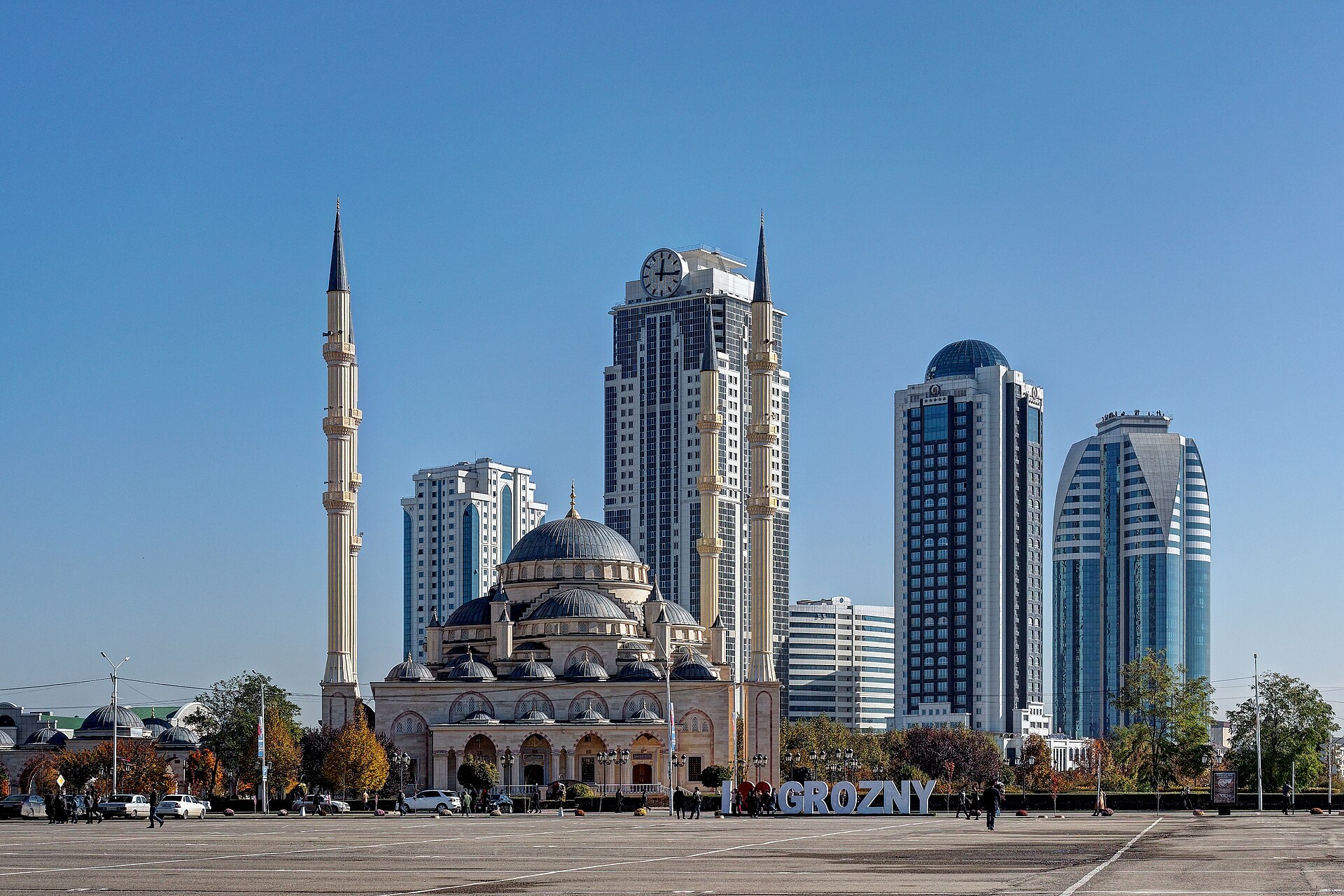
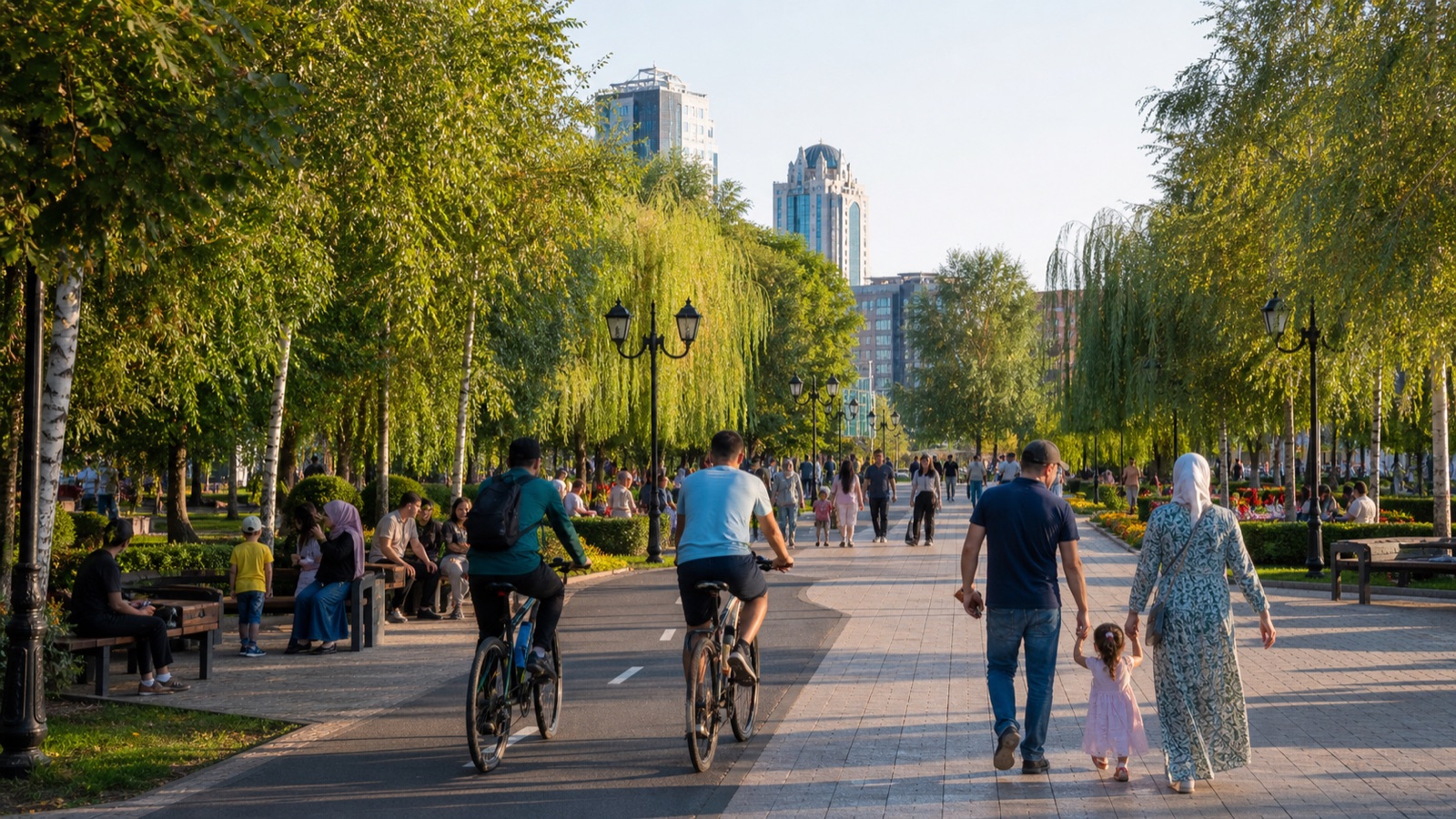
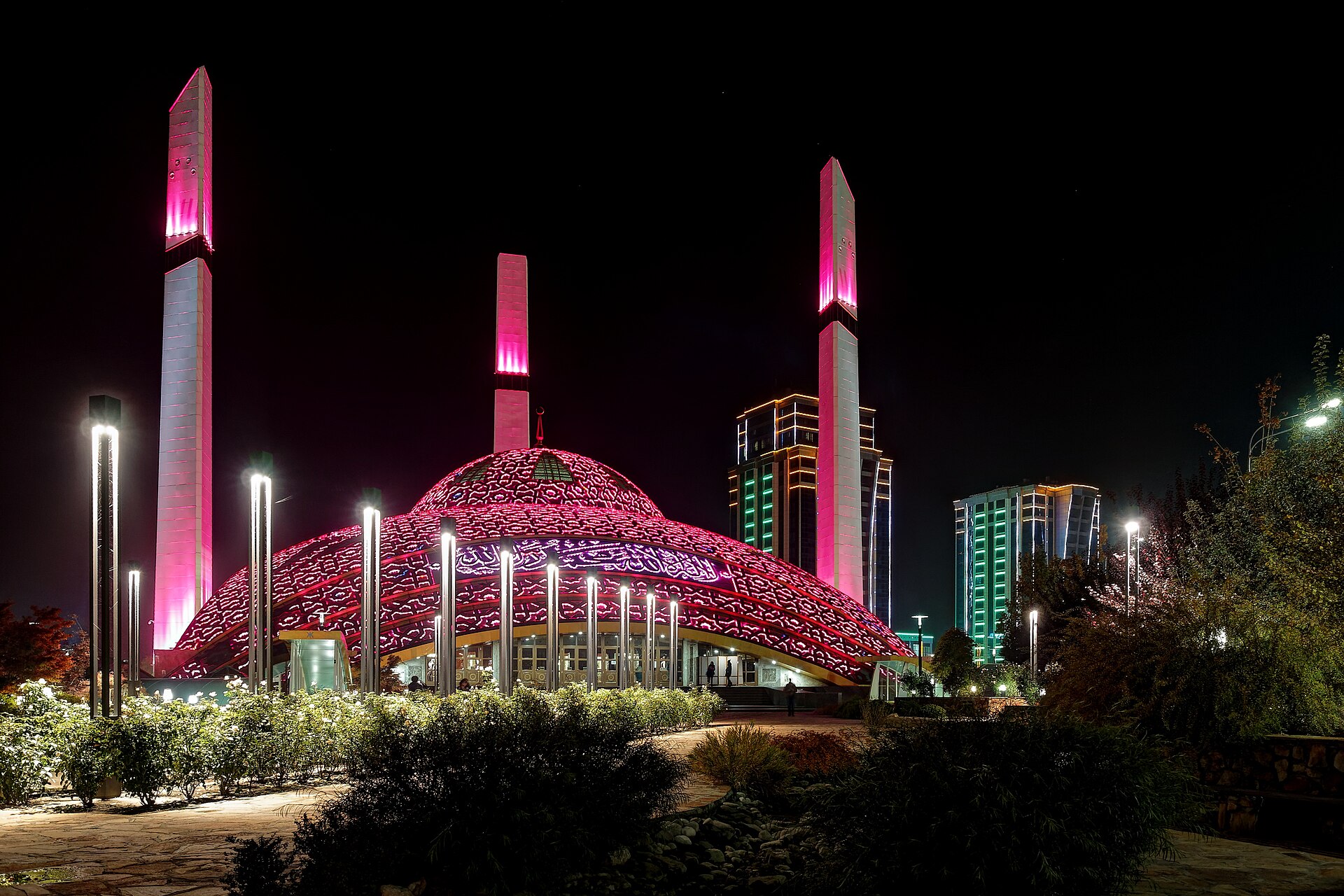
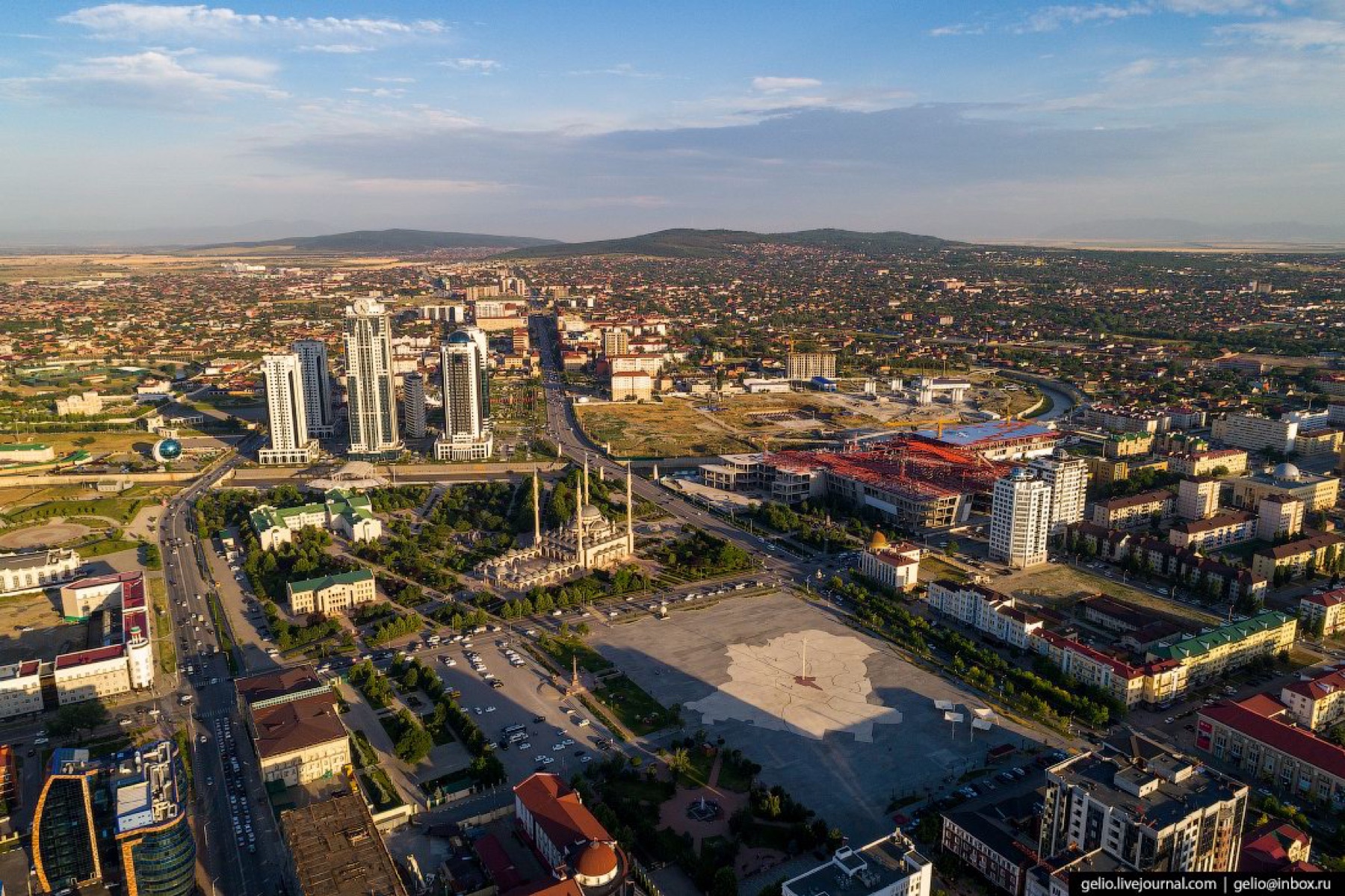
Begin the first day around the Heart of Chechnya Mosque, allowing for prayer times and seeing the exterior and park at an unhurried pace. Continue along Mahmud Esambayev Avenue to Flower Park and the Grozny City cluster. This compact central group is the easiest introduction to the capital's contemporary architecture and everyday rhythm without repeatedly changing transport. If you hope to use an observation area, confirm access with the operator that day rather than building the plan around an assumption. Returning after dark can make a rewarding finale.
Cultural venues, parks and Grozny Sea
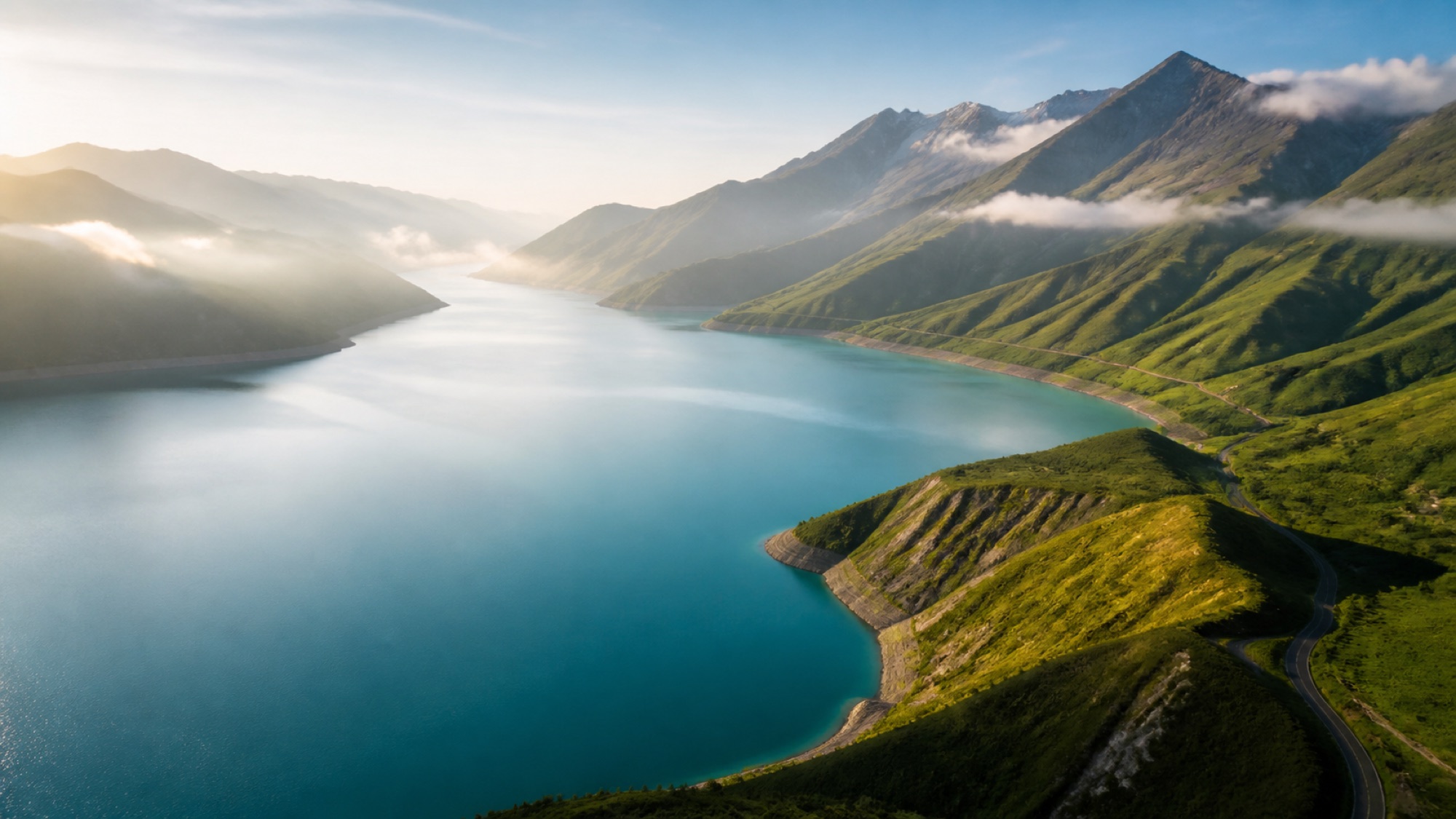
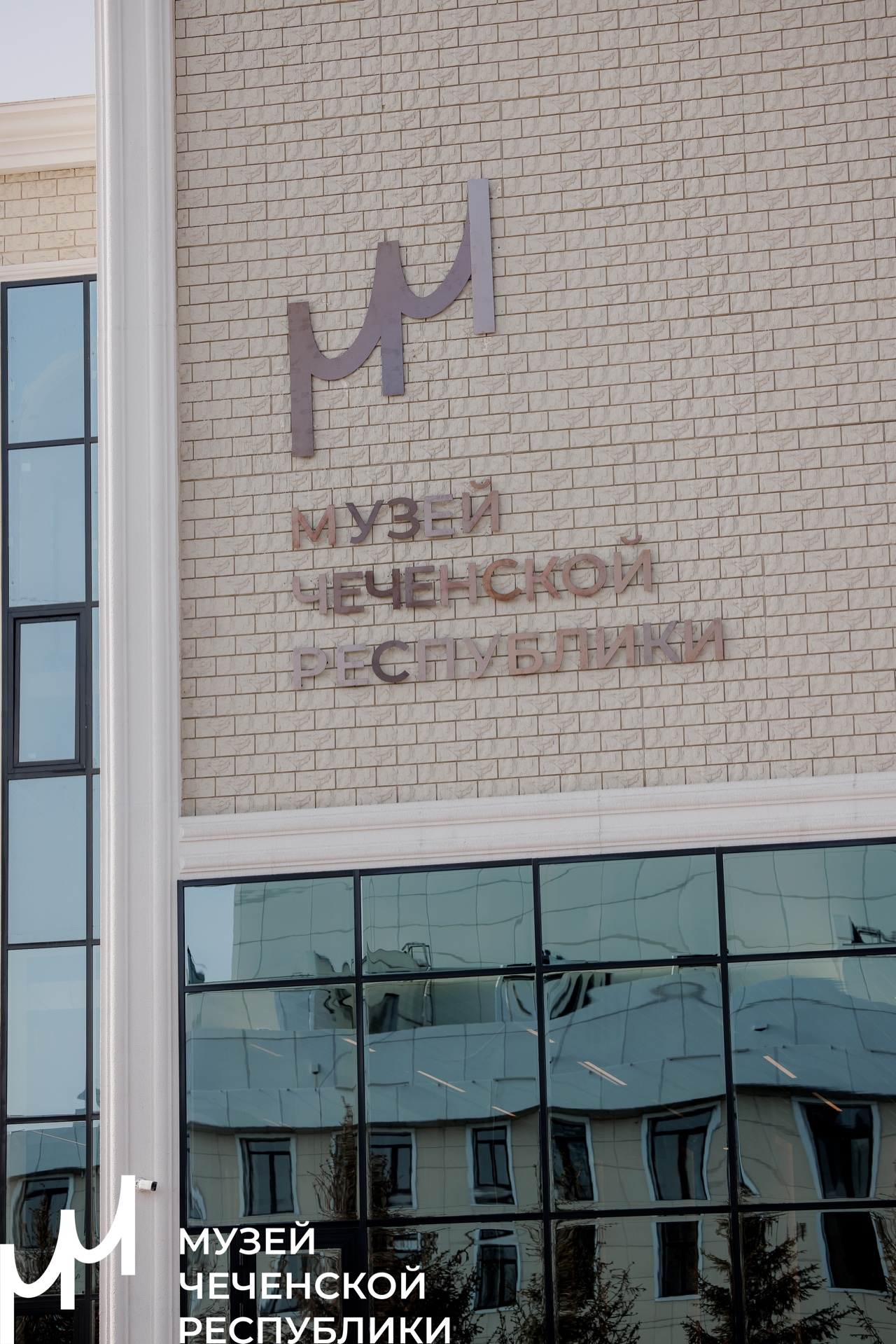
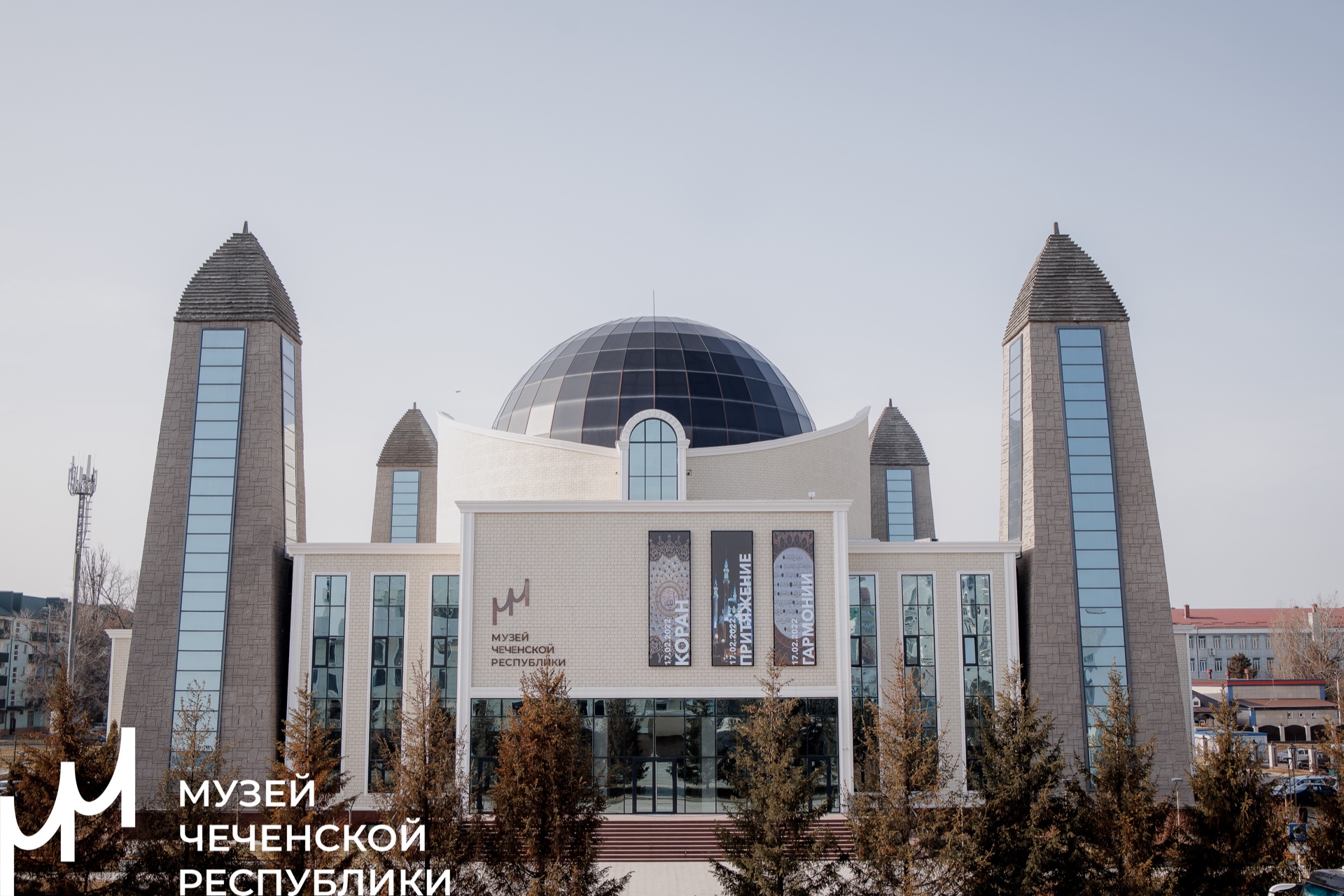
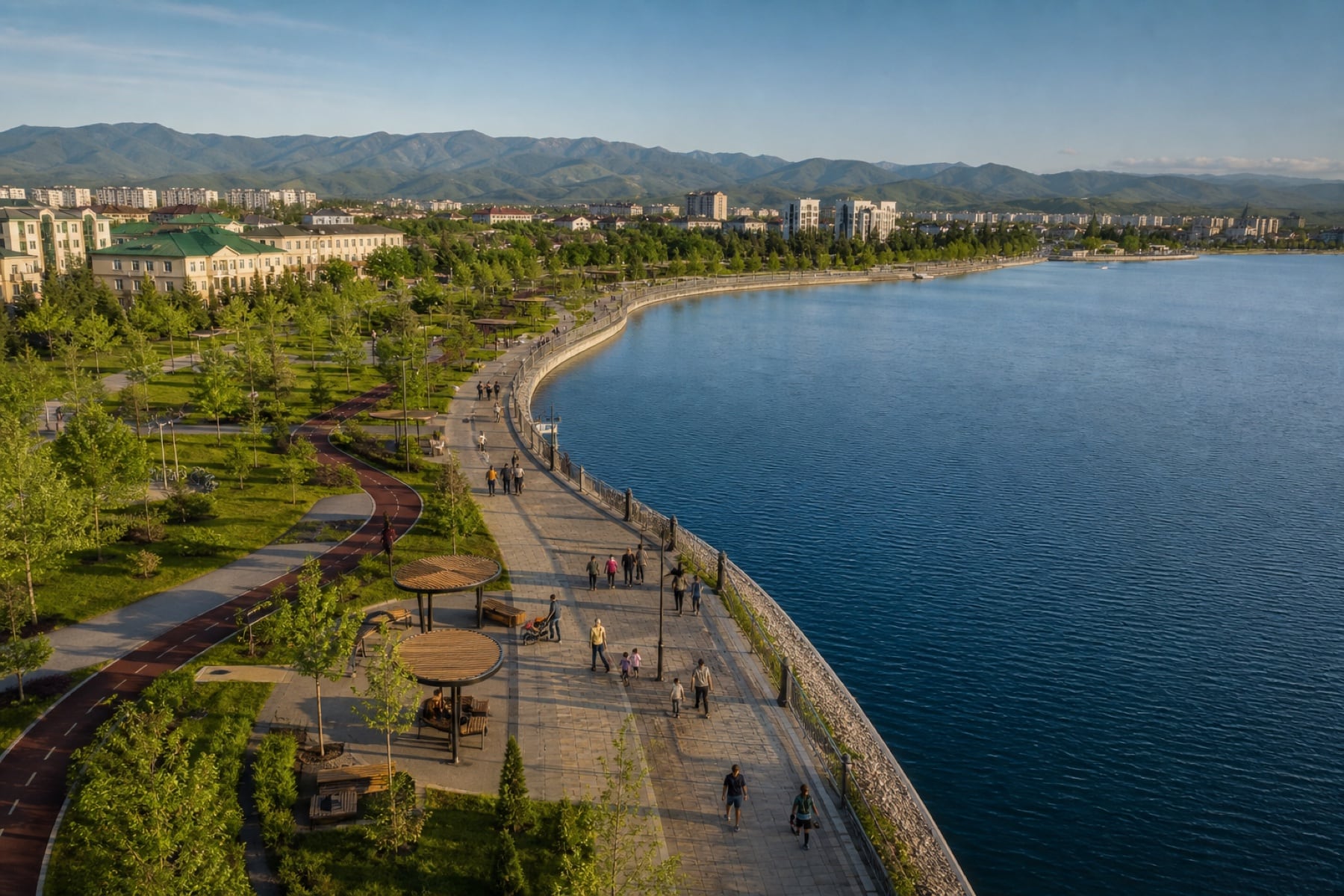
Open day two with a museum, gallery, library or theatre whose current programme you have confirmed. Check the Museum of the Chechen Republic's own reconstruction notice for its main building; if access is unavailable, choose an open alternative from the municipality's cultural-venue list rather than leaving a gap. Add a city park or the Grozny Sea area later in the day. For a waterfront stop outside the centre, agree return transport in advance and avoid squeezing an evening event around an uncertain ride.
Group the sights into three clusters
Treat the mosque–Esambayev Avenue–Flower Park–Grozny City line as one central walking cluster. Build a culture cluster around the Archangel Michael Church, library, galleries and whichever performance venue has a confirmed programme that day. Keep parks and waterfronts for a separate half-day; do not squeeze an outlying stop such as the Grozny Sea into a short central walk. This grouping reduces backtracking and leaves room for photographs and pauses.
Walk the centre; use transport for outlying stops
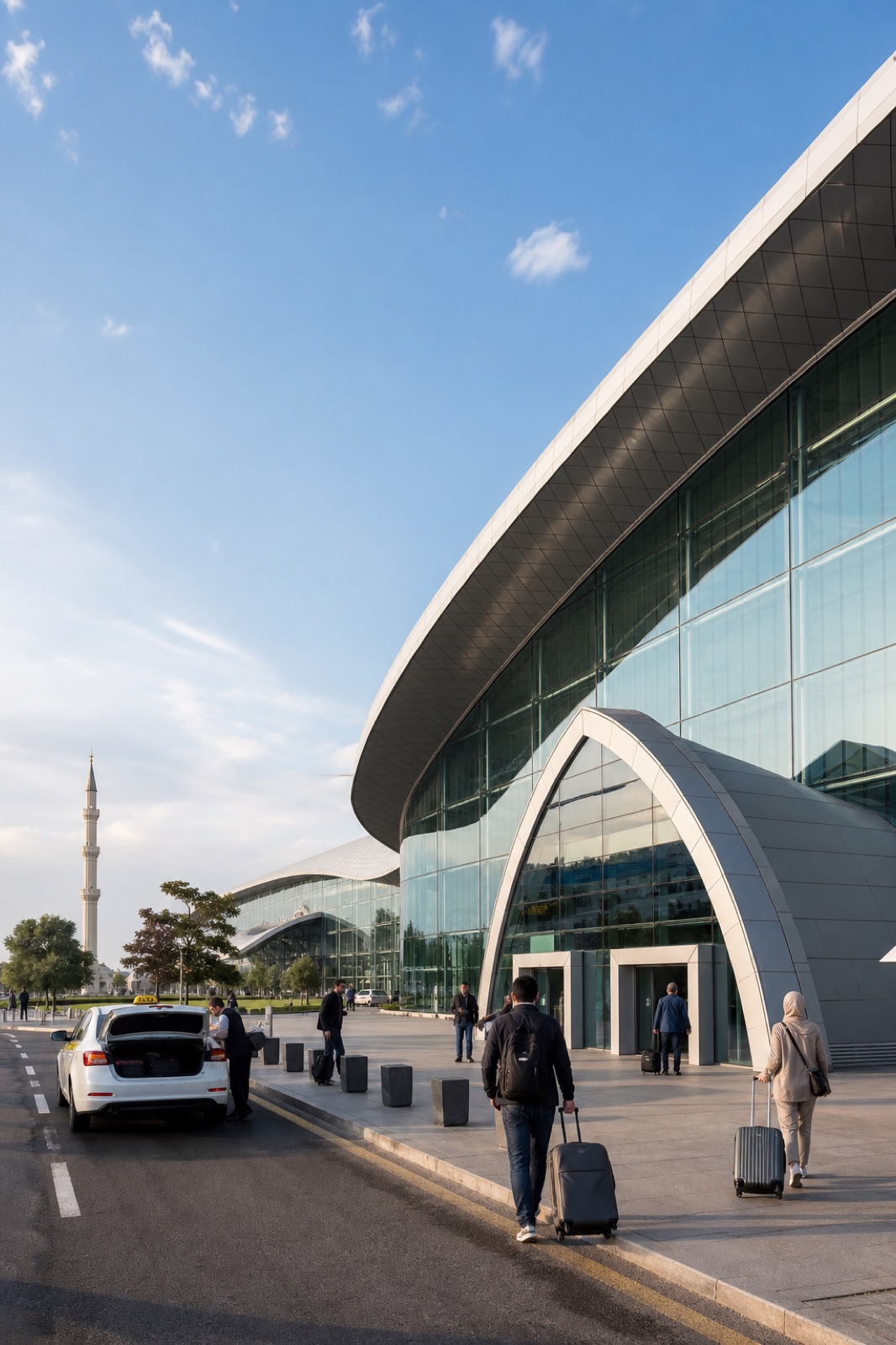
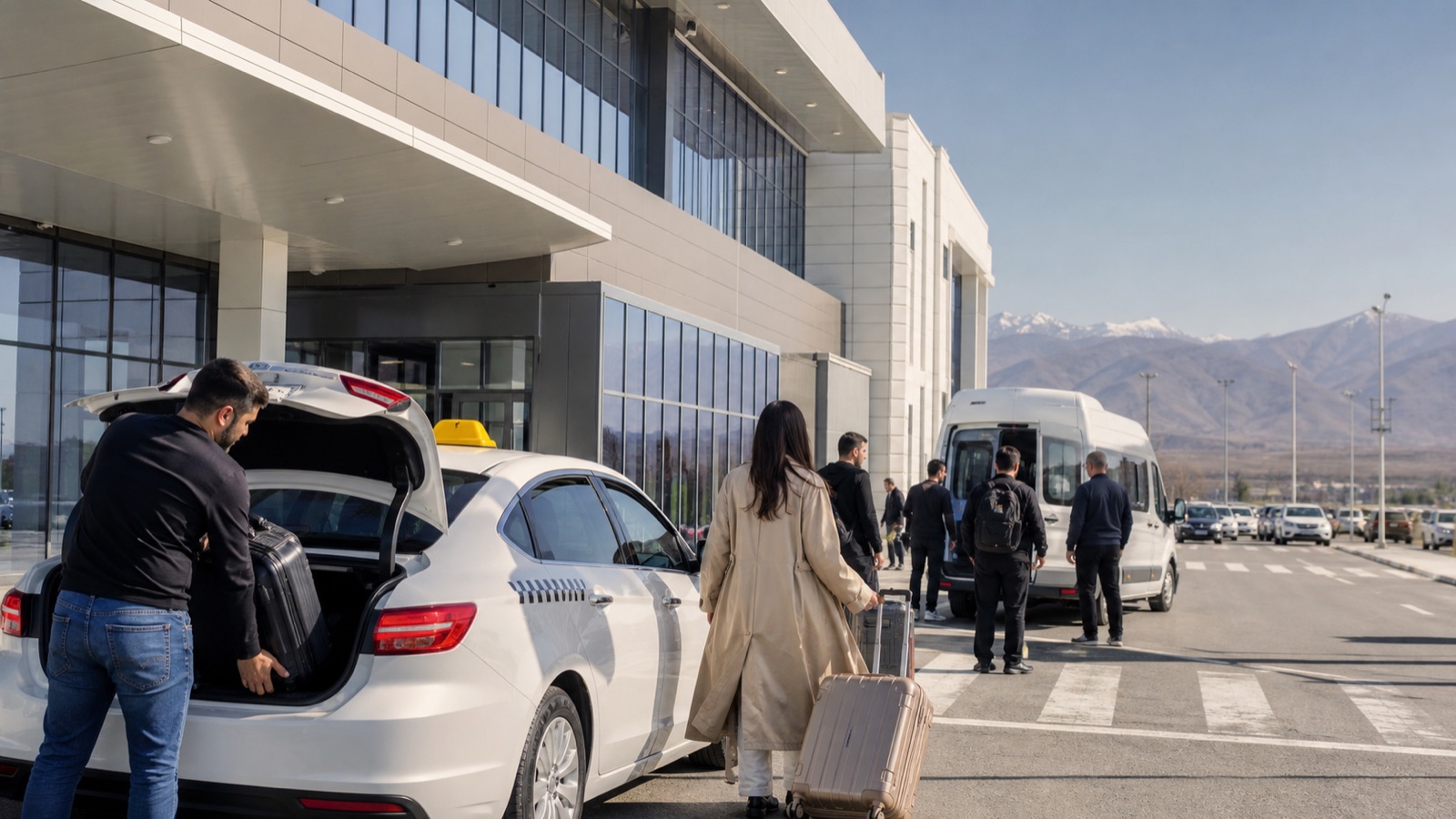
Many central sights can be linked on foot, although broad-road crossings and summer heat can slow the pace. A licensed taxi or pre-arranged transfer is more practical for the airport, Grozny Sea and parks beyond the core. Confirm variable details such as municipal routes, fares and final departures with the operator on the day. Save the return address in Cyrillic and avoid relying on a single app late in the evening.
Food and rest stops
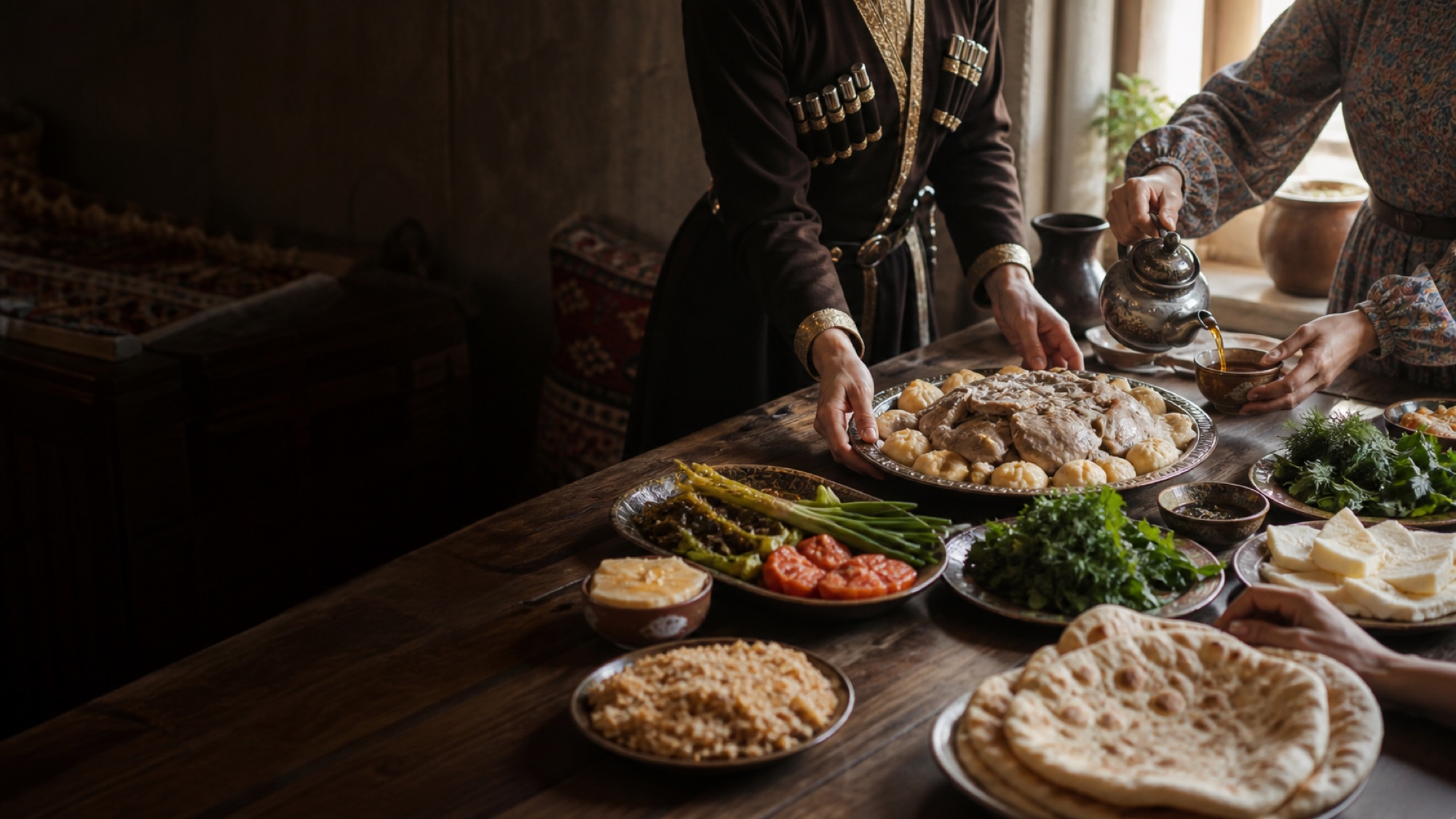
Place lunch in the middle of the central walk so the parks and avenue never feel rushed. When ordering zhizhig-galnash, chepalgash or khingalsh, ask about ingredients, portion size and allergens; versions vary between households and kitchens. Ask before photographing diners or staff. Choose a currently open kitchen where the team can explain the dishes and their ingredients.
Pace the city around season and light
Spring and autumn usually suit a gentler central walk, though daily rain and wind still deserve a check. In summer, keep open squares for morning or sunset and use midday for indoor culture. Winter's shorter light, possible ice and programme changes can reshape day two. The mosque and Grozny City skyline are striking after dark, but never risk the final ride home for a night photograph.
Plan museums, galleries and performances in advance
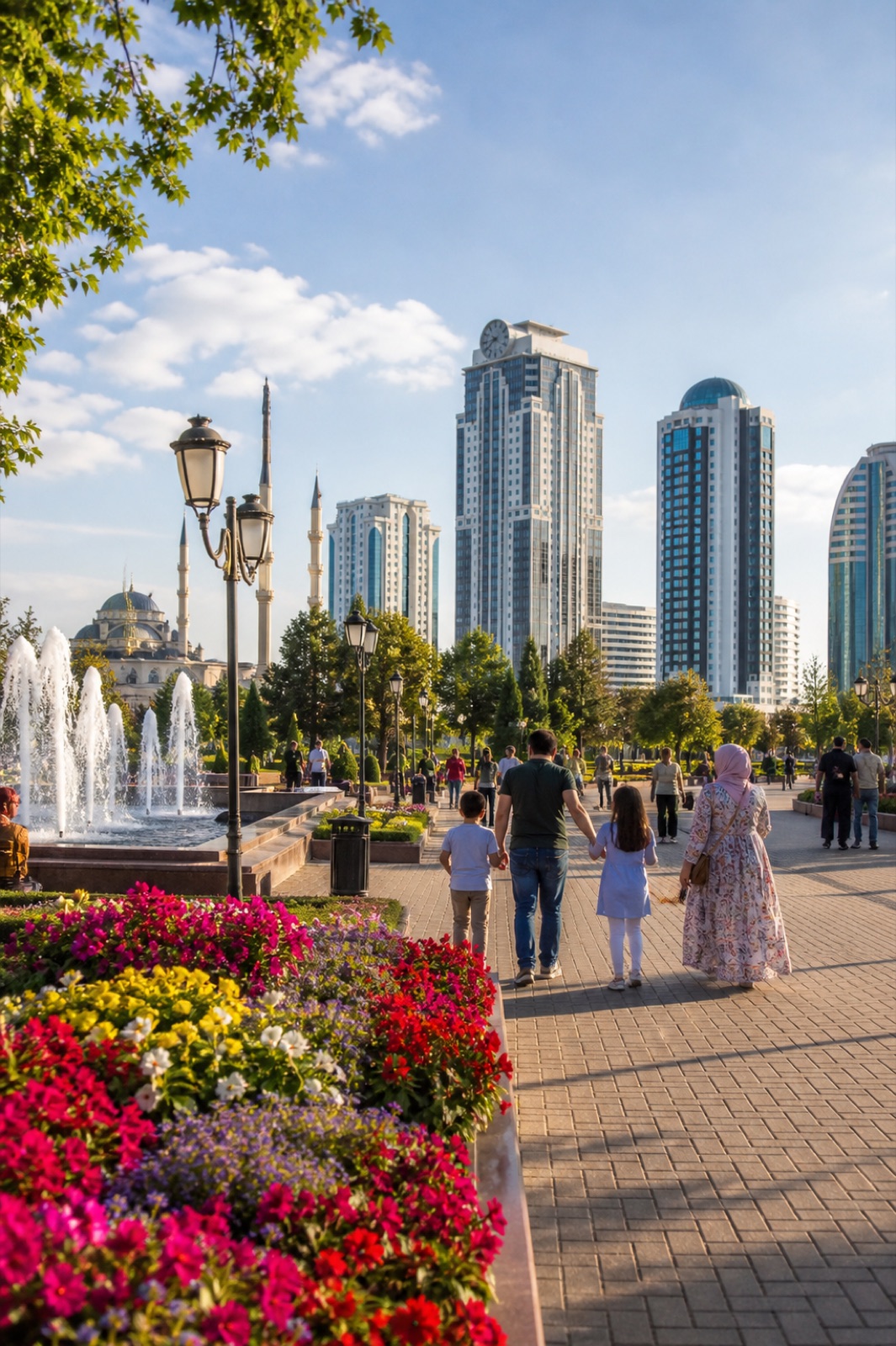
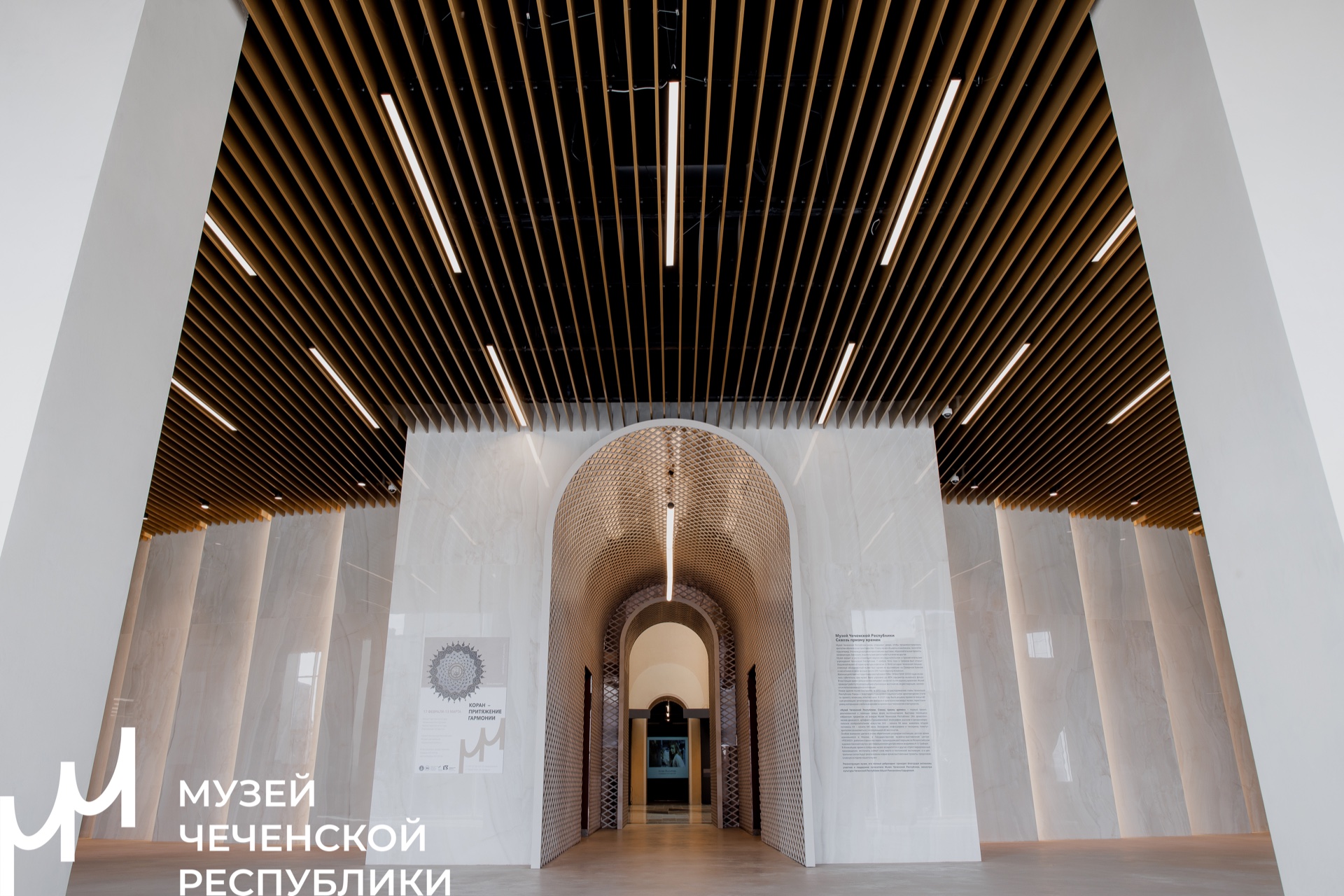
Do not build Grozny's culture day around a single building. Check the Museum of the Chechen Republic for its current main-building and exhibition status, then choose a backup from the municipality's list of galleries, libraries and Chechen or Russian drama theatres. Programme, performance language, tickets, photography and accessibility can change by event. If one venue is closed, switch to a confirmed alternative rather than relying on an undated opening time.
Oil, rail and industrialisation: a brief city story
Grozny's modern urban story took shape around the Groznaya fortress on the Sunzha from 1818; late-nineteenth-century oil and railway development then made it a major industrial centre. The 1944 deportation, later conflicts and severe destruction deeply affected its fabric and cultural institutions. Today's centre is the result of extensive reconstruction. This brief frame helps read the city; use the dedicated history guide for a fuller, multi-source account.
Families, accessibility and photography etiquette
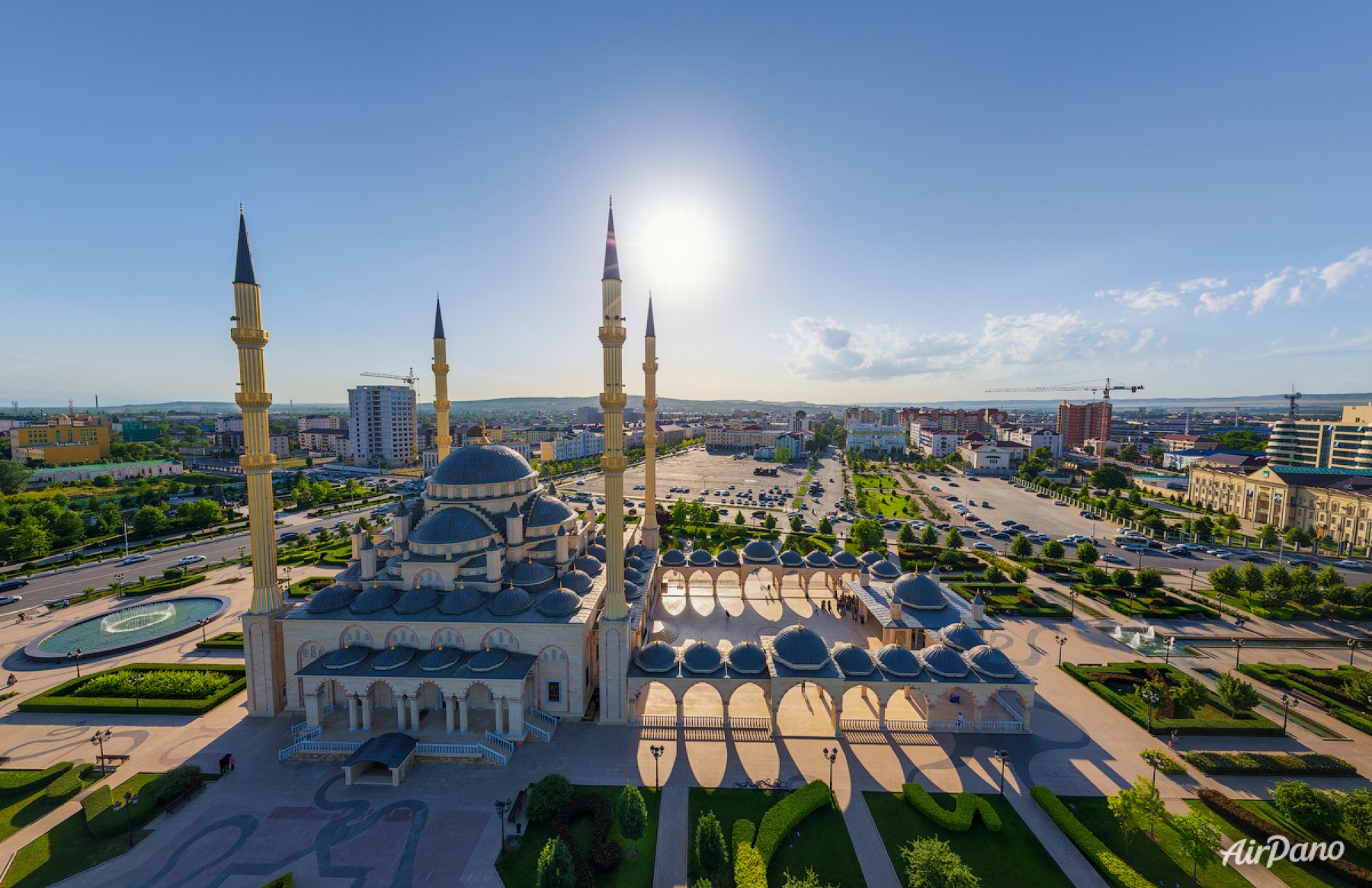
For families, alternate short central walks with park breaks. If you need a wheelchair, pushchair or walking support, ask the venue about ramps, lifts, toilets and viewpoint access in advance; a route that looks level from outside may not be step-free throughout. Follow staff guidance in the mosque and church, and never photograph worshippers or children without permission. Do not assume an open square permits drones; confirm current local and aviation rules.
A five-minute final check before setting out
Before leaving, recheck the weather, access to the first cultural stop, observation-area status, return transport and the evening programme. Save an offline map, your hotel address in Cyrillic and the venue links. Never treat an undated third-party list as definitive for opening times, tickets, bus routes or fares. This guide gives you a workable structure; the relevant venue, carrier or authority has the final word on changing details.