How to read a crafted object
At a museum case, begin with function rather than ornament: what did the object carry or protect, who wore it, and where did it sit in the house? Then read material and tool marks. A forged edge, seam, grain, glaze or repair can reveal more of an object's life than decoration alone.
Metalwork and jewellery
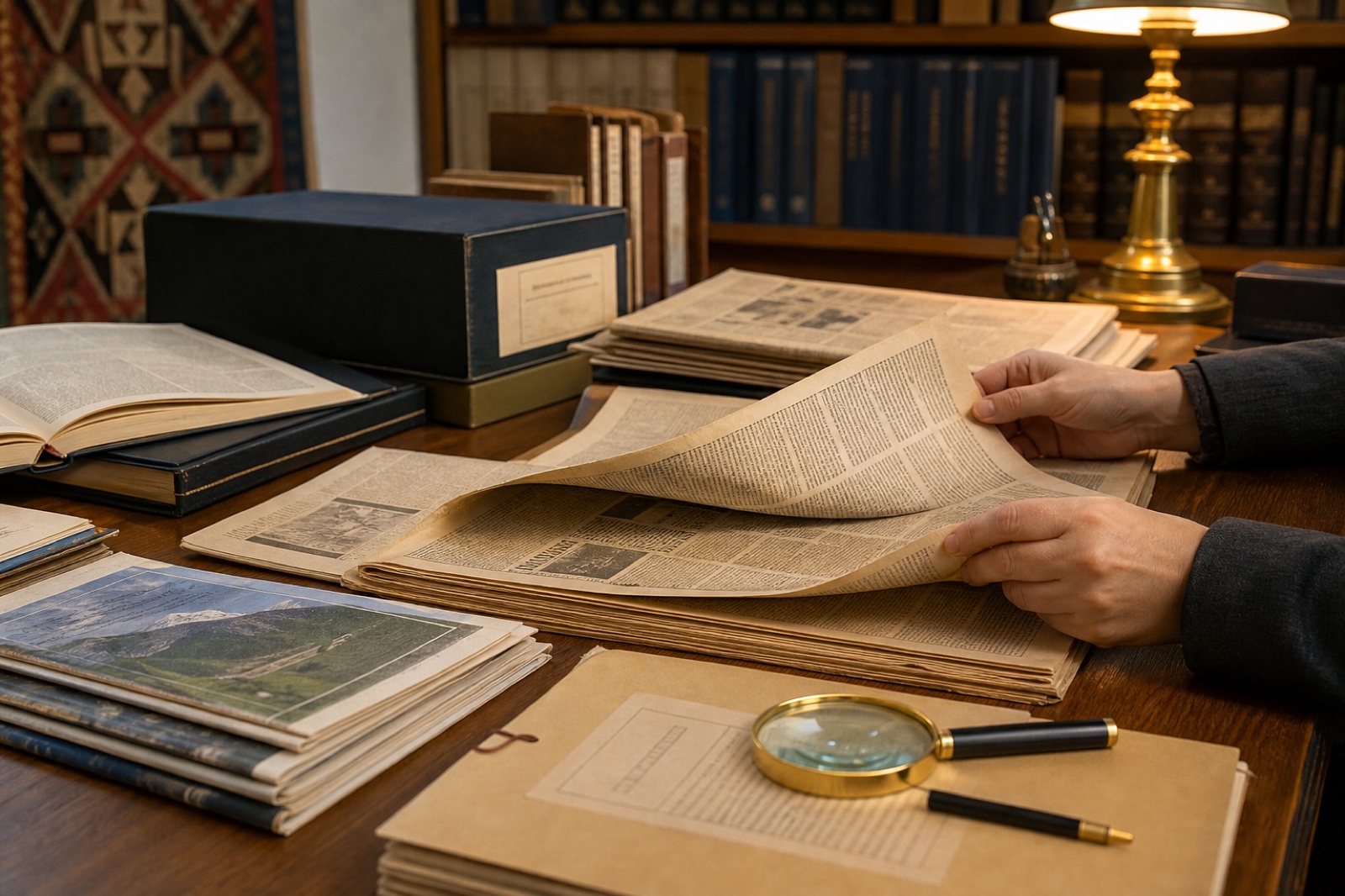
A Museum of the Chechen Republic lecture records work in copper, bronze, lead, iron, steel, gold and silver, using casting, forging, welding and heat treatment. It notes nineteenth-century specialisation and objects including belts, rings, gazyr fittings, breast ornaments, buckles, earrings, bracelets and medallions. Because this is a lecture summary, dating and object names should be checked against collection catalogues whenever possible.
Textiles, istang and dress
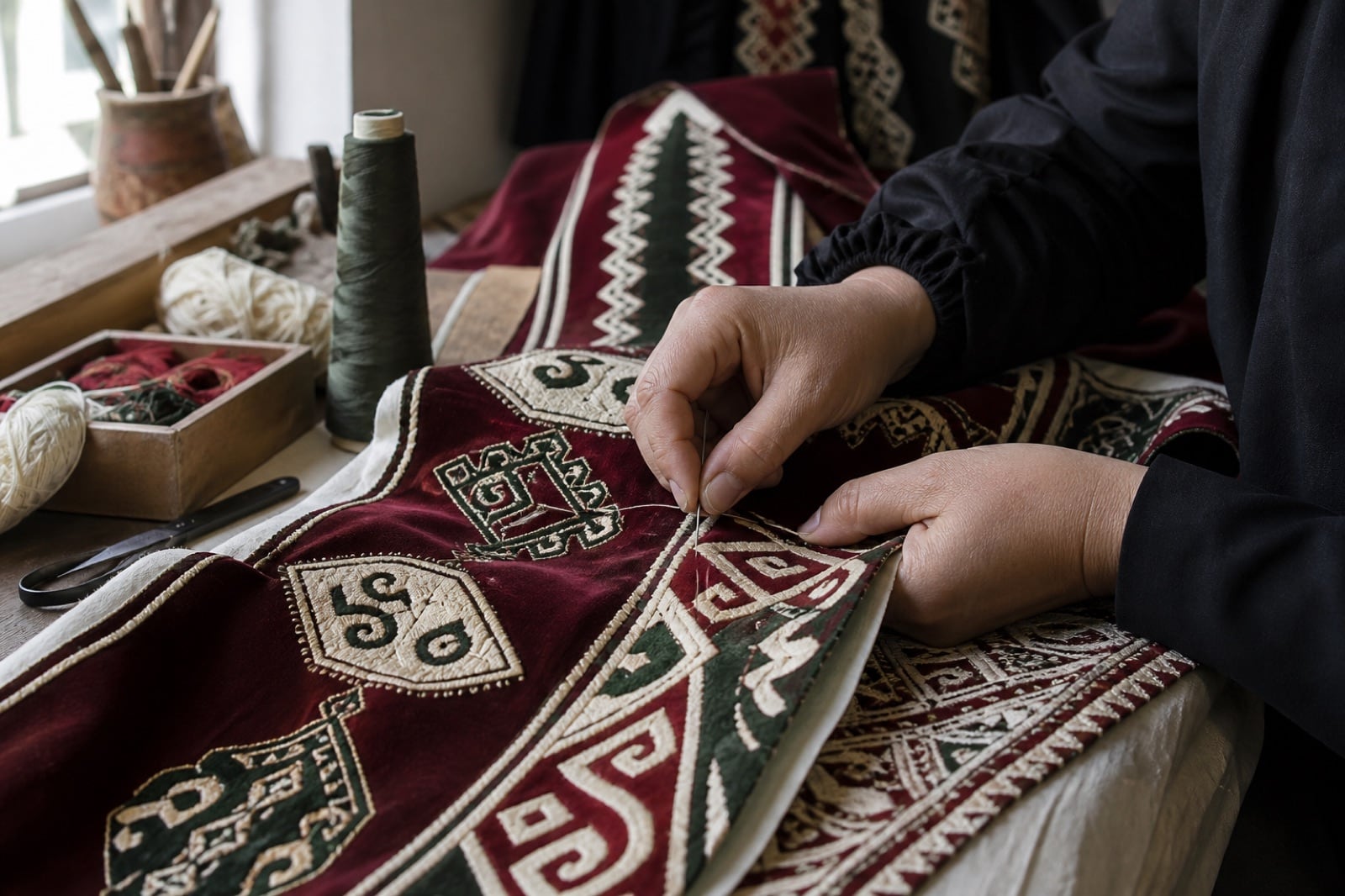
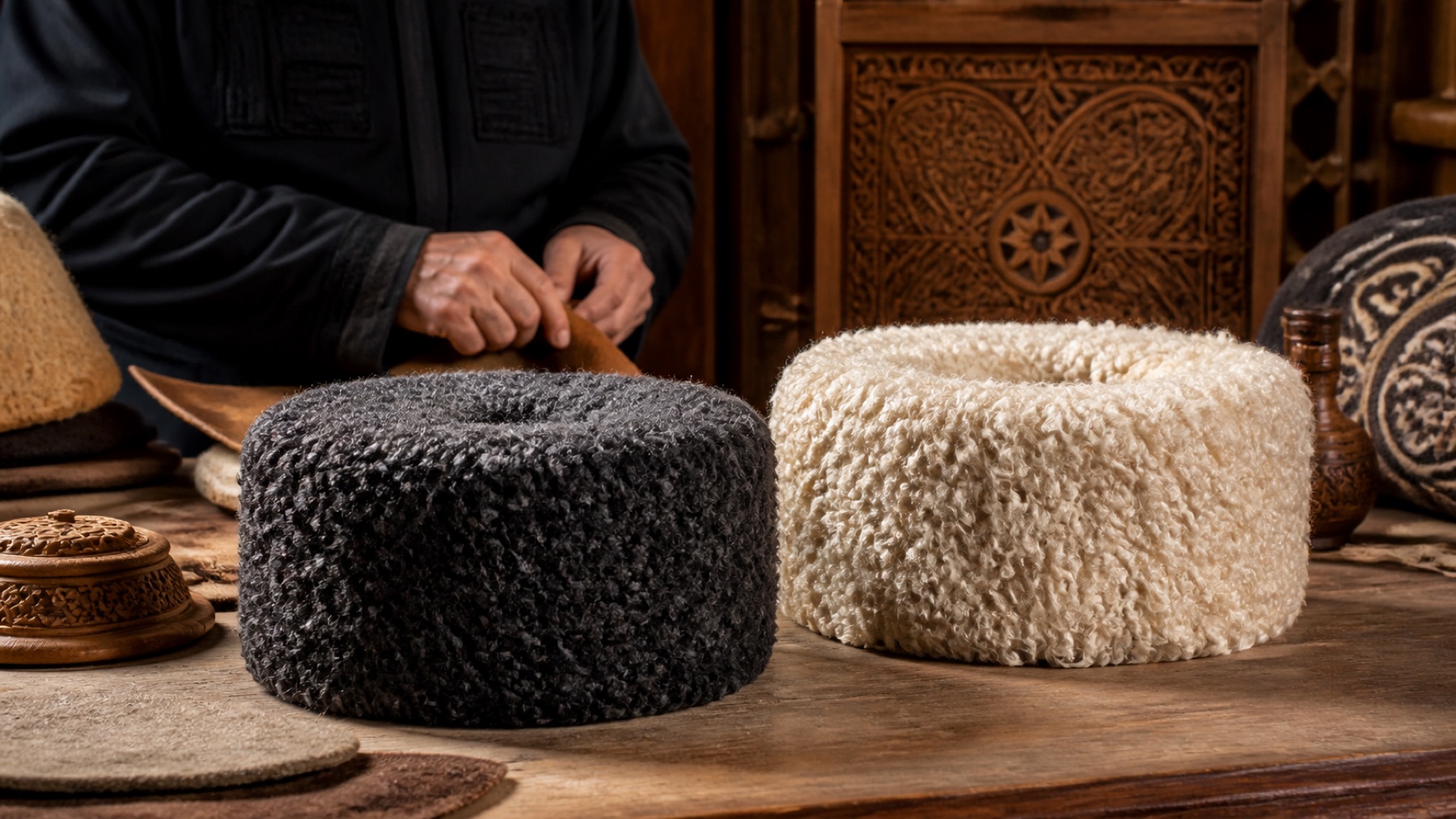
The museum's ethnographic account connects weaving tools with textiles identified as istang. Another exhibition record describes a ceremonial men's ensemble with beshmet, cherkeska, belt, hood, papakha, burka, trousers and leather footwear, and a women's ensemble with g1abali and jewellery. Such lists are not a timeless uniform: town, period, means and occasion change what people wore.
Wood, home and everyday use
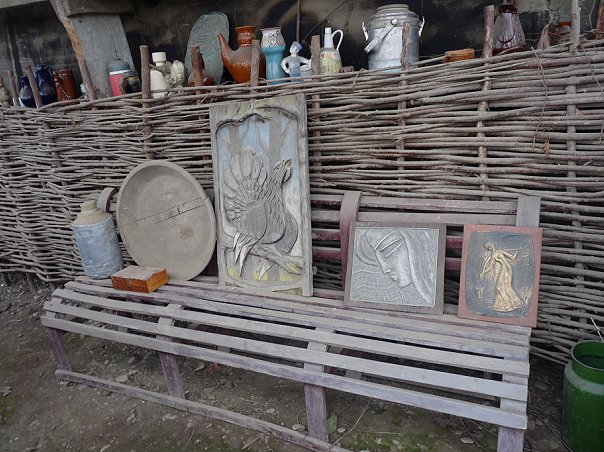
Museum records build the domestic world from tower and courtyard to vessels, tools, textiles and furniture, noting the broad use of wood for household needs. At open-air collections such as Dondi-Yurt in Urus-Martan, an object makes more sense in relation to door, hearth, storage, work and guest space than as an isolated antique. Access and photography conditions should be confirmed directly in advance.
From clay selection to firing
A Culture.ru record supplied by the Museum of the Chechen Republic describes clay selection, preparation, vessel forming, kiln firing and surface treatment as one production chain. That short institutional text does not establish the date or workshop of a particular pot. Publication of a specific object still needs dimensions, findspot, catalogue number, date and restoration history.
At the market, ask for provenance
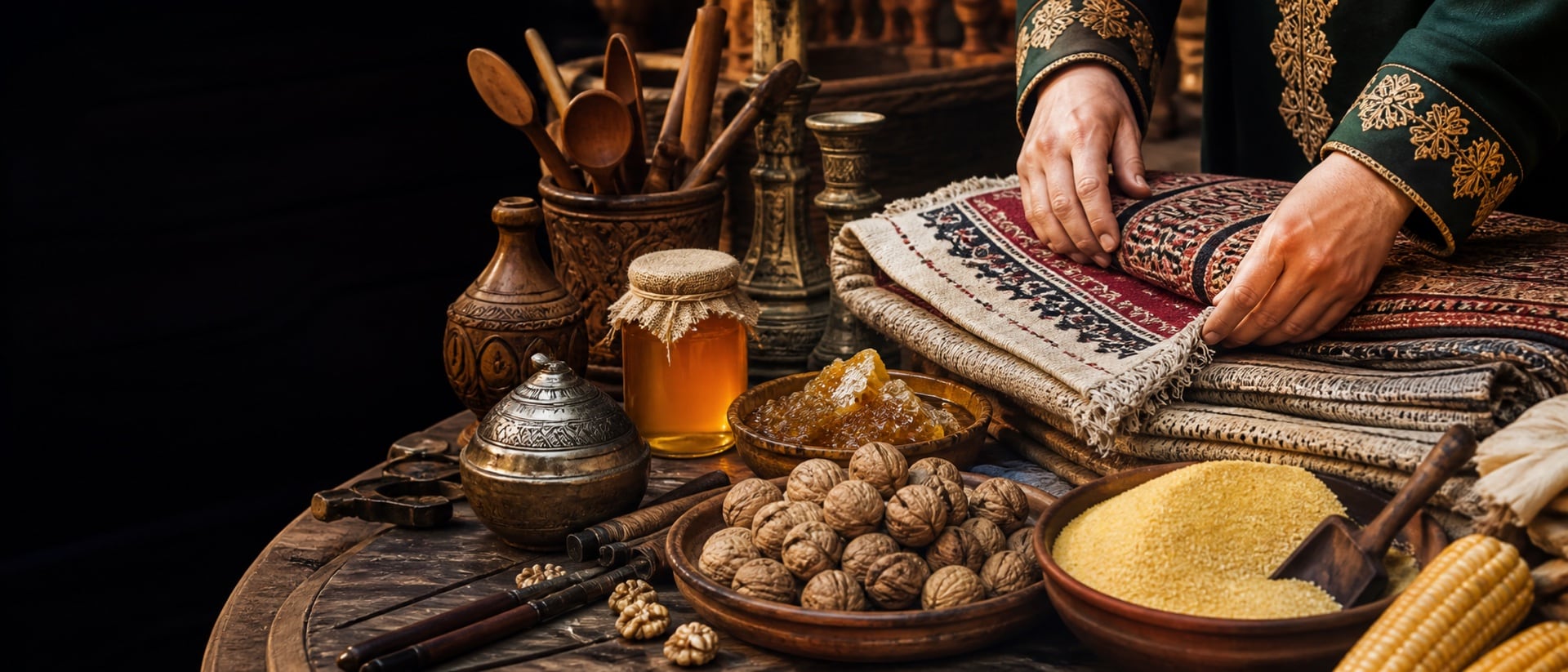
When buying new craftwork, begin with the maker's name, place, material and care instructions. Do not buy an apparently old or archaeological object without documentation; check cultural-property, customs and baggage rules before travel. A factory-made souvenir can be perfectly honest—the problem is presenting a new item as an old family piece.