Why the Nart tradition is not a single book
The Great Russian Encyclopedia describes the Nart world as a body of heroic narratives found among many Caucasian peoples, including Chechens and Ingush, rather than one plot-bound work. A name or episode in an Ossetian, Adyghe or Abkhaz version cannot automatically be assigned to a Chechen telling. Sound editing identifies the community, collection and source language before interpreting a story.
Illi: memory carried through song
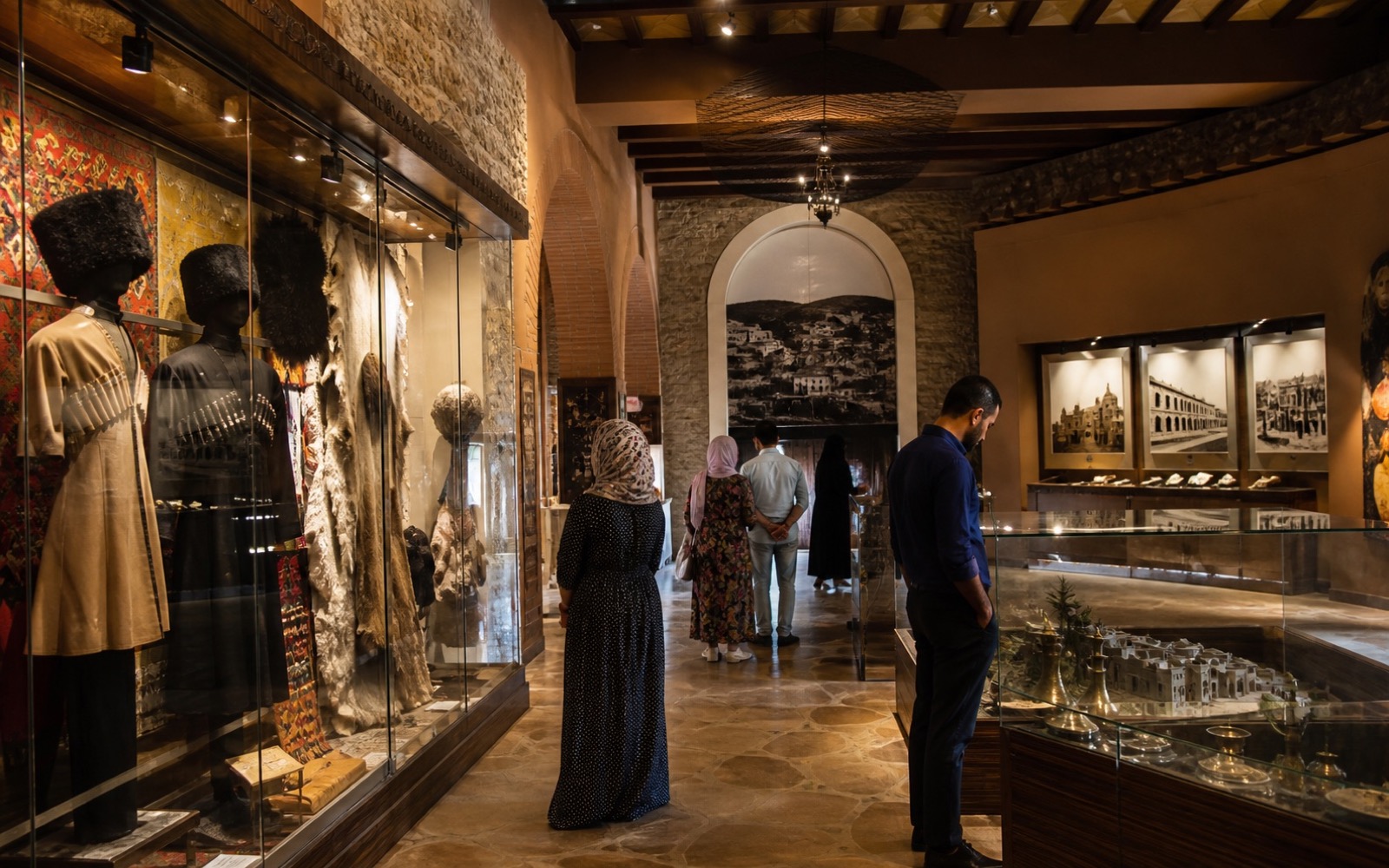
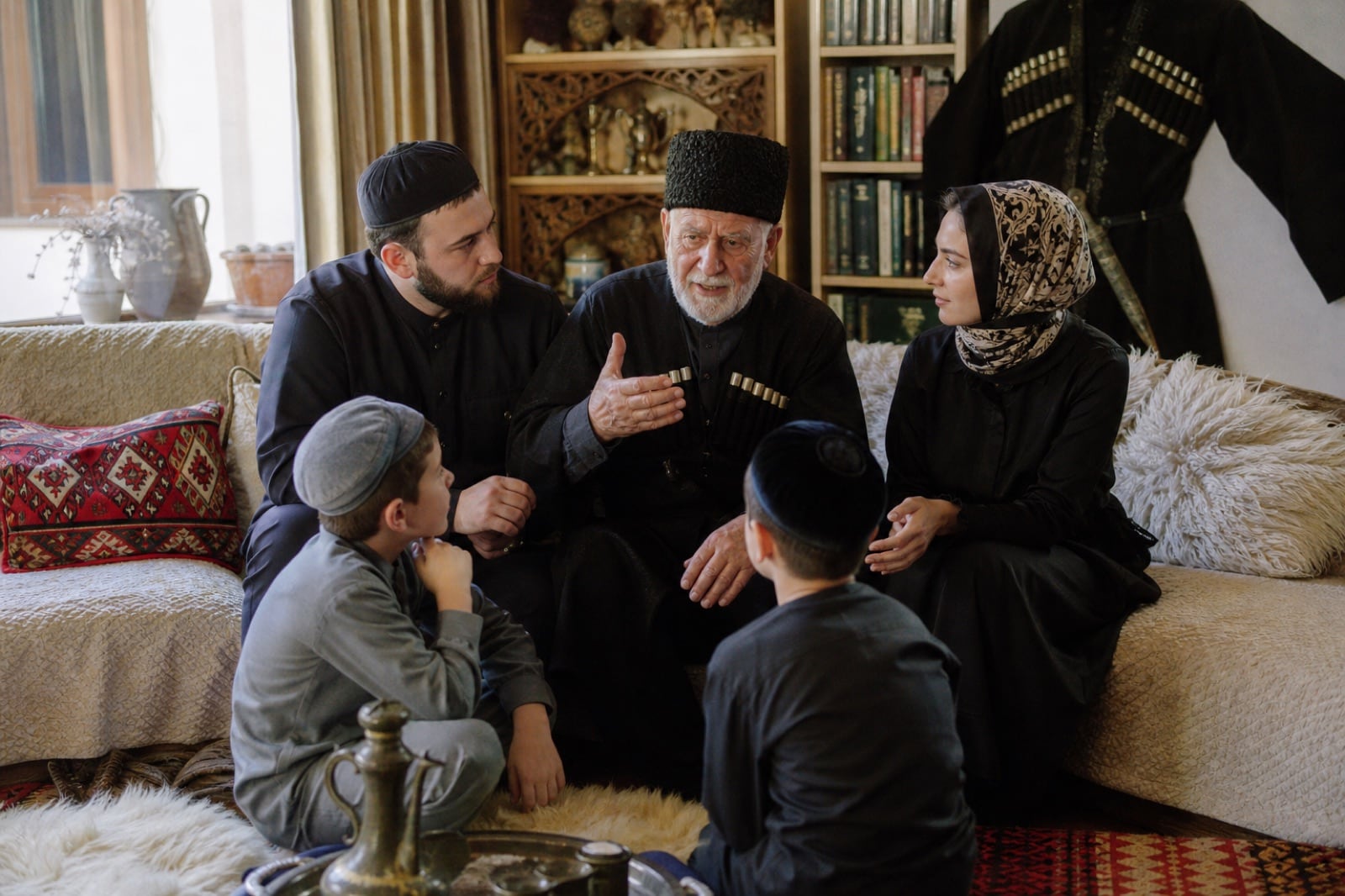
Museum and academic publications in Chechnya describe illi as a vocal genre carrying heroic and historical narrative. Reading an illi as lyrics alone misses the teller, melody, audience, occasion and community of transmission. An anonymous online translation is not treated as an authoritative text without a collection record and traceable original.
Story, music and instrument belong together
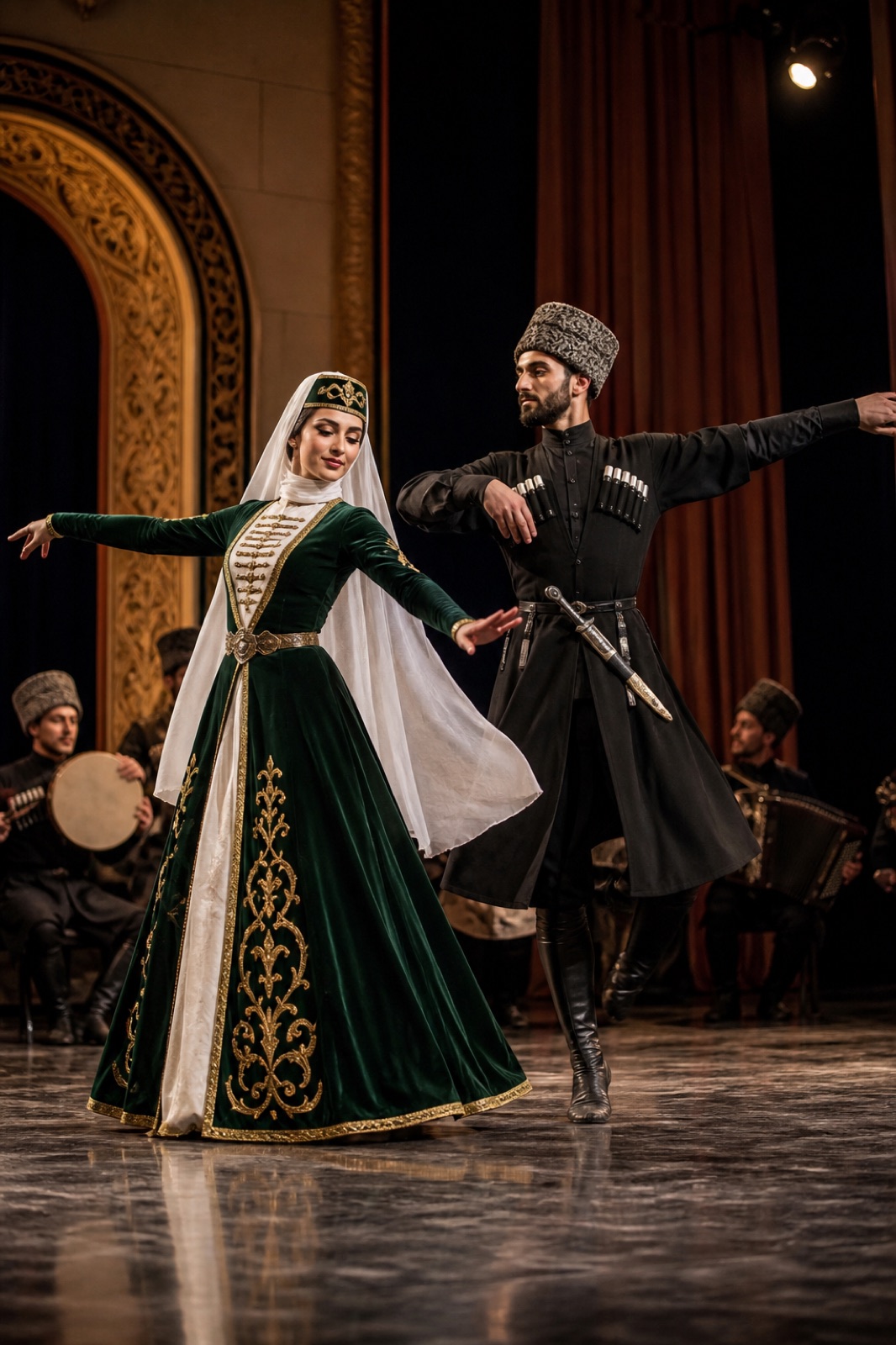
Museum sources distinguish listening pieces, dance music and vocal repertory, while the Great Russian Encyclopedia records string instruments such as the dechig-pondur in the North Caucasian sound world. Latin spellings vary by transliteration system, so the portal does not impose one form as timeless or generate pronunciation without a traceable Chechen or Cyrillic record.
Tyaptar: where oral memory meets writing
The 1993 TDV Encyclopaedia of Islam entry describes tyaptar notebooks recording important events and outlines periods of Arabic, Latin and Cyrillic writing. That dated entry is not used for current population or administrative facts. Its value here is as a historical research lead to be compared with newer catalogues and specialist studies.
Translation, variants and what gets lost
The same narrative changes rhythm and emphasis in prose, song and staged adaptation. Kinship terms, forms of address, place names and concepts of dignity may not fit one English word. A careful edition separates original spelling, transliteration, literal sense and contextual translation—and leaves uncertainty visible rather than hiding it behind elegant prose.
How the tradition travels with the diaspora
The Great Russian Encyclopedia notes that Nart narratives continued among Caucasian-descended communities in Turkey, Syria and Jordan after late nineteenth-century migrations. A family account in the diaspora should not be generalised to all Chechens: keep the teller's family, settlement, language and recording date attached to it so oral history retains both warmth and research value.