Read as a living and varied social frame.
CULTURE AND LIFE
Discover Chechen culture
Explore Nohchalla, hospitality, daily life, arts and architecture with care.
Find the right answer quickly
Chechen culture cannot be reduced to one costume, dance or etiquette rule. Nokhchalla is an important ethical and social frame, but it does not mean every person, household or generation acts identically. These dossiers treat living practice, museum objects, language records and diaspora memory as different kinds of evidence. Vainakh describes a shared Chechen–Ingush heritage without replacing distinct contemporary identities. For weddings, private homes and portraits, permission to photograph and permission to publish are separate questions.
02 · QUICK FACTS
Chechnya at a glance
Source and context review: 28 August 2026Page checked: 28.08.2026
CULTURE READING MAP
Four evidence layers, not one folklore showcase
Living practice, museum objects, language records and diaspora memory require different verification methods.
- LIVING ETIQUETTE
Nohchalla, hospitality, weddings
Do not confuse an ideal account with daily practice; context and self-description matter.
1 - MATERIAL HERITAGE
Towers, dress, crafts
Record an object's date, material, collection and image licence separately.
23 - LANGUAGE AND WORD
Chechen, narrative, proverb
Keep spelling, transliteration, meaning and usage together but in distinct fields.
4 - MIGRATION AND MEMORY
Archive + fieldwork + consent
One record cannot represent an entire diaspora; state place, date, sample and privacy limits.
1
03 · Curated guide collection
Discover Chechen culture
 01
01Who are the Chechens? Nohchi and Vainakh identity
Meet the Chechen people through the self-name Nohchi, the Vainakh language link, North Caucasian geography, everyday culture and diaspora.
Open guide →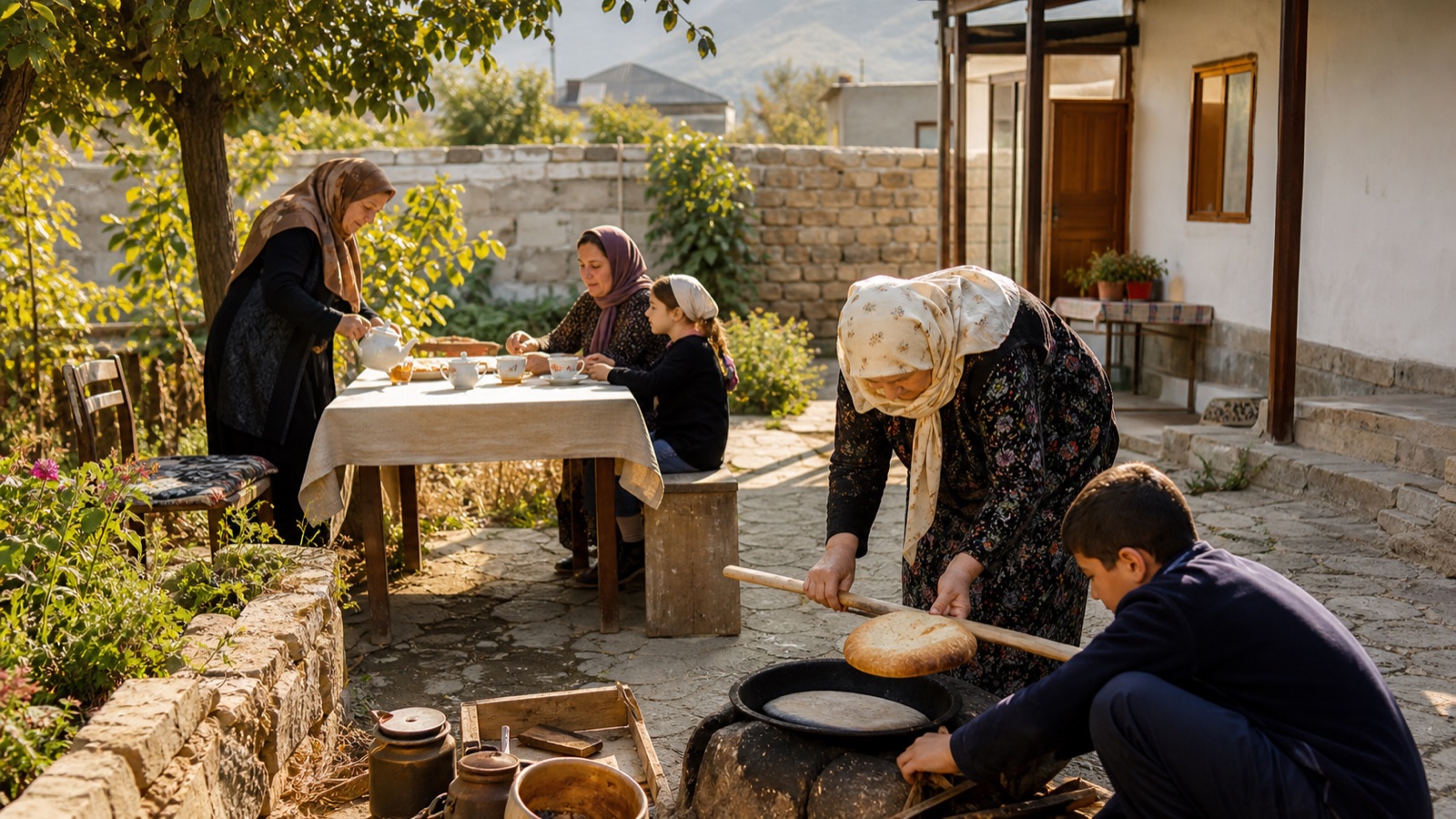 02
02Are Chechens Turkic? Origins, language and historical ties
Why Chechens are not a Turkic people, explained through language family, North Caucasian identity, shared faith, Ottoman-era migration and the Turkish diaspora.
Open guide →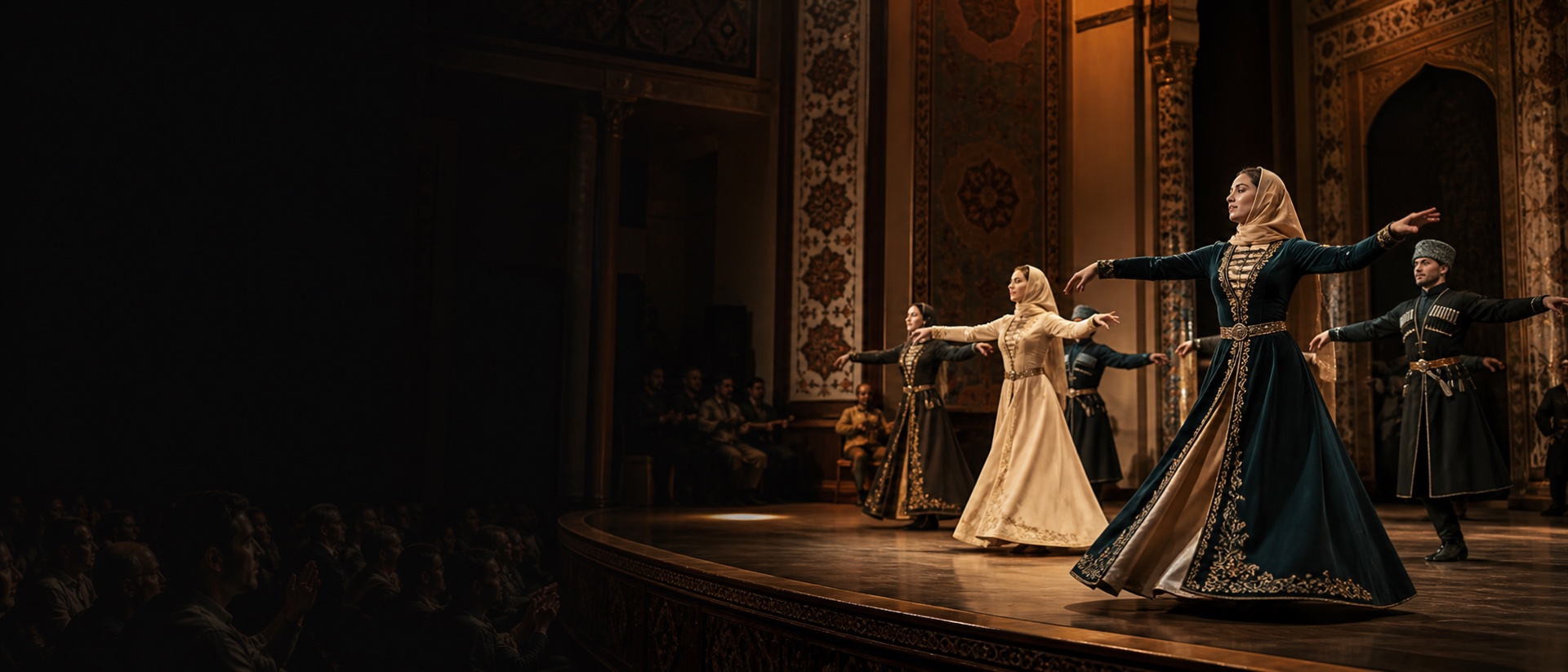 03
03Chechen culture and etiquette
A warm practical guide to hospitality, dress, mosques, photography, dining and public behaviour.
Open guide →04Chechens in Turkey: migration, settlements and heritage
A sourced diaspora dossier on migration to Anatolia, settlements, associations, family memory, language and food.
Open guide →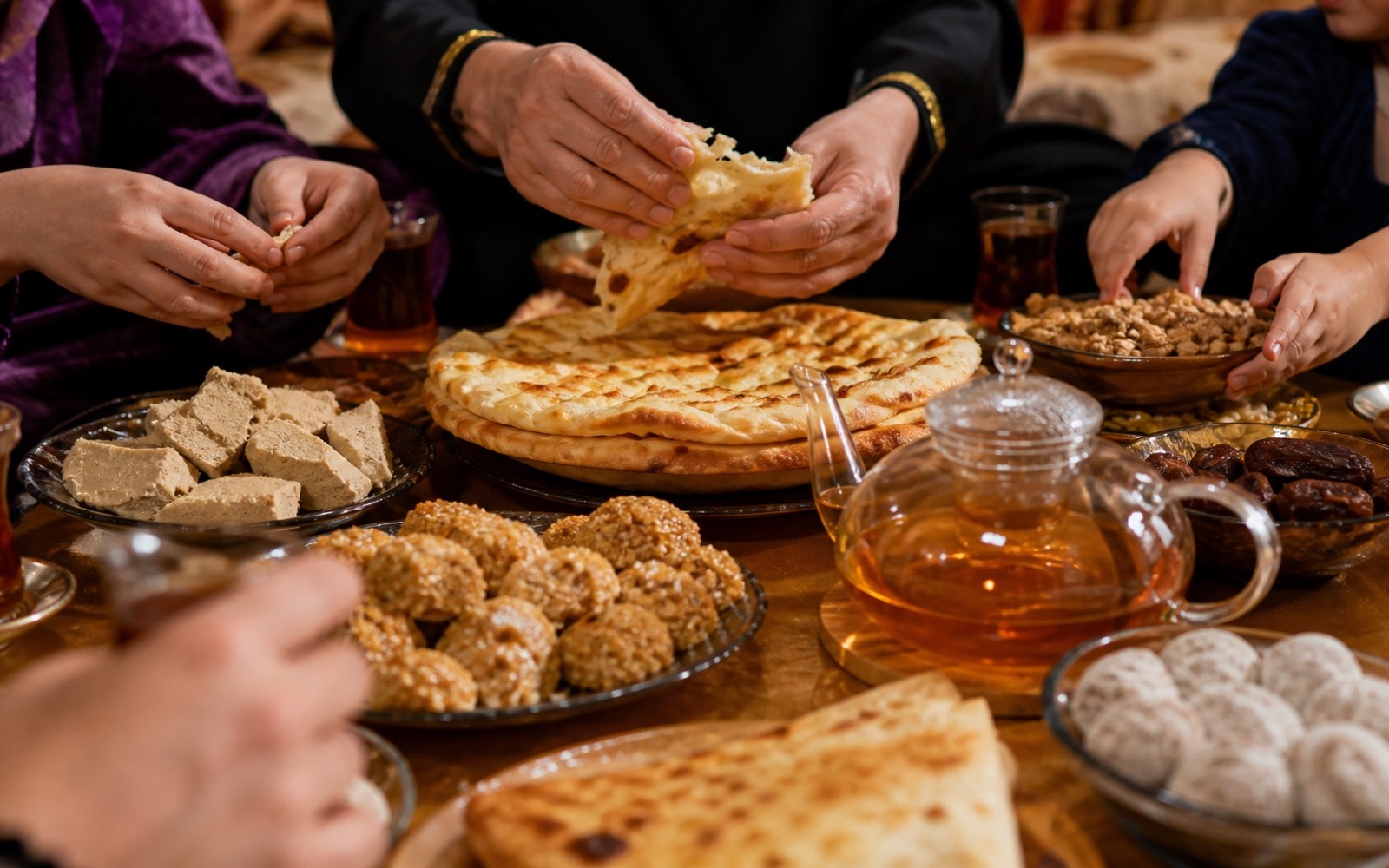 05
05Chechen tea and table culture: a hospitality guide
Understand how tea connects conversation, generous service, seniority and hospitality.
Open guide →06Are Chechens and Circassians the same? Language, geography and identity
Compare two North Caucasian peoples through language families, homelands and diaspora without collapsing their identities.
Open guide →07Chechen and Ingush: Vainakh ties and distinct identities
A guide to closely related languages and shared Vainakh heritage alongside distinct peoples and modern identities.
Open guide →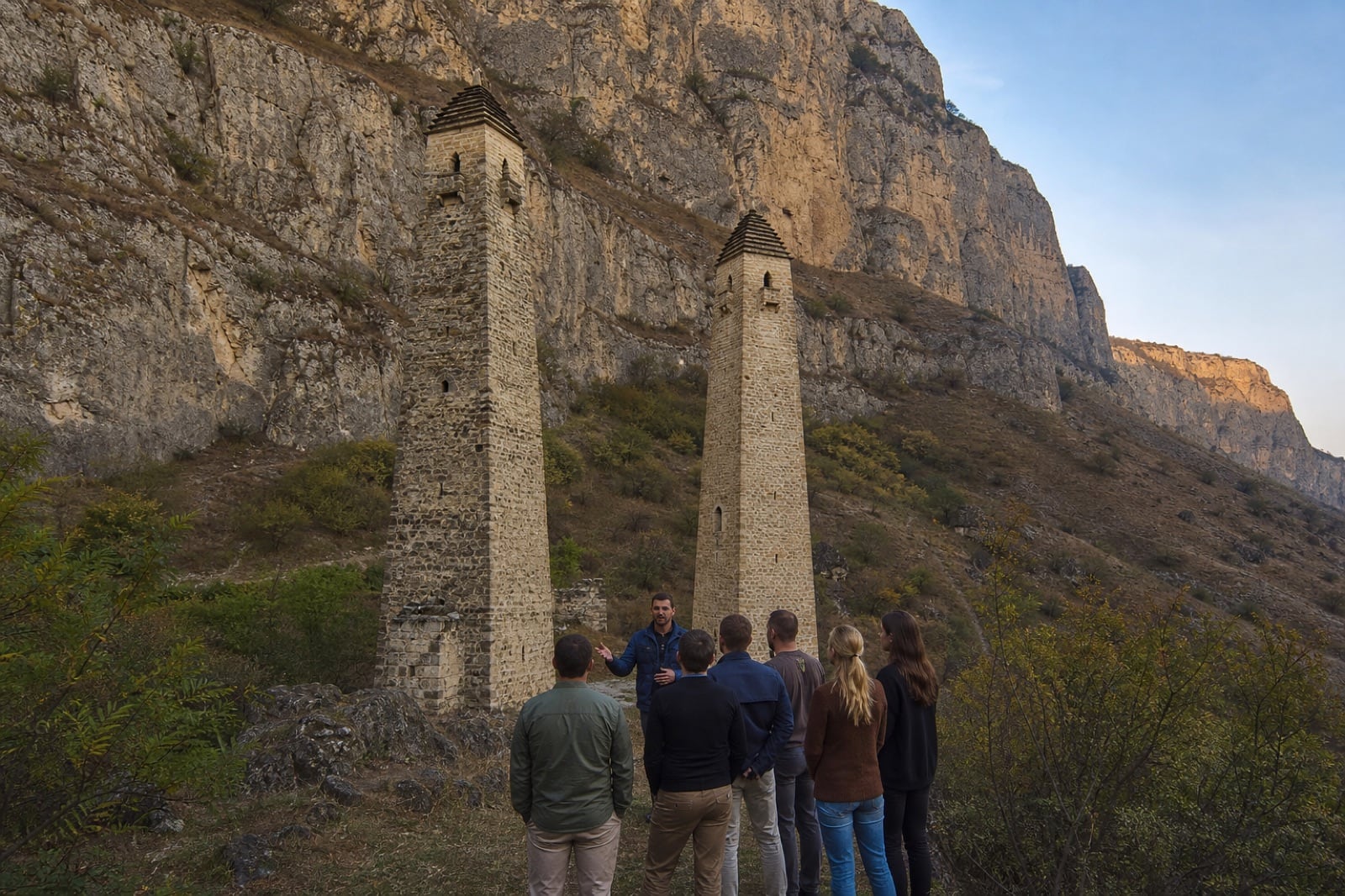 08
08Chechnya's flag: colours, meaning and use
Understand the Chechen Republic flag through colour, ornament and official use without invented symbolism.
Open guide →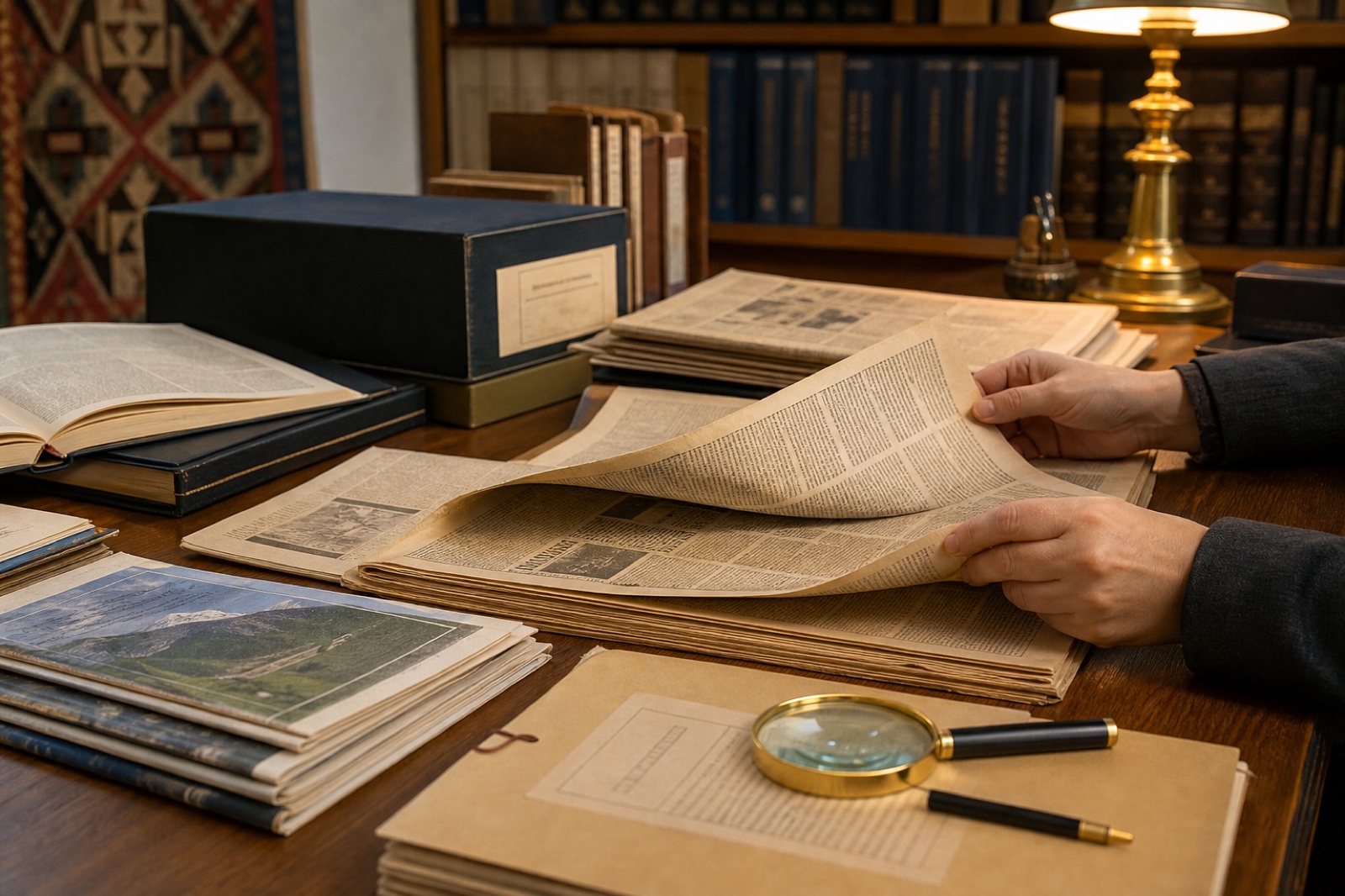 09
09Chechen names and meanings: a careful guide
Explore ten sourced examples of Chechen male names with Cyrillic spelling, meaning, nature and wish-name roots, plus a guide to transliteration.
Open guide →10Chechen settlements in Turkey: research and memory map
Read research on Yozgat, Kayseri and Göksun–Çardak as a sourced diaspora map without claiming one definitive village list.
Open guide →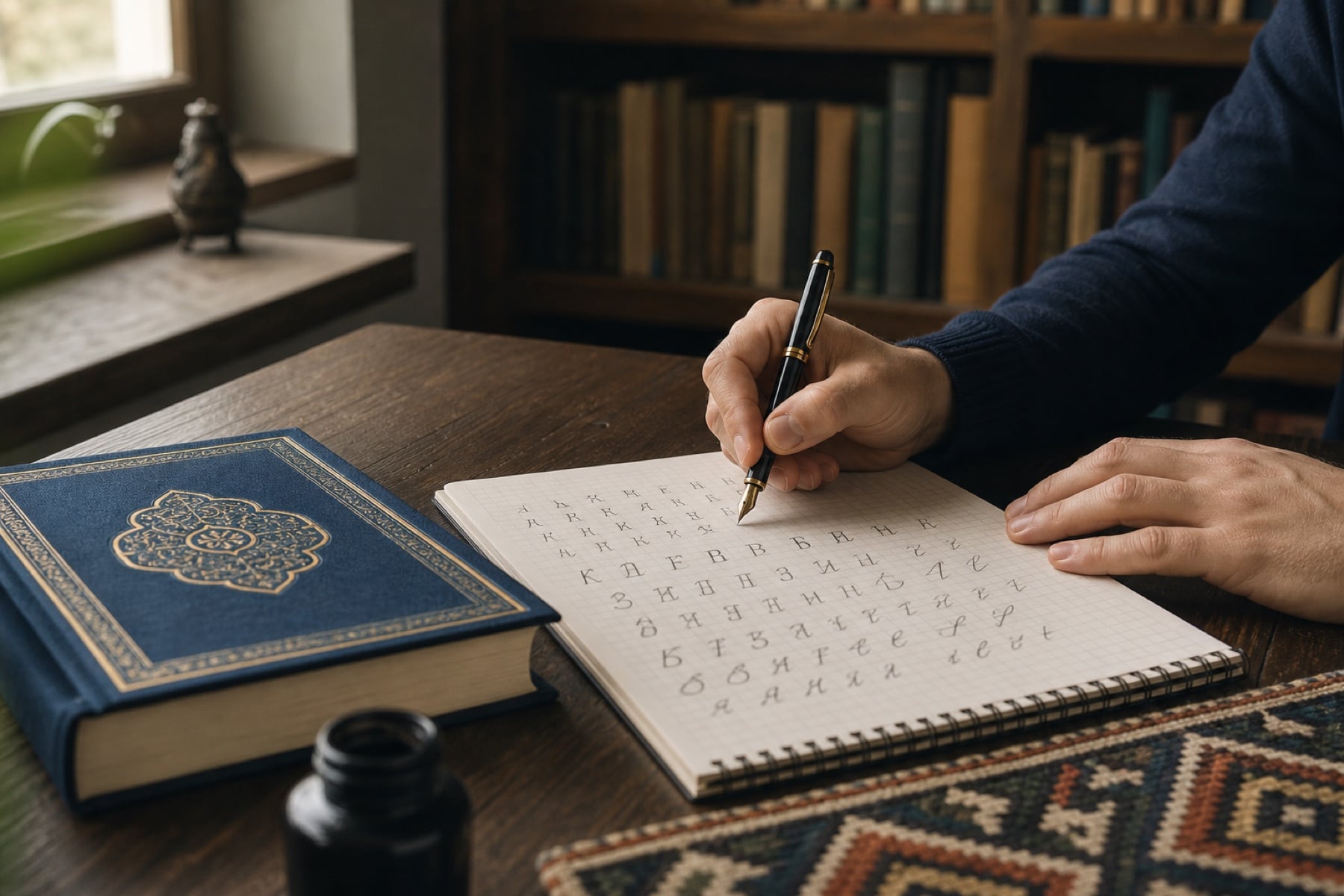 11
11Chechen alphabet and pronunciation: a starter guide
Meet Chechen Cyrillic, Latin transliteration and a careful method for practising pronunciation.
Open guide →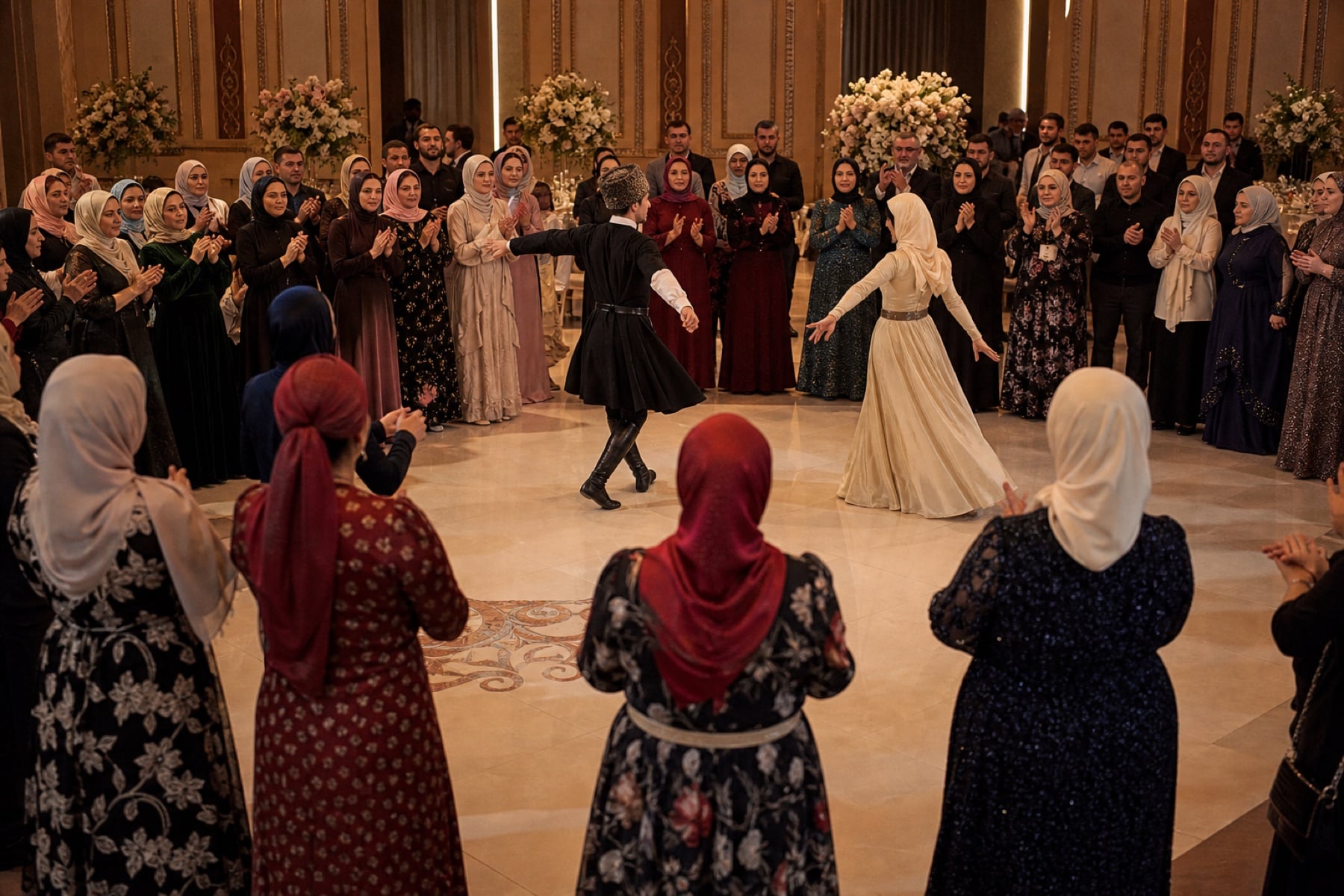 12
12Chechen weddings: music, dance and etiquette
A careful introduction to guest etiquette, dance, music and photography at Chechen weddings.
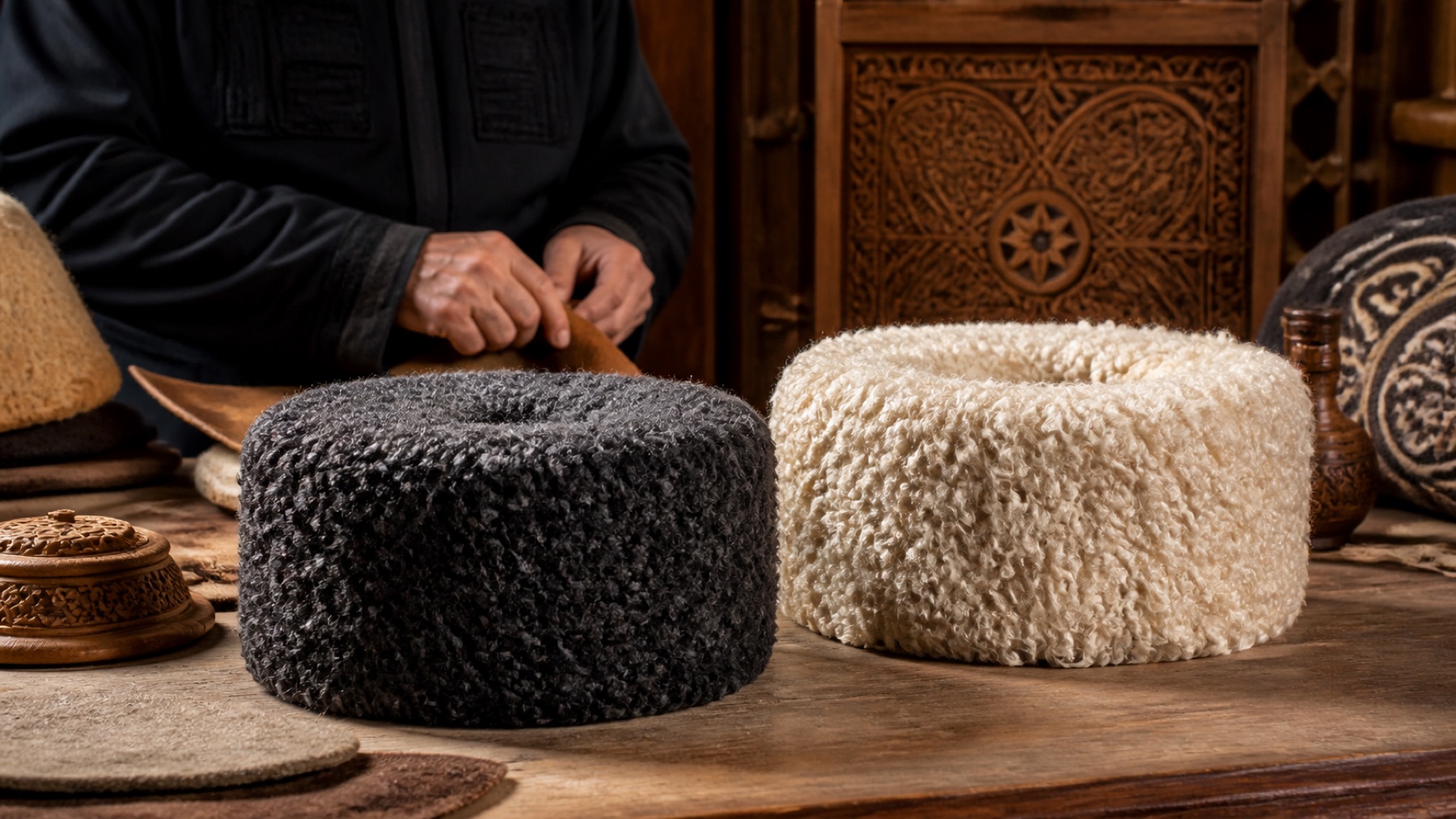
Open guide →13Chechen traditional dress and the papakha
A respectful visual guide to the cherkeska, papakha, women's dress and modern context.
Open guide →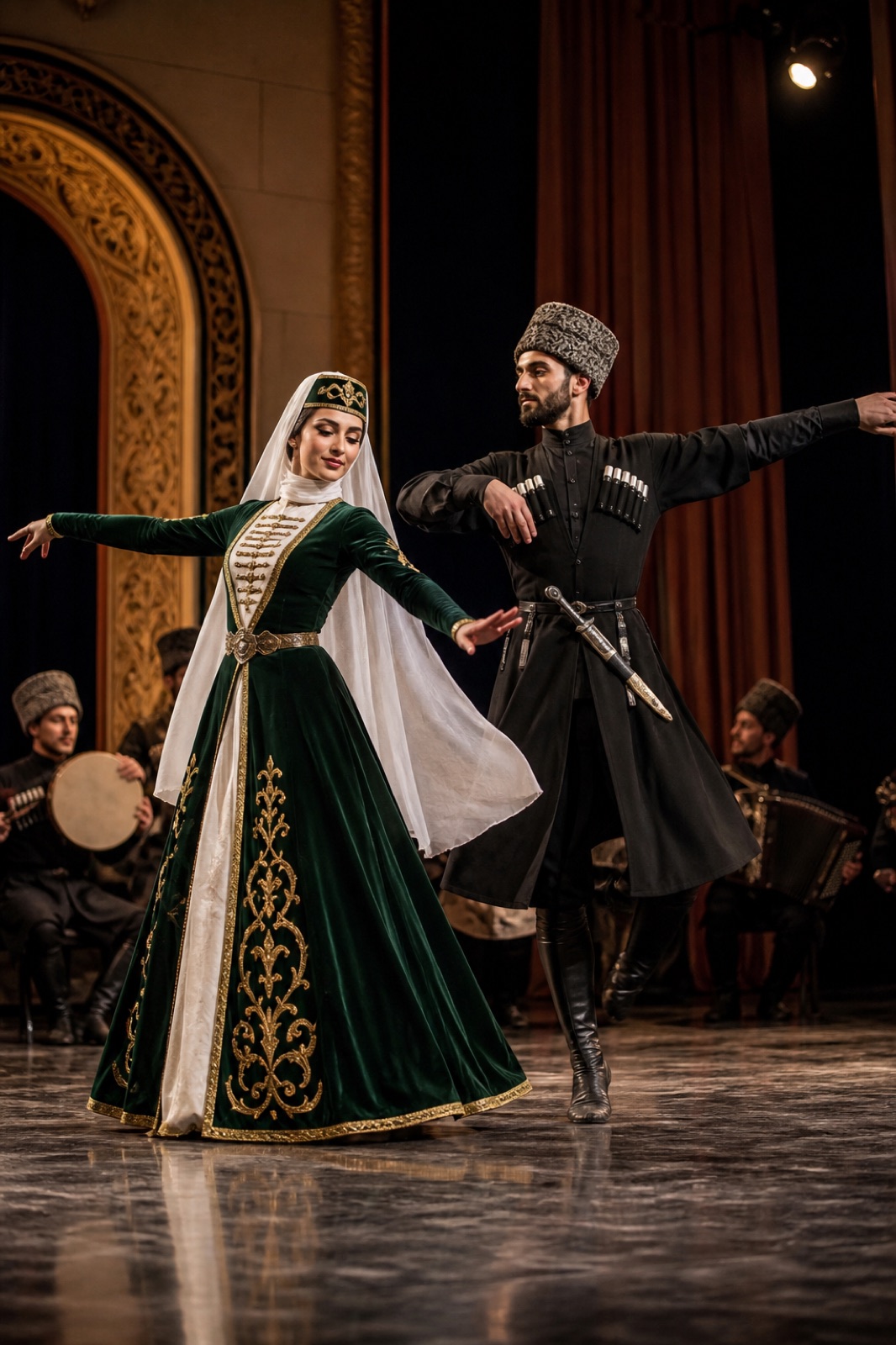 14
14Lezginka, Chechen dance and traditional music
A cultural guide to Caucasian dance across stage, wedding and social settings.
Open guide →15Nokhchalla and Chechen hospitality: a living culture
A careful guide to Nokhchalla through respect, responsibility, hospitality and generational variation.
Open guide →16Chechen oral culture: Nart narratives, illi and tyaptar
A source-led guide to Nart narratives, heroic illi songs, written memory books and performance traditions without flattening regional variants.
Open guide →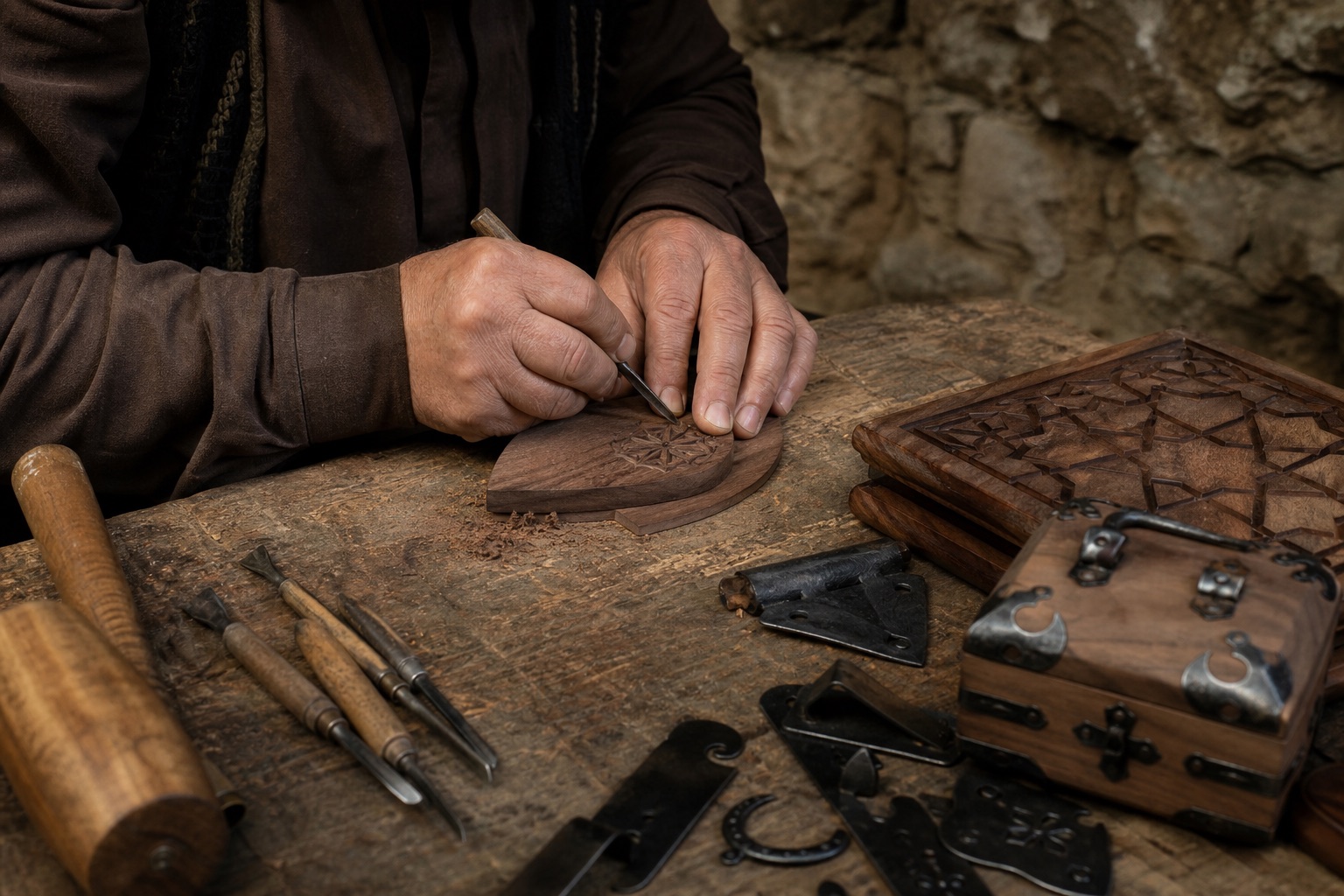 17
17Chechen crafts: metalwork, textiles, wood and ceramics
Read jewellery, belts, istang textiles, wooden household objects, ceramics and traditional dress through museum and institutional records.
Open guide →18Chechen migration and settlement in Ottoman archival records
A source-led guide to households, persons, dispatch, temporary placement, petitions and settlement without combining unlike records.
Open guide →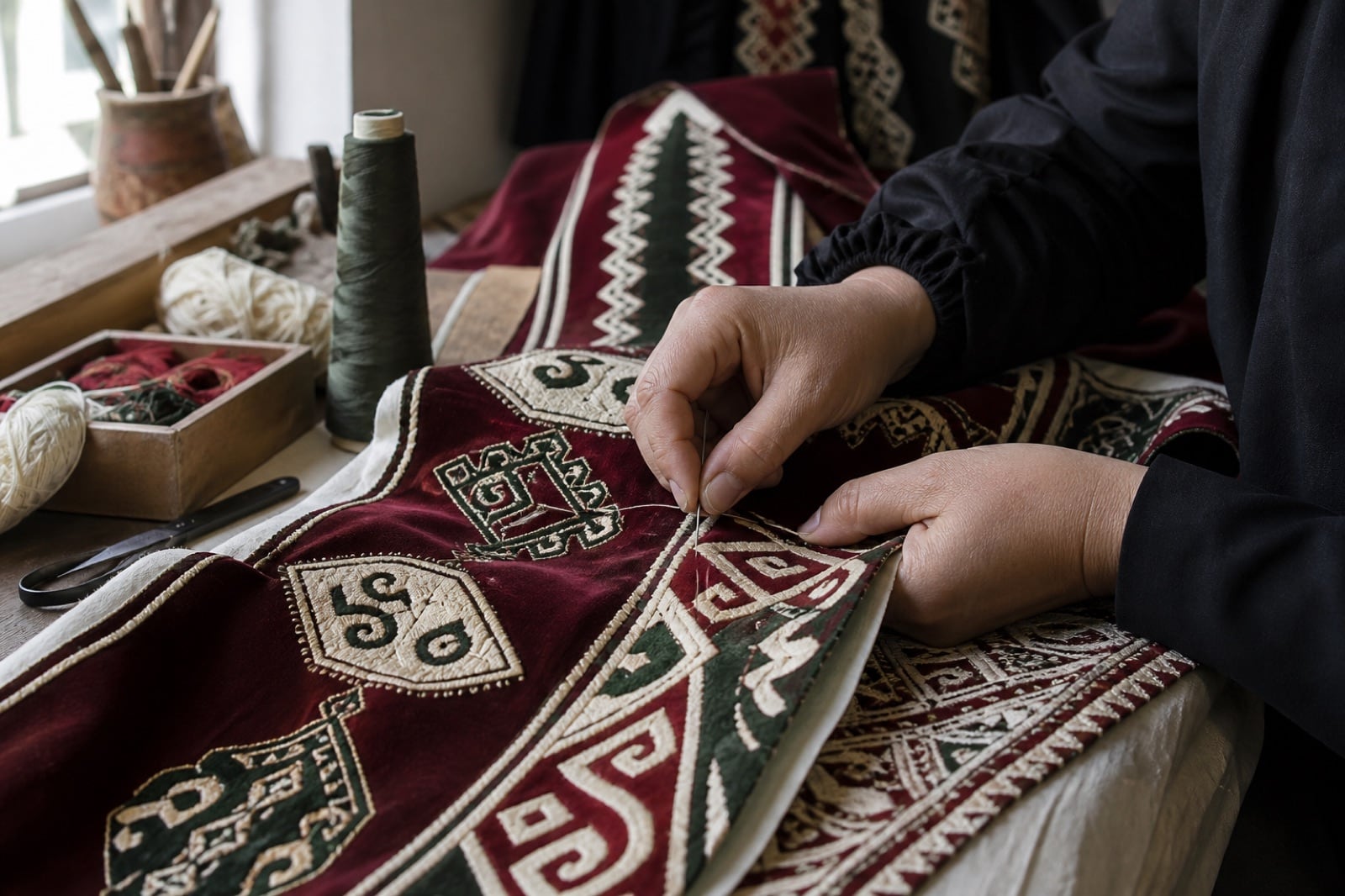 19
19Chechen fashion and contemporary design
Explore Chechen fashion from traditional silhouettes to new design studios, with its textiles, craft and cultural context.
Open guide →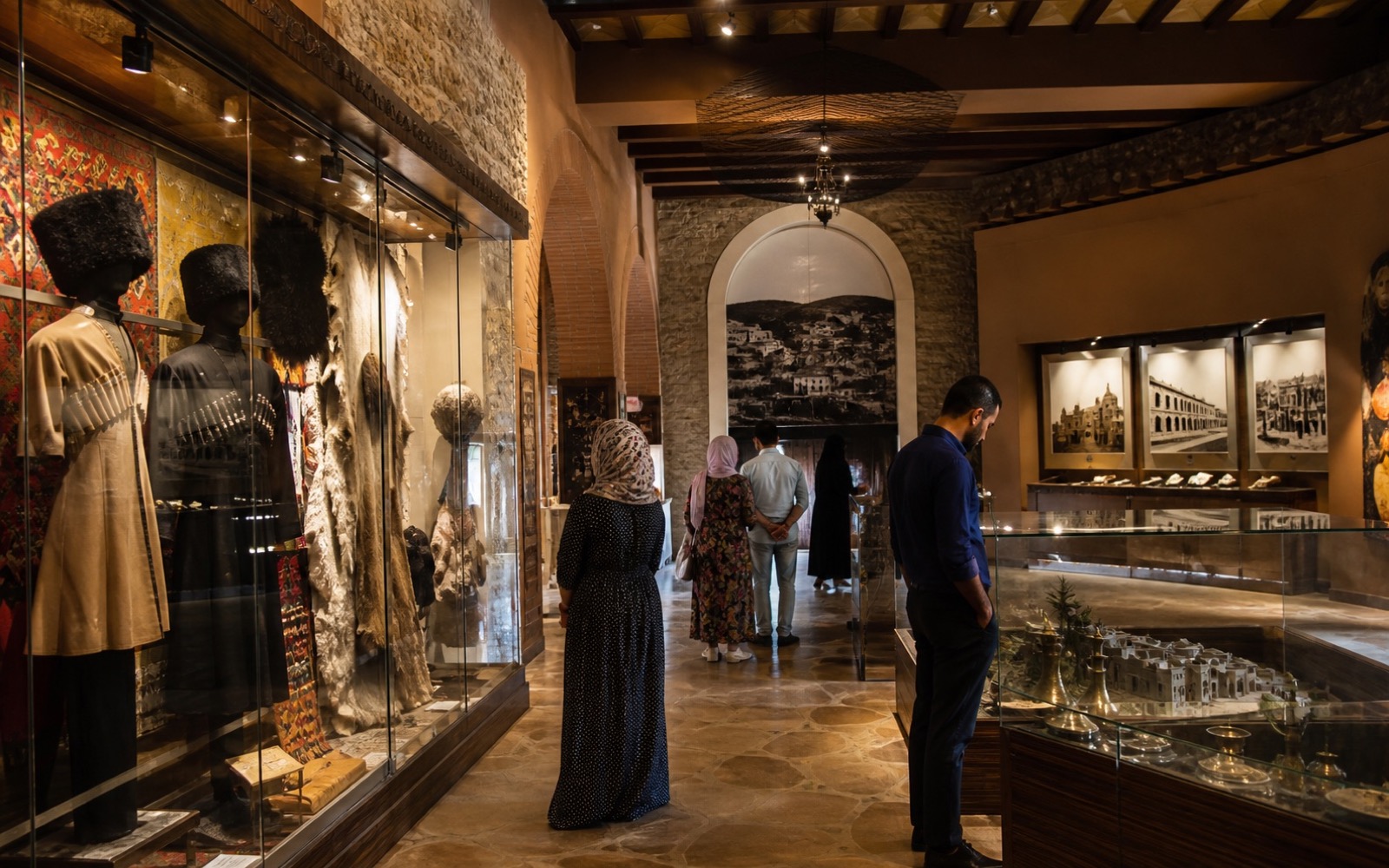 20
20Chechen visual arts: painting, sculpture and new work
A visual guide to Chechen painting, sculpture, photography and applied art, from museum collections to contemporary artists.
Open guide → 21
21Chechen cinema and films: history, new voices and viewing guide
A guide to the institutions, short-film production, emerging filmmakers and viewing contexts of Chechen cinema.
Open guide →22Chechen theatre and performing arts
A guide from the Khanpasha Nuradilov Theatre to contemporary performance: plays, acting, language, music and audience culture.
Open guide →0102Oral culture and Nart narratives
Illi, tyaptar, narrative variants and a careful source method.
Open guide →03Crafts and material culture
Read metal, textiles, wood and ceramics through museum records.
Open guide →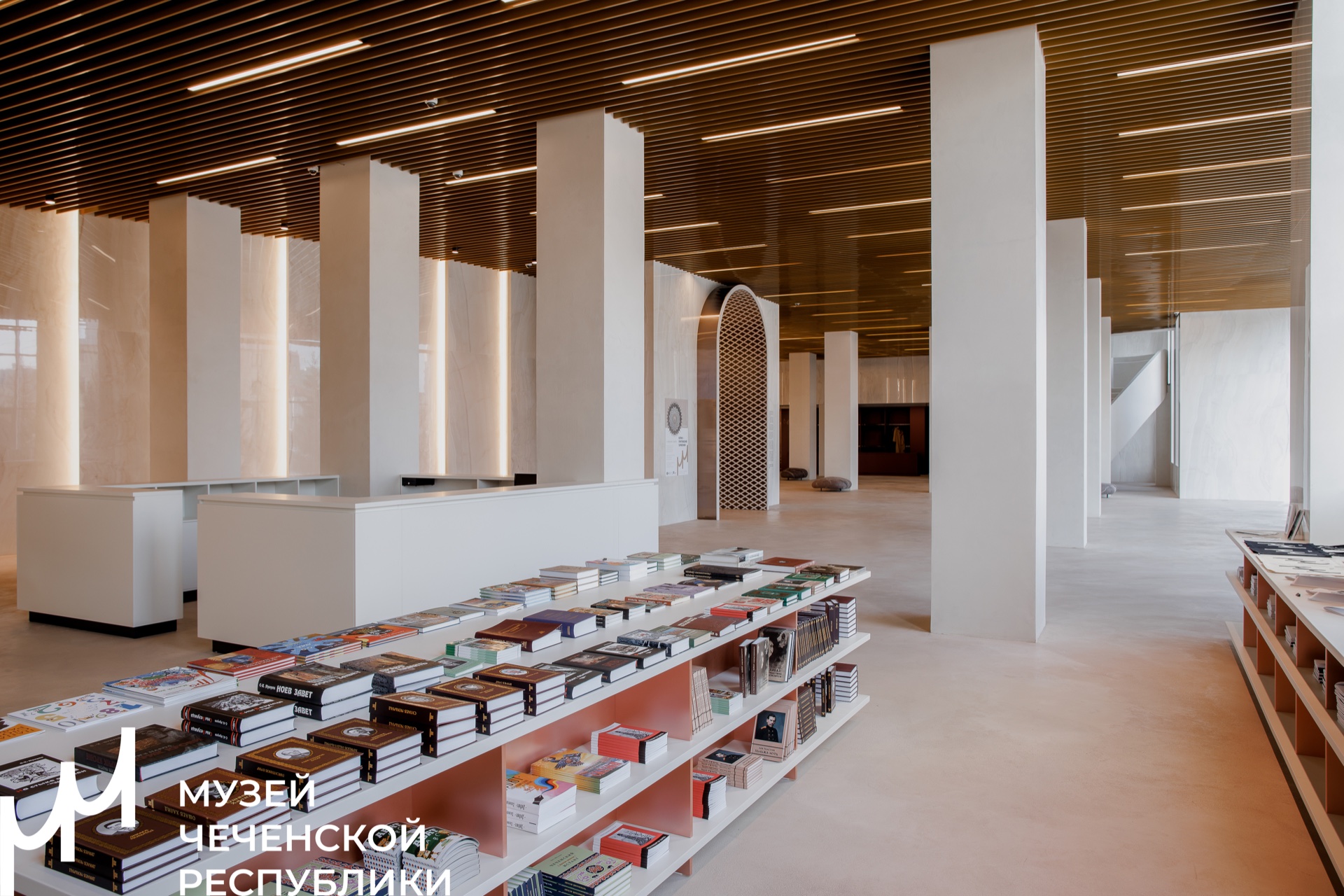 04
04Migration and settlement in Ottoman records
Read households, people, petitions, temporary placement and outcomes as distinct fields.
Open guide →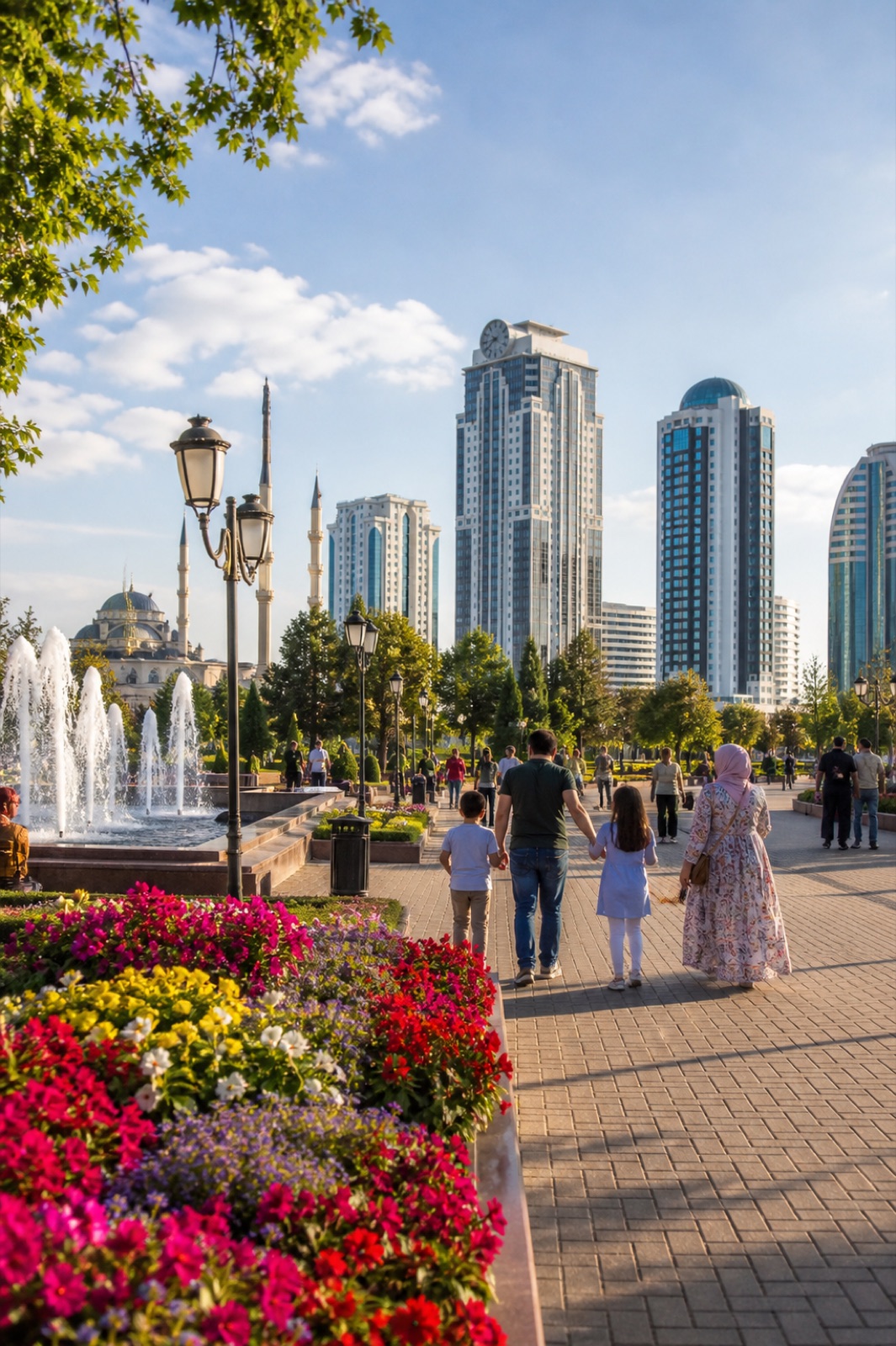 0506
0506COMMON QUESTIONS
The most common questions about Chechnya
01What is Nokhchalla?+
Nokhchalla is a broad Chechen ethical concept concerning dignity, responsibility, restraint, hospitality and social relations. It is better understood as a living frame interpreted through time and context than as a rigid code applied identically to everyone.
02What does Vainakh mean?+
Vainakh is an umbrella term for the close relationship between Chechen and Ingush languages and cultures. It does not replace the names Chechen and Ingush; shared heritage and distinct contemporary identities should be stated together.
03May I photograph a cultural event?+
Ask the venue and organiser first, then seek separate consent for close portraits, children, families or private ritual. Permission to take an image is not permission to publish it online.