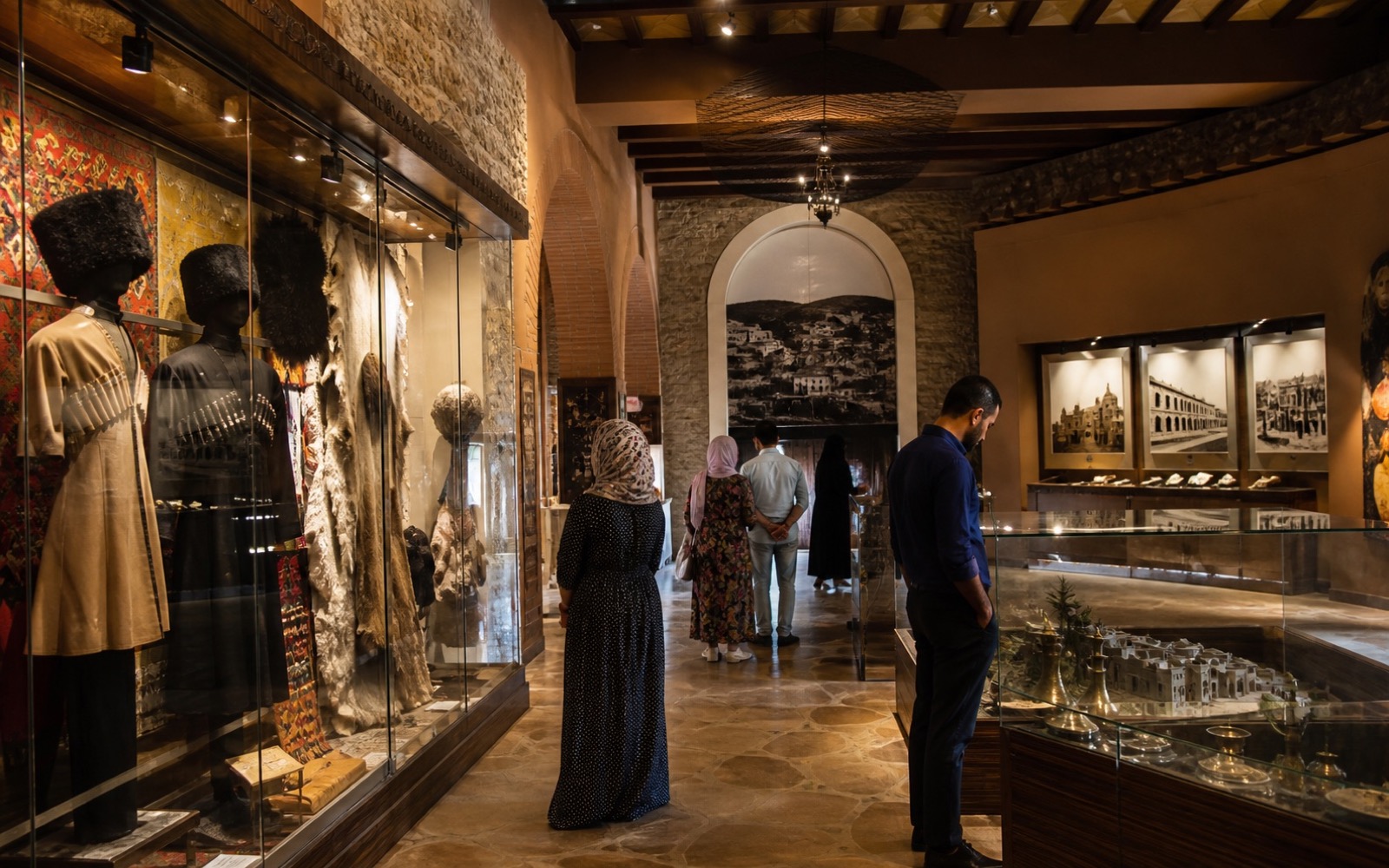
Migration and settlement memory
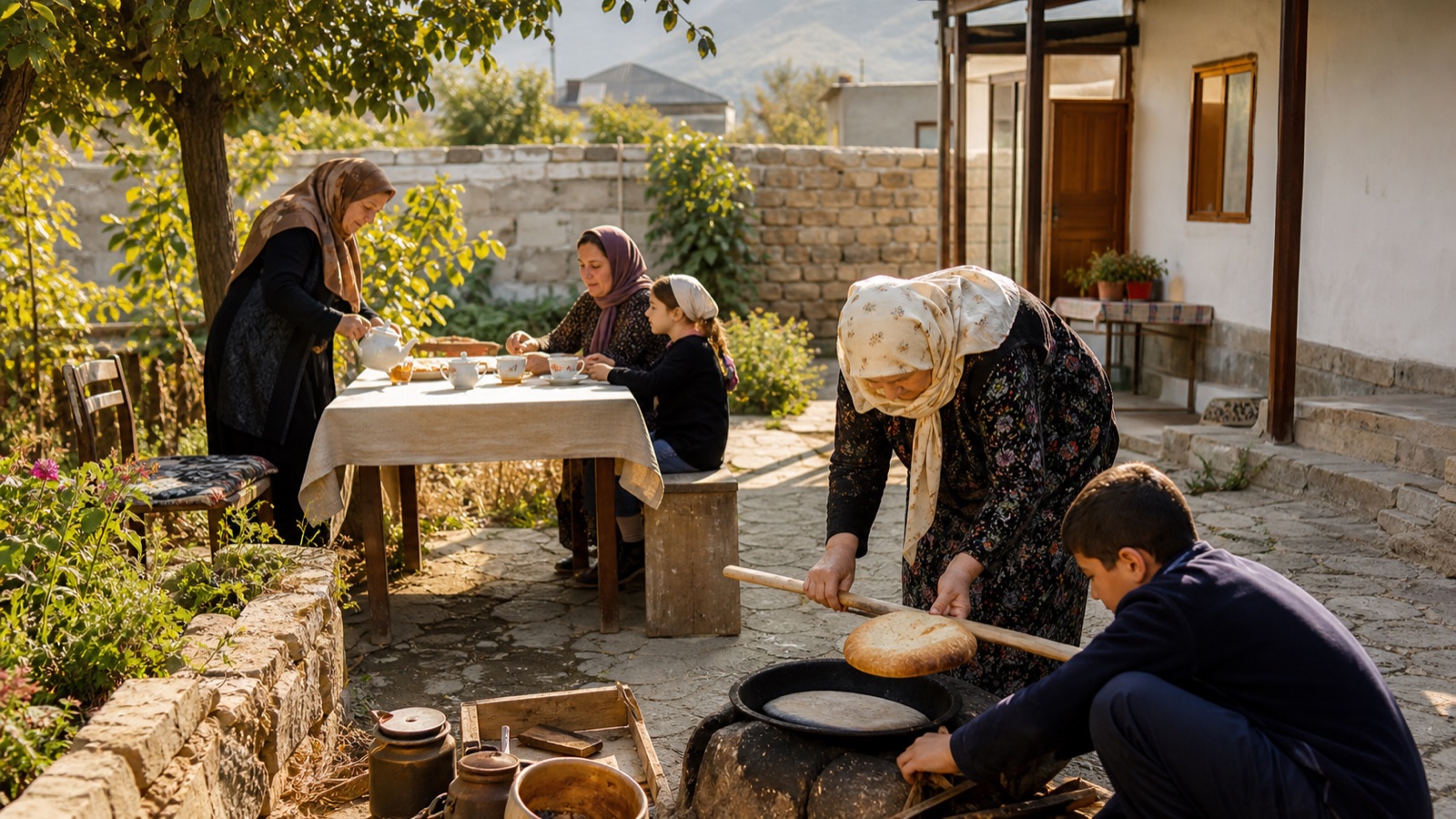
Village names, family narratives, cemeteries, weddings and family archives preserve migration memory. Each settlement needs local records and oral history together.
Cultural transmission
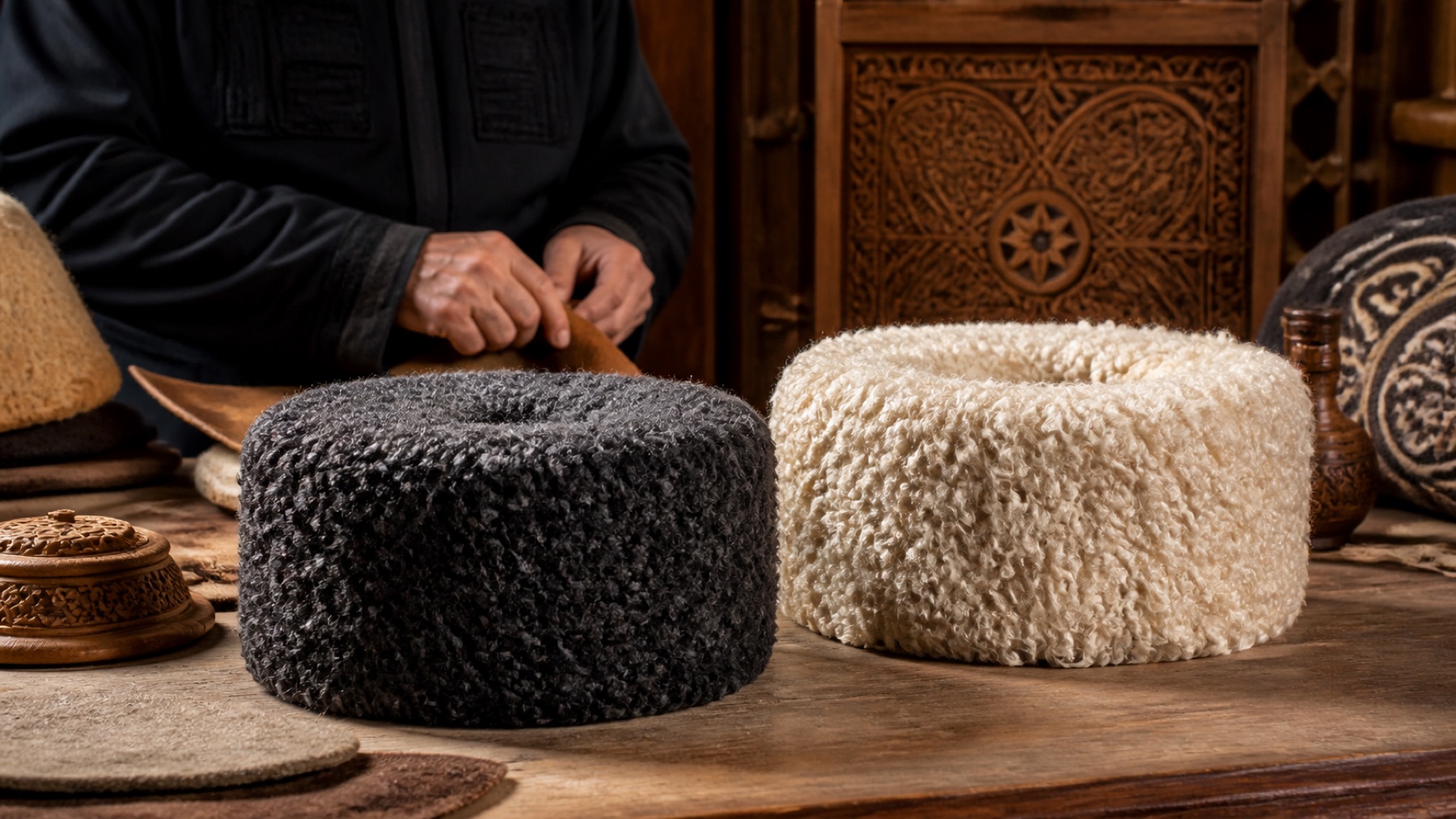
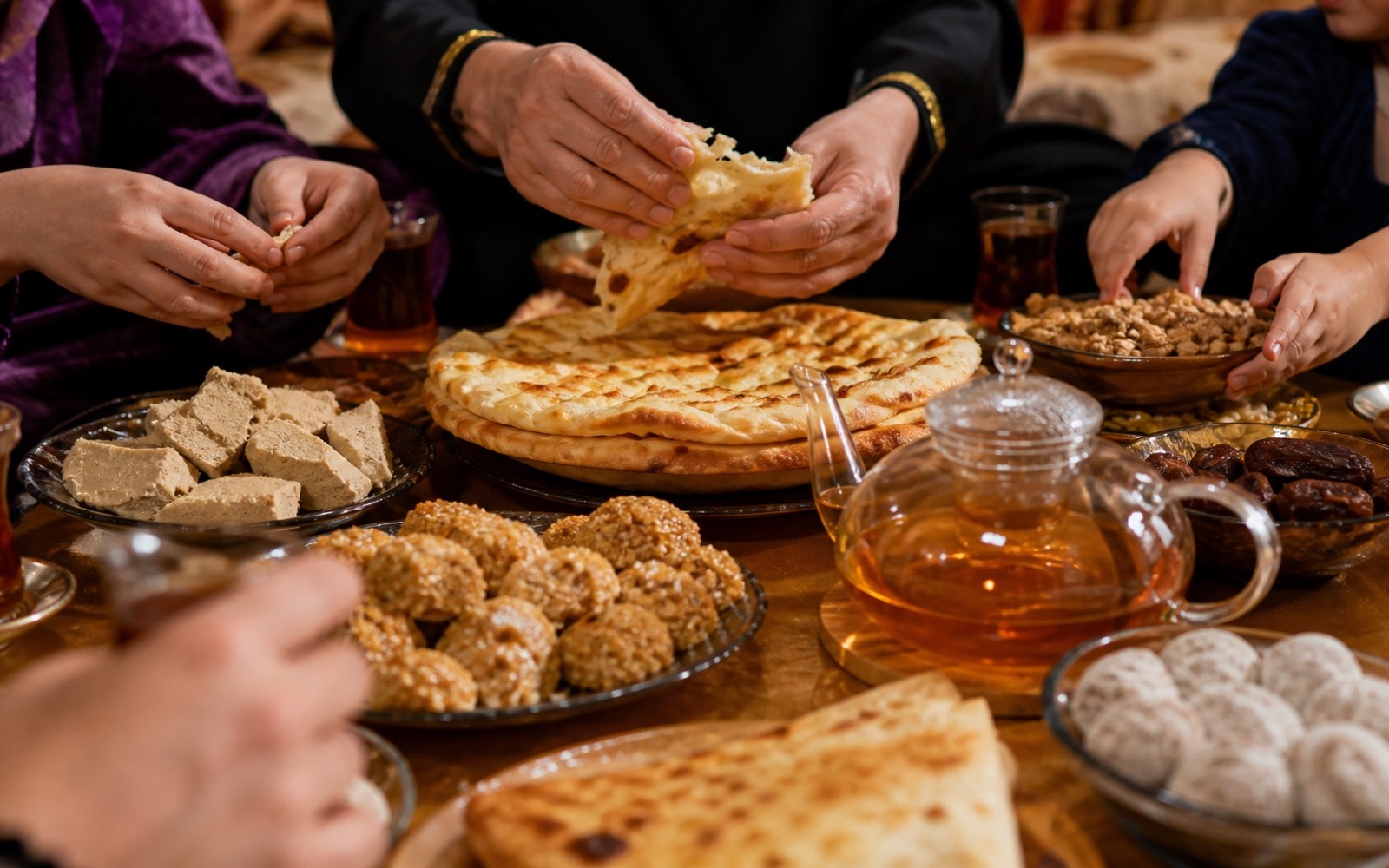
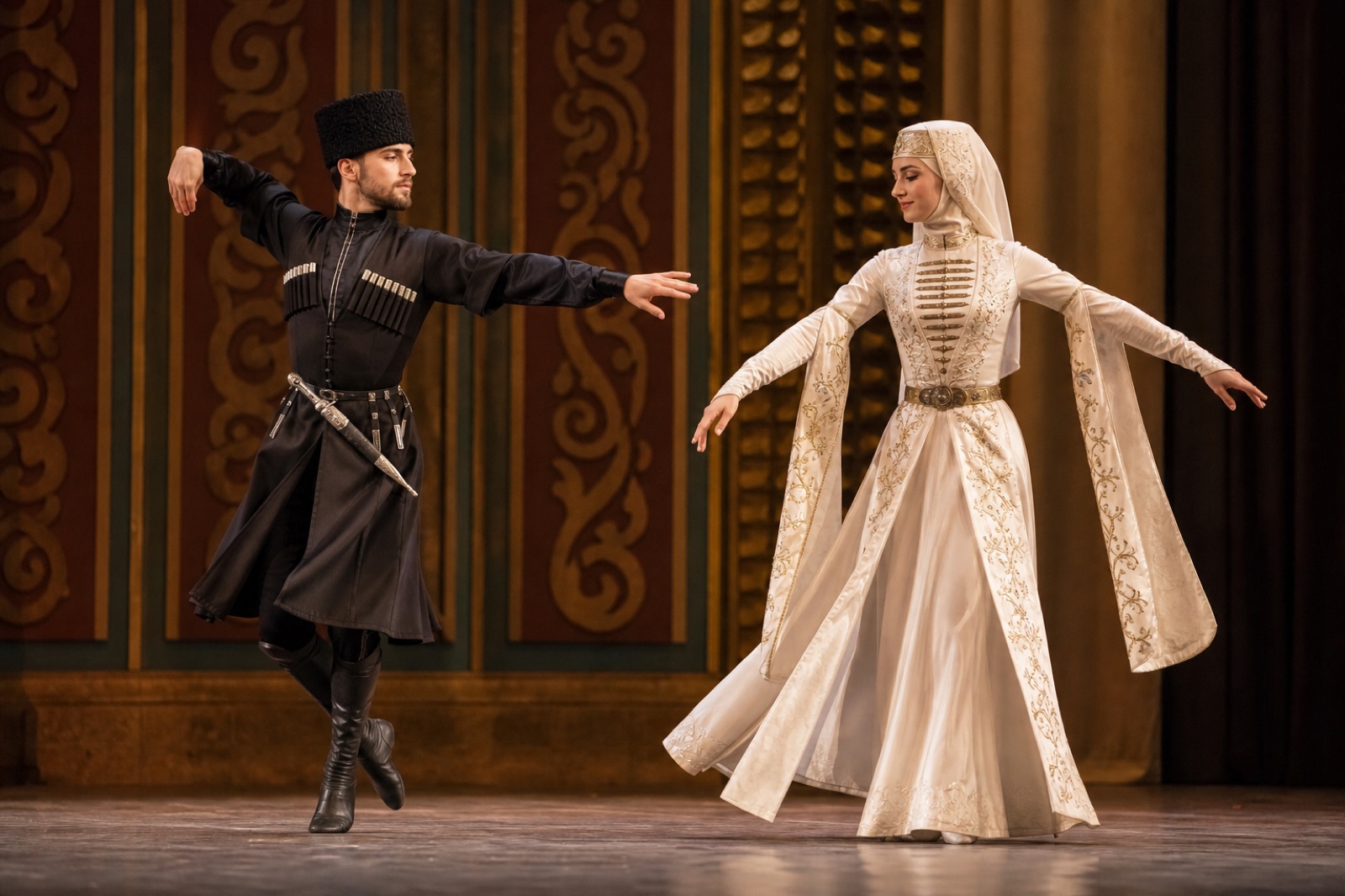
Associations, family tables, dance, weddings, language work and digital archives support continuity. Preserve generational, urban and family differences.
Where is Chechnya Park? Distinguishing Kartal from names elsewhere
The name “Chechnya Park” may refer to more than one place in Turkey; identical or similar names appear in local records in different cities. The prominent example in Kartal, Istanbul, is recorded as a 32,000-square-metre site in Istanbul Metropolitan Municipality's 2016 activity report. The dated inventory listed 389 mature trees, six children's play groups, a 454-square-metre sound-and-light pool, two pergolas and 65 benches. These figures describe a historical municipal inventory, not today's guaranteed facilities. Include both city and district in directions, and check current access, accessibility and maintenance with Istanbul and Kartal municipal channels before visiting.
Do not portray the diaspora as one uniform community
Chechen families in Turkey do not share one migration history, settlement, level of language use, association tie or preferred self-description. Before generalising fieldwork to the whole country, read its place, sample and date. Do not replace a person's identity with broad everyday labels such as 'Caucasian' or 'Circassian'. Treat language shift, food, weddings, cemeteries, neighbours and generational memory as different forms of evidence, and obtain clear consent before publishing a living person's story.
How to trace a family story through archives
When reconstructing a family’s migration story, do not infer a certain identity or date from a surname, village name or single oral account. Spelling in an archive file, later population record, gravestone, association publication and family memory may preserve the same name differently. First identify the document’s date, issuing body and subject; keep spelling variants in separate fields. Oral history conveys lived meaning but may not supply an exact calendar, while a document date cannot explain the family’s experience by itself. Present conflicting records side by side with their limits. Never treat a surname as automatic proof of ethnicity; use the person’s own self-description. This makes the story an attentive reading of documents, place names and generational memory, not ancestry hunting.