 01
01Cities
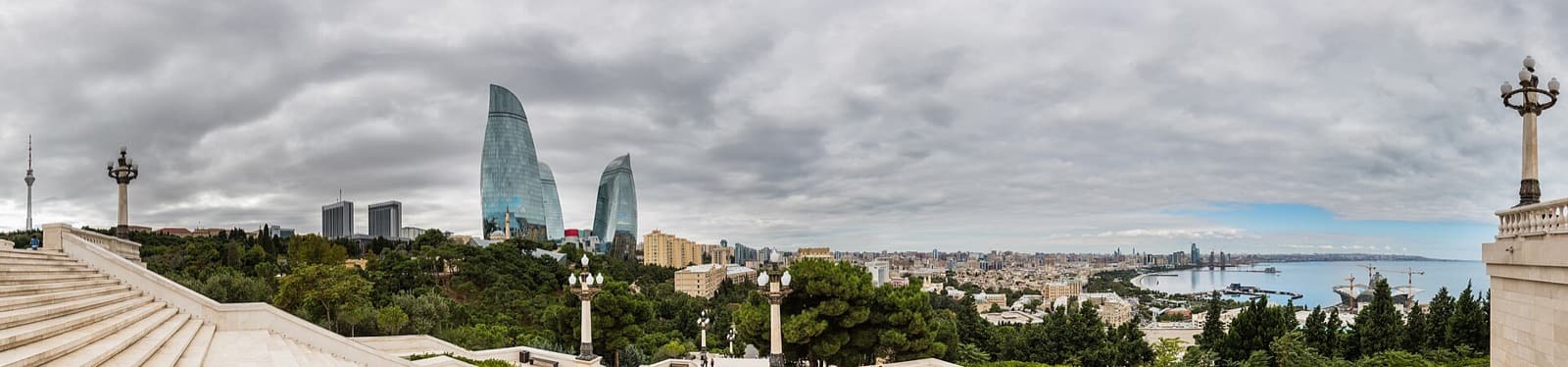
A comparative city atlas of Grozny, Tbilisi, Baku, Yerevan, Derbent and Vladikavkaz.
Open atlas →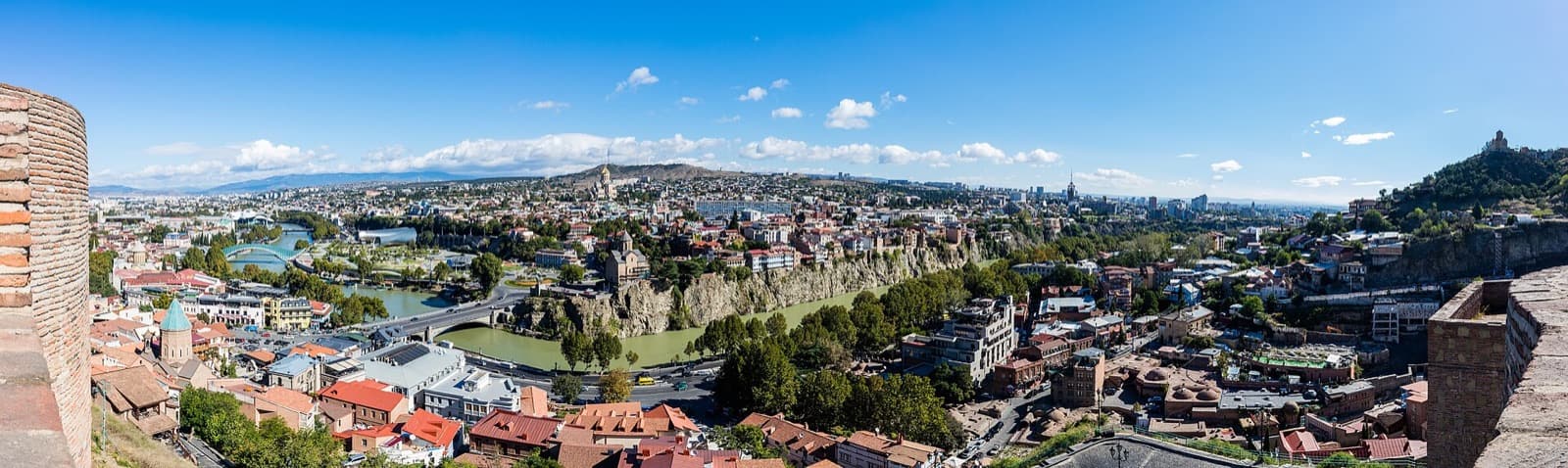
CAUCASUS CULTURE ATLAS
A new Caucasus atlas that does not reduce cities to buildings or cuisines to recipes. Six thematic paths reveal where peoples, languages and traditions meet—without collapsing their differences.
01A comparative city atlas of Grozny, Tbilisi, Baku, Yerevan, Derbent and Vladikavkaz.
Open atlas →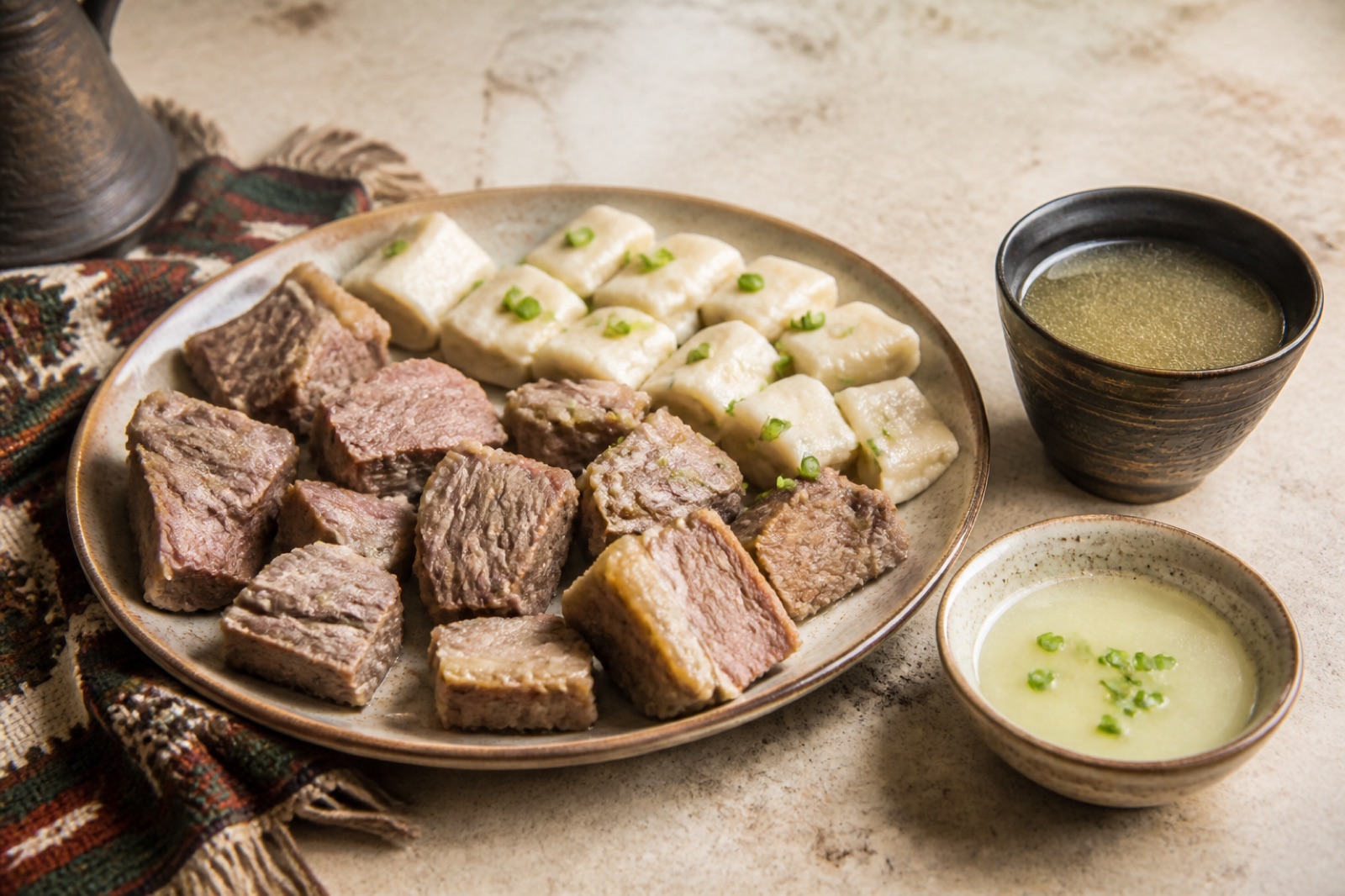 02
02A guide to Caucasian cuisines through regions, techniques and table culture—without flattening them into one label.
Open atlas →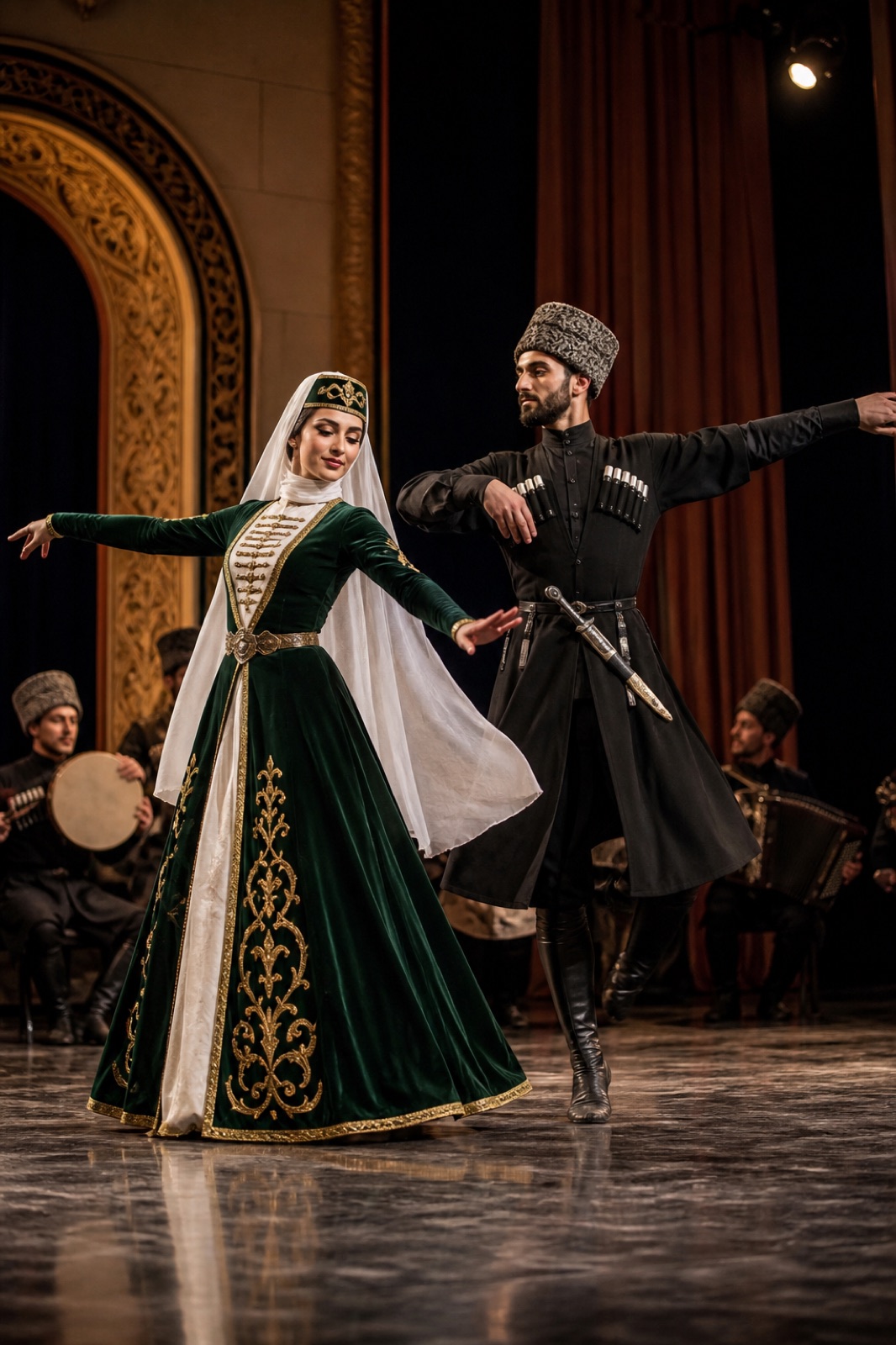 03
03An atlas from Lezginka and mugham to duduk and Georgian polyphony, keeping traditions distinct.
Open atlas → 04
04National stages, film heritage, contemporary festivals and starting points for audiences across the Caucasus.
Open atlas →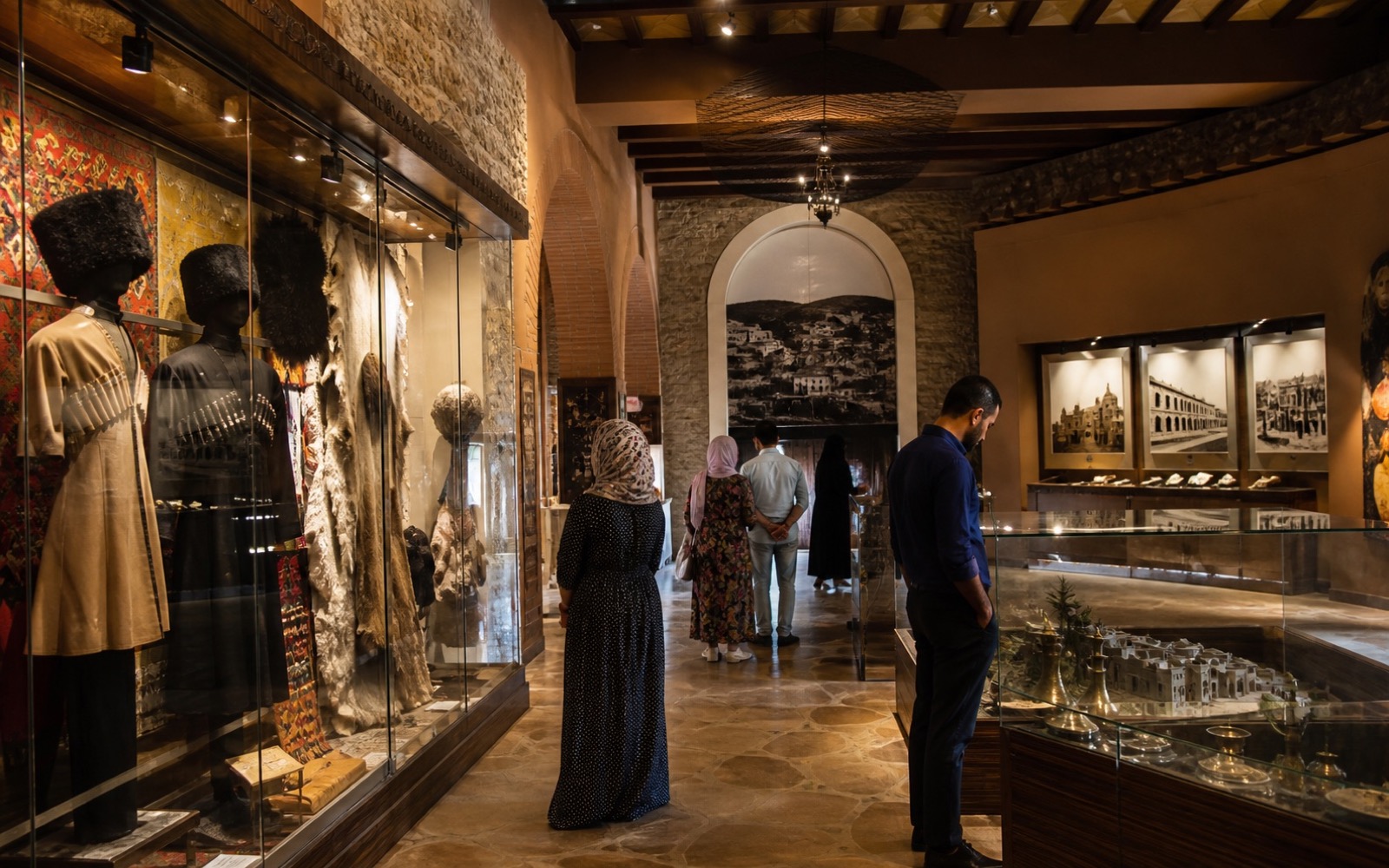 05
05An entry into the literatures of the Caucasus through languages and institutions, from oral narrative to contemporary fiction.
Open atlas →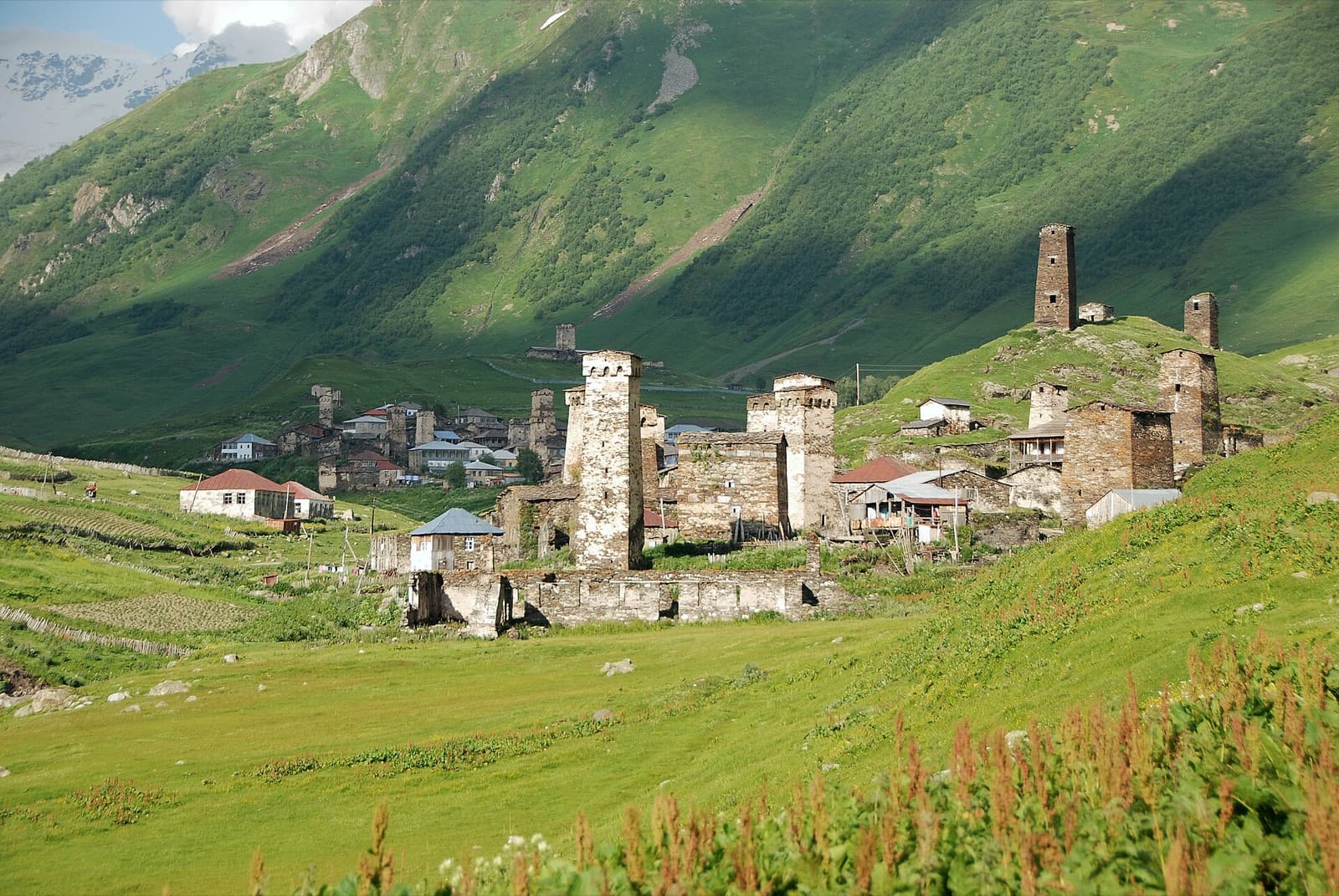 06
06A seasonal atlas of grapes, pomegranates, hazelnuts, walnuts, apricots, tea and wild greens.
Open atlas →This centre opens six windows onto the Caucasus rather than compressing the region into one tourism slogan. The city atlas connects historic fabric with contemporary life; the food atlas distinguishes ingredient from technique; dance and music separate stage spectacle from living tradition. Theatre, cinema and literature make institutions, languages and translation visible. The produce atlas explains growing environment, season and culinary use without turning food into a health claim. Every section offers a comparative beginning and a clear route into deeper guides.
Neighbourhood allows ingredients, rhythms, words and architectural forms to travel across the Caucasus. That movement does not prove that every resemblance has one origin or belongs to one community. The atlas keeps local and translated names, present practice and historical record, domestic tradition and staged performance distinct. A capital is not compared with a mountain village at the same scale, nor an everyday meal with a festival presentation. Readers continue through linked city, region and institution guides.
REGIONAL READING
Choose a theme, compare regional examples and continue to the detailed city or country guides linked from each card. Every page shows connections while preserving local names and distinctions.