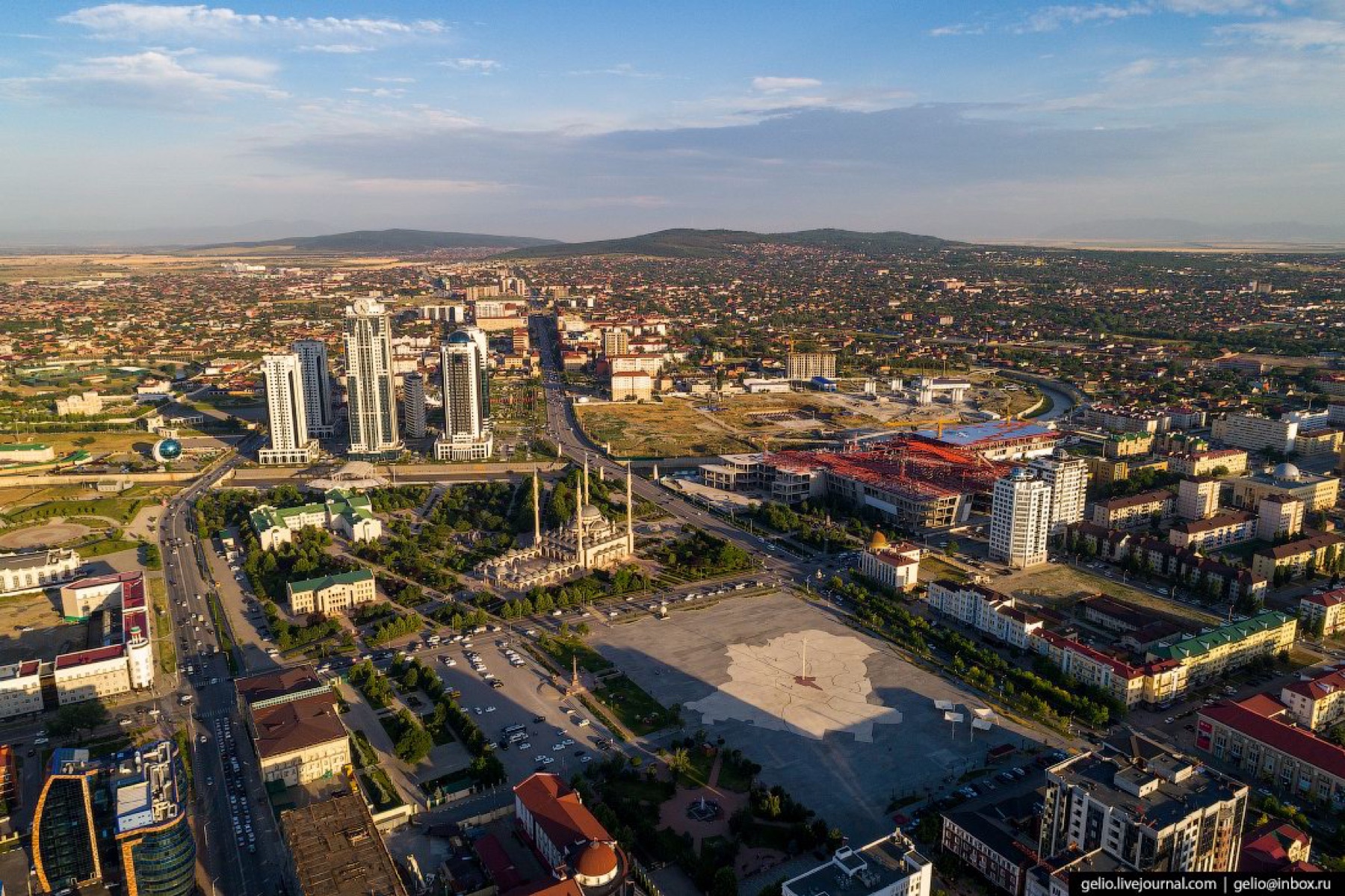
01 · Chechnya
Grozny
The main base for Chechnya, with broad avenues, a contemporary skyline and museum stops.
Detailed guide →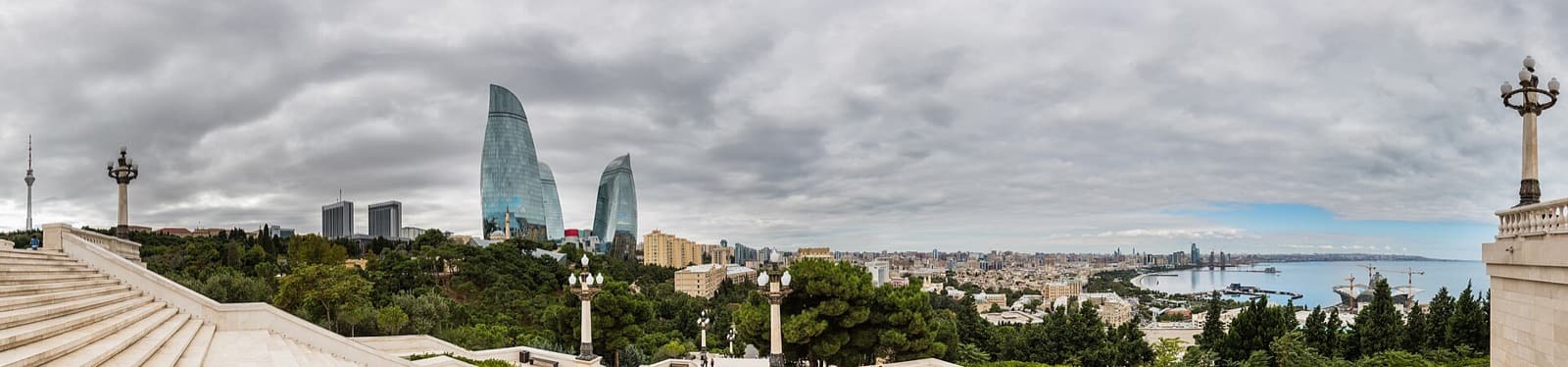
CAUCASUS CULTURE ATLAS
Caucasian cities face the same mountain chain, yet none is a copy of another. Trade routes, stone and brick traditions, Soviet planning and contemporary public space form a different layer in each city. This atlas helps match a city to a traveller's interests.
The main base for Chechnya, with broad avenues, a contemporary skyline and museum stops.
Detailed guide →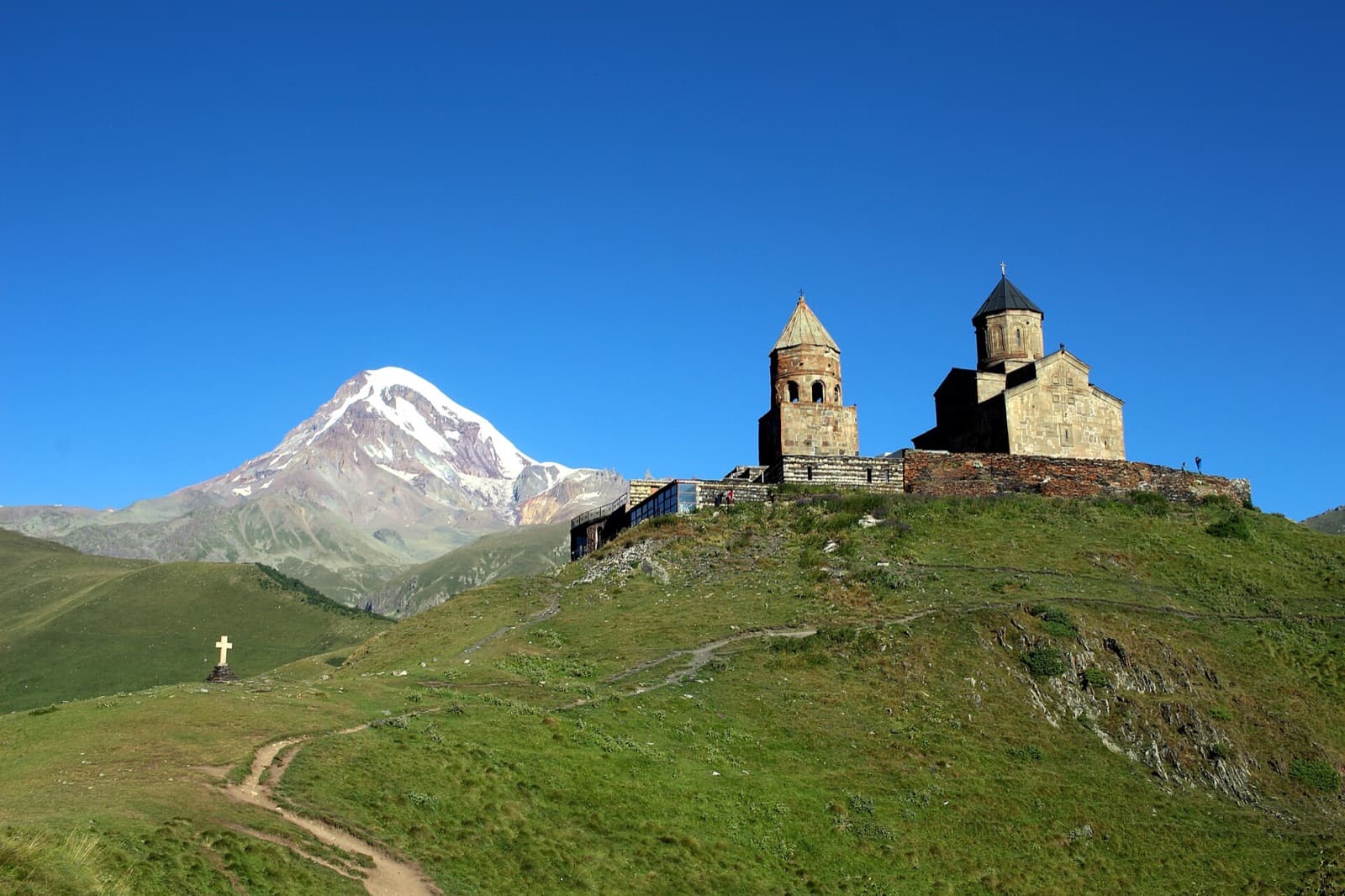
Old-town lanes, courtyard districts, baths and a strong contemporary culture scene meet in one walk.
Detailed guide →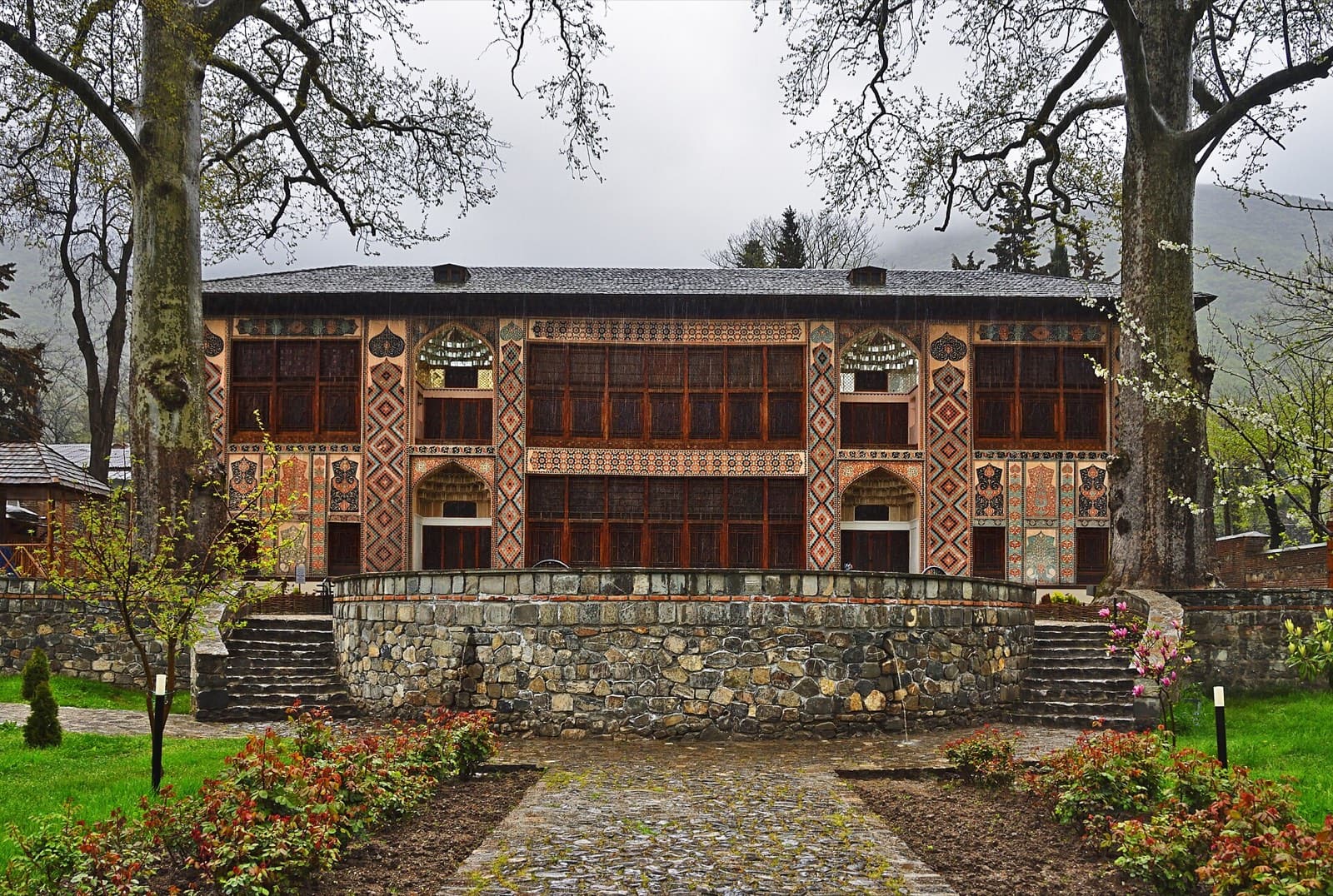
A distinctive urban cross-section from the walled Old City to modern Caspian architecture.
Detailed guide →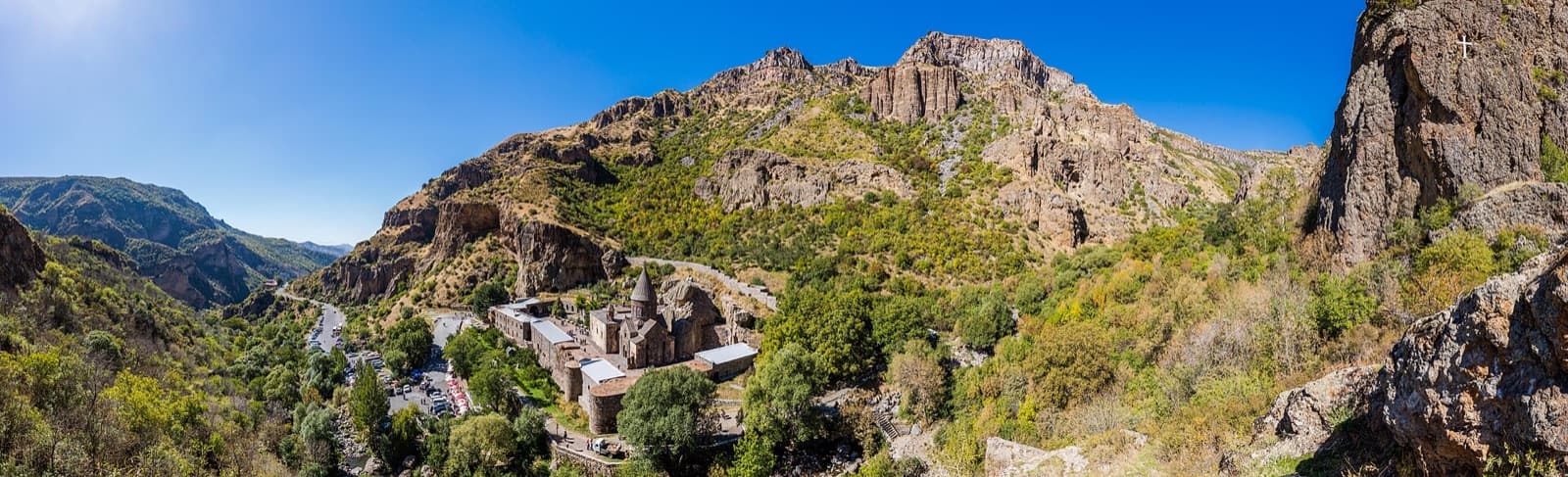
A compact culture route of tuff-stone façades, squares, museums and café life.
Detailed guide →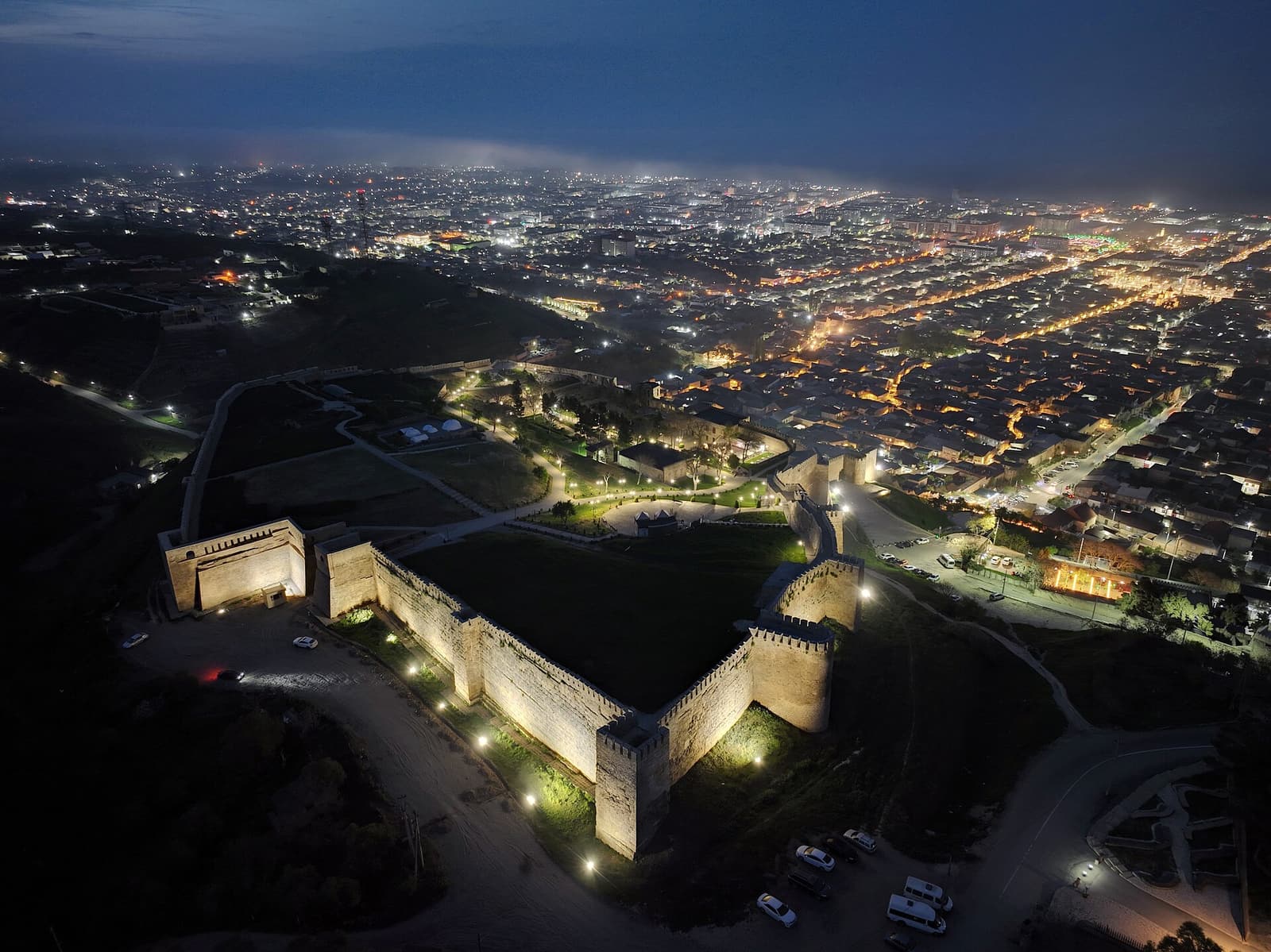
Naryn-Kala, city walls and the Caspian shore make the region's long urban history legible.
Detailed guide →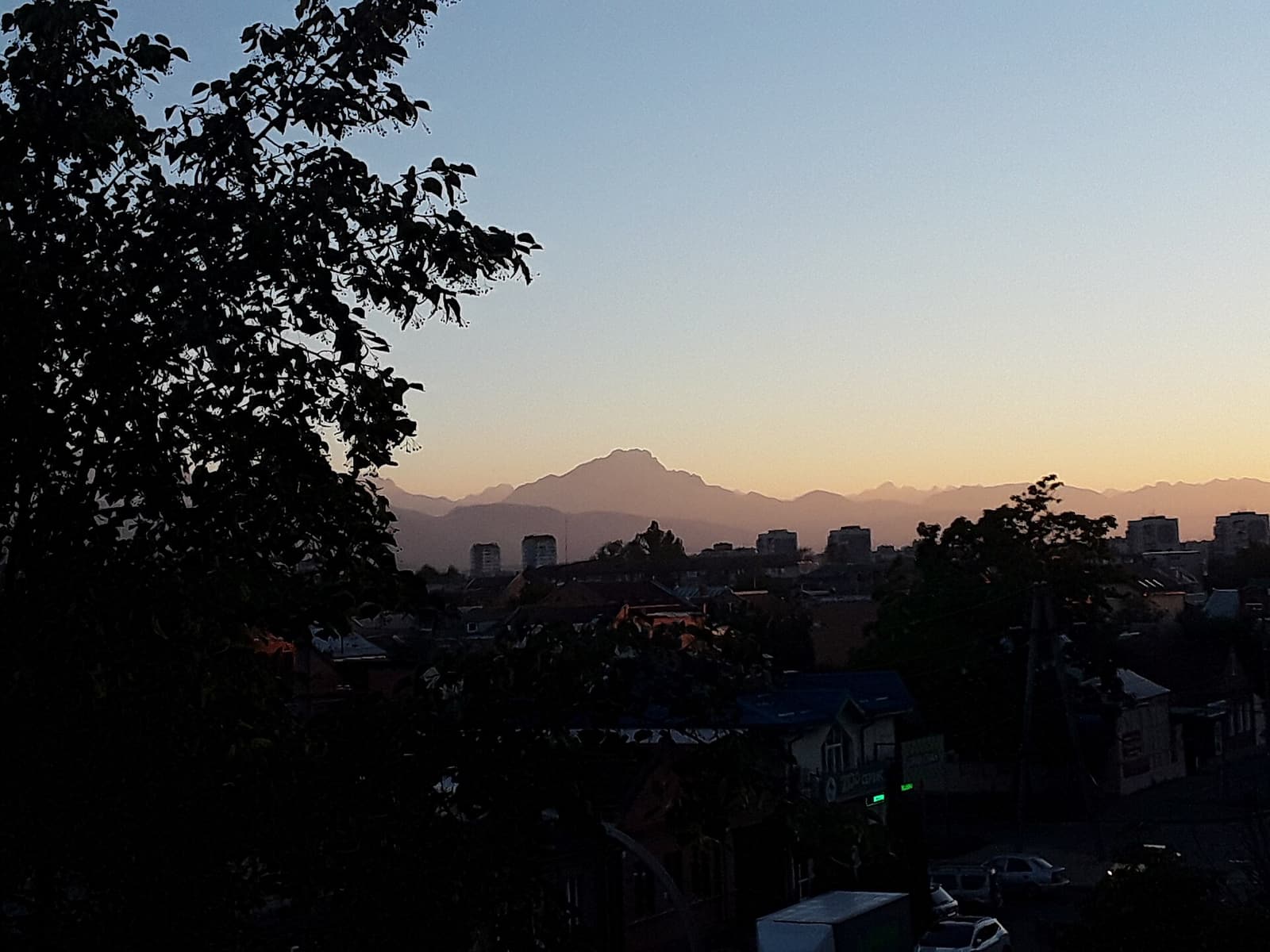
A walkable centre, museums and access to valley roads make it North Ossetia's natural base.
Detailed guide →First-time visitors should compare walkability, museum density and access to surrounding routes—not simply count monuments. Tbilisi and Baku suit longer urban stays; Grozny, Vladikavkaz and Makhachkala work naturally as bases for mountain or valley days.
This centre opens six windows onto the Caucasus rather than compressing the region into one tourism slogan. The city atlas connects historic fabric with contemporary life; the food atlas distinguishes ingredient from technique; dance and music separate stage spectacle from living tradition. Theatre, cinema and literature make institutions, languages and translation visible. The produce atlas explains growing environment, season and culinary use without turning food into a health claim. Every section offers a comparative beginning and a clear route into deeper guides.
Neighbourhood allows ingredients, rhythms, words and architectural forms to travel across the Caucasus. That movement does not prove that every resemblance has one origin or belongs to one community. The atlas keeps local and translated names, present practice and historical record, domestic tradition and staged performance distinct. A capital is not compared with a mountain village at the same scale, nor an everyday meal with a festival presentation. Readers continue through linked city, region and institution guides.