01 · North Caucasus
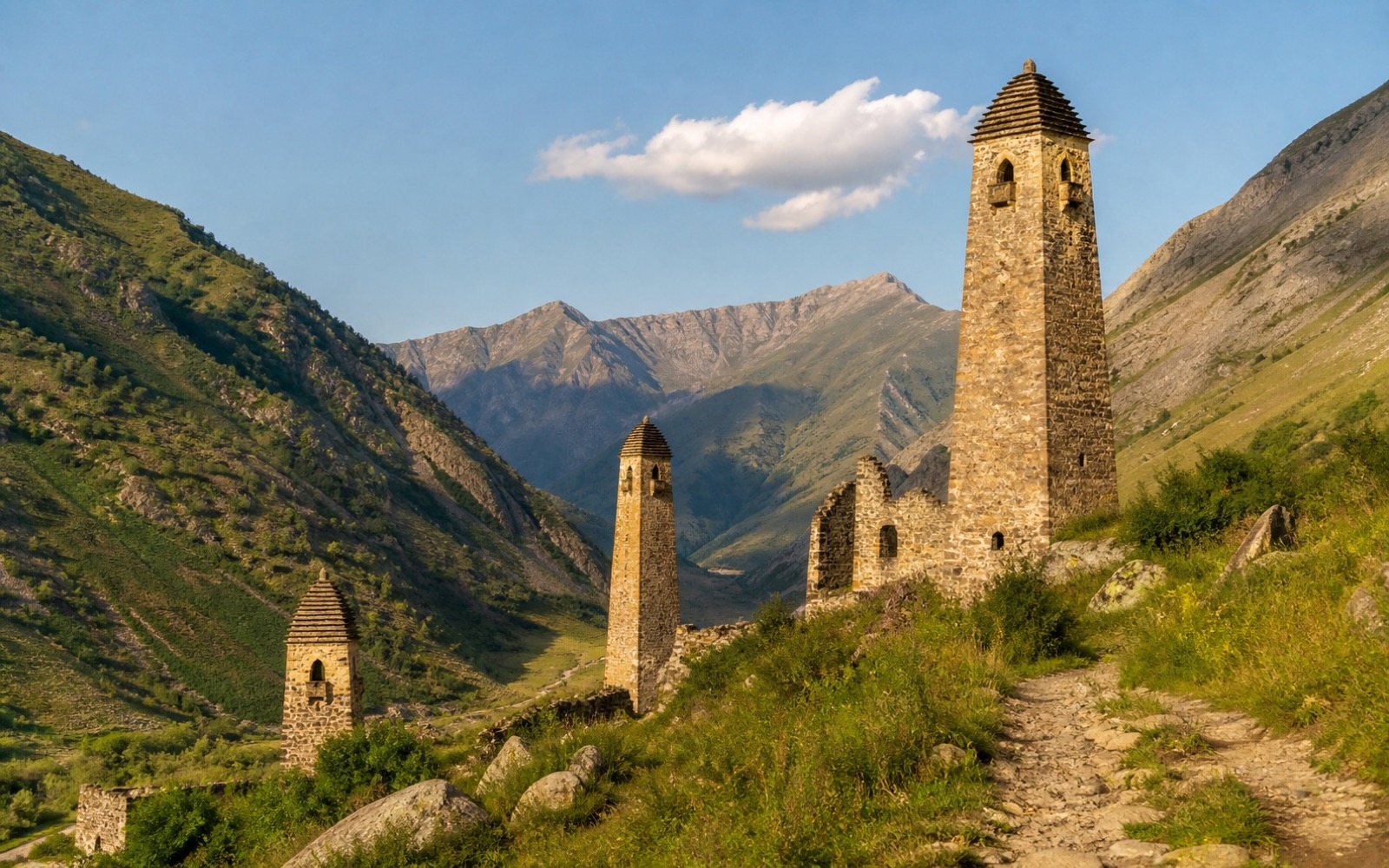
Nart narratives
A shared epic sphere living in distinct names, heroes and narrative forms among several peoples.
Detailed guide →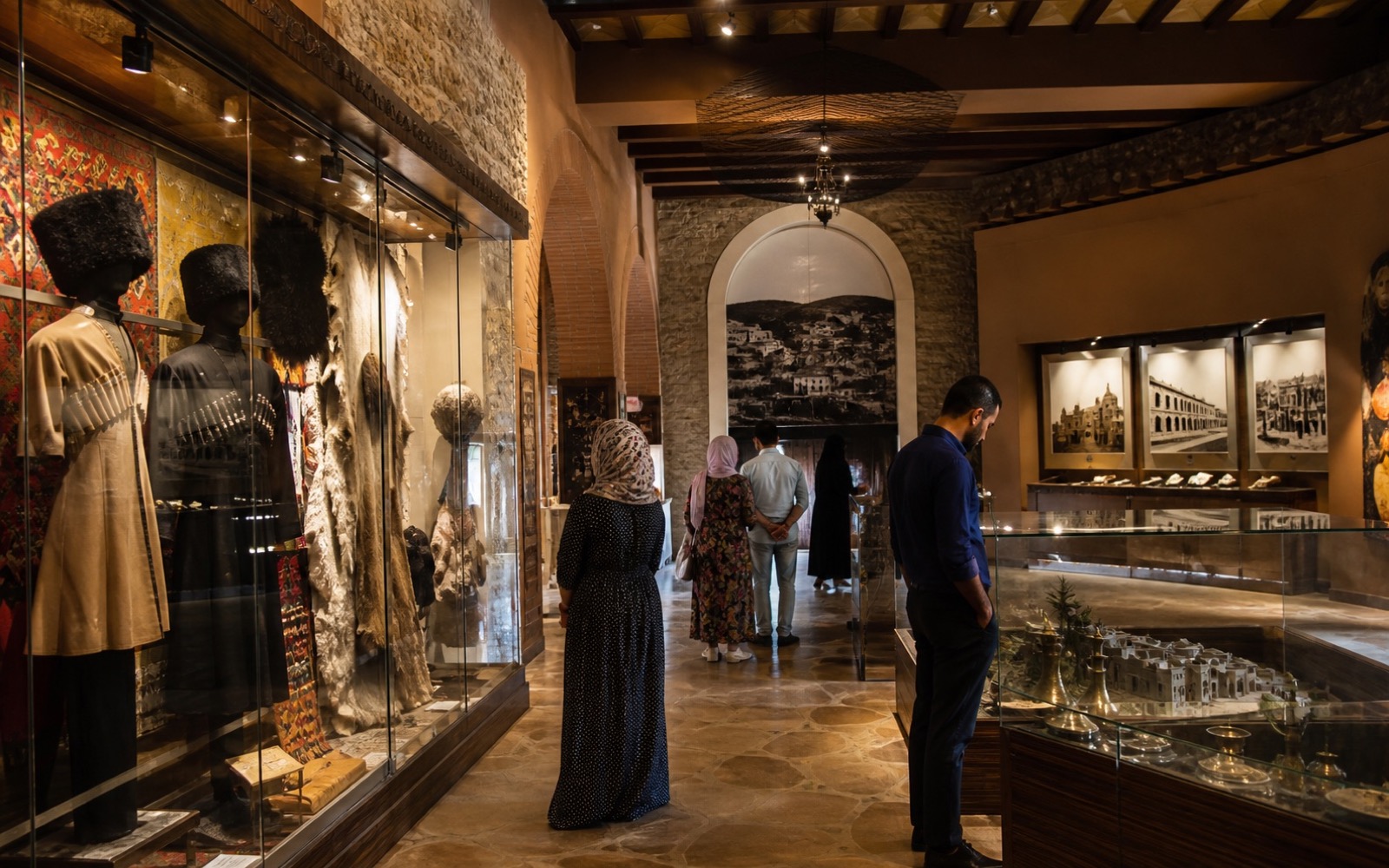
CAUCASUS CULTURE ATLAS
Caucasus literature is not one canon in one language. Local languages, Russian, Georgian, Armenian, Azerbaijani and diaspora languages narrate the same geography through different memories. A sound reading path keeps original and translated language visible.
A shared epic sphere living in distinct names, heroes and narrative forms among several peoples.
Detailed guide →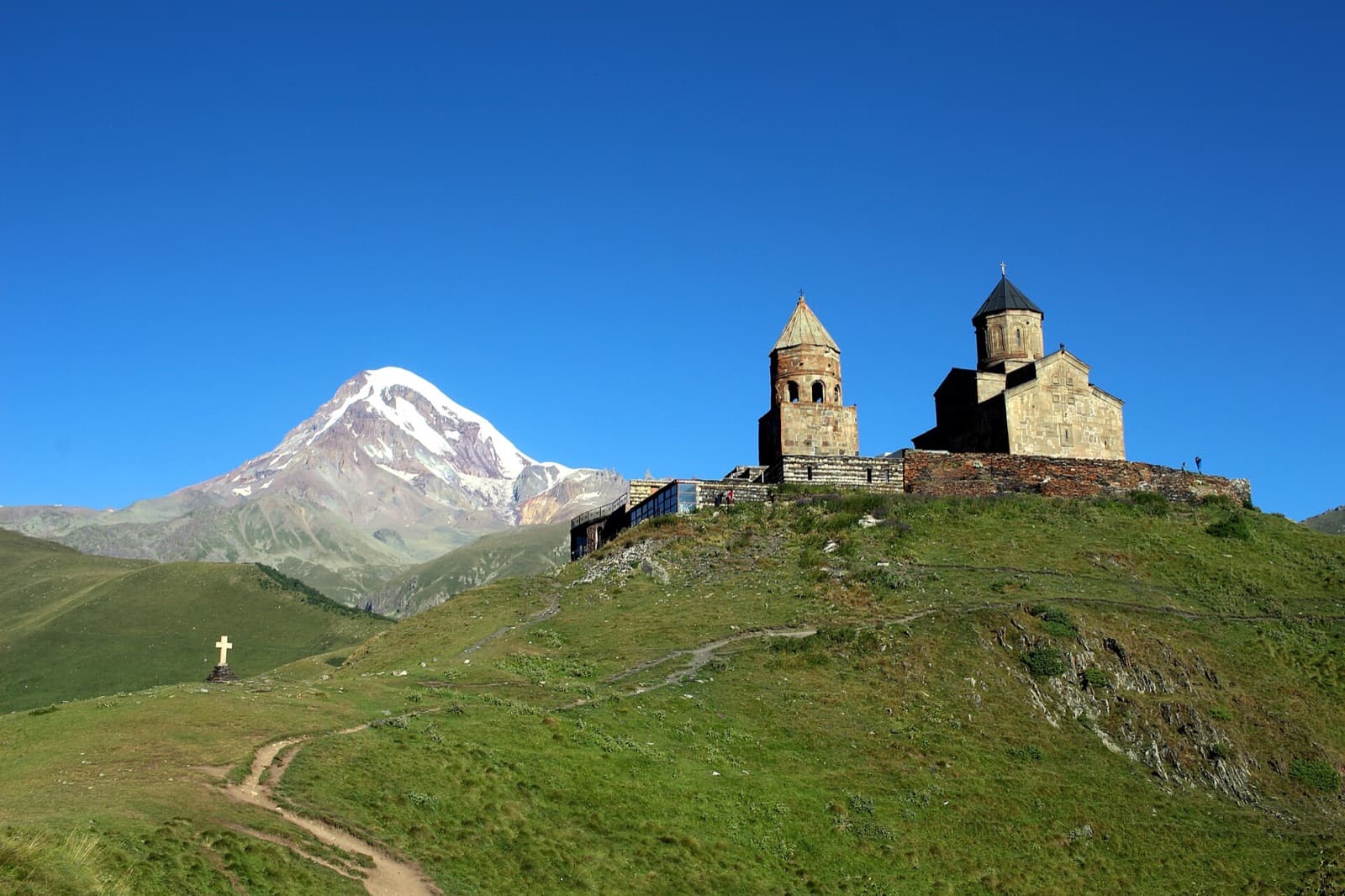
Manuscript heritage, poetry, fiction and a strong translation culture reward a connected reading.
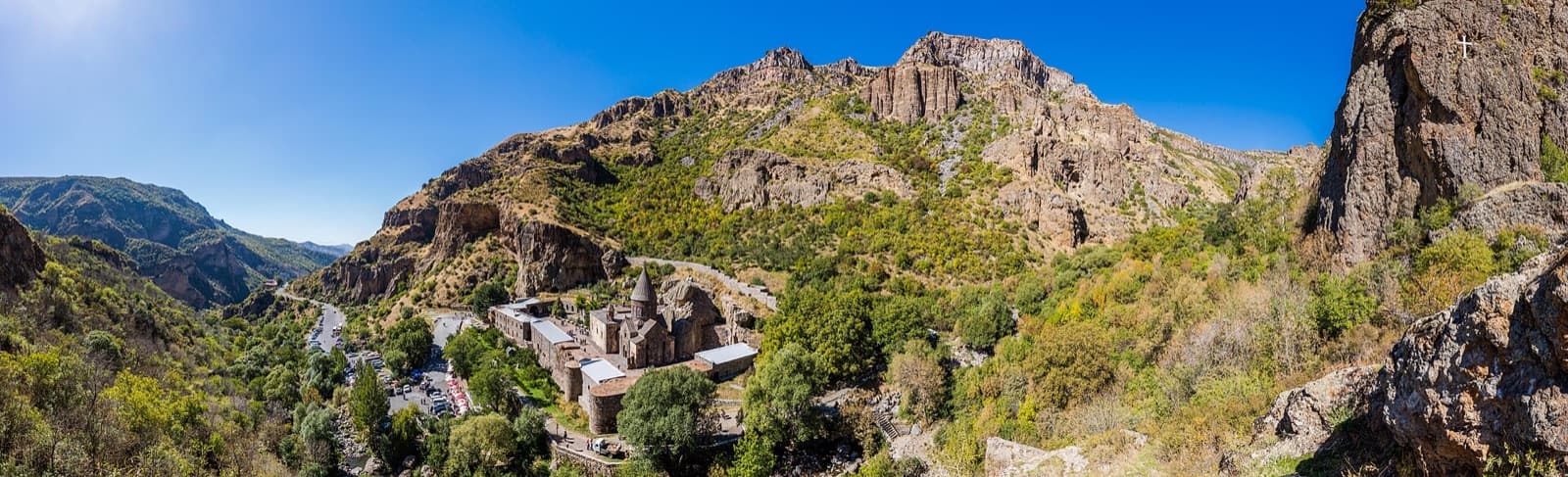
A multi-centred tradition extending from manuscripts to modern and diaspora writing.
Publishing and translation between local languages and Russian are central to its literary field.
Editions of one work can differ in title, name transliteration and chapter order. Recording original language, translator, publisher and year helps readers follow the text accurately and avoid confusing separate works.
This centre opens six windows onto the Caucasus rather than compressing the region into one tourism slogan. The city atlas connects historic fabric with contemporary life; the food atlas distinguishes ingredient from technique; dance and music separate stage spectacle from living tradition. Theatre, cinema and literature make institutions, languages and translation visible. The produce atlas explains growing environment, season and culinary use without turning food into a health claim. Every section offers a comparative beginning and a clear route into deeper guides.
Neighbourhood allows ingredients, rhythms, words and architectural forms to travel across the Caucasus. That movement does not prove that every resemblance has one origin or belongs to one community. The atlas keeps local and translated names, present practice and historical record, domestic tradition and staged performance distinct. A capital is not compared with a mountain village at the same scale, nor an everyday meal with a festival presentation. Readers continue through linked city, region and institution guides.