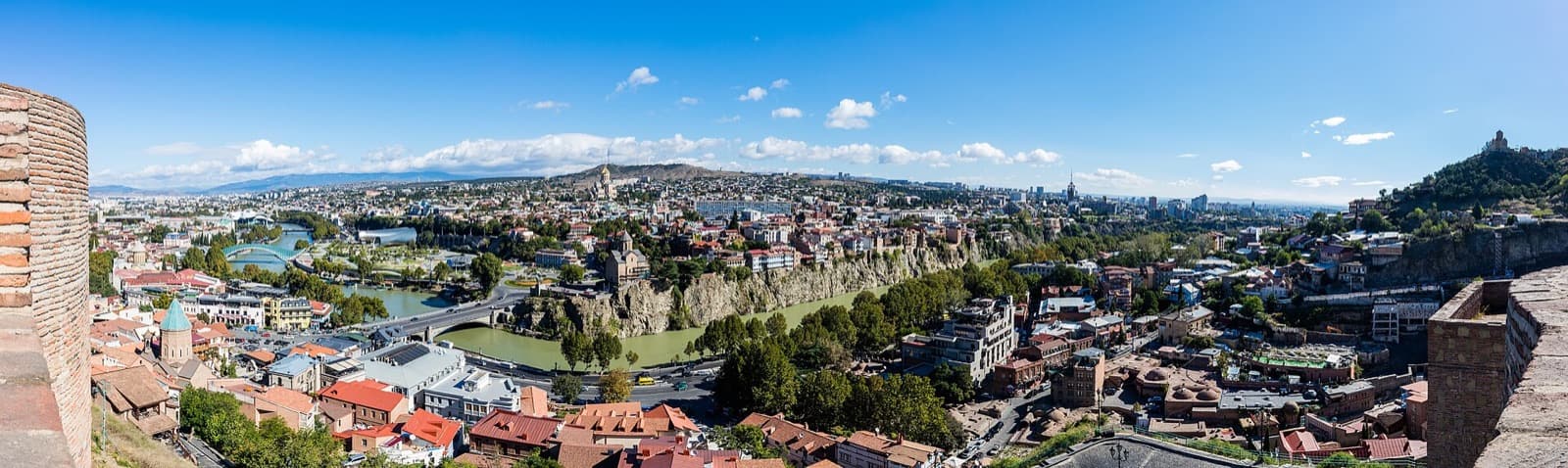
01 · South Caucasus and northern foothills
Grapes
Local varieties and techniques span table fruit, drying and beverage production.
CAUCASUS CULTURE ATLAS
The Caucasus produce map shifts with altitude, rainfall, maritime influence and valley microclimates. No product belongs uniformly to the whole region; some travelled ancient routes while others became local varieties. This atlas focuses on growing context and culinary use, without health promises.
Local varieties and techniques span table fruit, drying and beverage production.
A prominent culinary fruit used fresh, in sour sauces and in preserves.
Used widely across cuisines in sweets, sauces, fillings and snacks.
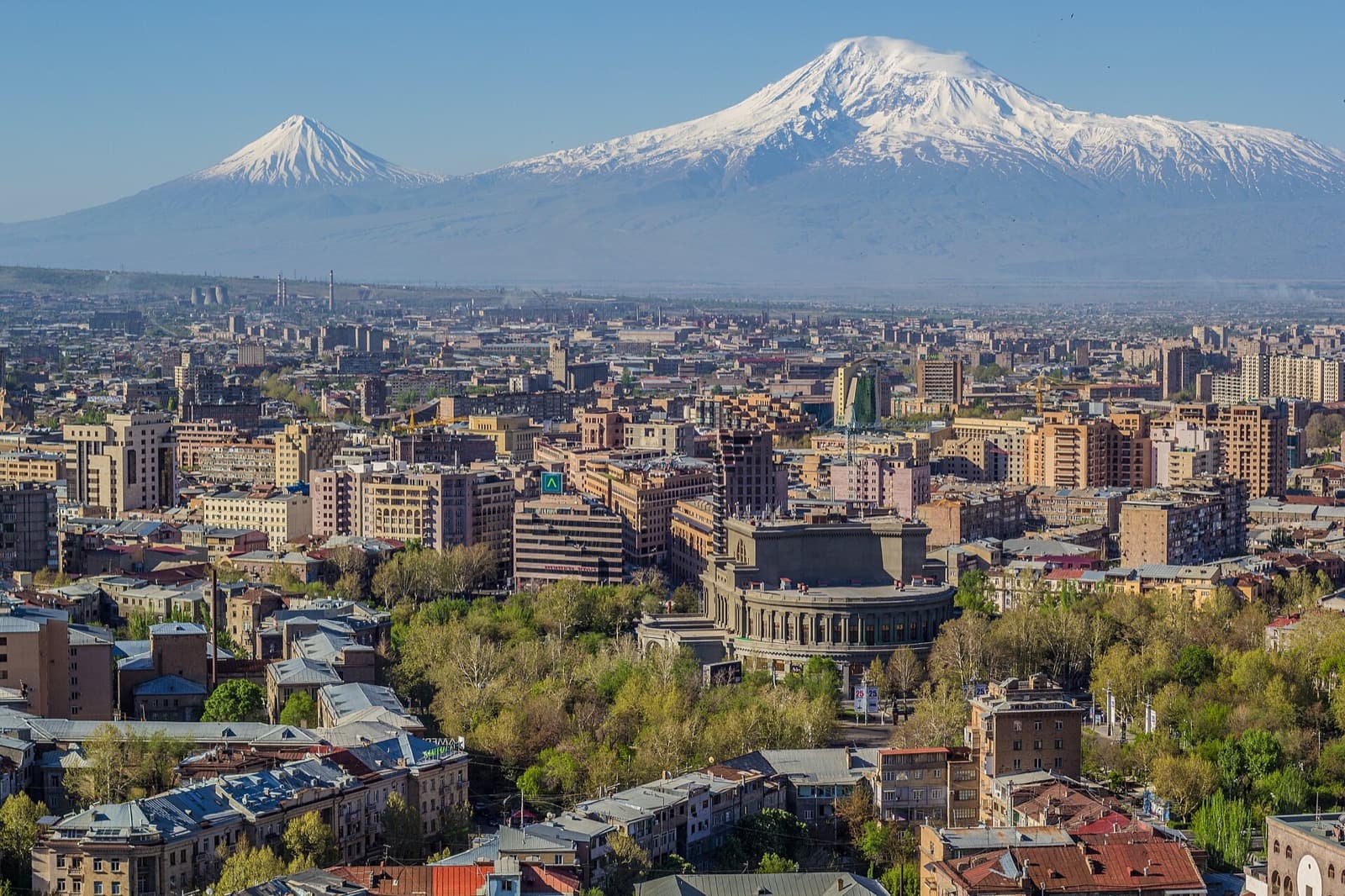
Fresh, dried and preserved forms connect the summer harvest with the winter pantry.
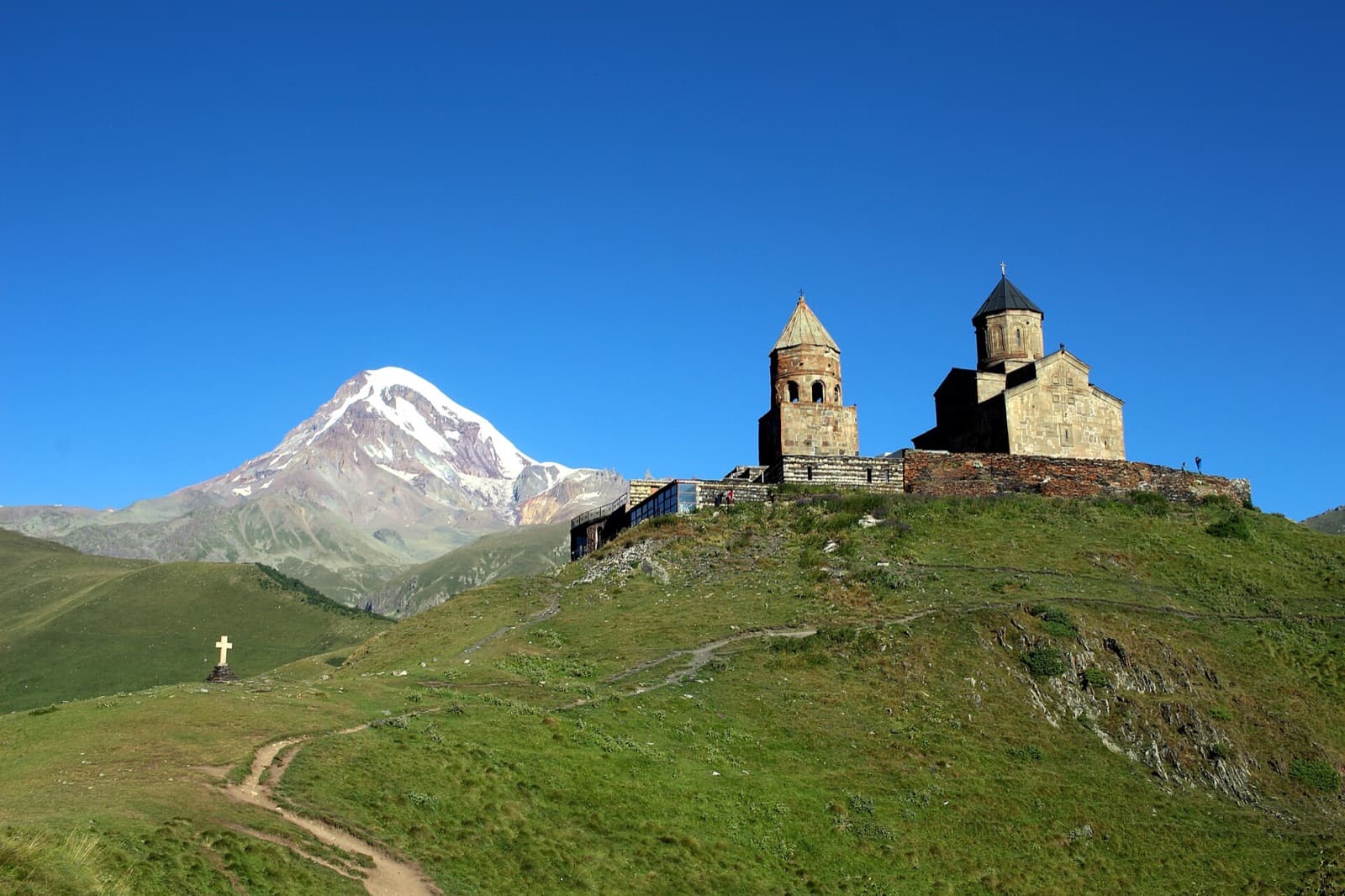
Cultivation is geographically limited, while tea-table culture is far more widespread.
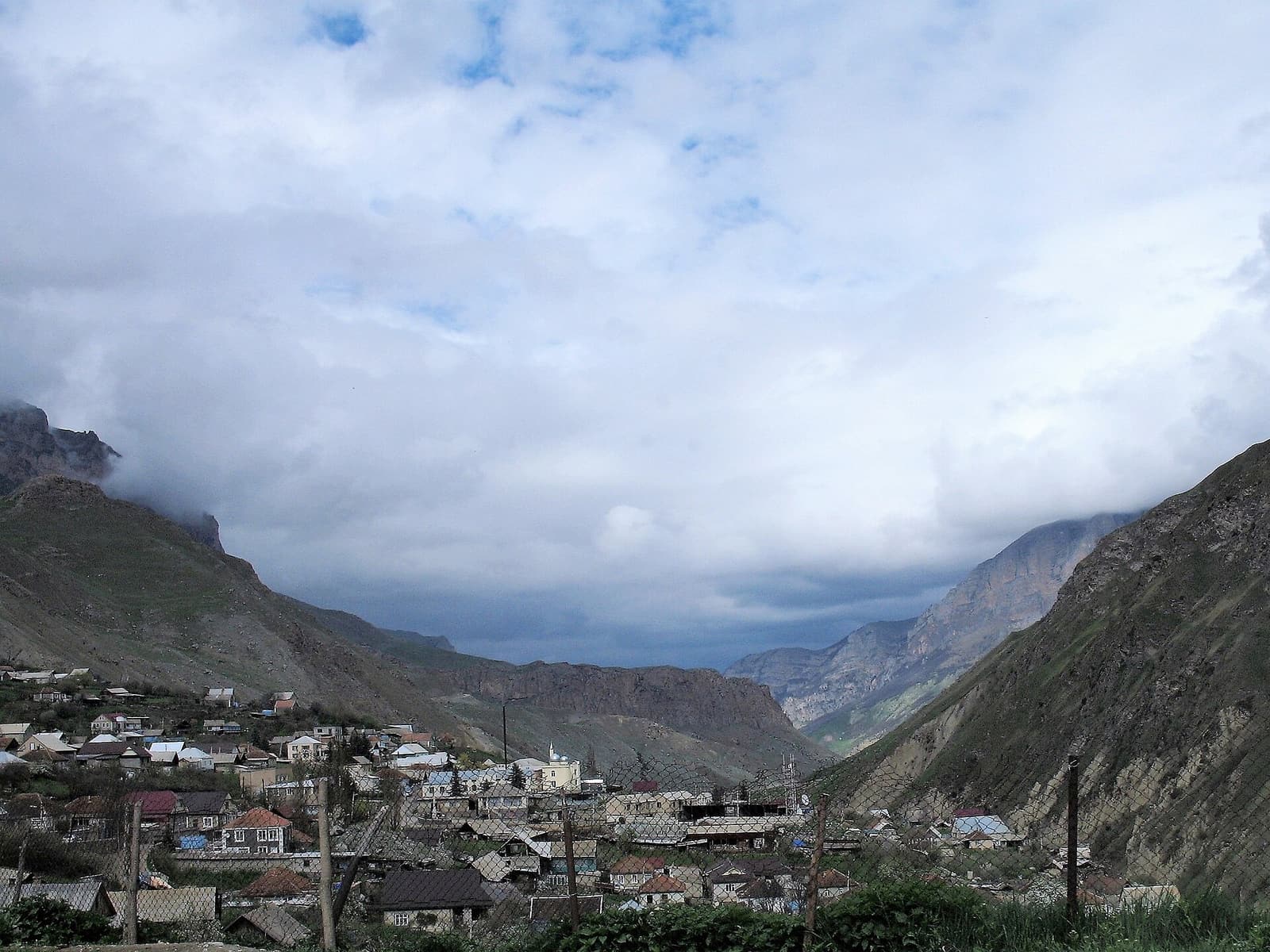
Foraging knowledge is local; gather only confidently identified species where collection is permitted.
A market stall is often a better indicator than a calendar: harvest can shift by weeks with altitude. Do not assume a local name identifies the same plant, and never forage unfamiliar species without expert guidance. Protected-area and border rules require separate checks.
This centre opens six windows onto the Caucasus rather than compressing the region into one tourism slogan. The city atlas connects historic fabric with contemporary life; the food atlas distinguishes ingredient from technique; dance and music separate stage spectacle from living tradition. Theatre, cinema and literature make institutions, languages and translation visible. The produce atlas explains growing environment, season and culinary use without turning food into a health claim. Every section offers a comparative beginning and a clear route into deeper guides.
Neighbourhood allows ingredients, rhythms, words and architectural forms to travel across the Caucasus. That movement does not prove that every resemblance has one origin or belongs to one community. The atlas keeps local and translated names, present practice and historical record, domestic tradition and staged performance distinct. A capital is not compared with a mountain village at the same scale, nor an everyday meal with a festival presentation. Readers continue through linked city, region and institution guides.