2026 · IN-DEPTH GUIDE

Chechen food: 15 dishes to know

A visual guide to 15 Chechen food traditions, from zhizhig-galnash and chepalgash to siskal, holtmash, soup, dairy, sweets and tea culture.

Last checked: 05.09.2026

TRIP WALLET

Add this guide to your trip

Saved content remains one trip record across all languages and stays only on this device.

01 · QUICK ANSWER

Quick answer

Chechen cuisine is built around meat and broth, hand-shaped dough, wheat and corn flour, cheese and cultured dairy, pumpkin, wild greens, garlic sauce and butter. The 15 entries below are not one fixed menu: names, transliterations and recipes vary by family, village and season.

Guide15 dishes and table traditions
Core ingredientsMeat · dough · dairy · vegetables
RuleAsk about family variation

A KEY TO 15 FLAVOURS

Organise the list into four kitchen families

Household and local variation remain visible; one recipe is never treated as the only standard.

  1. MAIN DISH

    Meat, broth and shaped dough

    Compare zhizhig-galnash through meat, dough shape, broth and garlic accompaniment.

    12
  2. FILLED FLATBREAD

    Chepalgash and khingalsh

    Distinguish cheese and pumpkin fillings, dough thickness and buttered finish.

    12
  3. DAIRY AND SAUCE

    Fresh cheese, butter, garlic

    Accompaniments are not decoration; they shape texture and serving rhythm.

    1
  4. HOSPITALITY

    Tea, sweets and sharing

    Serving order, sharing and hosting form a cultural layer beyond the recipe.

    1

02 · Visual route

Two beautiful stops to pair with this guide

04

A first-timer's table order

Begin with a shared zhizhig-galnash and notice how meat, dough, broth and sauce are used separately. Compare chepalgash with khingalsh, then ask about siskal or a wild-greens pastry. Finish with sweets and tea so the differences remain clear.

05

Allergen and halal questions

Ask specifically about wheat or gluten, dairy, egg, broth, butter and cross-contact. Traditional or local is not evidence of halal certification or allergen safety. Confirm ingredients, kitchen practice and any certification separately.

06

Spelling and recipe variation

Jijig or zhizhig, galnash or galnaş, chepalgash and khingalsh may simply reflect different transliterations. Yet meat, flour, filling, thickness and sauce can genuinely vary under the same name. Ask what is in the dish rather than relying on its label.
COMMON QUESTIONS

Frequently asked questions on this topic

Short answers clarify the differences between identity, language and cultural ties.

01What is the best-known Chechen dish?

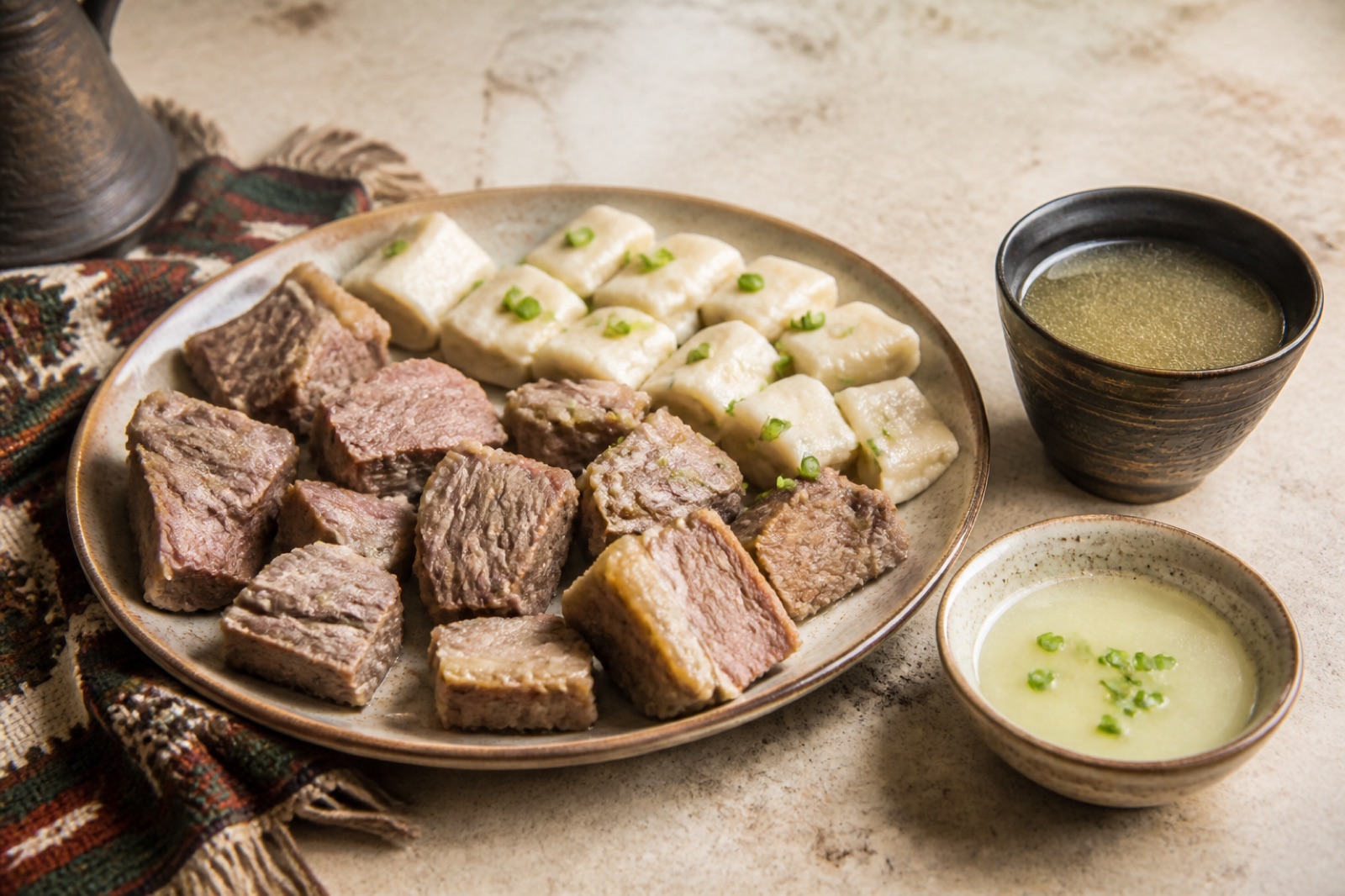
Zhizhig-galnash is one of the dishes most closely associated with Chechen cuisine. Boiled meat, dumplings, broth and garlic sauce arrive as distinct components.

02What should I try first in Chechen cuisine?

Start with zhizhig-galnash as a main dish, then choose chepalgash or khingalsh for filled dough. Sharing portions makes each flavour easier to notice.

03What is the difference between chepalgash and khingalsh?

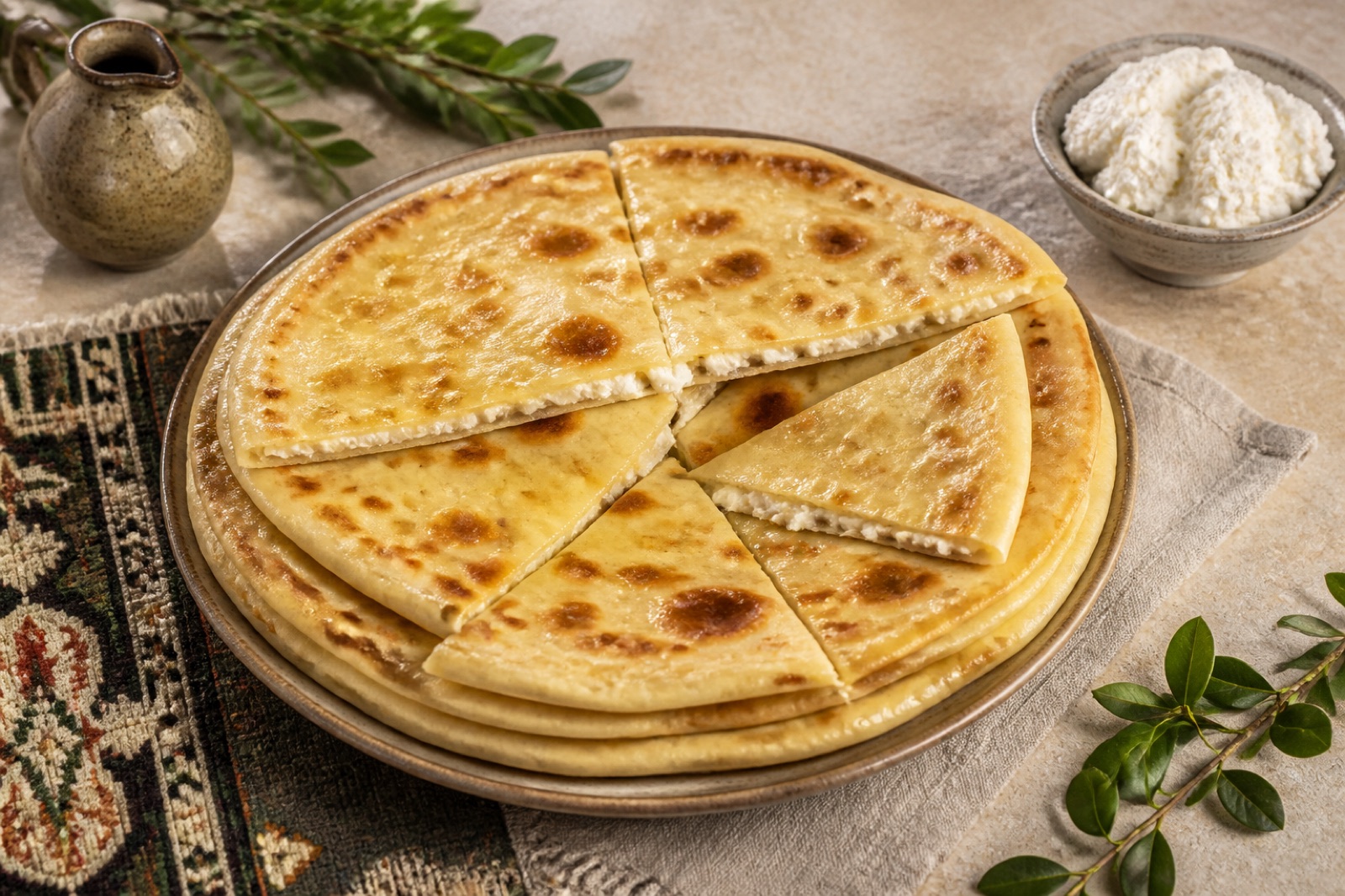
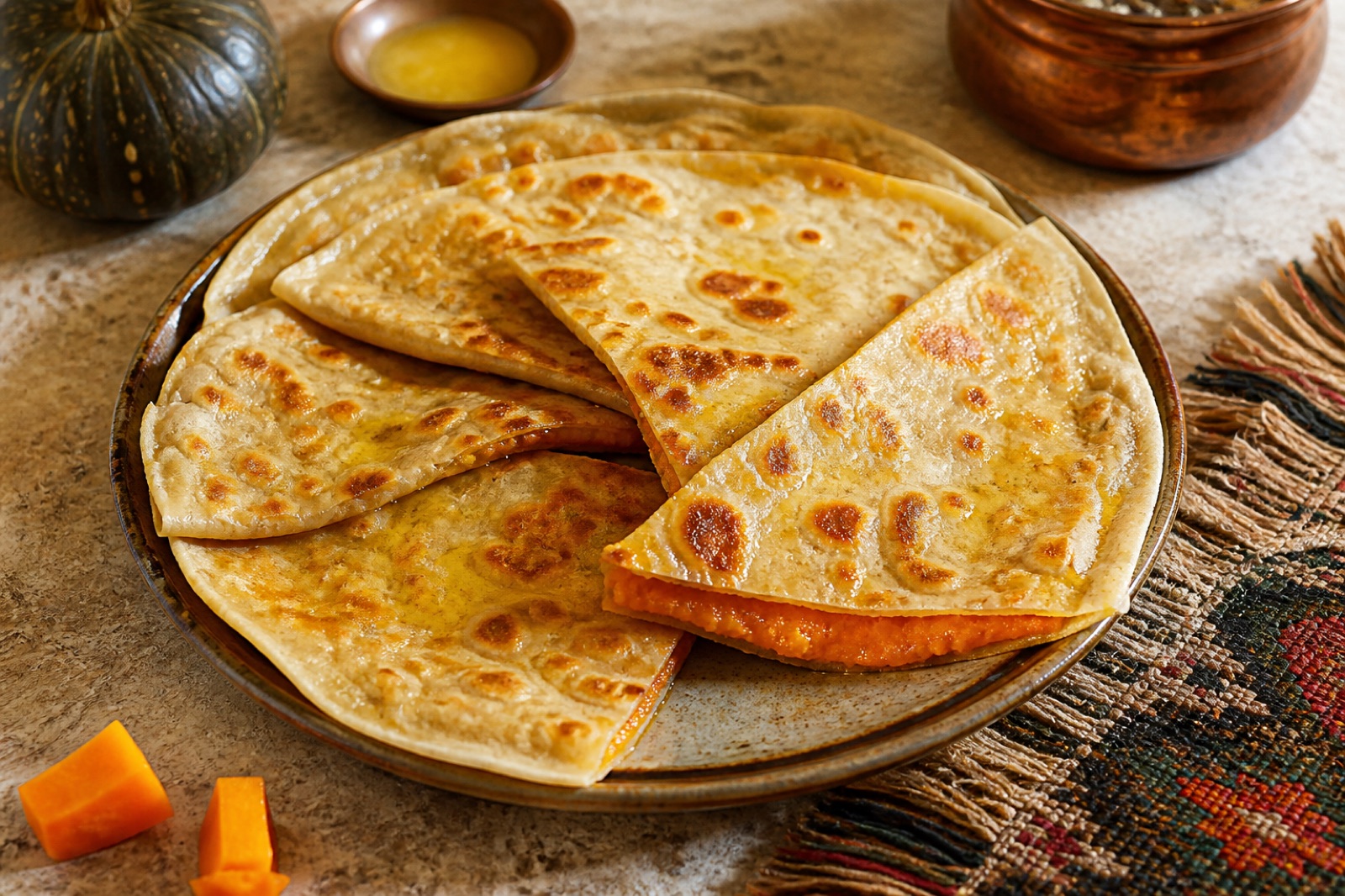
Chepalgash is commonly filled with fresh cheese and greens, while khingalsh uses pumpkin. Thickness, buttering and folding can vary by household.

04Does Chechen cuisine have meat-free options?

Cheese-filled chepalgash, pumpkin khingalsh, cornmeal siskal and some wild-greens pastries may be meat-free. Ask separately about broth, butter, dairy and cross-contact.

05Which Chechen sweets can I try?

Dema hovla belongs to the roasted flour-halva family; vieta is associated with flaxseed and a sweet binder, while gvaymakkhsh is a pancake-like preparation served with honey.

INTERACTIVE FLAVOUR ATLAS

Find your place at the Chechen table

Filter fifteen traditions by ingredient, technique and place at the table, then choose the first dish on your tasting route.

01

Choose your first plate

Pick the kind of introduction you want and the atlas will suggest one strong place to begin.

Classic main plateZhizhig-galnash

Meat, dumplings, clear broth and garlic sauce reveal the cuisine's serving rhythm in one meal.

Open recipe

15 / 15 flavours shown

  1. 01Meat, broth and the hot tableЖижиг-галнаш

    Zhizhig-galnash

    Boiled meat, galnash dumplings, clear broth and garlic sauce are served separately.

    Open recipe
  2. 06Meat, broth and the hot tableБӀарш

    Baarsh

    A substantial meat dish associated with offal casing and minced filling; family versions vary.

  3. 07Meat, broth and the hot tableДакъина-жижиг

    Daqina-zhizhig

    A preserved-meat tradition described in sources as smoked or dried meat.

  4. 08Meat, broth and the hot tableЖижиг-чорпа

    Zhizhig-chorpa

    A warming family of soups built around meat, vegetables and broth.

  5. 10Meat, broth and the hot tableКотам-галнаш

    Kotam-galnash

    A chicken-based family variation of the galnash table.

  6. 02Dough, filling and grainЧӀепалгаш

    Chepalgash

    Thin kefir dough filled with fresh cheese and, in many recipes, greens.

    Open recipe
  7. 03Dough, filling and grainХингалш

    Khingalsh

    Pumpkin-filled flatbread cooked on a dry pan and softened with butter.

    Open recipe
  8. 04Dough, filling and grainСискал

    Siskal

    A dense, round cornmeal bread for the family table.

  9. 05Dough, filling and grainХьолтӀмаш

    Holtmash

    A seasonal corn-dough parcel associated with nettle or wild-greens filling.

  10. 09Dough, filling and grainДалнаш

    Dalnash

    A filled bread whose filling varies by household and source; do not assume one formula.

  11. 11Dairy and accompanimentЭтшура

    Etshura

    A cultured, thick dairy tradition served alongside breads and warm dishes.

  12. 12Sweets, honey and hospitalityГваймакхш

    Gvaymakkhsh

    Recorded as a pancake-like preparation served with honey.

  13. 13Sweets, honey and hospitalityДема ховла

    Dema hovla

    A roasted flour-halva family made with flour, fat and sugar.

  14. 14Sweets, honey and hospitalityВиета

    Vieta

    A dense sweet associated with flaxseed and a honey or sugar binder.

  15. 15Sweets, honey and hospitality

    Tea and table culture

    Repeated tea, generous offering and long conversation are as important as the dishes.

05.09.20263 · sources

Sources

Çeçen Mutfak Kültürü ve Yeme Alışkanlıkları — akademik değerlendirmeKavkaz.travel — Grozni'de ne denenir?The Chechens: A Handbook — cuisine section