Differences in date and scope remain visible.
HISTORY AND MEMORY
History and memory routes of Chechnya
Follow the chronology from tower heritage to modern Grozny through multiple sources.
Find the right answer quickly
This hub does not compress the past into one seamless story. It reads tower architecture, settlement traces, museum collections, historical maps and the urban fabric as distinct layers of evidence, keeping differences in date, naming and scope visible. Begin with the general history dossier, then continue to the tower-heritage and museum guides for closer reading.
02 · QUICK FACTS
Chechnya at a glance
Page checked: 28.08.2026
MULTI-LAYER CHRONOLOGY
From architectural evidence to living memory
This line summarises periods; documents, museum records, scholarship and testimony still require separate reading.
- EARLY LAYER
Highland settlements and tower heritage
Architecture, kinship and route control are read together without forcing one structure to represent an era.
1 - 19TH CENTURY
Imperial expansion and the Caucasus
Military chronology is compared with local society and migration history.
2 Mass deportation
Decision, transport, special settlement, loss and memory are not reduced to one number or date.
3Return and restoration
Return, administrative restoration and resettlement are read as separate stages.
2- 1990S–TODAY
War, destruction, reconstruction
Political accounts, civilian experience, rights records and the urban fabric are not presented as one voice.
24
03 · Curated guide collection
History and memory routes of Chechnya
 01
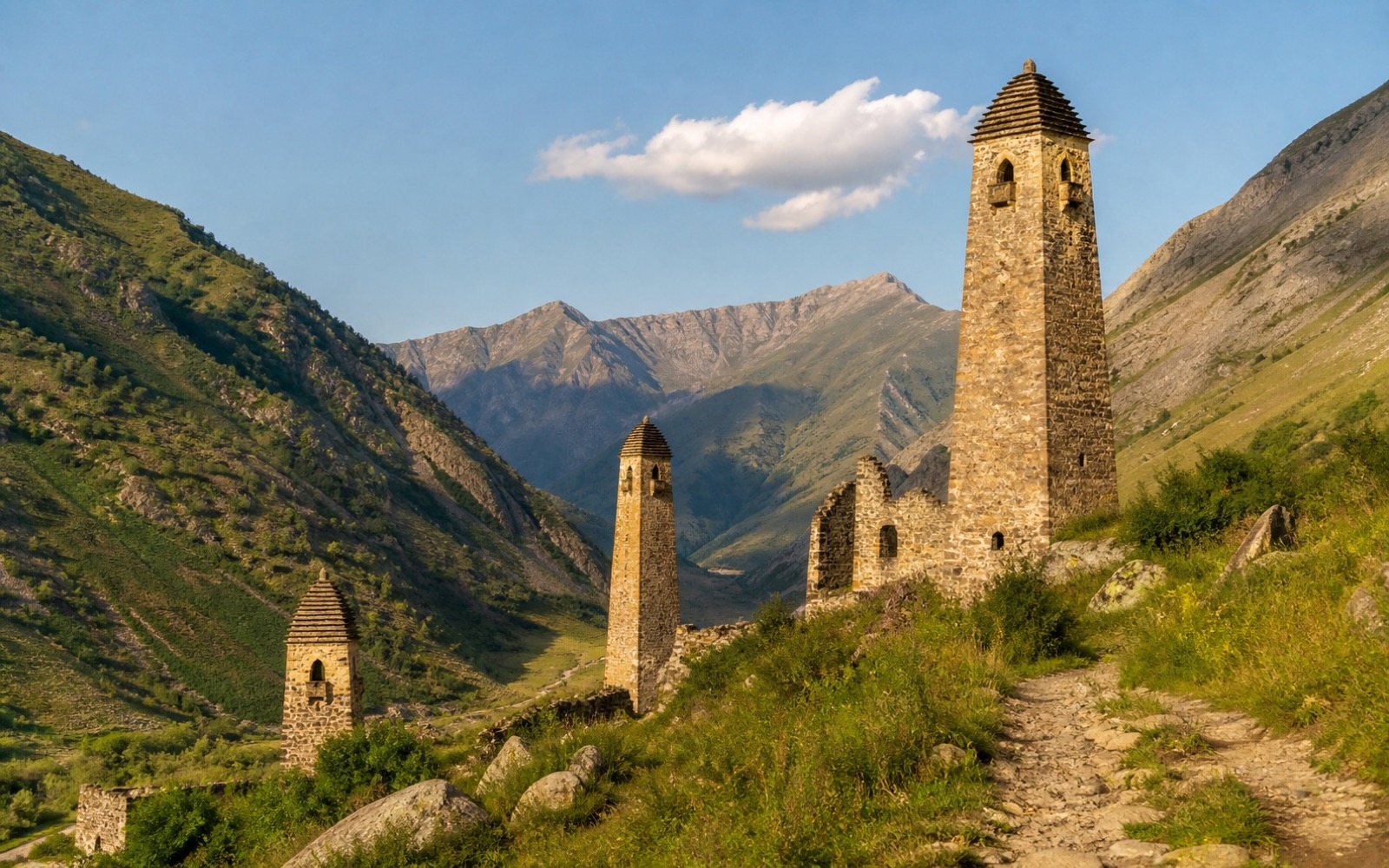
01History of Chechnya: a sourced chronology
A balanced chronology from tower societies and Caucasian wars to the Soviet era, wars and reconstruction.
Open guide →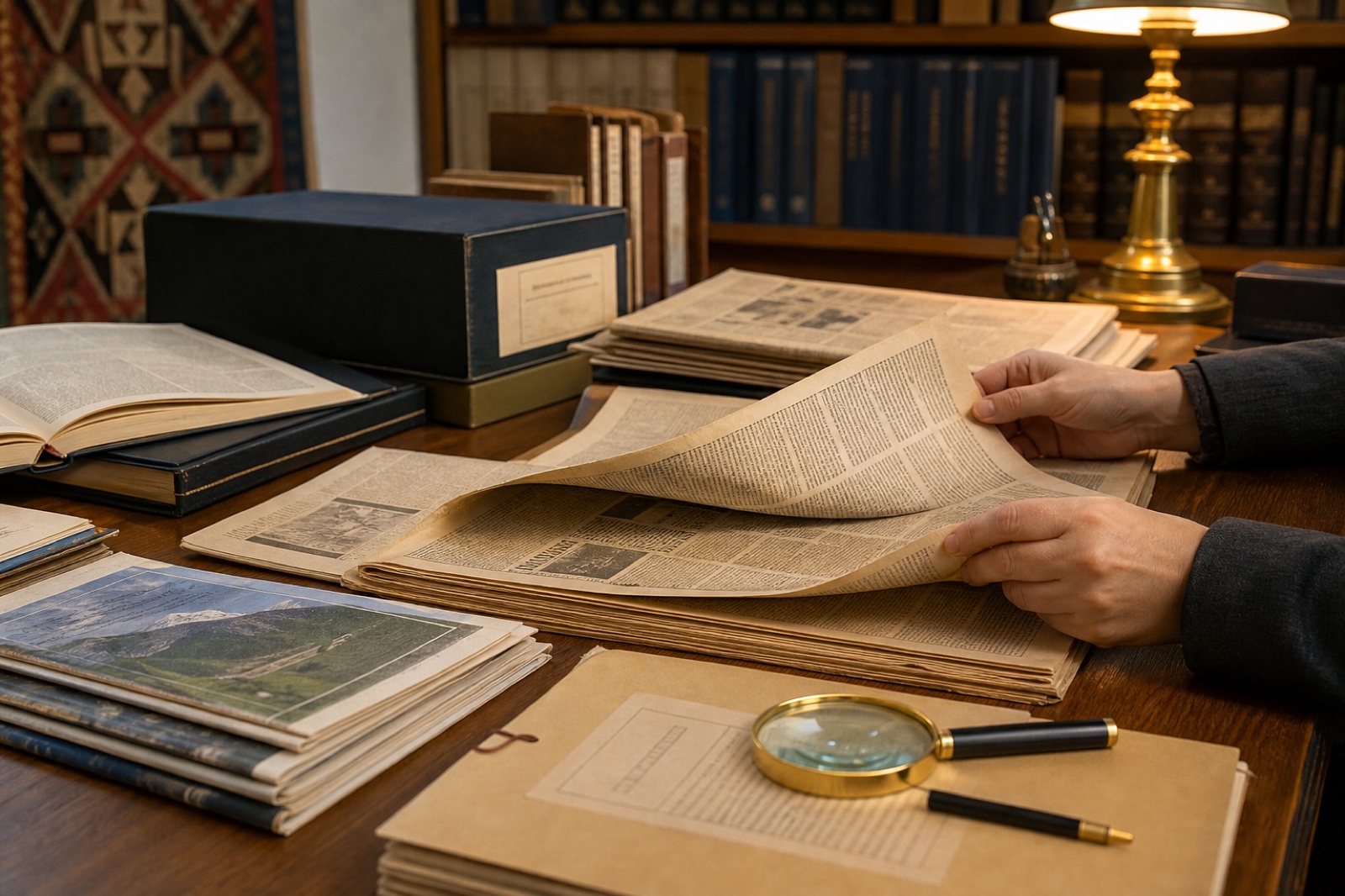 02
02The 1944 Chechen–Ingush deportation: timeline
A sourced account of the February 1944 deportation, exile in Central Asia and return.
Open guide →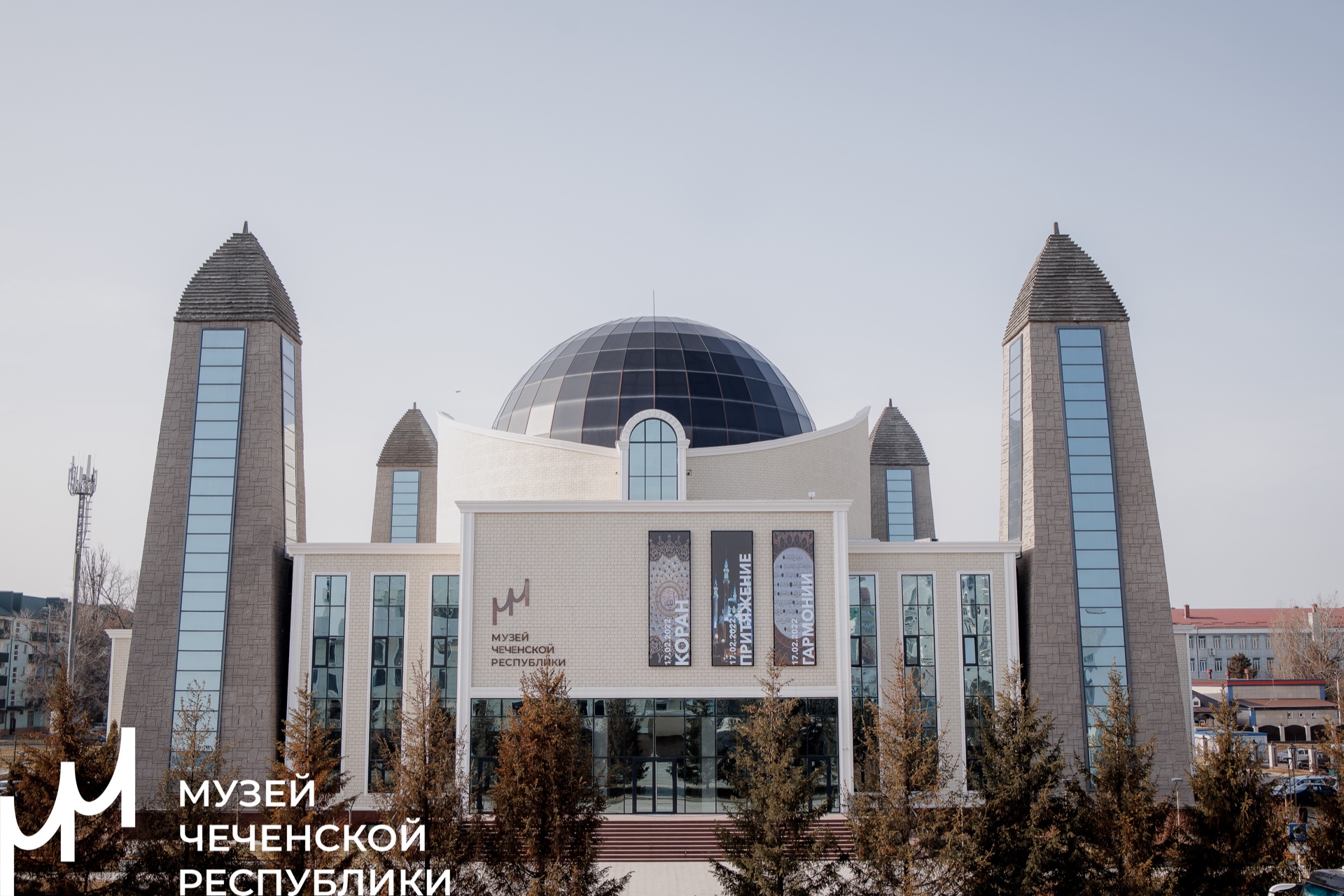 03
03First and Second Chechen Wars: sourced timeline
A careful multi-source introduction from the 1990s political crisis through two wars, civilian destruction and reconstruction.
Open guide →01 02
02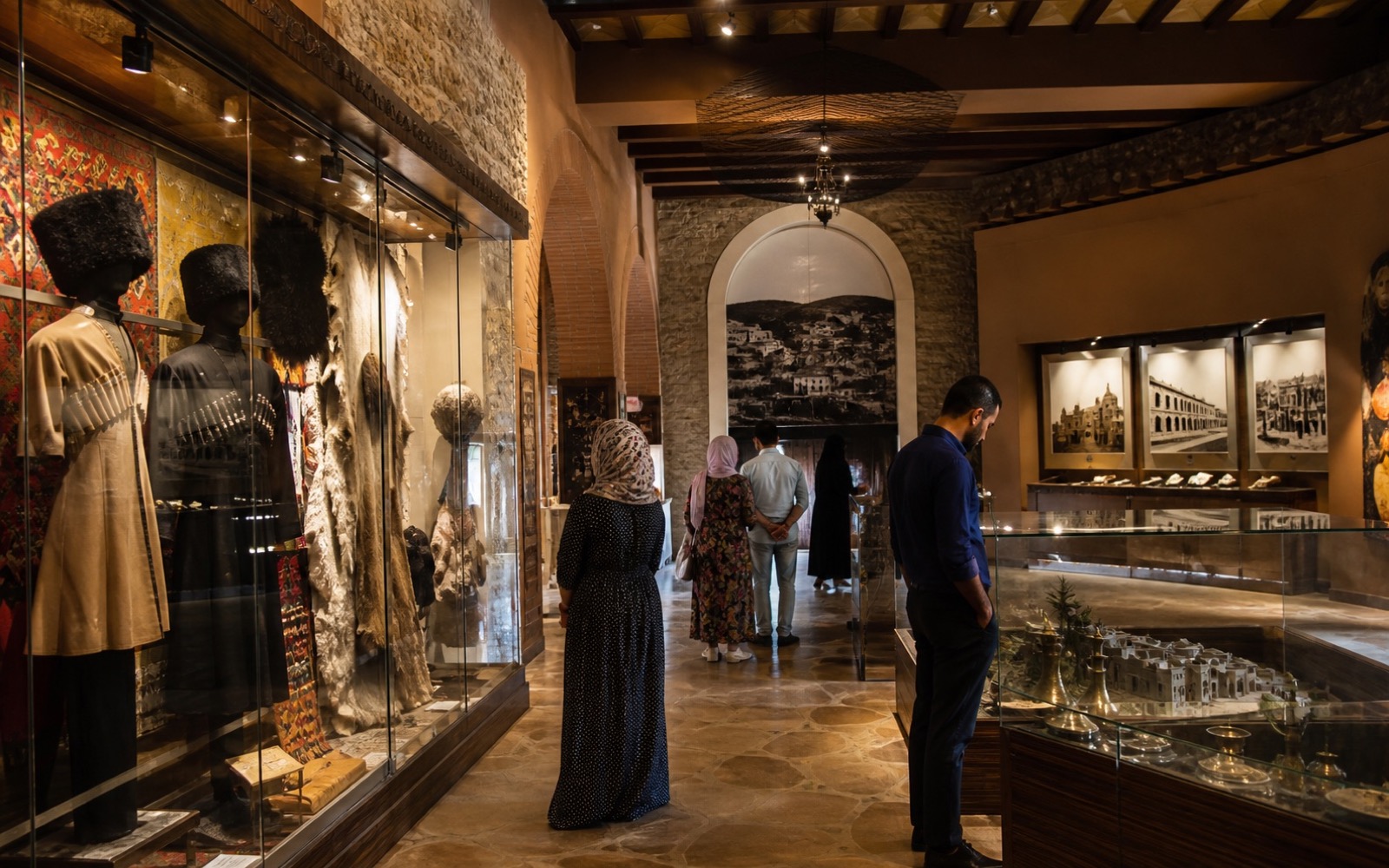 03
03COMMON QUESTIONS
The most common questions about Chechnya
01Where should I start reading Chechen history?+
Begin with the general chronology, then compare tower heritage, the 1944 deportation and museum collections as separate dossiers. This keeps architecture, oral memory and official records from being treated as one kind of evidence.
02Why do the history pages combine different sources?+
Official records, encyclopaedias, scholarship and testimony can answer the same question at different scales. Instead of hiding conflicting dates or figures, the portal keeps each source type and its limits visible.