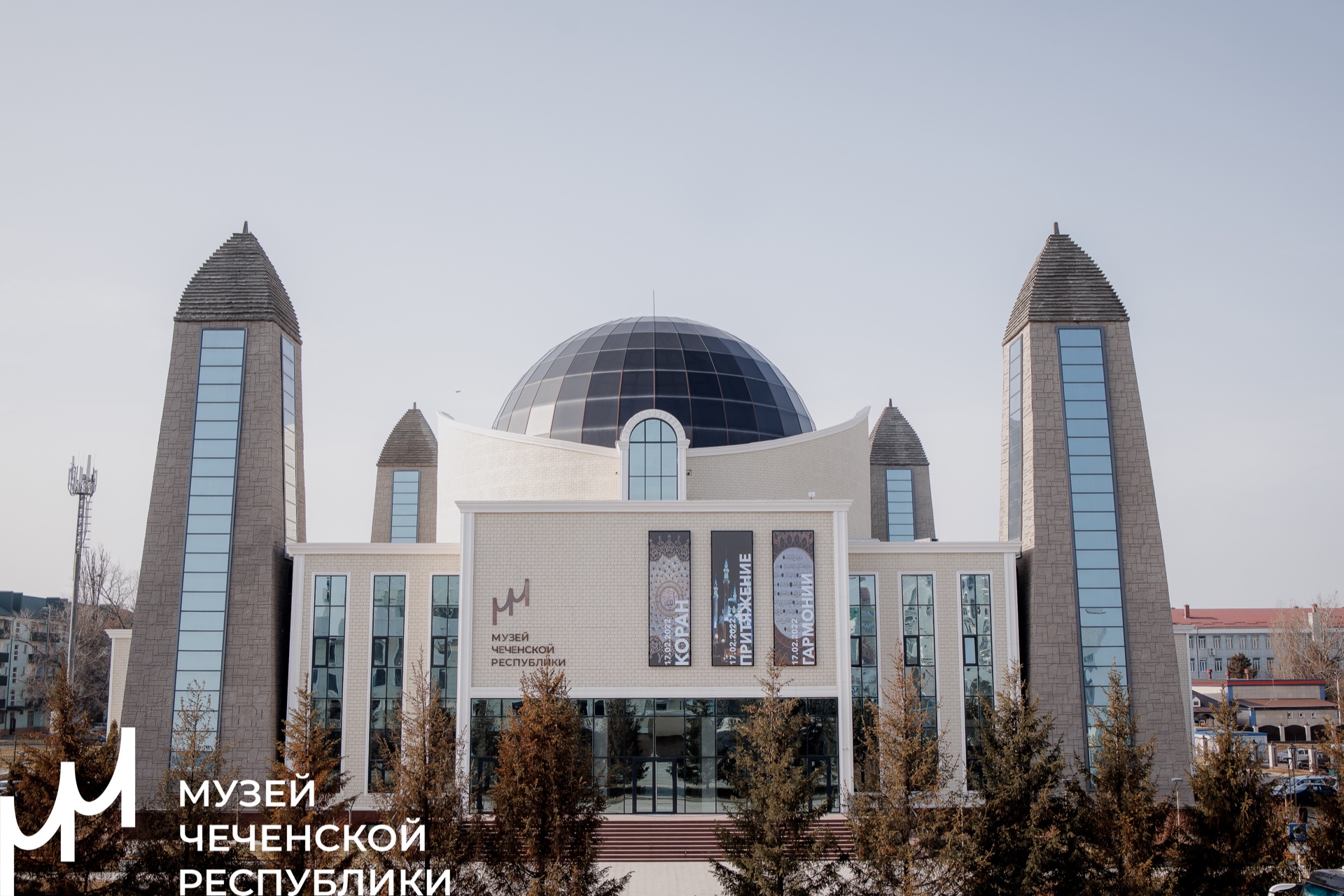
Highland society and towers
Towers were not merely defensive; they belonged to a system of kinship, settlement, farming and route control.
Reading the modern era
For war, deportation, rights and politics, compare official accounts, scholarship, testimony and independent rights reporting without forcing one absolute narrative.
Read the chronology at four different scales
A sound history reads four scales together: local settlement and kinship, relationships across the Caucasus, imperial and Soviet institutions, and family memory in everyday life. The same event may appear as an administrative decision in an official record, a process in scholarship and a personal loss in testimony. Do not reduce the past to wartime alone; follow tower architecture, migration, language, urbanisation, deportation, return and reconstruction as distinct but connected layers.
Do not flatten historical names into present-day language
A settlement, institution or administrative area may appear under different names, spellings and boundaries in sources from different periods. Instead of “correcting” this as a typo, record each term with the document date and producing institution. Projecting a current name backwards can imply continuity the evidence does not establish; using a historical name as proof of present status is equally misleading. Preserve the original term in parentheses when translating, state which source supports the transliteration, and mark uncertainty if two names have not been securely matched. A map, census record, memoir and encyclopaedia may use the same word while describing different things. This source discipline turns history from a sequence of events into an account of changing language, institutions and geographical classifications.