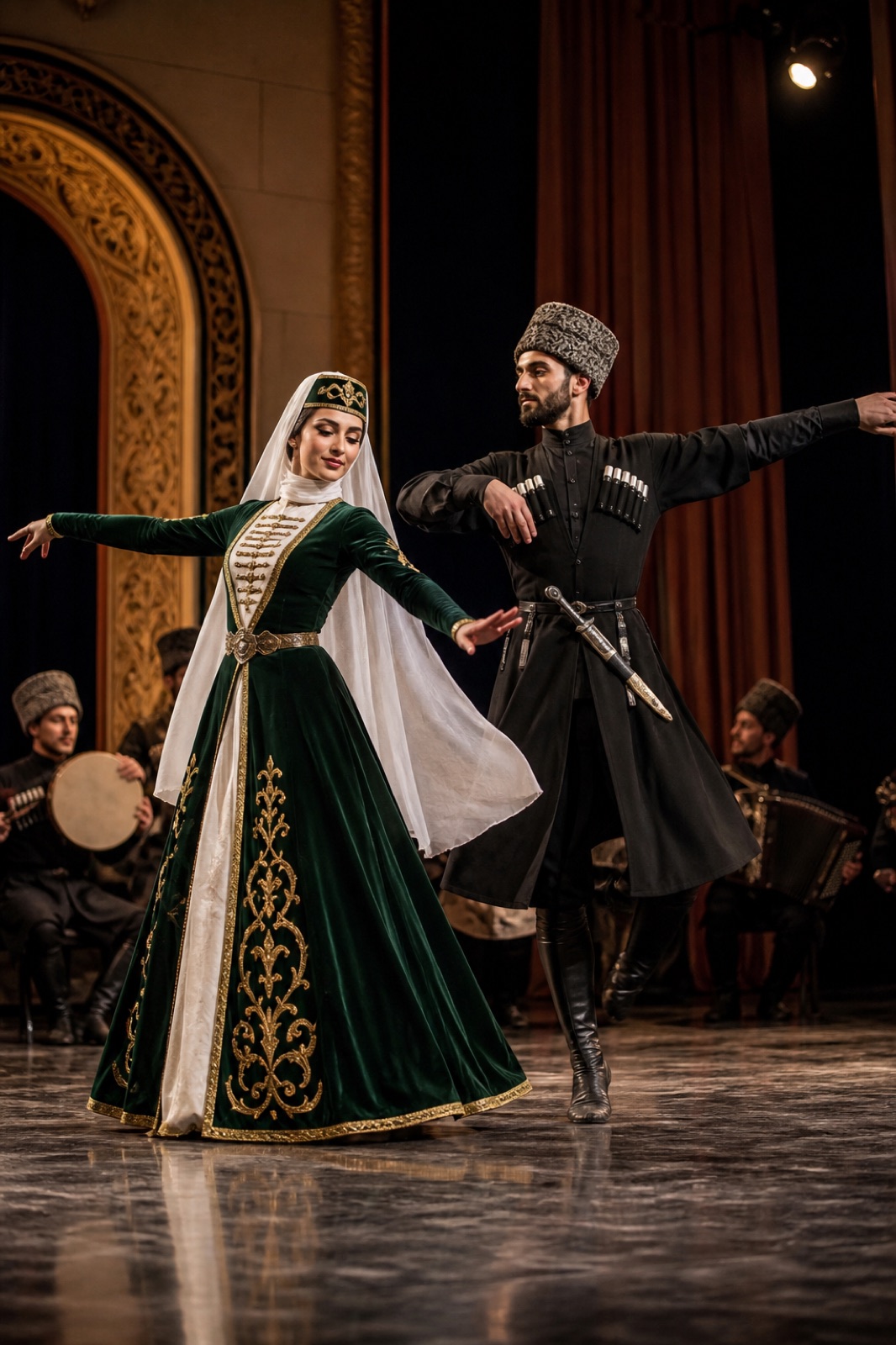
01 · North and East Caucasus
Lezginka traditions
A family of dances known for speed, posture and stage dialogue, with local forms that resist one template.
Detailed guide →CAUCASUS CULTURE ATLAS
‘Caucasian dance’ is not one choreography, nor is its music one sound. Neighbours share rhythms and instruments, while posture, accompaniment, repertoire and performance context change. This atlas keeps those distinctions visible.
A family of dances known for speed, posture and stage dialogue, with local forms that resist one template.
Detailed guide →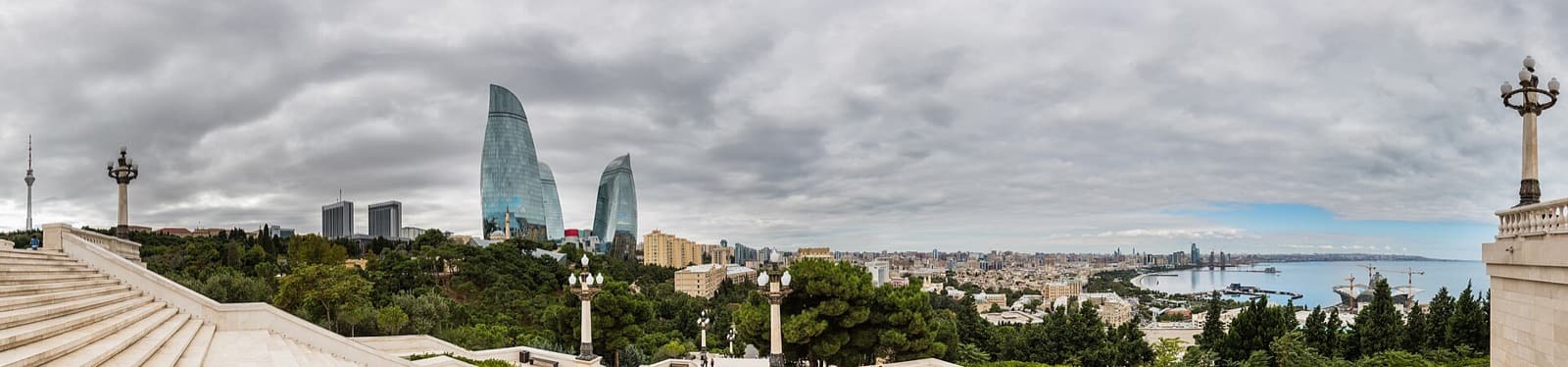
It brings poetry, modal thinking and improvisation together in a demanding performance tradition.
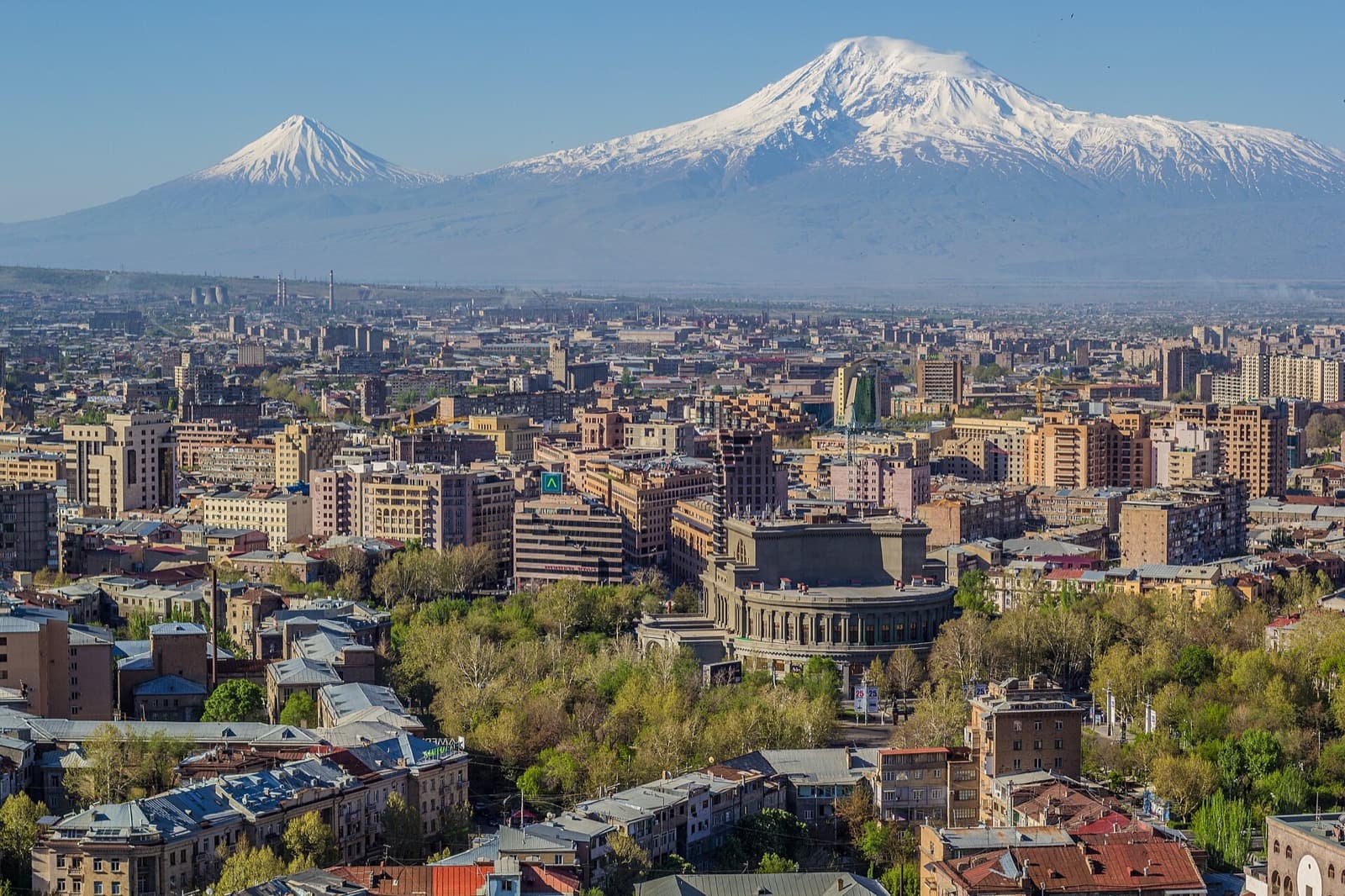
The warm timbre of the apricot-wood instrument is associated with solo and ensemble repertoire.
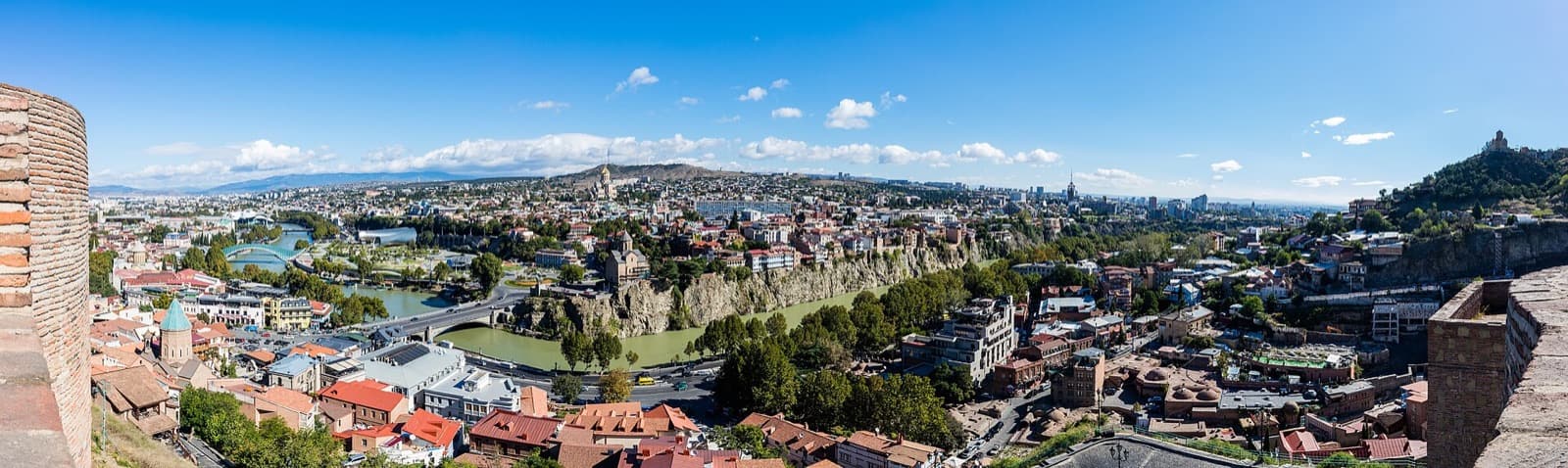
Distinct regional vocal forms and collective singing make it a singular musical heritage.
A festival choreography does not serve the same function as dance at a wedding, family gathering or local ceremony. Costume, length and movement may be rearranged for the stage; videos should name community, place and context rather than claim one authentic form.
This centre opens six windows onto the Caucasus rather than compressing the region into one tourism slogan. The city atlas connects historic fabric with contemporary life; the food atlas distinguishes ingredient from technique; dance and music separate stage spectacle from living tradition. Theatre, cinema and literature make institutions, languages and translation visible. The produce atlas explains growing environment, season and culinary use without turning food into a health claim. Every section offers a comparative beginning and a clear route into deeper guides.
Neighbourhood allows ingredients, rhythms, words and architectural forms to travel across the Caucasus. That movement does not prove that every resemblance has one origin or belongs to one community. The atlas keeps local and translated names, present practice and historical record, domestic tradition and staged performance distinct. A capital is not compared with a mountain village at the same scale, nor an everyday meal with a festival presentation. Readers continue through linked city, region and institution guides.