01 · Chechen–Ingush foodways
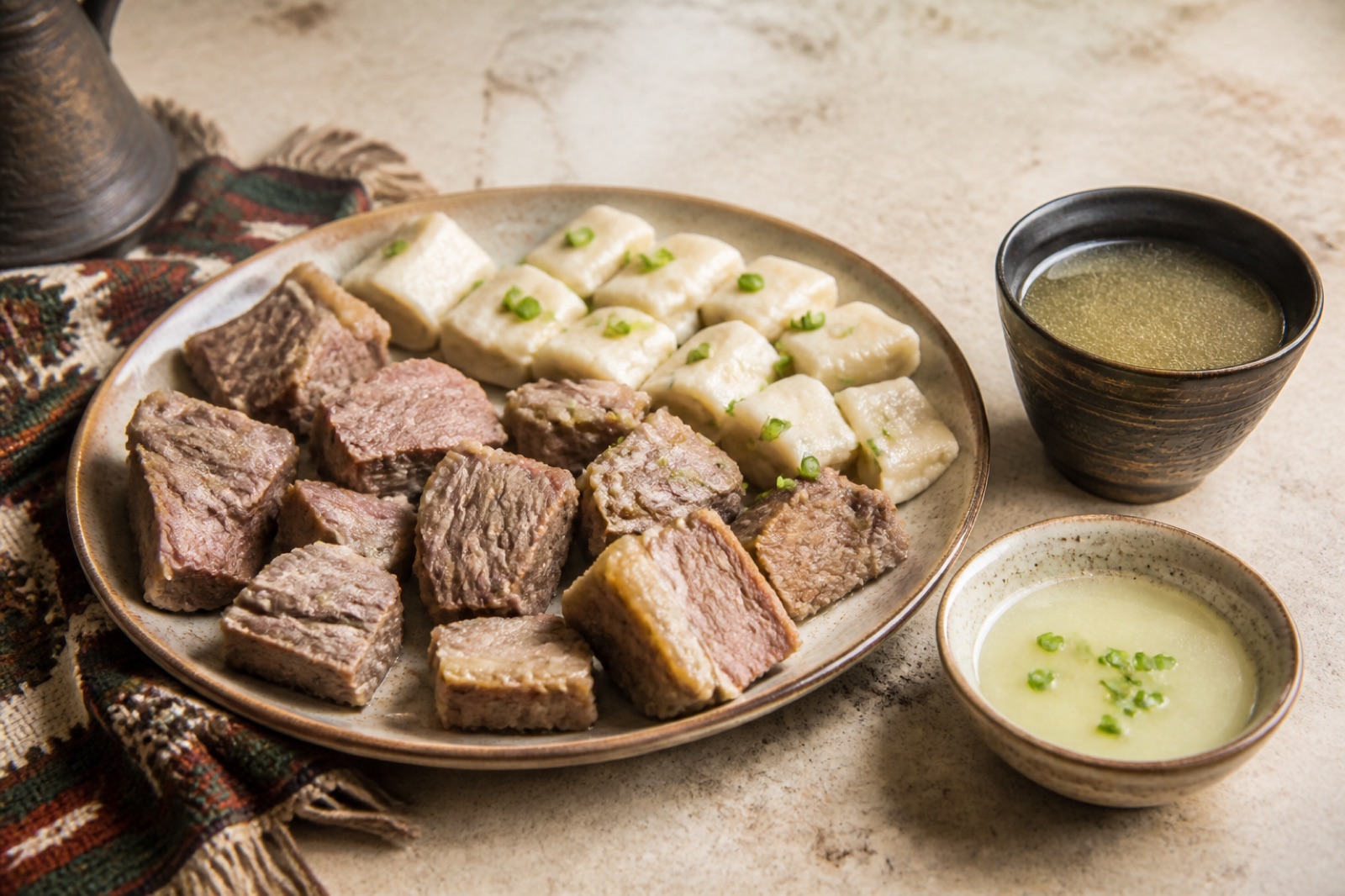
Zhizhig-galnash
Boiled meat, galnash dumplings and garlic sauce are prepared separately and assembled at the table.
Detailed guide →CAUCASUS CULTURE ATLAS
Mountain geography creates shared ingredients, but the same dough, cheese, meat or herb reaches the table through different techniques and meanings. The useful lens is not a ‘most famous dishes’ list, but method, season and hospitality.
Boiled meat, galnash dumplings and garlic sauce are prepared separately and assembled at the table.
Detailed guide →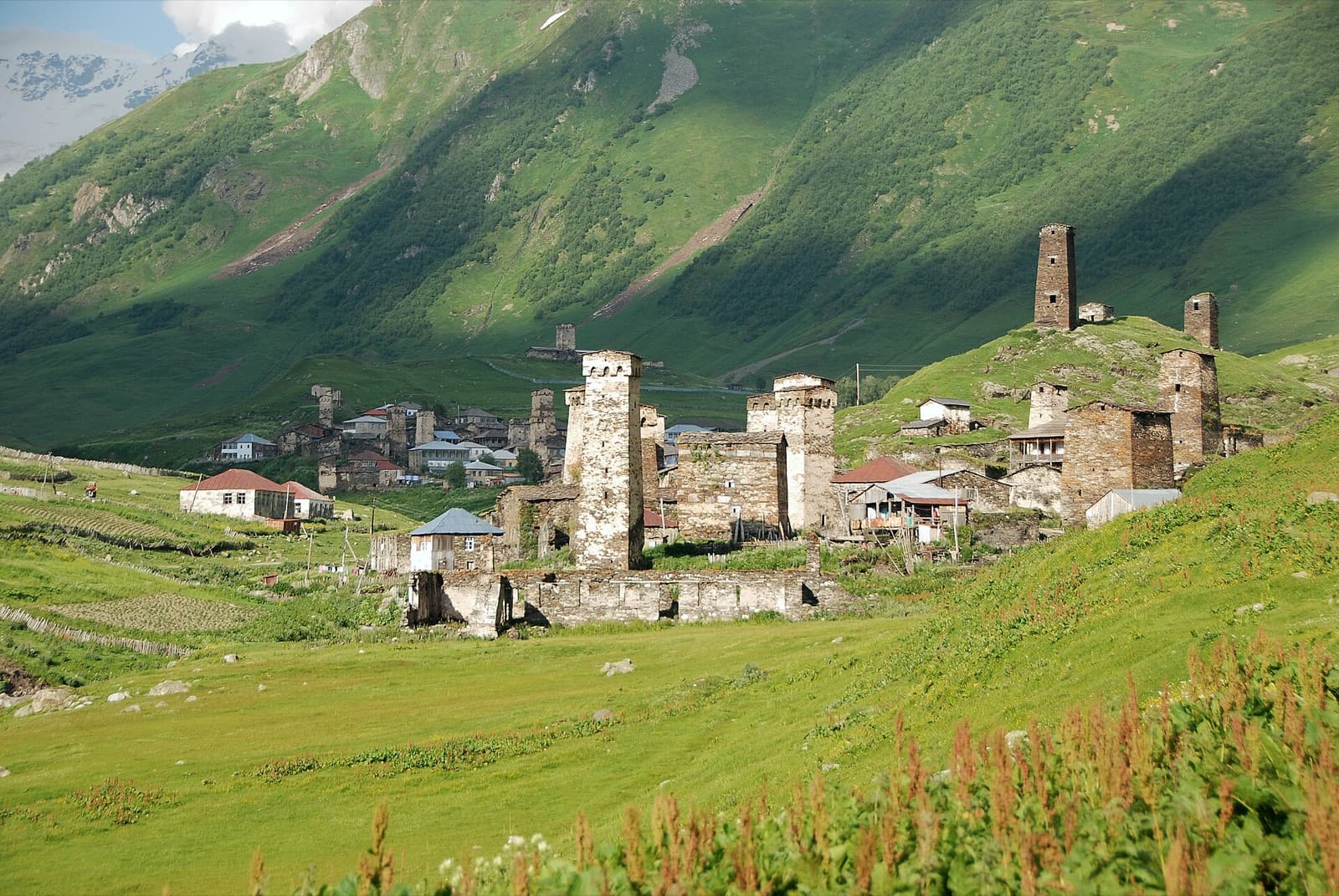
Not a single fixed form: regions create distinct versions through cheese, dough and shape.
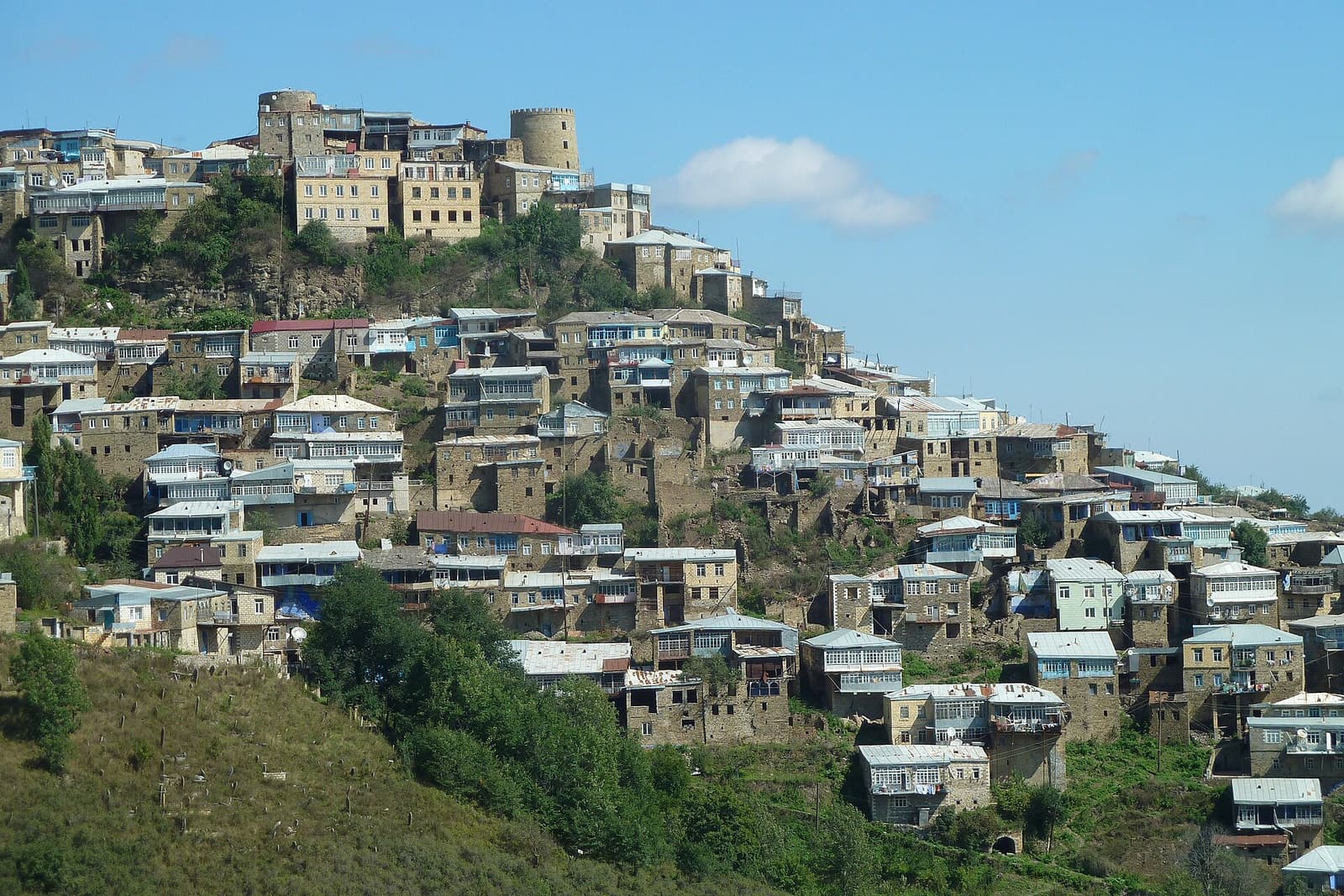
Despite a shared name, dough shape and serving style vary markedly among peoples and localities.
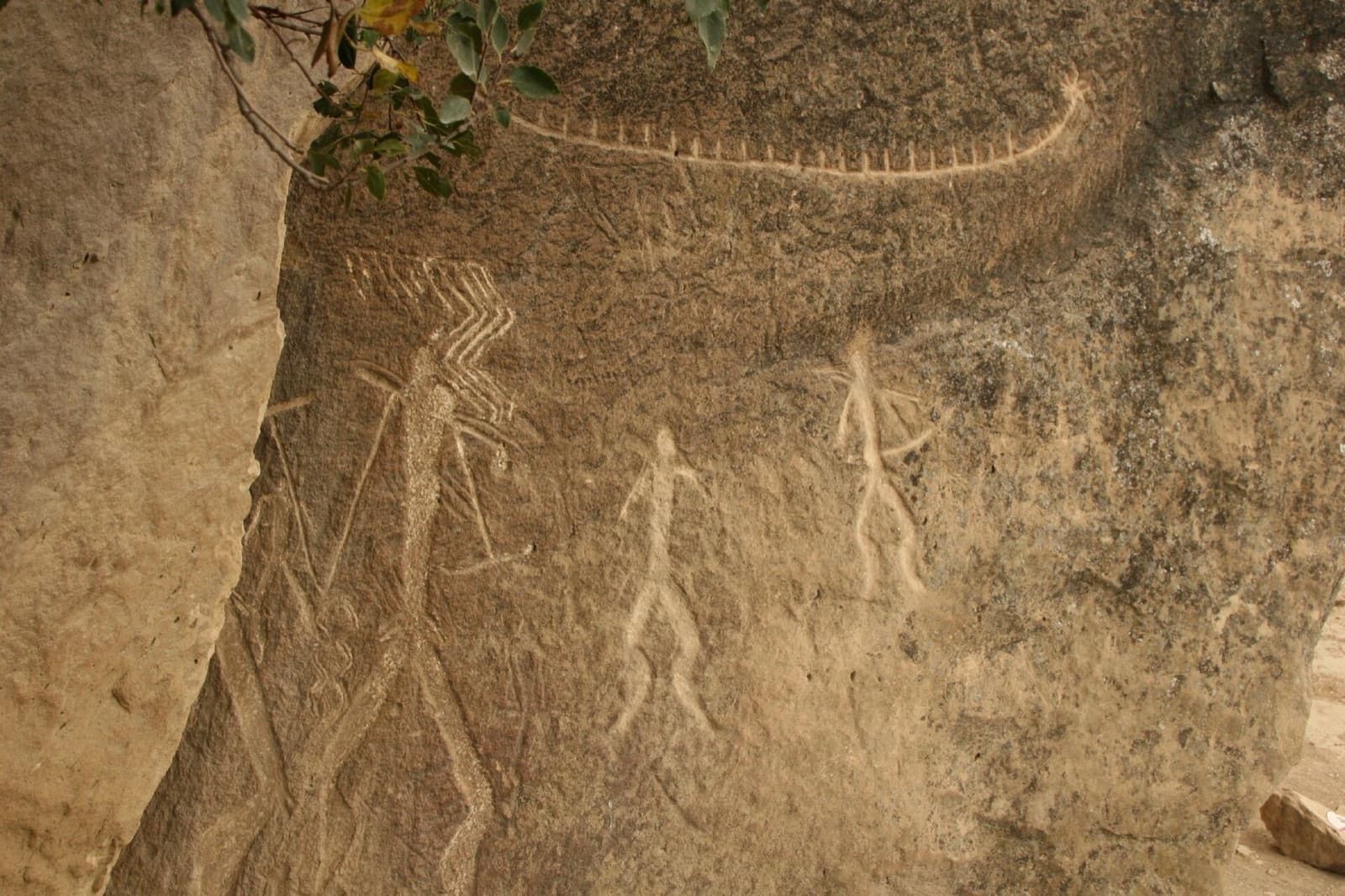
Vine leaves and stuffed vegetables vary with family recipes, season and service.
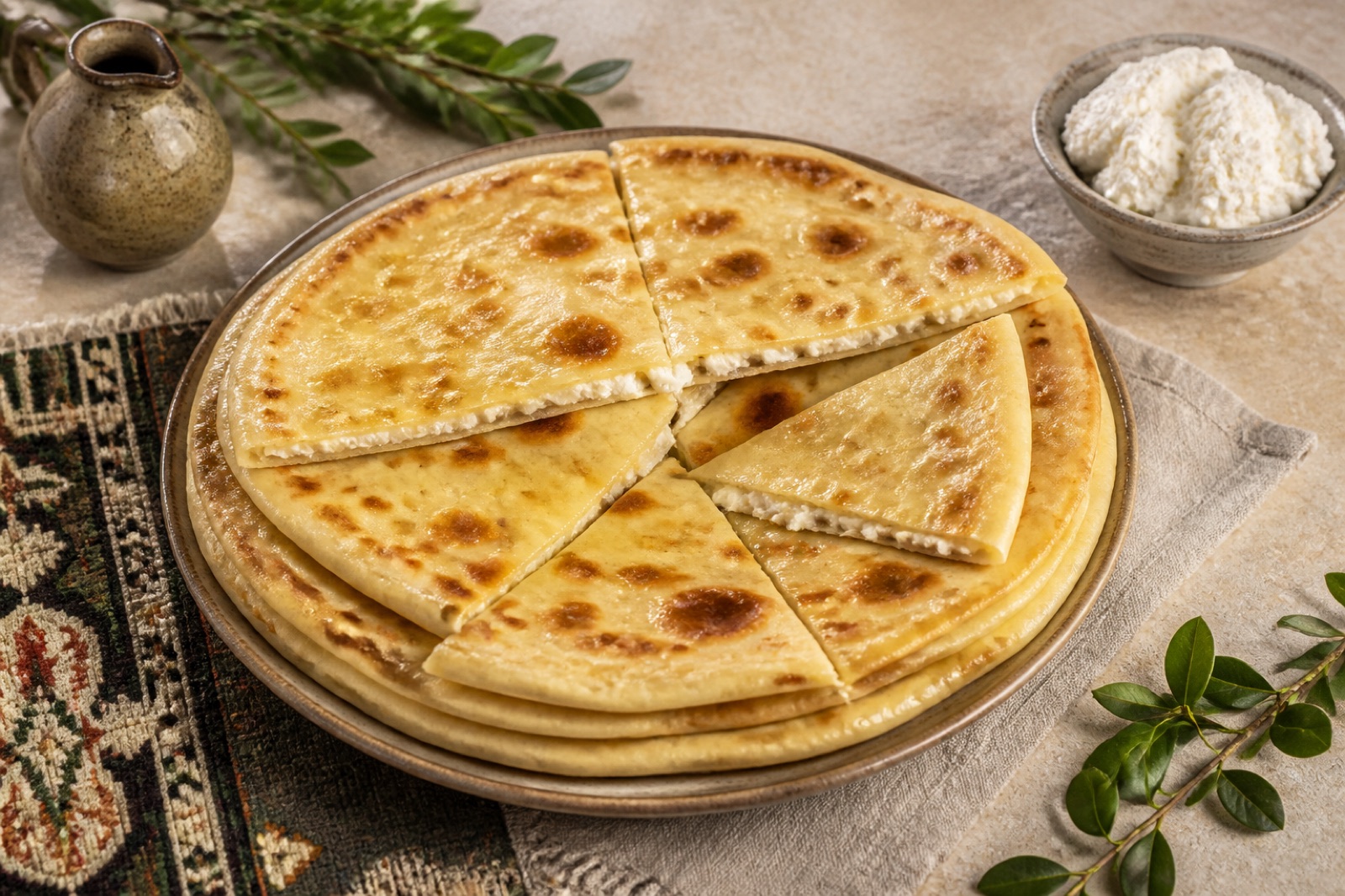
Thin dough, cheese filling and griddle cooking make it a defining everyday bread.
Detailed guide →
A living production culture spanning bread, storage, tonir baking and table ritual.
Walnuts, sour flavours, fresh herbs, cheese and dough travel across the region. Ingredients alone are misleading: cutting, fermentation, heat source, portion and serving order create local identity. Recipes should retain both locality and family variation.
This centre opens six windows onto the Caucasus rather than compressing the region into one tourism slogan. The city atlas connects historic fabric with contemporary life; the food atlas distinguishes ingredient from technique; dance and music separate stage spectacle from living tradition. Theatre, cinema and literature make institutions, languages and translation visible. The produce atlas explains growing environment, season and culinary use without turning food into a health claim. Every section offers a comparative beginning and a clear route into deeper guides.
Neighbourhood allows ingredients, rhythms, words and architectural forms to travel across the Caucasus. That movement does not prove that every resemblance has one origin or belongs to one community. The atlas keeps local and translated names, present practice and historical record, domestic tradition and staged performance distinct. A capital is not compared with a mountain village at the same scale, nor an everyday meal with a festival presentation. Readers continue through linked city, region and institution guides.