2026 · IN-DEPTH GUIDE

Who are the Chechens? Nohchi and Vainakh identity

Meet the Chechen people through the self-name Nohchi, the Vainakh language link, North Caucasian geography, everyday culture and diaspora.

Last checked: 17.08.2026

TRIP WALLET

Add this guide to your trip

Saved content remains one trip record across all languages and stays only on this device.

01 · QUICK ANSWER

Quick answer

Chechens are an indigenous people of the North Caucasus and also use Nohchi or Nokhchi as a self-name. Linguists place Chechen and Ingush in the Vainakh branch of the Nakh-Daghestanian, or Northeast Caucasian, family. Linguistic closeness does not make Chechen and Ingush identities interchangeable.

Self-nameNohchi / Nokhchi
Language branchVainakh
GeographyNorth Caucasus

02 · Visual route

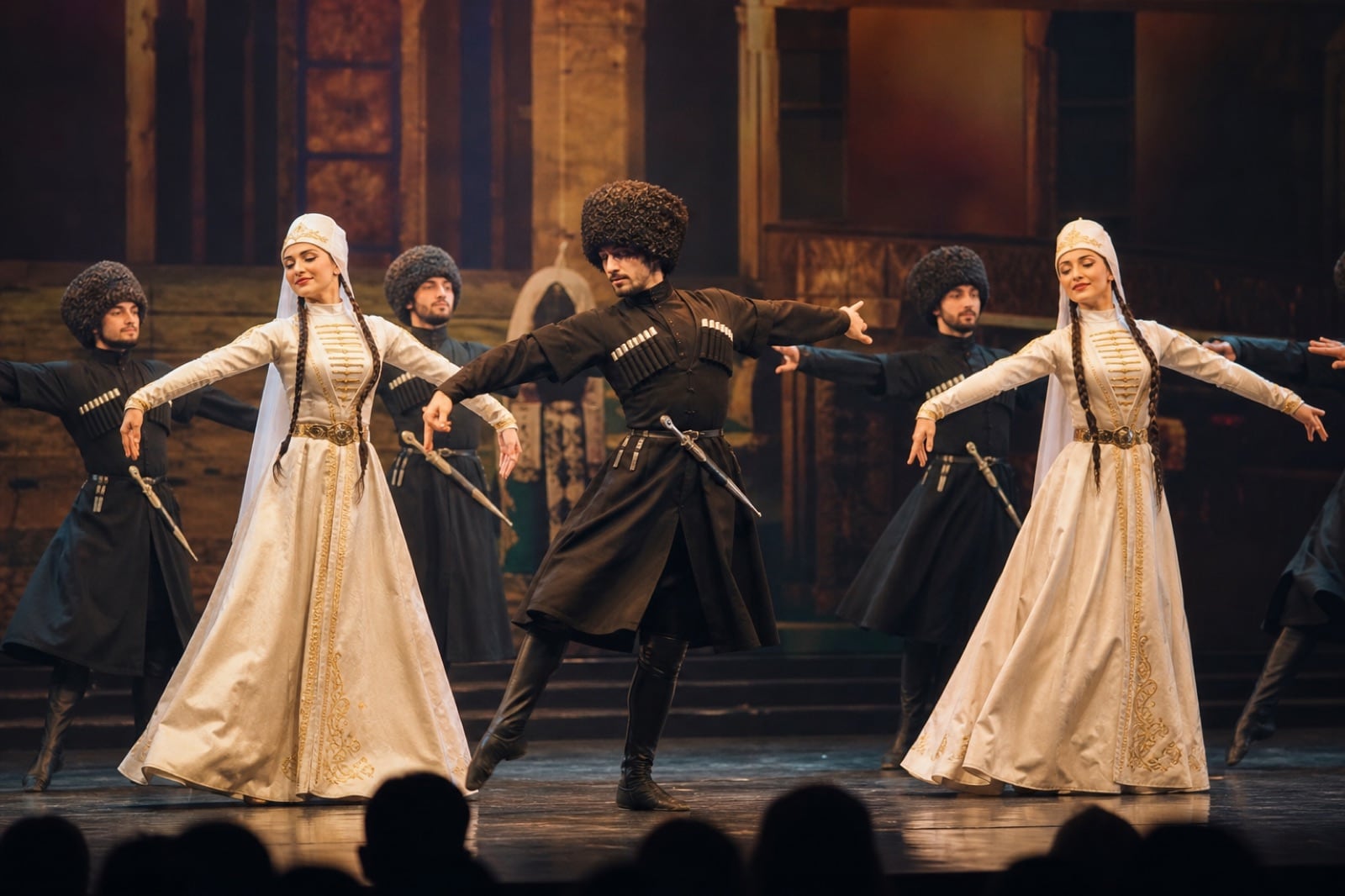
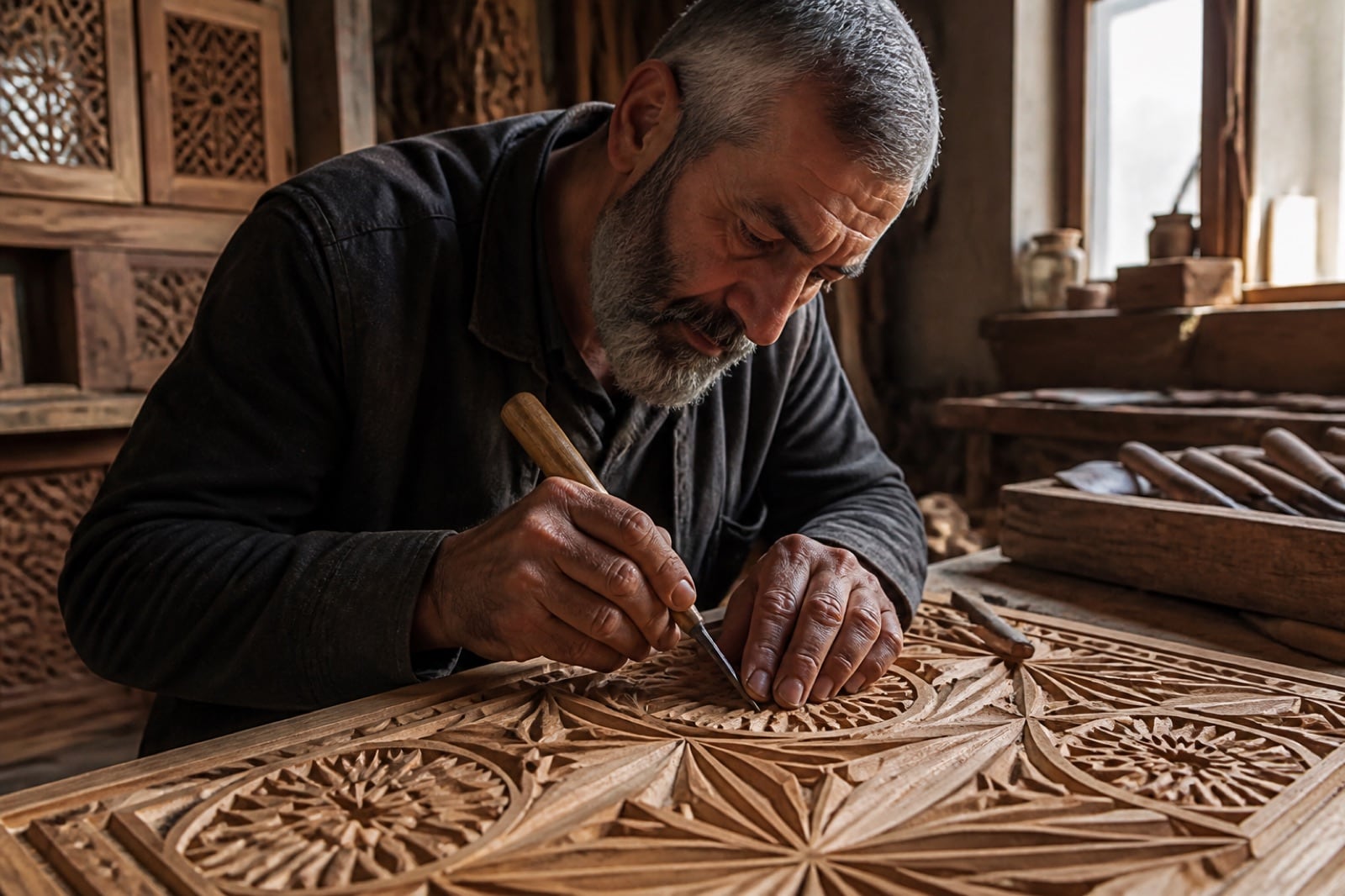
Two beautiful stops to pair with this guide

04

What does Nohchi express?

Nohchi is one of the self-designations used in Chechen. English-language sources may spell it Nokhchi, Noxçi or Noxchiy. Those variants usually reflect different transliteration systems rather than different peoples.

05

Are Vainakh and Nakh the same?

In linguistic scholarship, Nakh is the broader branch, while Vainakh usually names the close Chechen–Ingush subbranch. Bats, or Tsova-Tush, appears in the wider Nakh context. These labels explain relationships but should not replace modern community names.

06

Do not confuse language, faith and ethnicity

Language, faith and historical alliances are different layers. Sunni Islam is the predominant religious tradition among Chechens, yet Chechen identity cannot be reduced to faith. Language-family classification is a linguistic question, independent of shared religion.

07

Where everyday culture lives

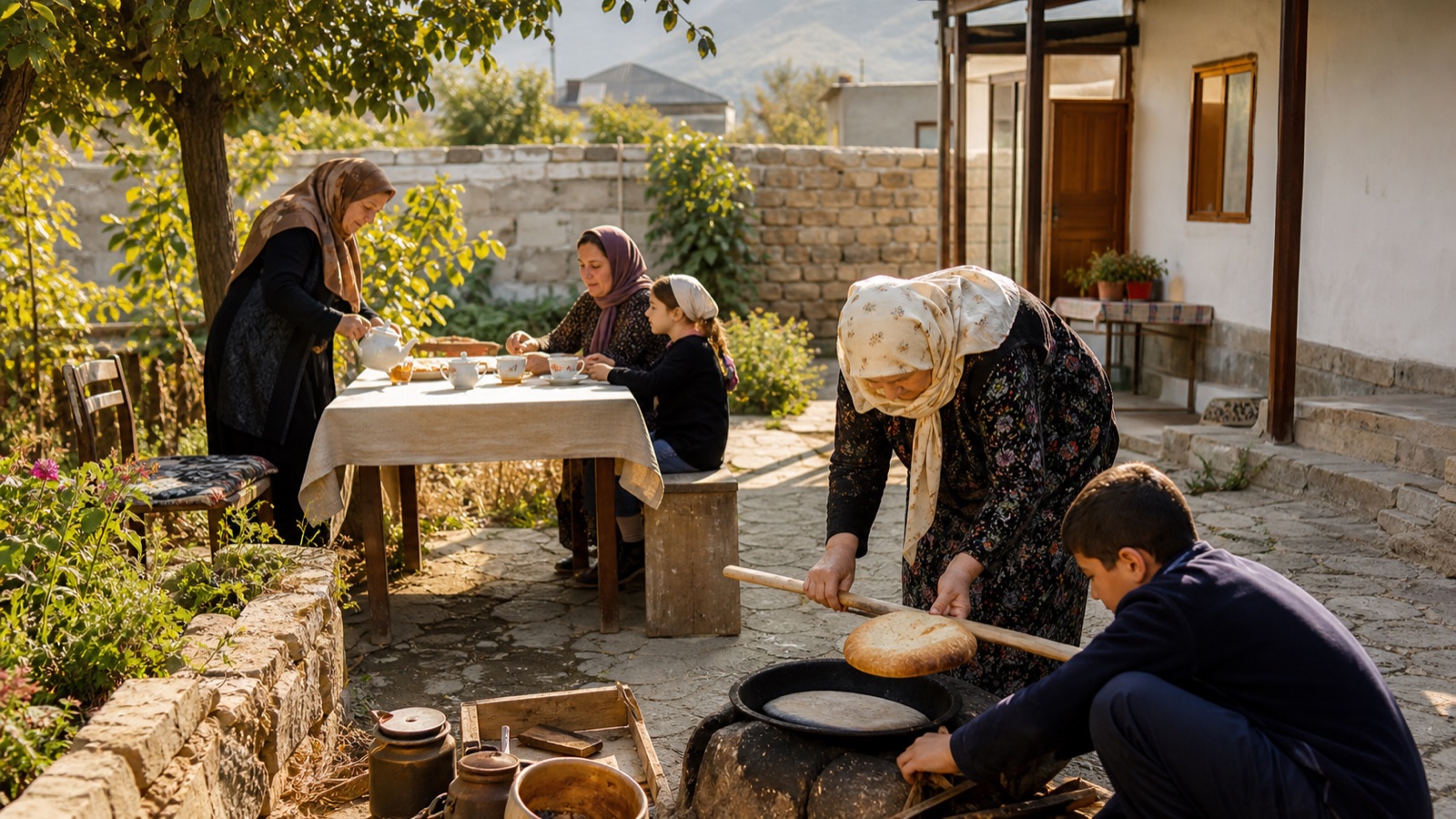
Family tables, hospitality, weddings, dance, music, oral history and neighbourhood ties are visible carriers of culture. Concepts such as Nohchalla are better explored through how different families and generations interpret them, not as a rigid checklist.

08

Cultural transmission in the diaspora

Across Turkey, Jordan, Europe and elsewhere, language use, urban life and family histories vary. Food, weddings, associations and digital archives may reinforce language in one community and partly replace it in another. The diaspora should never be presented as a single uniform culture.
COMMON QUESTIONS

Frequently asked questions on this topic

Short answers clarify the differences between identity, language and cultural ties.

01What do Chechens call themselves?

The Chechen self-name is Nohchi. Latin-script sources also use spellings such as Nokhchi, Noxçi and Noxchiy, usually because they follow different transliteration systems.

02What does Vainakh mean?

Vainakh is an umbrella term for the linguistic and cultural closeness of Chechens and Ingush. It does not replace their distinct identities.

03Are Chechens Muslim?

Sunni Islam is the predominant religious tradition among Chechens. Ethnic identity and individual faith are not the same, and no precise share is stated because there is no current official percentage.

04Are Chechens Turkic or Circassian?

Chechens are neither a Turkic nor a Circassian/Adyghe people; they are a distinct indigenous people of the North Caucasus. Chechen belongs to the Vainakh branch, not to Turkic or Northwest Caucasian Circassian languages.

Sources

Encyclopaedia Britannica — ChechenOxford Handbook — Chechen and IngushEncyclopaedia Iranica — Caucasus language contact