2026 · IN-DEPTH GUIDE

Chechen and Ingush: Vainakh ties and distinct identities

A guide to closely related languages and shared Vainakh heritage alongside distinct peoples and modern identities.

Last checked: 16.08.2026

TRIP WALLET

Add this guide to your trip

Saved content remains one trip record across all languages and stays only on this device.

01 · QUICK ANSWER

Quick answer

Chechens and Ingush are two distinct, closely related peoples. Chechen and Ingush form the Vainakh branch of Northeast Caucasian, but linguistic closeness does not mean identical identity. History, administration, language, locality and modern institutions differ.

Shared termVainakh
PeoplesTwo distinct identities
LanguagesClosely related

VAINAKH RELATIONSHIP MATRIX

Close linguistic kinship, distinct identities

The Vainakh frame explains proximity without collapsing Chechen and Ingush into one identity.

Close linguistic kinship, distinct identities
FieldShort answerHow to read it
CHECHENDistinct people and language

Chechen is closely related to Ingush within the Nakh branch but remains a distinct language.

1
INGUSHDistinct people and language

Ingush shares the Vainakh classification; closeness is not sameness.

1
SHARED FRAMEVainakh

An umbrella term for linguistic and cultural kinship, not a replacement for current identities.

1

02 · Visual route

Two beautiful stops to pair with this guide

04

What Vainakh describes

Vainakh is an umbrella for Chechen–Ingush linguistic and cultural closeness. It should not erase each people's name, political experience or contemporary institutions.

05

How to discuss similarity and difference

When discussing tower heritage, deportation and related languages, also name local differences. Do not automatically assign one community's tradition to the other; tie names, food, weddings and oral culture to source and place.

06

Label shared Vainakh heritage precisely

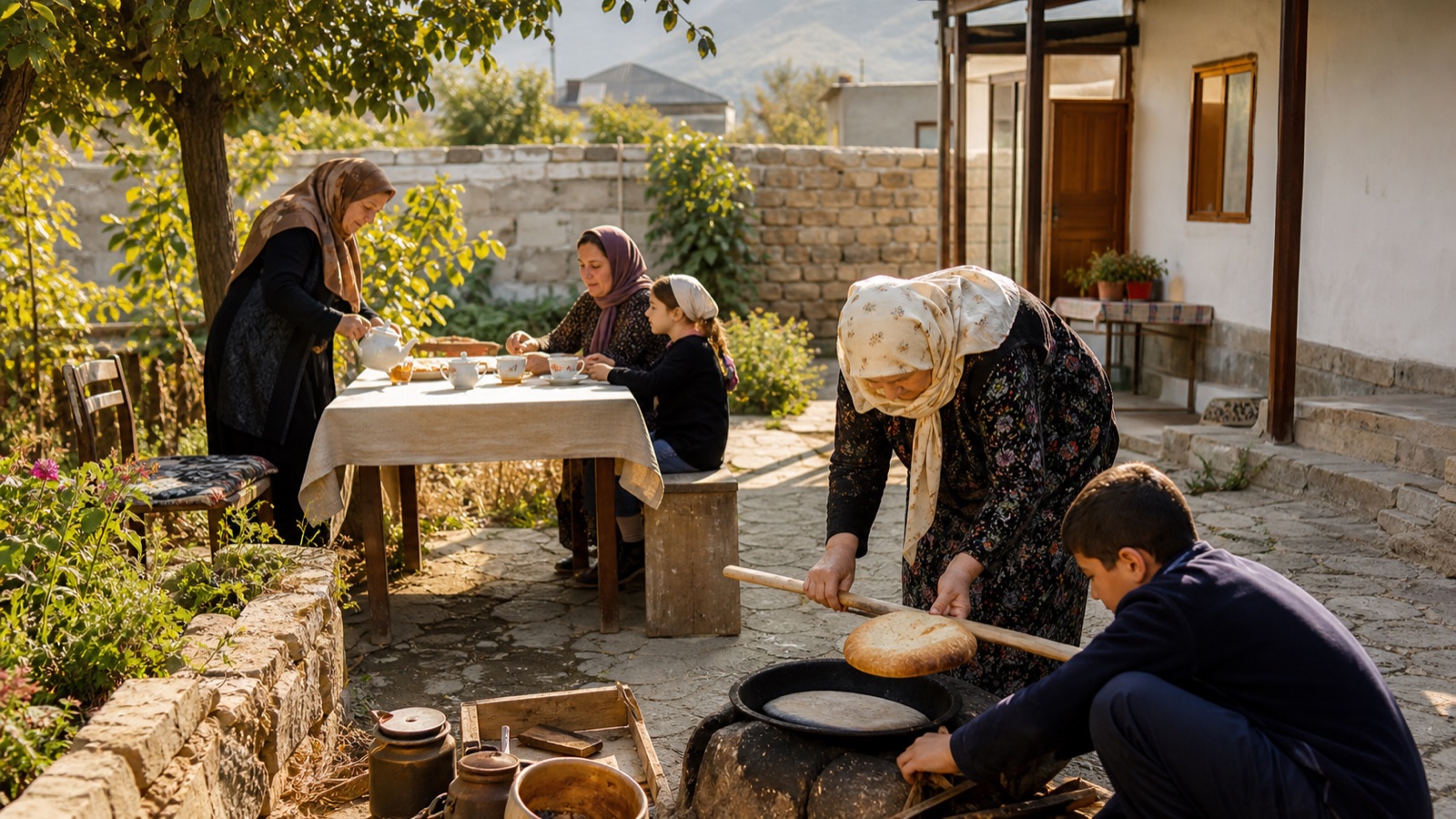
Vainakh is a useful umbrella for the close linguistic and cultural relationship between Chechens and Ingush, but it should not replace the names of two distinct peoples. Before presenting a custom, family story, tower tradition, dish or oral-history example, identify whom the source actually describes. Record the community name, place and speaker or publication together. If a source says only “Vainakh,” explain that scope; look for further evidence before narrowing it to Chechen or Ingush. Related languages are not one language, and kinship does not mean every speaker automatically understands the other. Translation and pronunciation examples therefore need separate checking for each language. Preserving contemporary identities and communities’ own names makes the shared Vainakh relationship more precise and trustworthy.
COMMON QUESTIONS

Frequently asked questions on this topic

Short answers clarify the differences between identity, language and cultural ties.

01Are Chechens and Ingush the same people?

No. They are two distinct, closely related peoples. Vainakh describes their shared linguistic and cultural relationship, not a single identity.

02Are Chechen and Ingush the same language?

No. They are closely related but distinct languages in the Vainakh branch. Relatedness does not mean every speaker automatically understands the other language.

03Does Vainakh refer only to Chechens?

No. The term is used especially for the shared Chechen–Ingush linguistic and cultural framework.

04Are Chechen and Ingush cultures identical?

No. Tower architecture, oral heritage and some traditions are closely connected, while local history, language, family practice and contemporary institutions also differ.

Sources

Johanna Nichols — Chechen and IngushEncyclopaedia Iranica — Languages of the Caucasus