Why the language families differ
Geographic proximity does not mean one language family. Chechen and Ingush are Vainakh; Circassian languages such as Adyghe and Kabardian belong to another major group. Their vocabulary, sound and grammar reflect separate histories.
Names used in Turkey
Everyday umbrella labels such as Caucasian—and sometimes an overly broad use of Circassian—can obscure family identities. The respectful approach is to ask how a person identifies rather than assume.
Build the comparison from four kinds of evidence
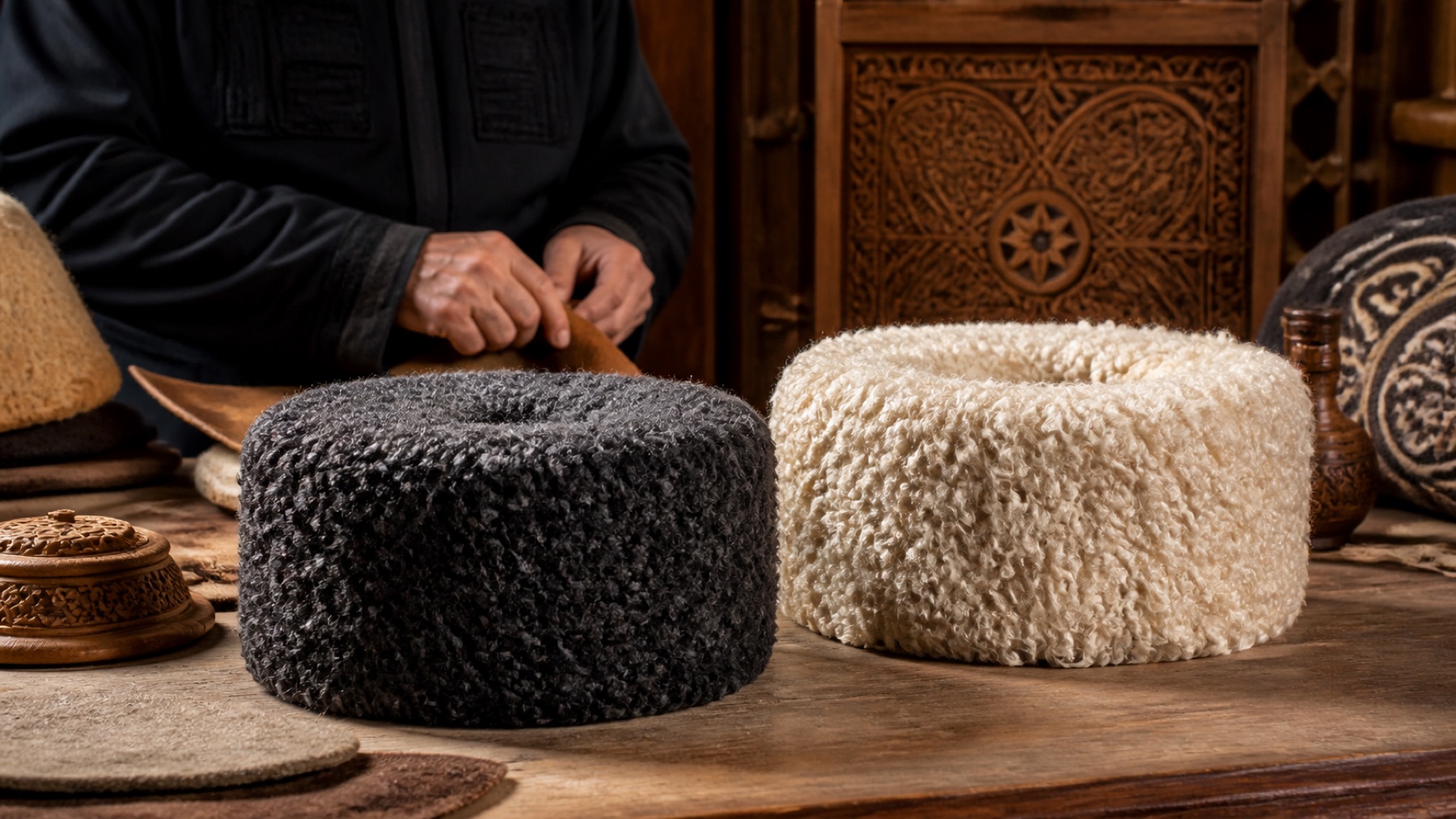
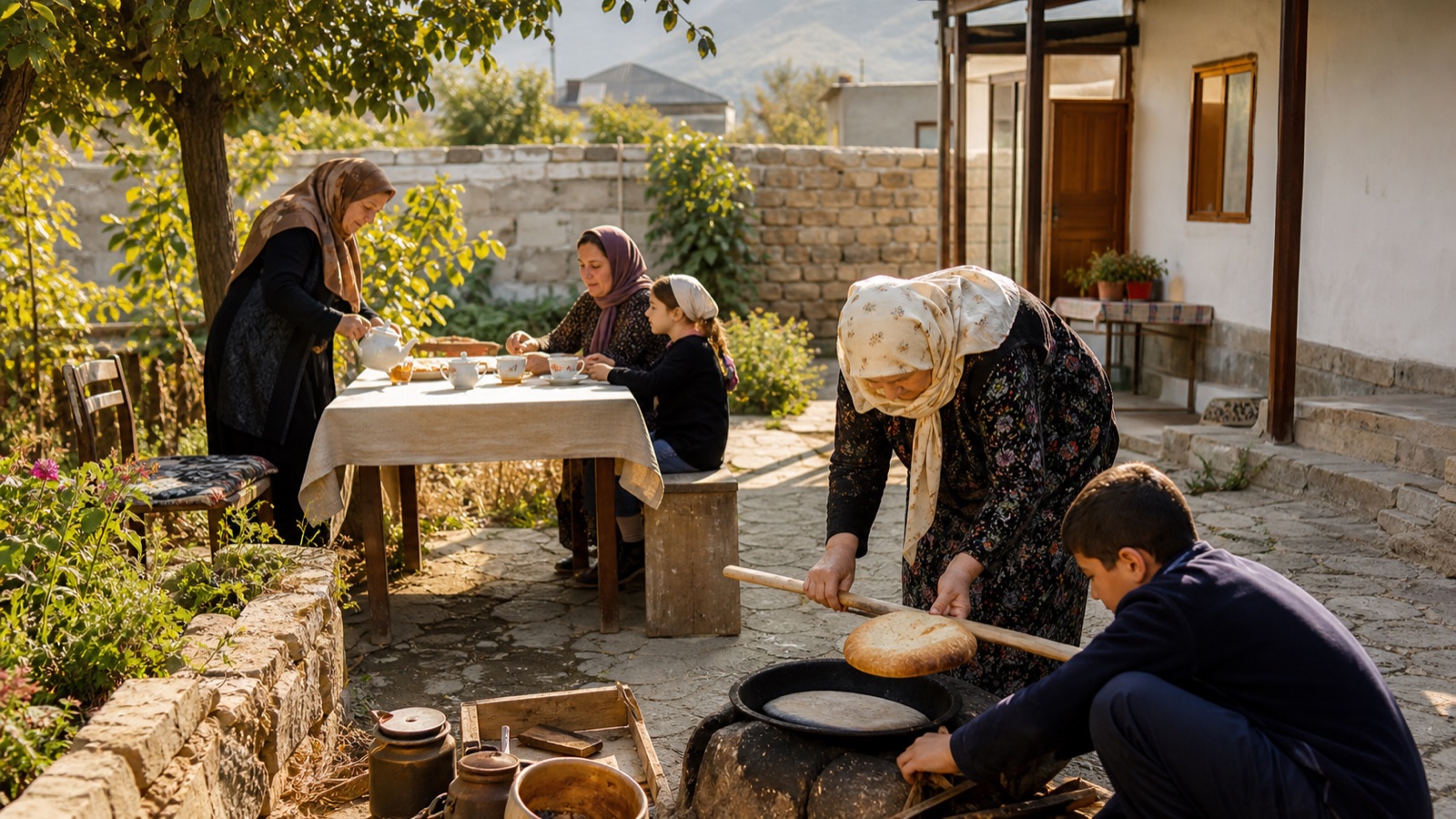
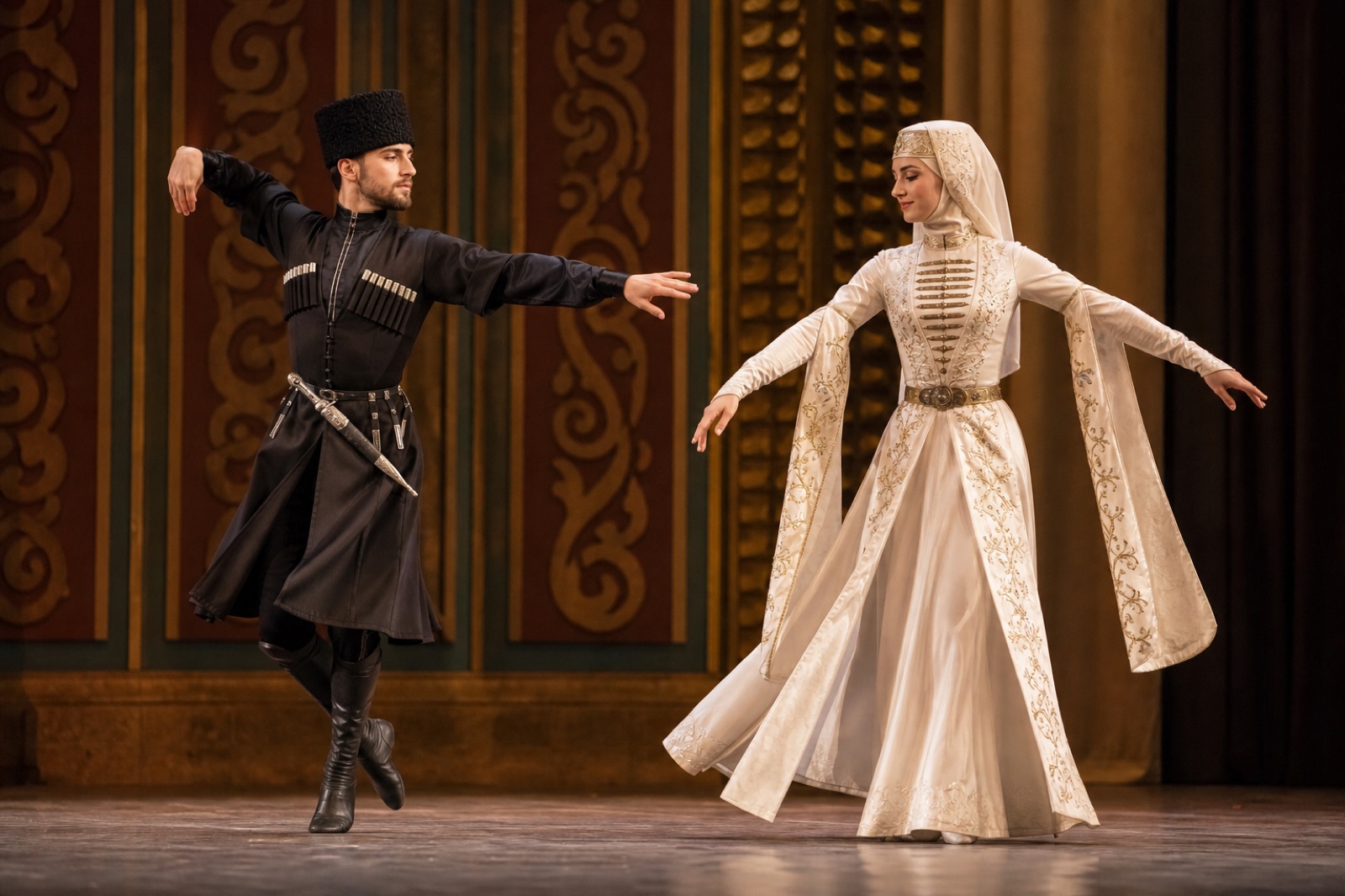
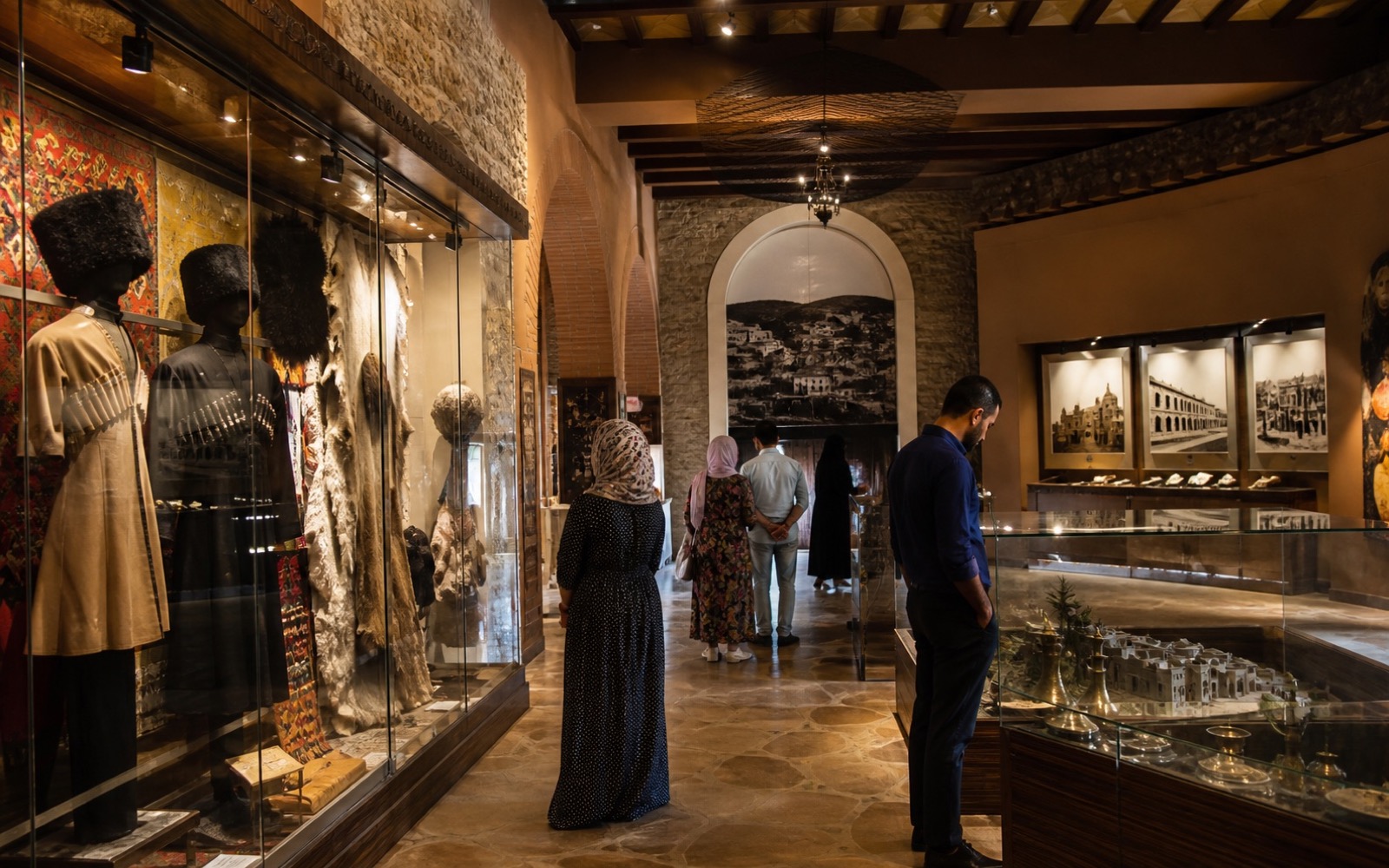
When comparing Chechen and Circassian identities, do not treat language, geography, family memory and cultural practice as the same kind of evidence. For language, use established classification: Chechen belongs to the Vainakh branch of Northeast Caucasian, while Circassian languages such as Adyghe and Kabardian belong to Northwest Caucasian. In diaspora accounts, preserve the name people use for themselves, the family’s place of origin and the exact community named by the source. A similar costume, dance figure, dish or surname cannot establish ethnicity on its own. Nor should broad labels such as Caucasian—or a historically broad use of Circassian—replace precise identity. Describe similarities created by neighbouring histories as contact and shared context, not proof that the peoples are one.