From traditional dress to fashion
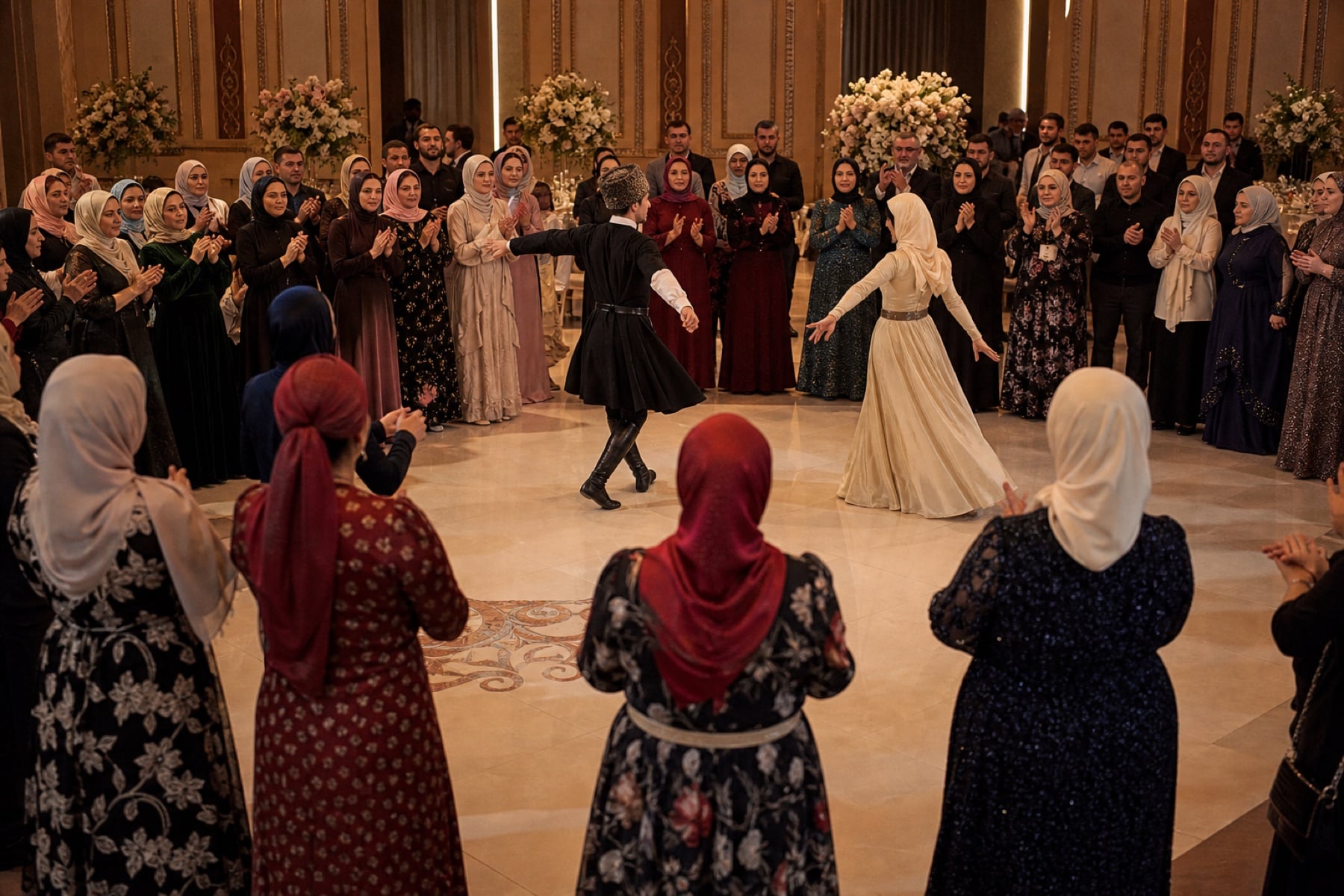
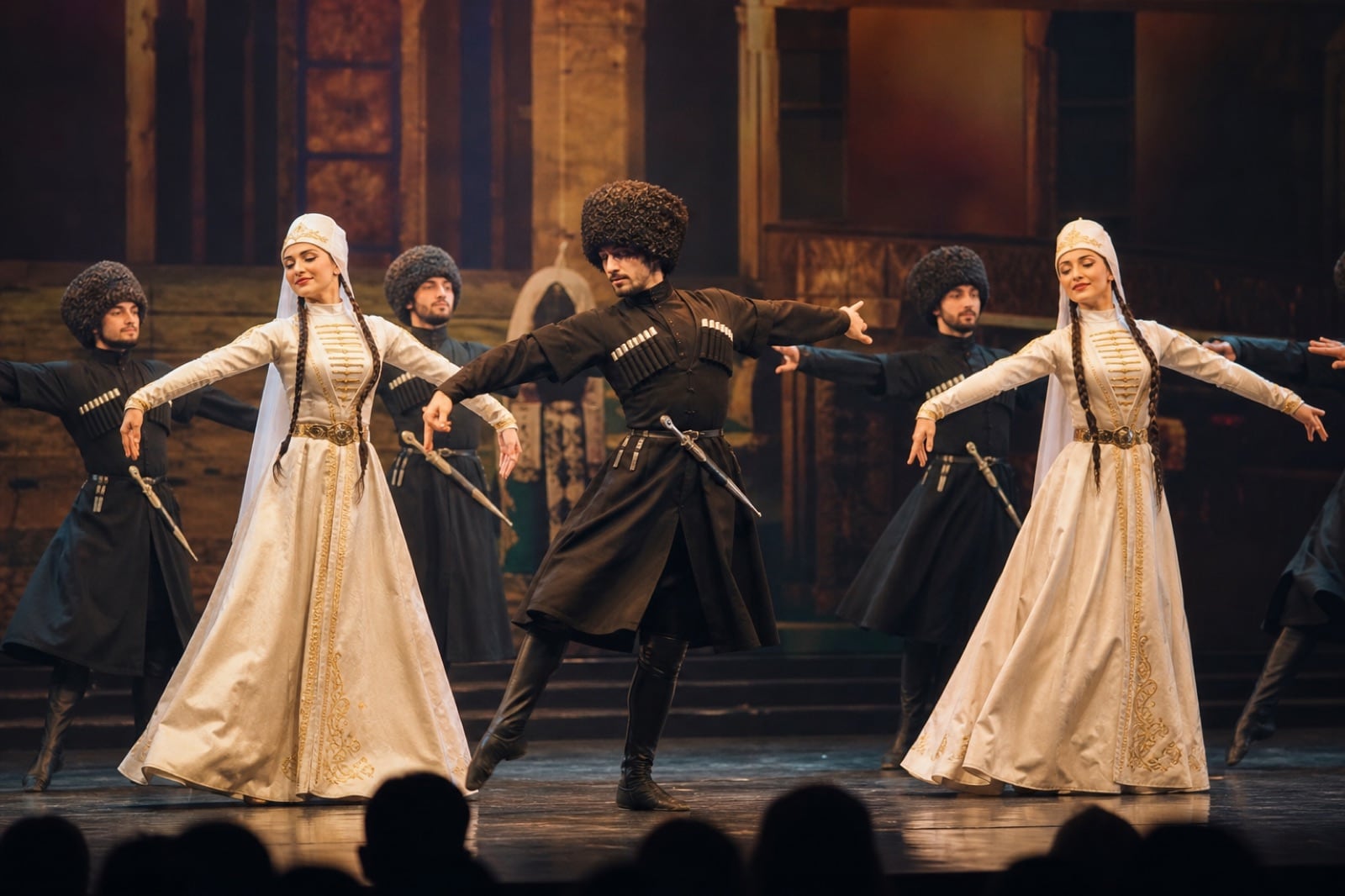
Historic women's and men's dress developed within particular uses, social settings and craft rules. Contemporary fashion may borrow colour, proportion, fastening or ornament, but not every long dress is traditional Chechen costume. Museum object, stage costume and commercial collection should be read as different things.
A new generation of designers
Young designers increasingly treat Chechen culture as an idea of bearing and movement, not just a motif. In a 2025 interview with Grozny-Inform, Eva Isaeva described bringing tower and mountain references into contemporary cuts in Paris—an example of diaspora design building a vocabulary between local heritage and international fashion training.
How to read a collection
Begin with silhouette, then see how the fabric responds to light and movement. Ask whether embroidery is structural or decorative, whether accessories complete the garment, and whether the collection is intended for daily life, ceremony or stage. Cultural inspiration is not the same as historical accuracy; the designer's own statement is the best starting point.
A fashion-and-craft route in Grozny
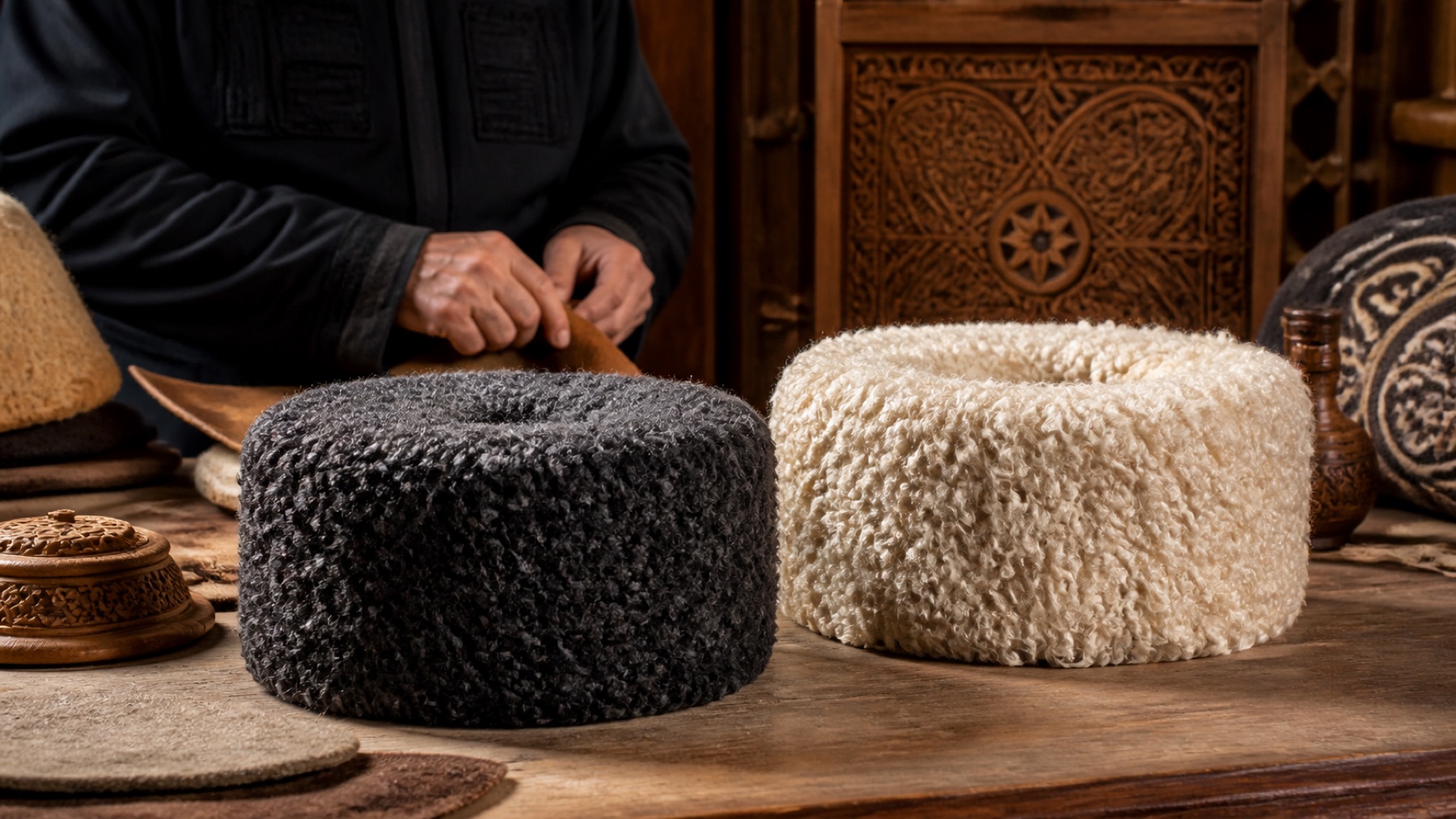
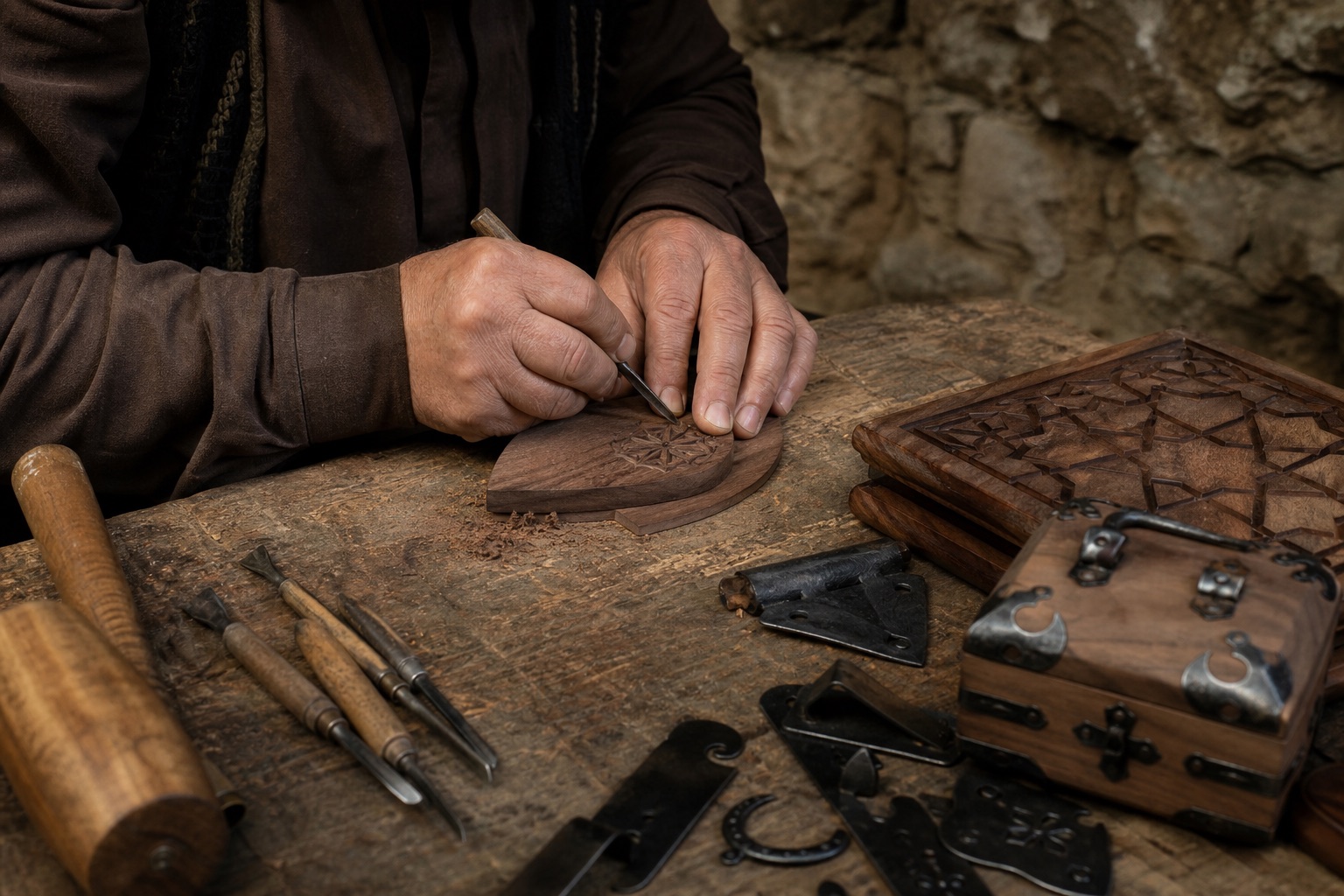
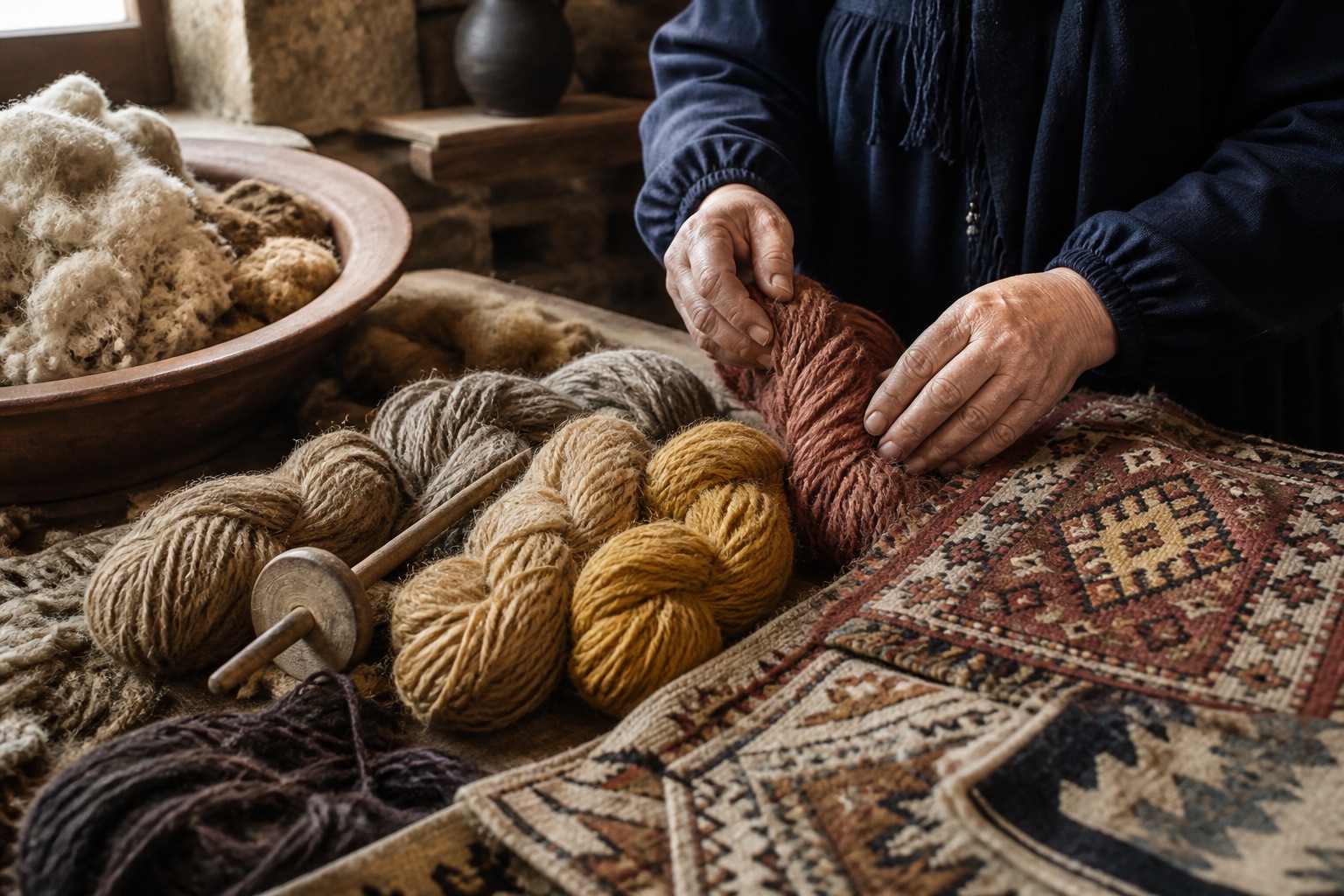
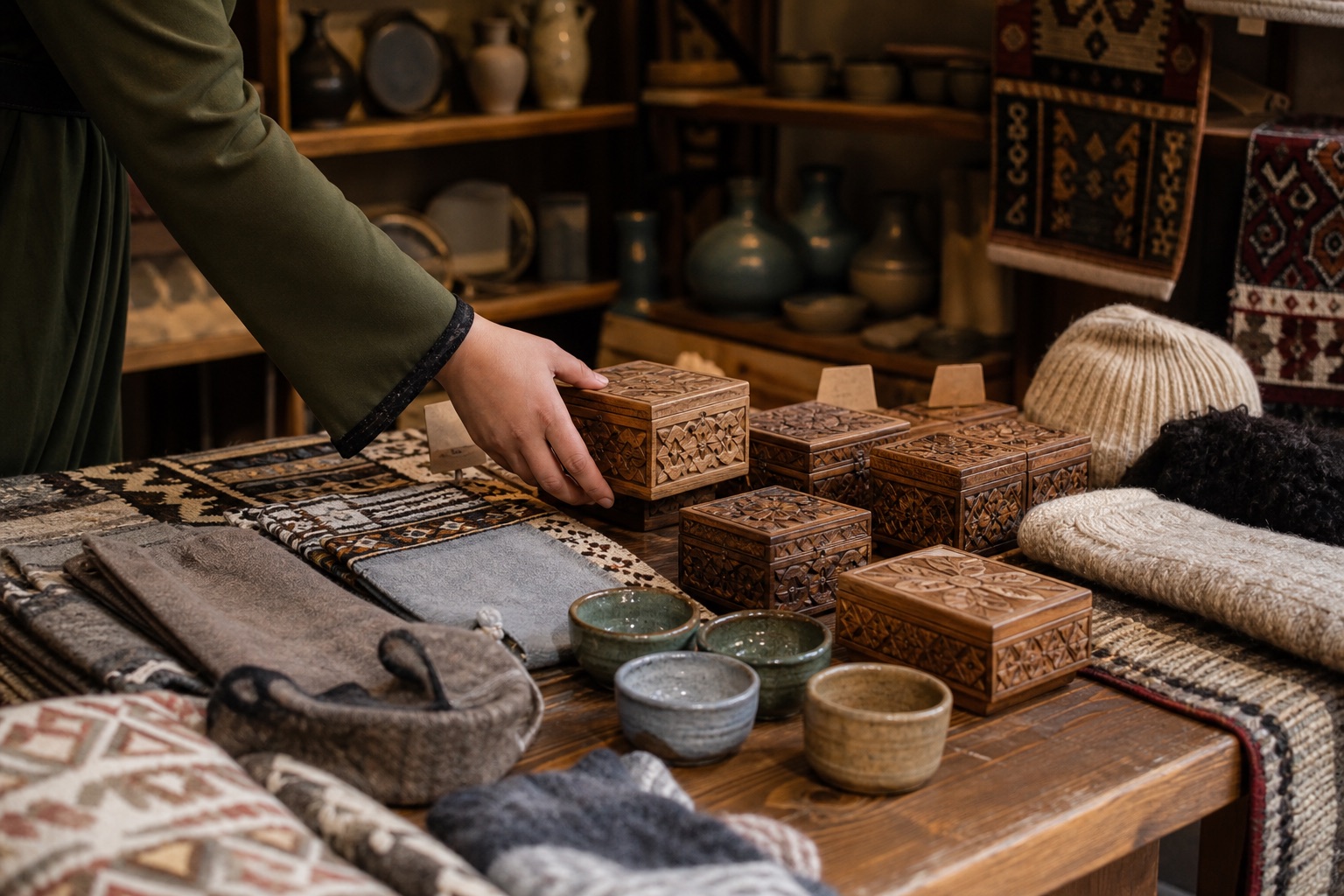
Pair an exhibition or runway programme with a market or studio where textiles and handwork can be examined. Confirm time, invitation and photography rules with the organiser. When buying, ask about fibre content, place of production, care and whether the item is handmade or mass-produced.