Hours, prices and transport can change, so check the relevant organisation's latest notice before you go.
Lowlands and mountains are not one rural world

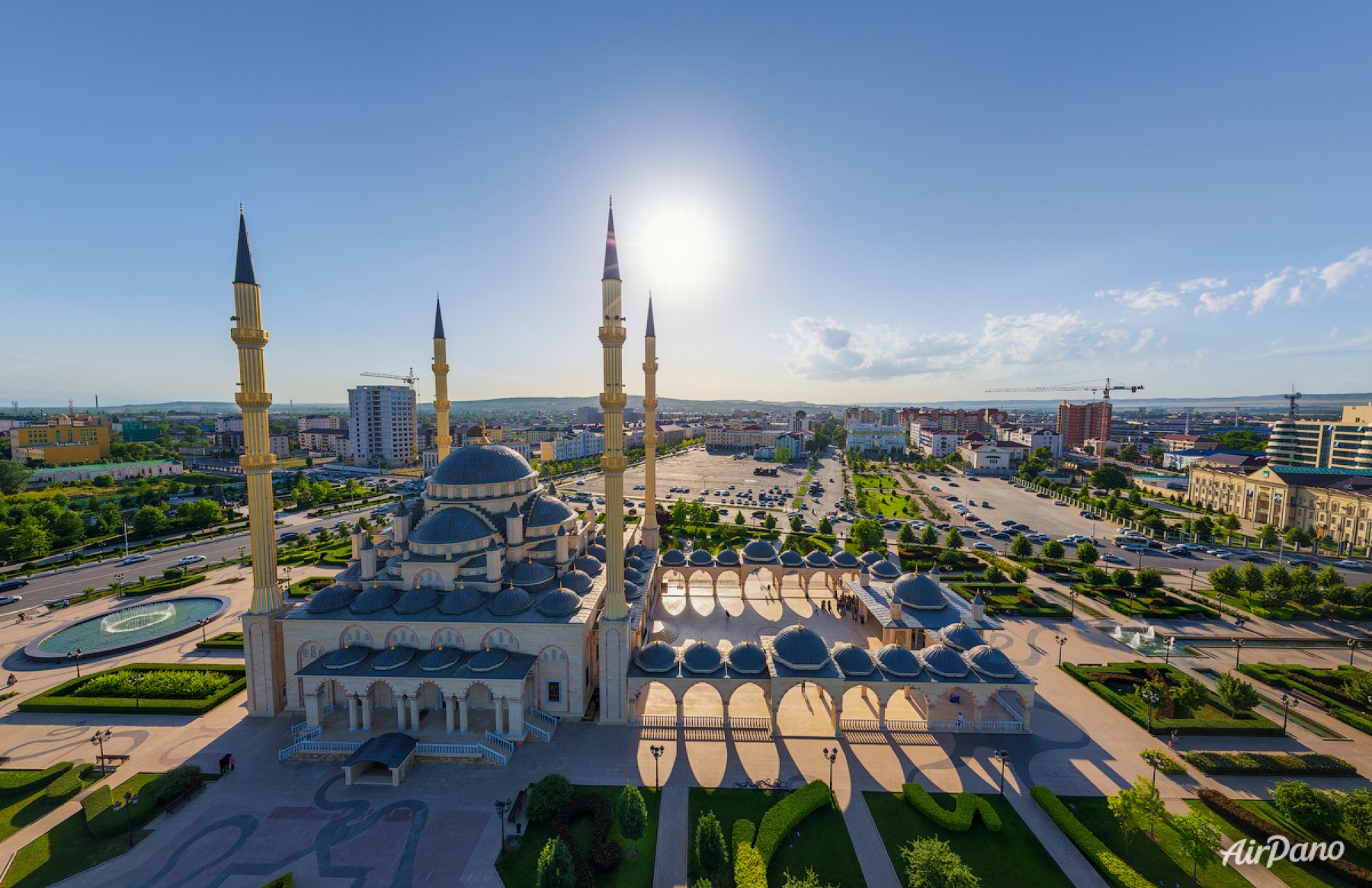
Rural Chechnya cannot be described only through towers in high mountain landscapes. Lowland fields and settlements can spread more widely, while slope, access to water and the direction of roads matter more visibly in the mountains. Notice the distance between houses, the position of gardens and how a road meets a settlement. Stone buildings may tell you about the past, but understanding today's village also means noticing occupied homes and working spaces rather than looking only at the historic centre.
Belkhi: completing a task together
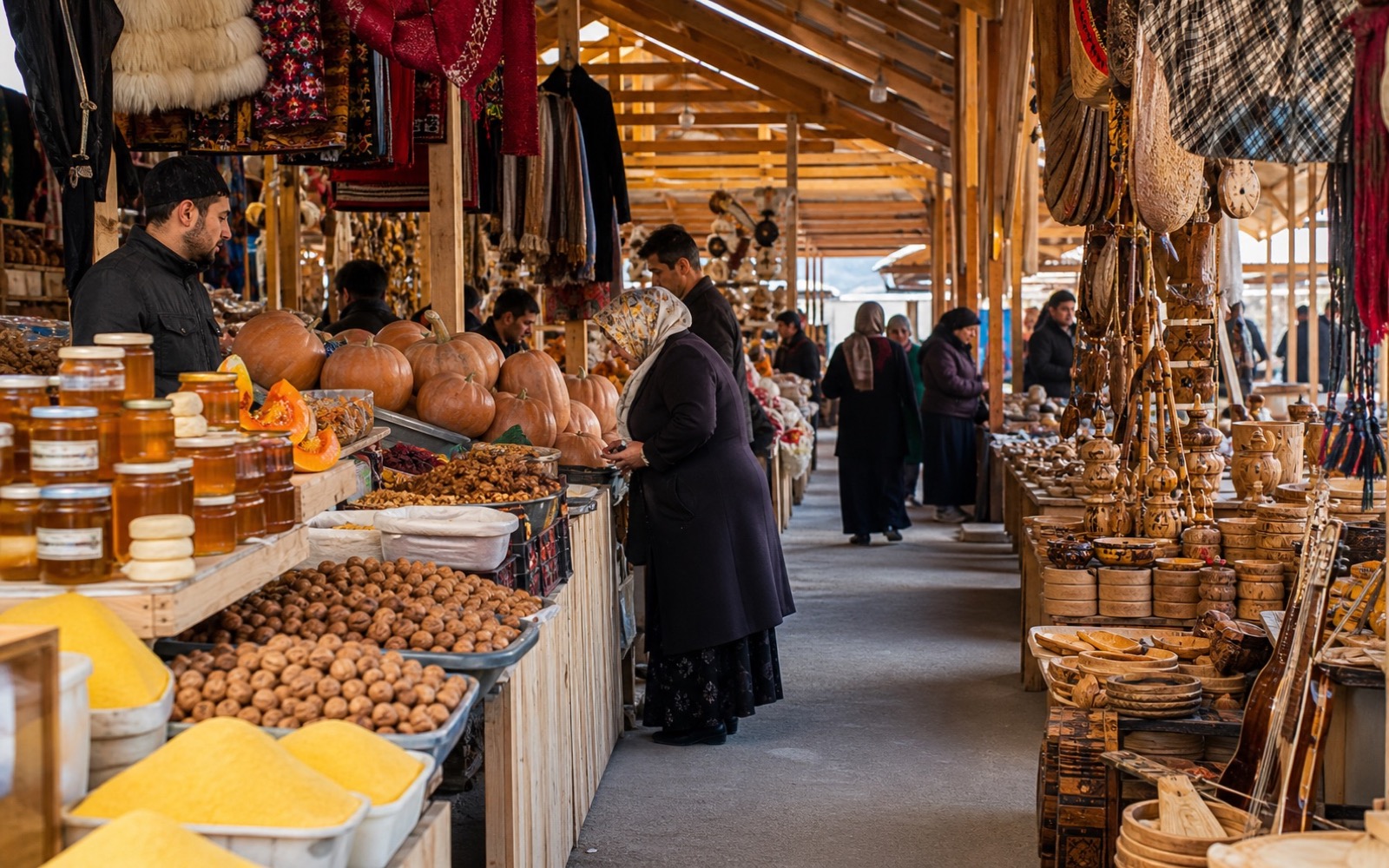
Belkhi is the custom of completing a substantial task through the shared labour of relatives and neighbours. A study by the Chechen Republic's Academy of Sciences connects it with housebuilding and agricultural work. Its significance is not simply that more hands work faster: it also reveals the ties around a household needing help. It makes more sense as a form of social relationship than as a performance for visitors. Behind the term is mutual support adapted to different tasks, not a single ceremonial sequence.
Corn, wool and the gathering around work
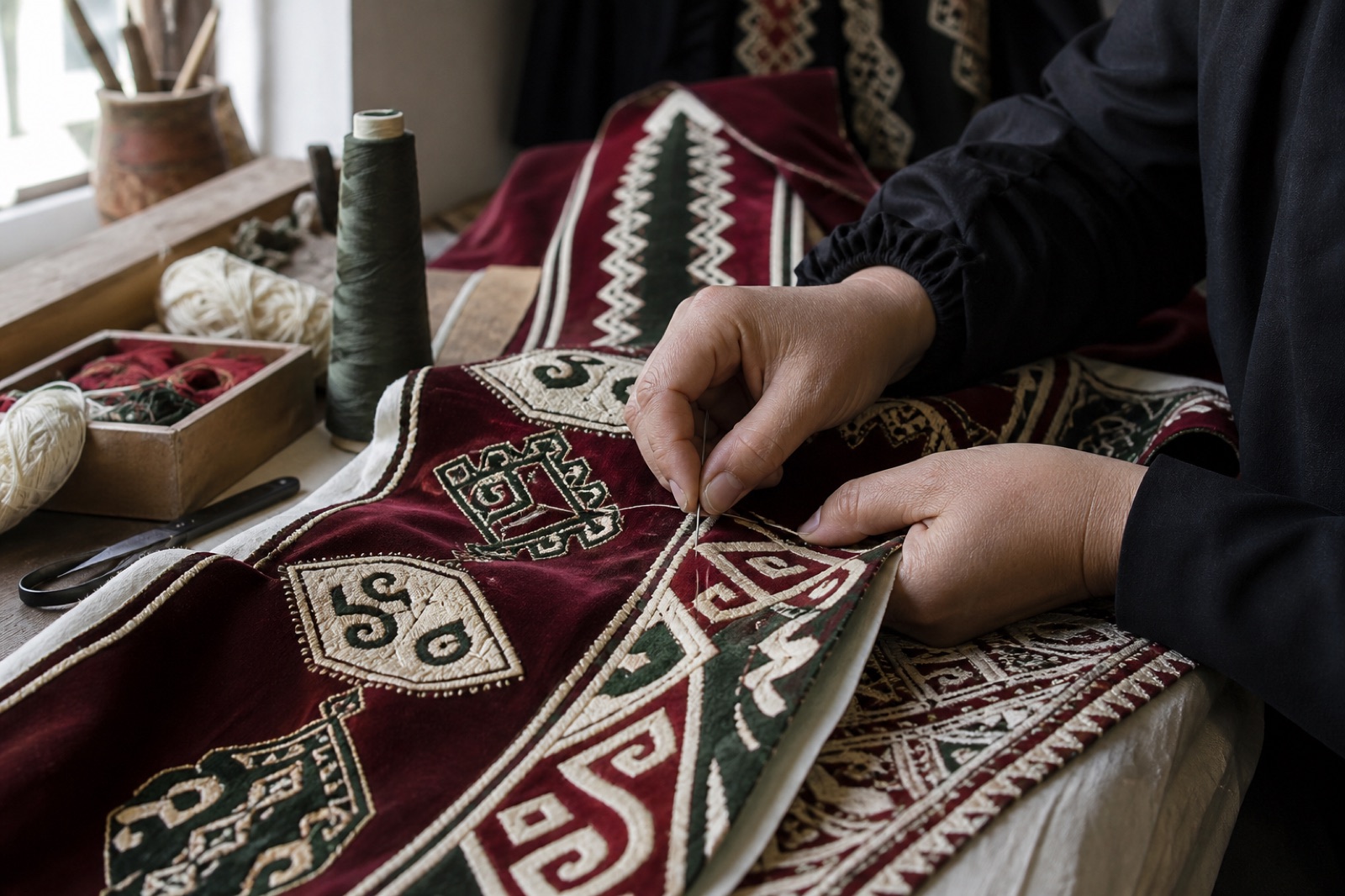
The intangible heritage catalogue gives examples of belkhi involving stripping kernels from corn and preparing wool. They connect a general idea of mutual help to everyday materials. Corn leads towards the kitchen; wool towards clothing and textiles. A comb or spindle in a museum is therefore more than an old object. Thinking about who used it and where it fitted into the sequence of work gives it a clearer meaning than its appearance alone.
Season, field and table
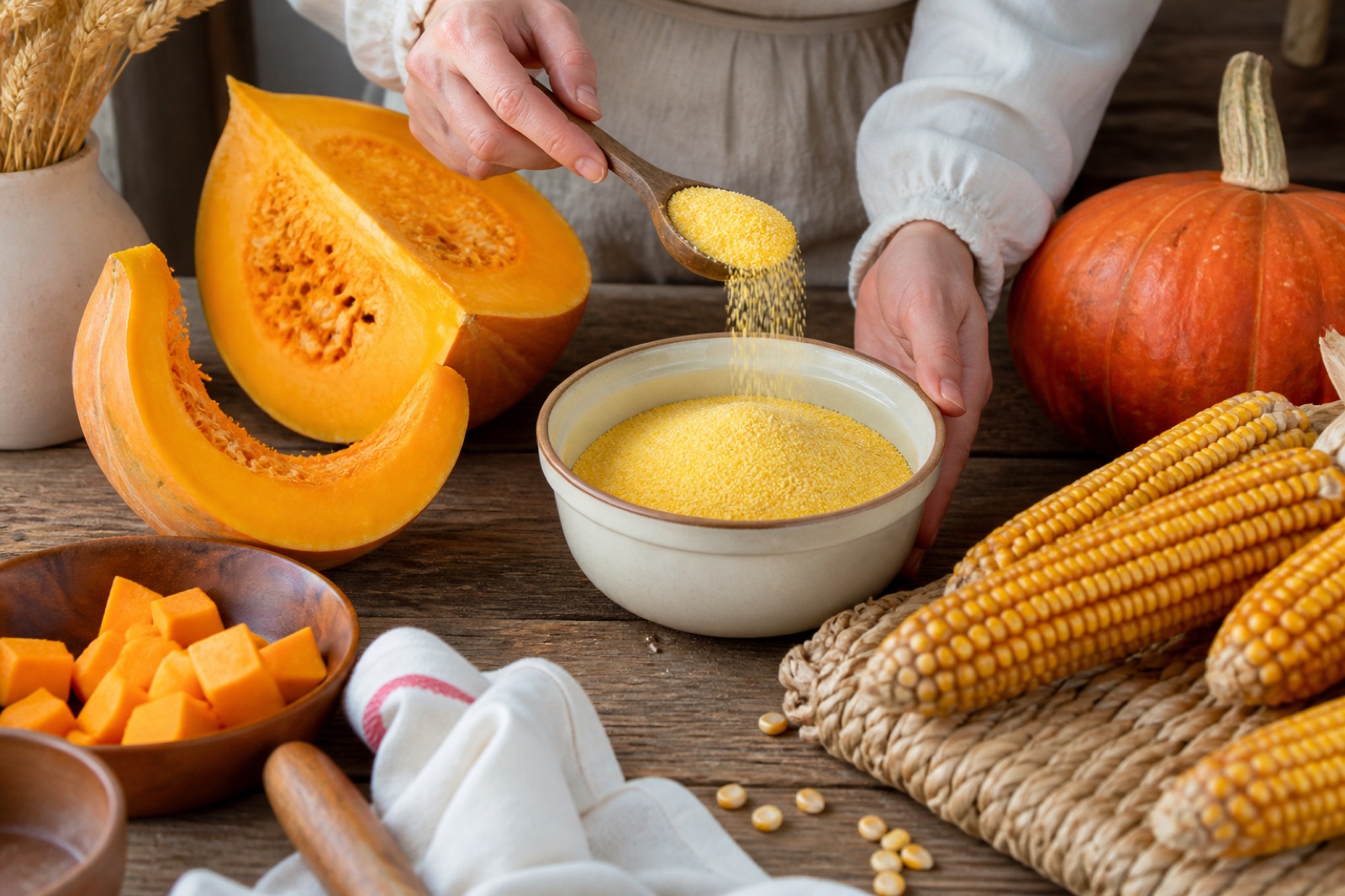
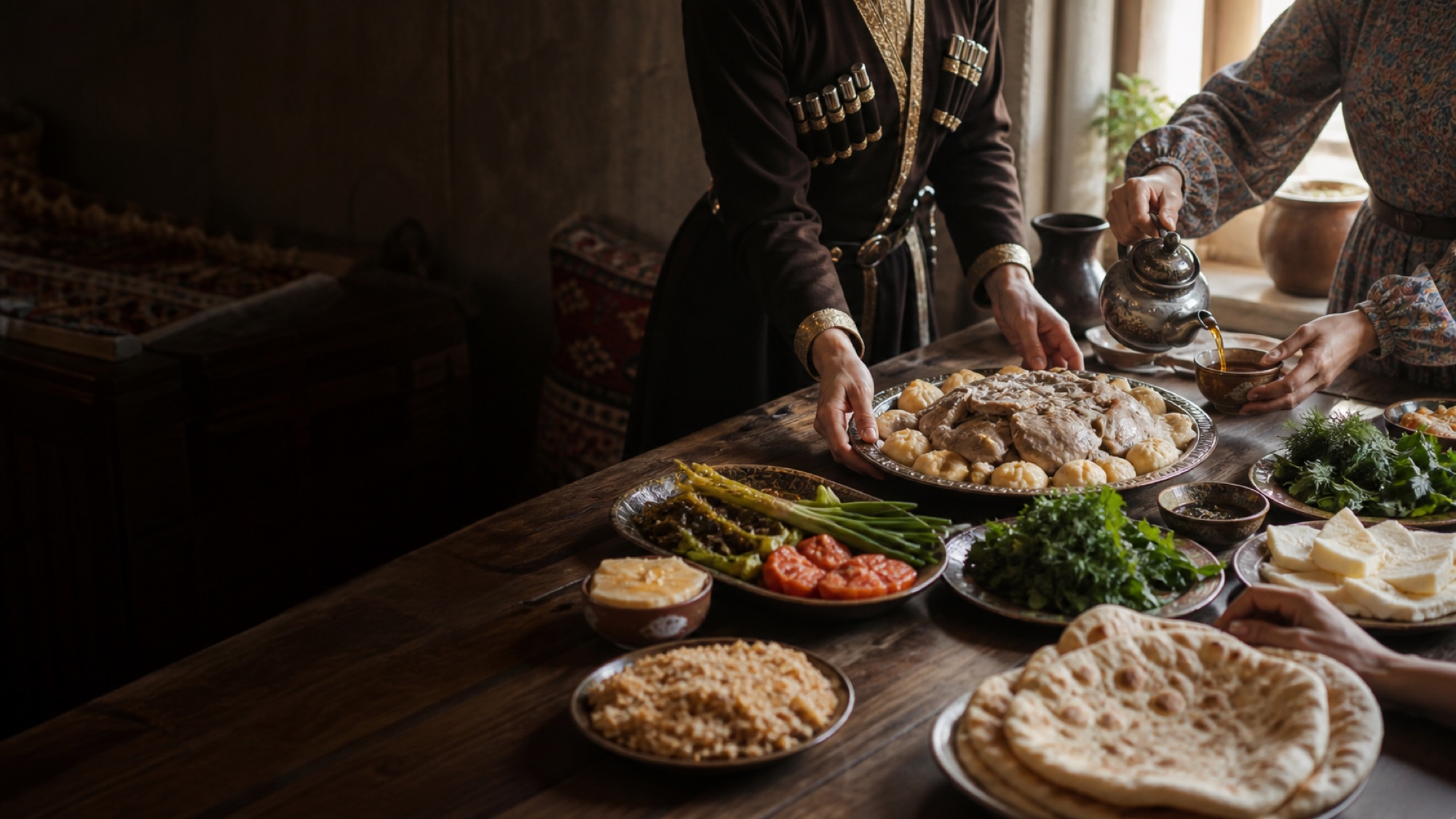
In the traditional farming calendar, the first ploughing and the end of harvest were not only changes in work; they also offered occasions to gather. The heritage catalogue's accounts discuss such occasions alongside food and shared labour. Seen this way, cooking and rural life are not separate subjects. Flour, cheese or pumpkin at a table has a background of production, storage and preparation. Asking when an ingredient was used during the year opens a different conversation from asking only for recipe quantities.
A village visit as an encounter
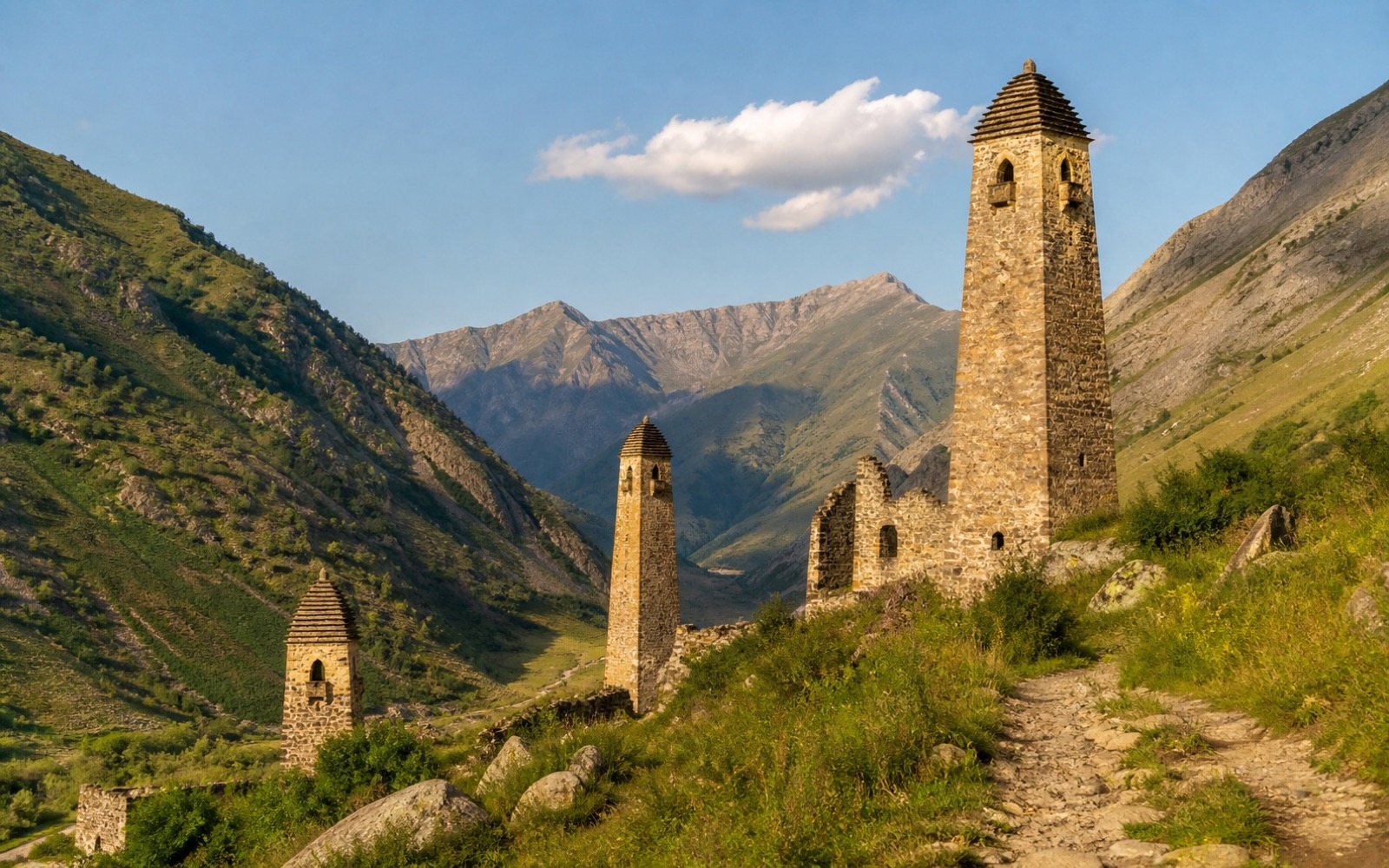
Starting with a museum or local guide can help explain the objects and buildings you see. Be clear about what interests you: textiles, an old mill or food preparation. Instead of trying to understand an entire village in one afternoon, you can explore one subject properly. Distinguish an occupied home from a historic building open to visitors, and enter a courtyard only by invitation. The most rewarding part of the day may be learning the story behind a detail rather than reaching every planned stop.