Read the village as a whole
Do not stop at one tower photograph. The relationship among houses, lanes, defensive structures and ridge tells a richer story of how life was organised.
Pairing with the lake
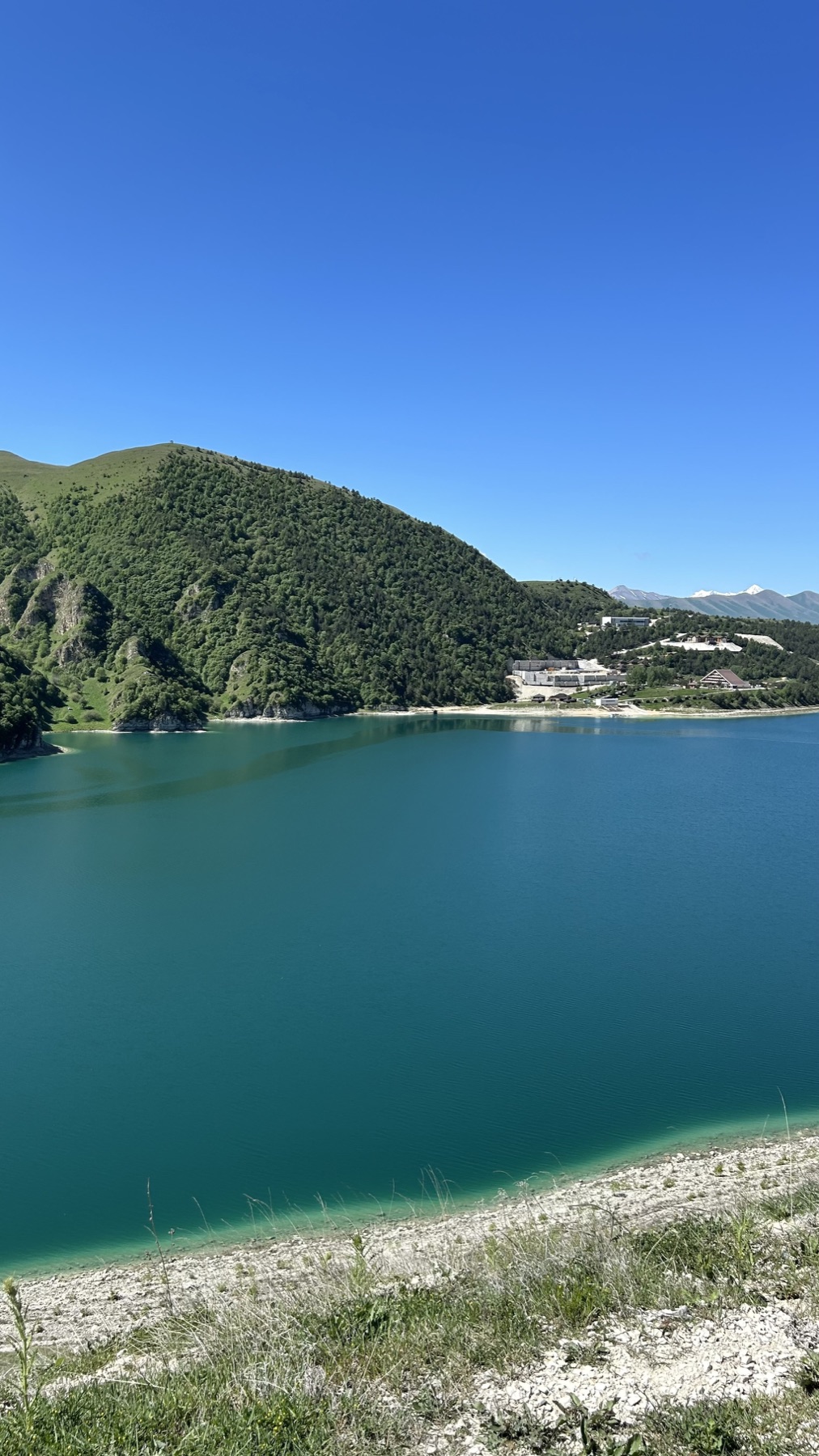
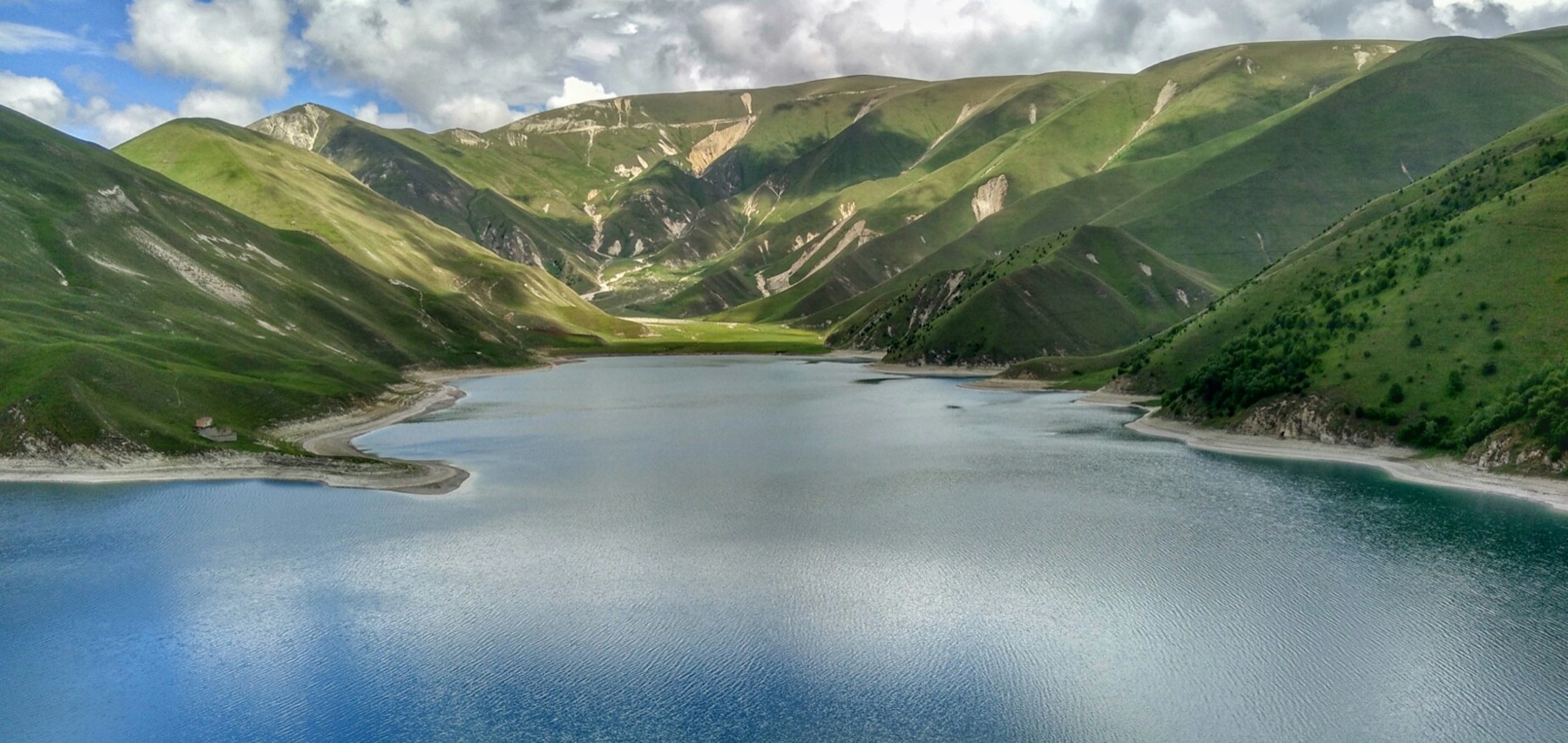
Use bright midday at the lake and softer late light on Khoy's stone. Bring the return forward in fog, rain or early snow.
Heritage etiquette
Do not climb walls, move stones or enter closed structures. Ask about drones, commercial shoots and groups; never frame residents or staff without permission.
Do not confuse restoration with historic fabric
At Khoy, do not label every new-looking stone as “restored” or every weathered wall as “original.” First read the stone houses, towers and hillside settlement as a whole. Describe a section as historic, repaired or reconstructed only when an official site label or the Argun Museum-Reserve supports that wording; otherwise state the uncertainty. Wide frames explain how buildings relate to one another, the slope and route, while close detail is valuable only from a safe, permitted position. Do not climb walls, touch loose stone or use the settlement as a stage set. If Khoy shares a day with Kezenoy-Am, plan the lake view and the heritage stop as separate purposes, leaving enough daylight for the village. This method avoids confusing restoration with surviving fabric.