Hours, prices and transport can change, so check the relevant organisation's latest notice before you go.
Start with a project file
Do not approach the first meeting with only an idea. Begin with a concise project note covering the product or service, target market, total capital need, equity and debt plan, land or premises, power and water demand, employment and delivery schedule. Add the financial model, ownership structure and permit list. Present base, downside and upside cases rather than one optimistic forecast.
How one-window support works

The official portal says the Development Corporation can support projects free of charge through a one-window process, including site selection, preparatory and permit documentation, coordination and identifying support instruments. It states that a curator notice follows within three working days after the relevant intake procedures. This is the start of project support, not a promise that permits will be issued in three days.
Four core documents for one-window intake

The official procedure lists four core intake documents: a project-support application, project passport, business plan and presentation. They must carry the same investment, equity, debt, jobs, site area, utility demand and schedule figures. Give every file a version and date; check signing authority, attachment list and contact person. Ask for the gap list and curator appointment in writing.
Incentives exist, but are not automatic

The regional system lists instruments including tax relief, investment tax deductions, priority-project support, agricultural support, interest-cost subsidies, guarantees and investment-protection agreements. Sector, project size, budget, application window and status differ for each. The Federal Tax Service records the regional investment-tax-deduction law as applicable through 31 December 2027. Do not calculate savings from this guide; use the current law, tax authority guidance and written eligibility confirmation.
Screen sites through the investment map
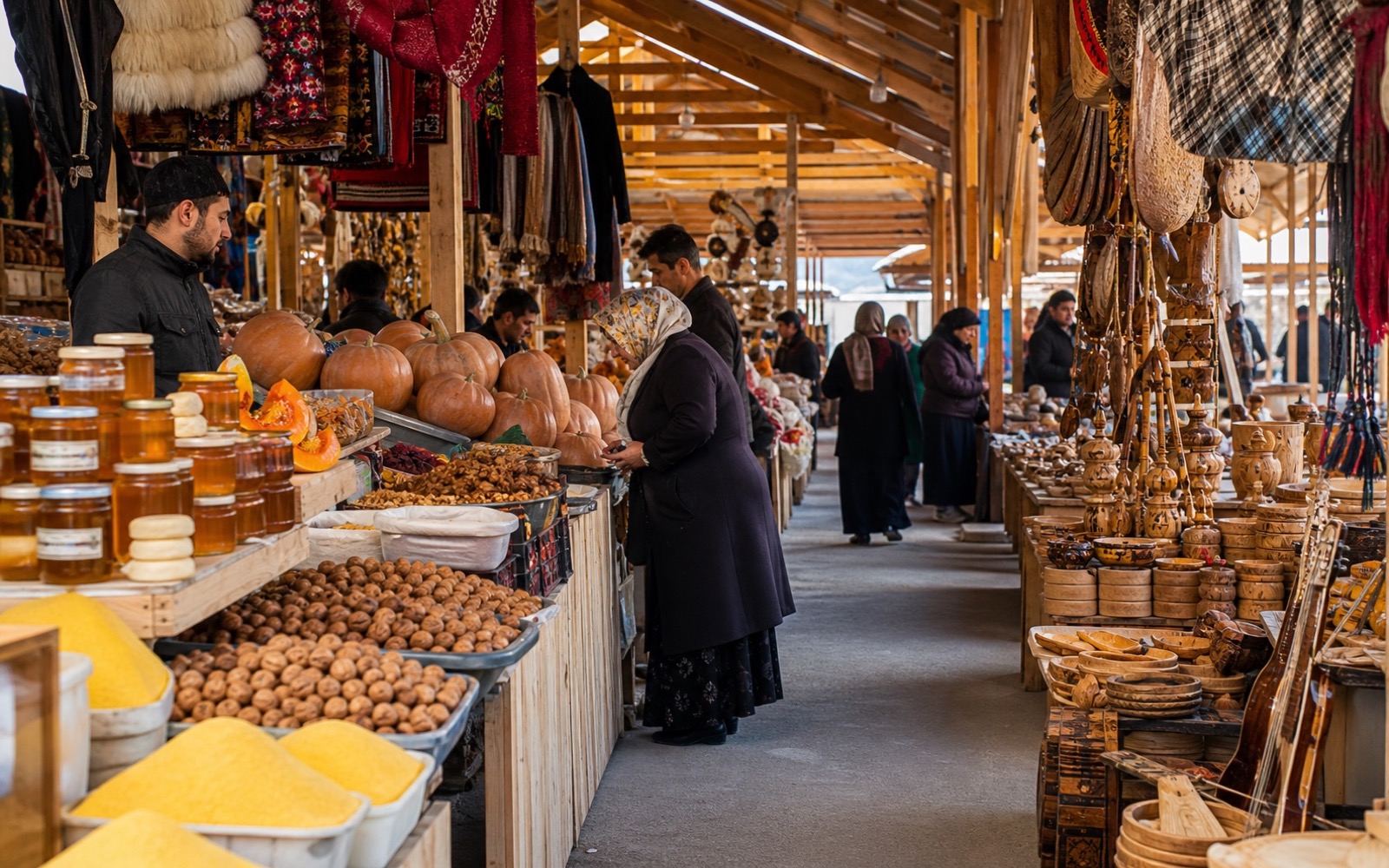
The official portal provides investment sites and a map filterable by municipality, area, ownership, land category and transport access. It is a starting point, not technical due diligence. Confirm title and use rights, zoning, environmental limits, road access, utility capacity, connection cost and delivery schedule in writing. Visit in daylight and inspect actual access and neighbouring uses.
Map the utility-connection journey

The Regional Investment Standard extends beyond a site list: it publishes investor procedures and agreements with power, gas, water and heat organisations. Track requested load, connection point, technical conditions, responsibilities, cost, build time and reserved capacity separately for every utility. An average map tariff is not a quotation; obtain technical terms and timing in writing from the authorised network company.
SME, production and export support

Regional sources identify microfinance, guarantees, business-development centres, engineering support, incubators, industrial and agro-industrial parks and an export centre as parts of the support infrastructure. The 2026 plan also lists time-limited measures such as preferential microloans, grants for eligible creative or social enterprises, mountain-area connection costs and export transport. These are not permanently open entitlements; verify calls, budgets, eligibility and deadlines on the application date.
Large projects, PPP and investment protection
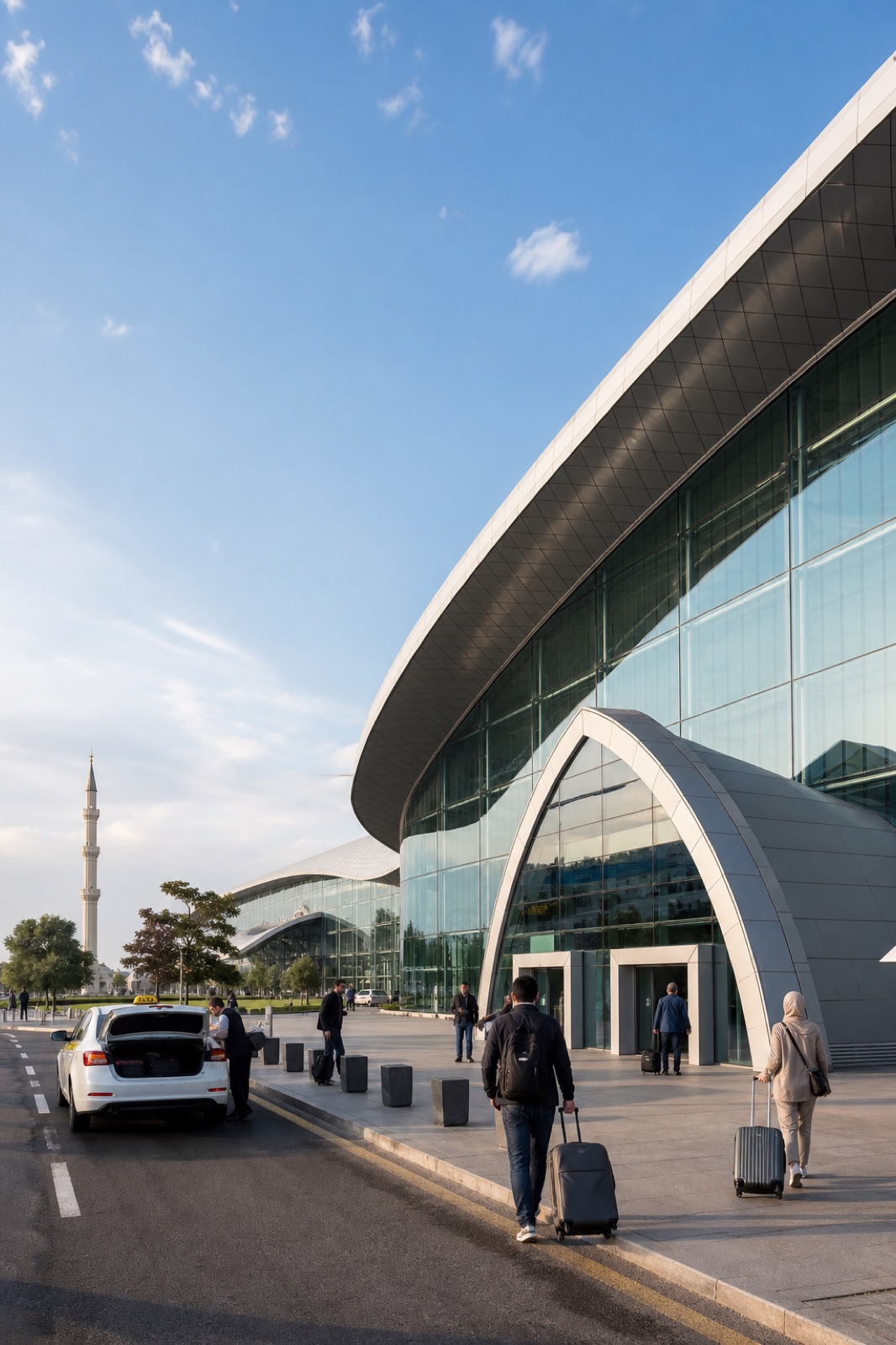
Infrastructure, tourism, industry and public-service projects may use PPP, concession or investment-protection structures. These are not simple grant applications: they require long-term obligations, revenue and demand assumptions, performance standards, public contributions and risk allocation. The official portal publishes thresholds and sector exclusions for investment-protection agreements; obtain current legal and financial advice before selecting a model.
Priority-project status: eligibility and documents

The official portal lists agriculture, food and drink, textiles and leather, wood, chemicals and pharmaceuticals, plastics, building materials, metals, electronics, machinery, automotive, furniture, recycling, accommodation, telecoms, software, freight, tourism and spa services among priority sectors. Applications require a project passport, compliant business plan and evidence of financing. The project must operate in the republic, create or modernise capacity, have no unresolved tax debt, and the applicant must not be in liquidation or bankruptcy. Obtain the current signed checklist from the Development Corporation before filing.
Grozny industrial-production special economic zone
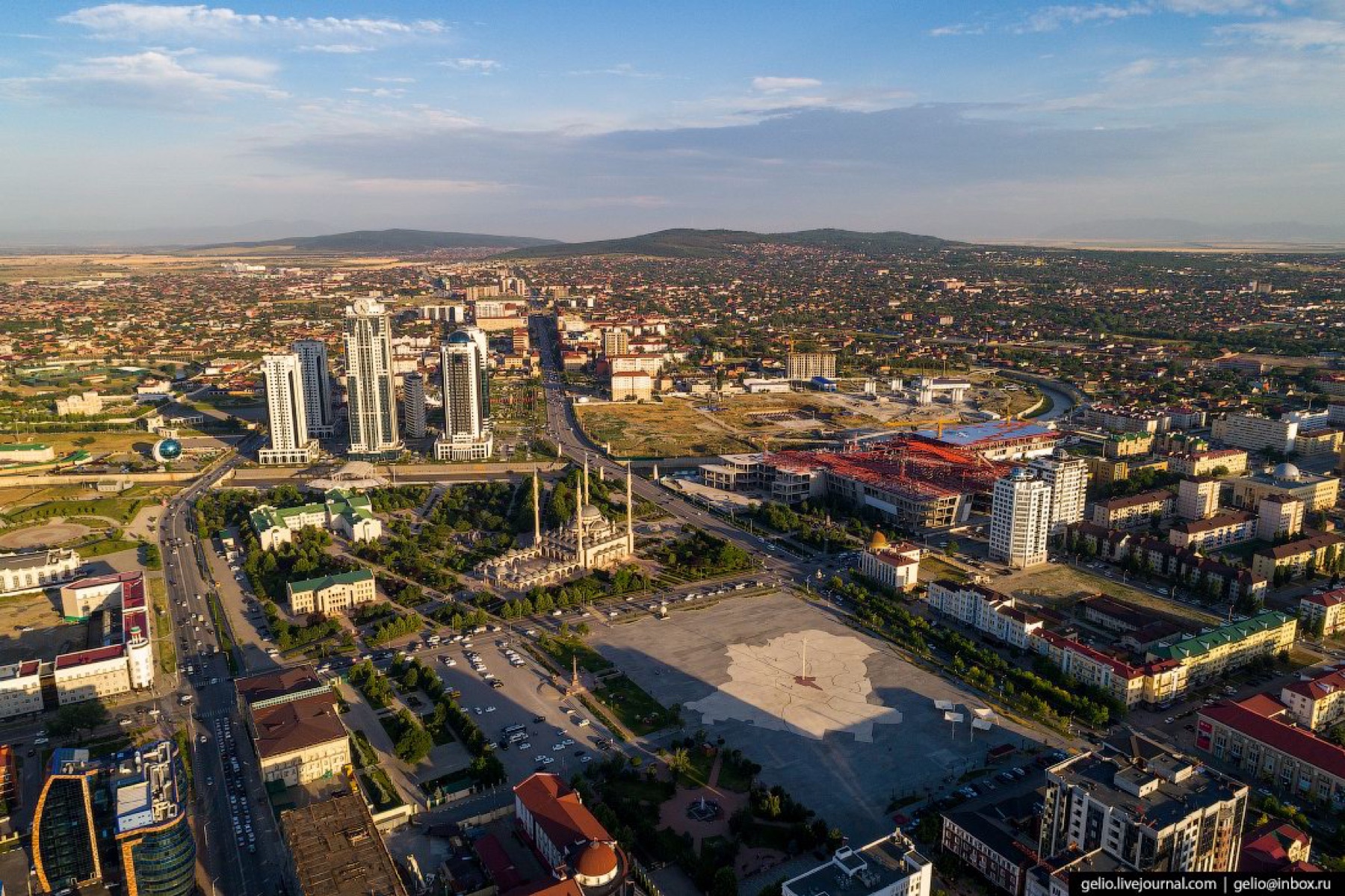
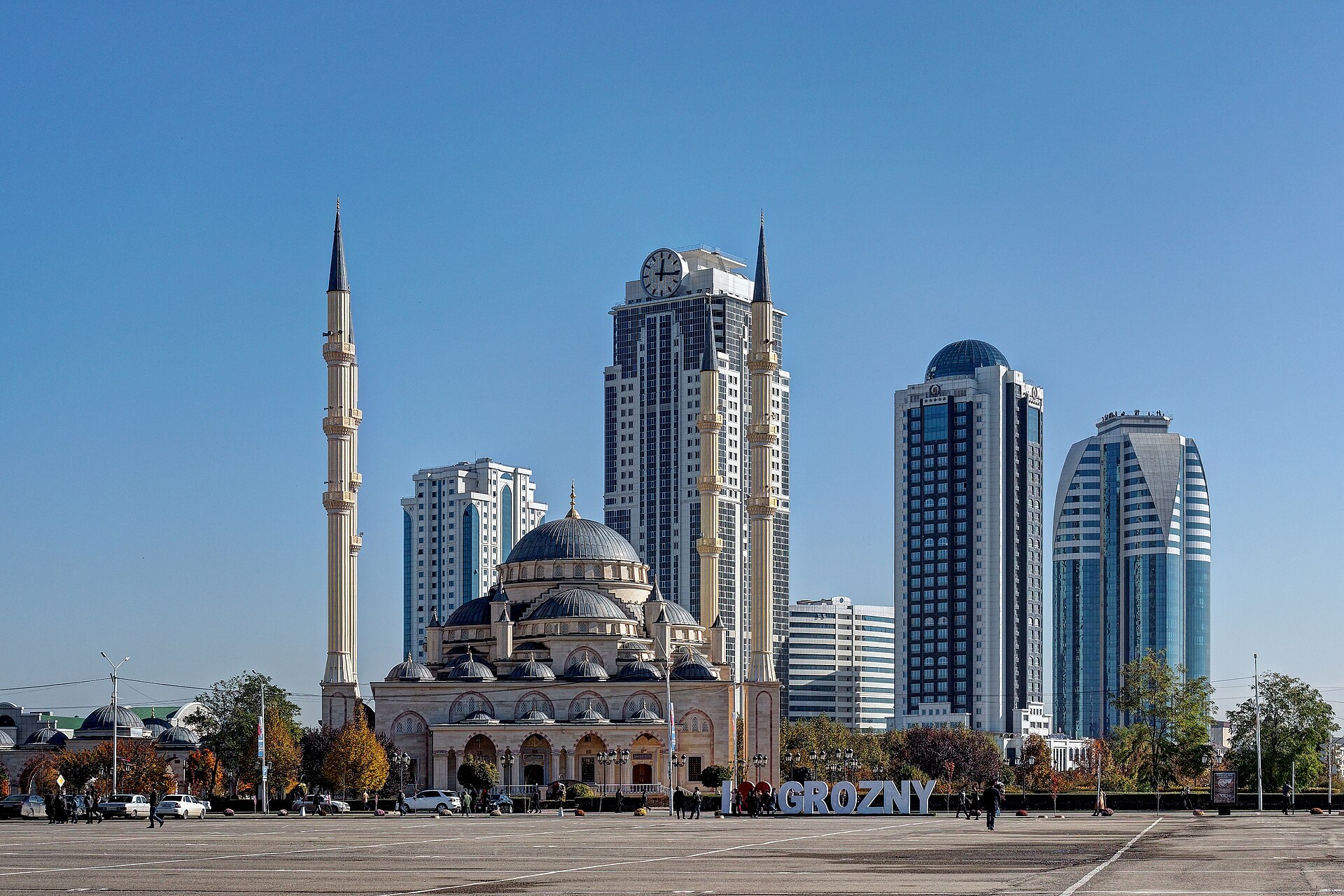
The portal publishes documentation for an industrial-production special economic zone in Grozny. The label alone does not guarantee incentives. Confirm eligible activity codes, residency procedure, minimum investment, land terms, customs treatment, utility capacity and connection timetable in writing with the zone operator. Model inbound materials, domestic and export logistics, and skilled labour alongside the factory economics.
When can an investment tax credit fit?
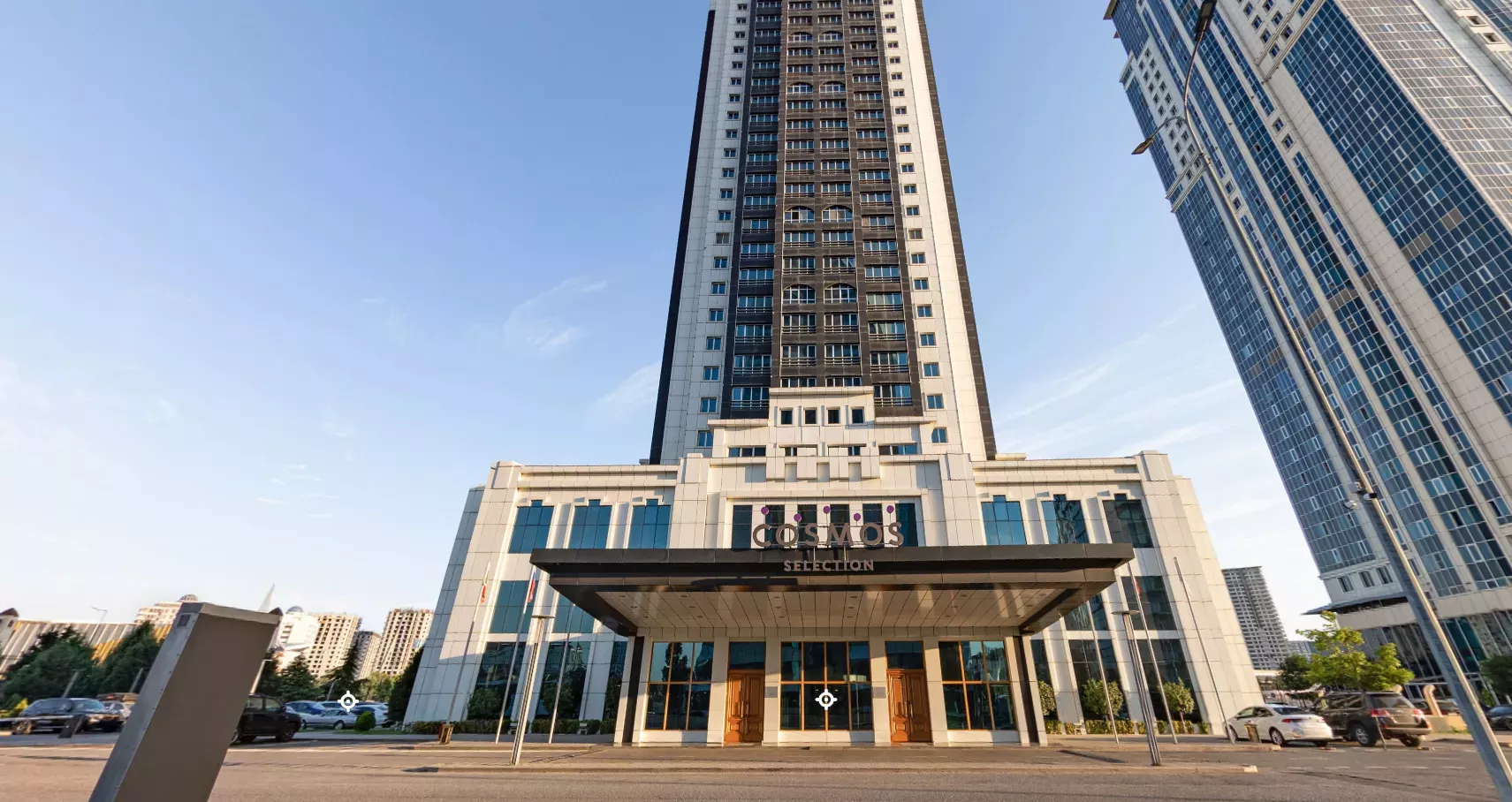
The official portal describes the investment tax credit as a change to the payment schedule for taxes due to the regional budget, generally for one to five years and in some cases up to ten. Documented grounds include R&D, technical modernisation, innovation, important regional services and high energy efficiency. No outstanding tax debt is a mandatory condition. This is not a cash grant: model deferred tax, interest, security and repayment separately and obtain written tax advice.
Twelve checks before signing

Before an LOI or partnership agreement, verify separately: company and beneficial ownership, signing authority, tax and litigation status, sanctions and bank compliance, land title and zoning, environmental and construction permits, power-gas-water capacity, connection cost and timing, supply contracts, evidence of customer demand, FX and interest scenarios, insurance, and exit/dispute mechanisms. Visit the site and distinguish official records, seller claims and independent expert reports. Portal information is a starting point, not legal or financial advice.