Cities · mountains · culture
Chechnya
Explore Chechnya's cities, mountains, culture and practical travel guides in the dedicated Chechnya section.
CAUCASUS ATLAS · 2026
A sourced North Caucasus guide to tower villages, canyons, historic cities, national parks and the Caucasian Mineral Waters, from Dagestan to Adygea.
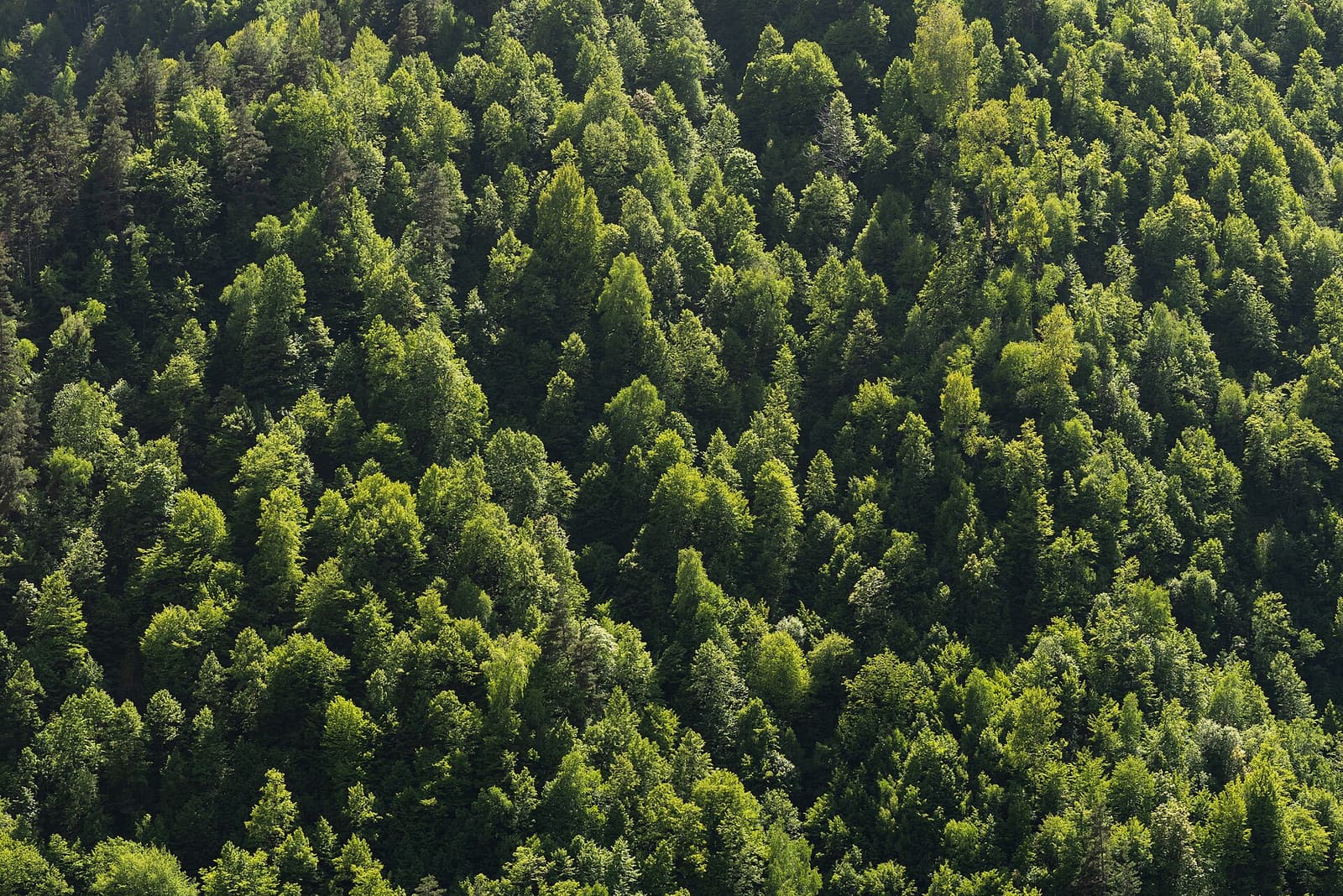
Last checked: 26 August 2026Photograph: Александра Пучкова (sanechka_puchkova) · CC BY-SA 4.001 · Quick answer
The North Caucasus is not a single country. This guide compares the mountains, cities and cultural heritage of republics and territories within the Russian Federation, with links to detailed guides for Chechnya and the other regions.
02 · Geography and status
Geographic North Caucasus and the North Caucasian Federal District do not share identical boundaries. Adygea is included geographically but not federally; the Krasnodar coast is not covered in this guide.
03 · MAP
The OpenStreetMap base supports orientation; it does not guarantee administrative boundaries, open roads or permission to pass.
Open map ↗04 · ROUTE ATLAS
Review every stop individually and recheck sourced records on the day of travel.
Cities · mountains · culture
Explore Chechnya's cities, mountains, culture and practical travel guides in the dedicated Chechnya section.
History · canyon · villages
An eastern starting point linking Derbent's walls, Sulak Canyon and mountain villages in one history-and-landscape route.
Tower heritage
A compact but slow mountain circuit through the Jeyrakh–Assa basin and tower ensembles such as Erzi, Vovnushki and Egikal.
City · valleys
Pairs an urban walk in Vladikavkaz with the distinct valleys of Kurtatin, Dargavs, Tsey and Digoria.
High mountains · valleys
A route from Nalchik through the Cherek and Chegem valleys to Terskol and Azau, clearly separating sightseeing from technical mountaineering.
National park · mountains
Treats Dombay–Teberda and Arkhyz as separate stay clusters, keeping lakes, eco-trails, historic churches and the observatory distinct.
Plateau · waterfalls
A western route from Maykop's museums to Khadzhokh, Rufabgo and the Lago-Naki plateau, with protected-area rules at its centre.
Urban parks · landscape
Connects Pyatigorsk, Zheleznovodsk, Essentuki and Kislovodsk along the Caucasian Mineral Waters corridor.
05 · Visual route
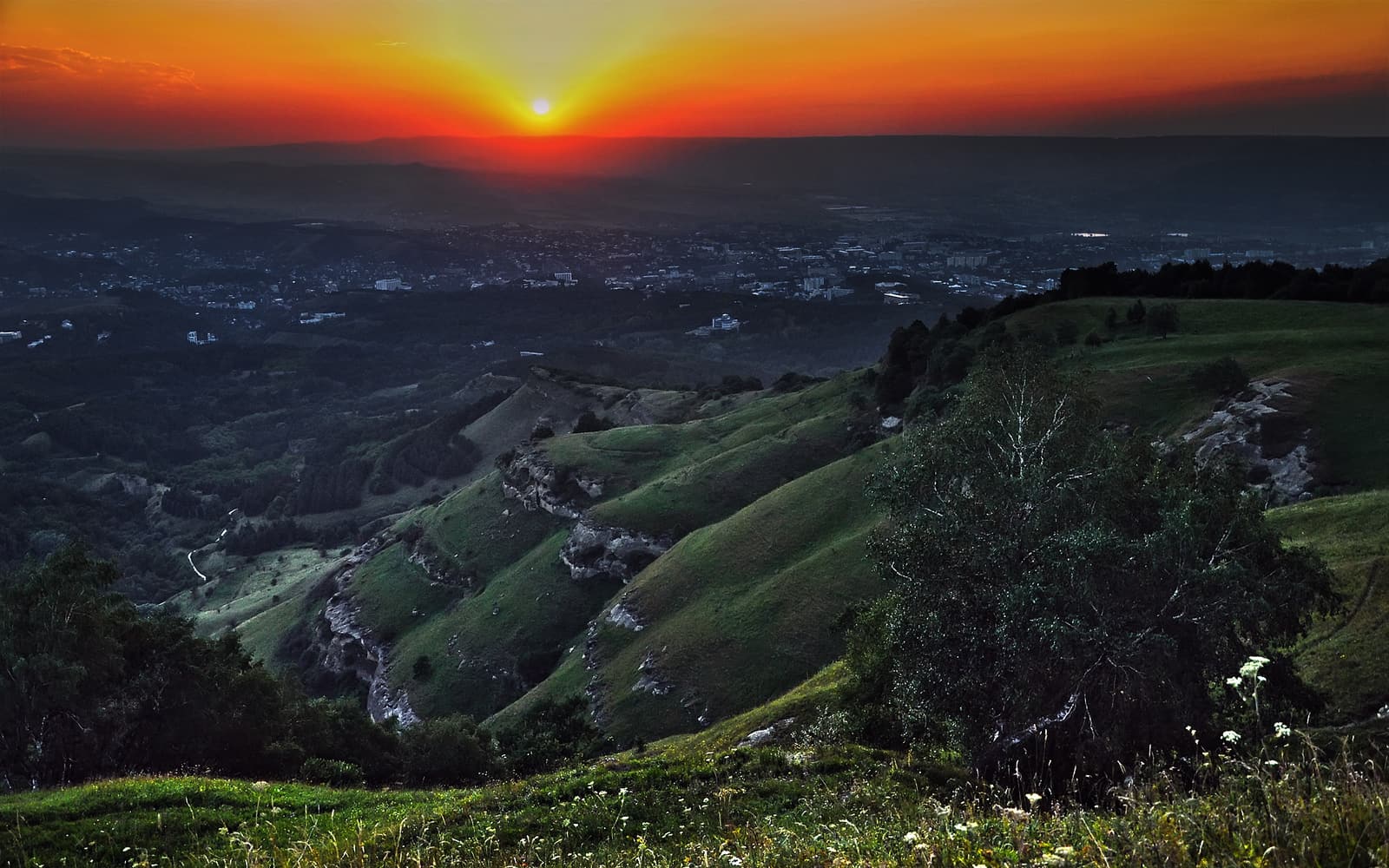
The map makes the Caucasus look compact, but mountain approaches, valley roads and city transfers consume a day quickly. A first trip is better spent exploring one subregion for three to five days than skimming three. For ten days, choose one coherent pair: Dagestan; an Ossetia–Ingushetia circuit based in Vladikavkaz; or the Nalchik–Dombay corridor. Do not build the itinerary around assumed overnight transfers.
Cities may be visited year-round, while high-mountain routes have a narrower practical window. Spring thaw, summer heat and storms, shorter autumn daylight and winter closures each reshape the plan. An operating cable car does not make every connected trail safe. Recheck roads, protected areas and weather sources 24–48 hours before departure.
Many stops are living villages, family burial grounds, places of worship or protected archaeological landscapes—not photographic scenery. Ask before close portraits, treat gates and fences as boundaries, and check local and federal drone rules. Quiet dress and behaviour matter particularly at religious sites. When listening to local narratives, keep legend, oral memory and documented history distinct.
Border zones, national parks, reserves and some high valleys may require identification, advance notice, an environmental fee or a registered guide. Rules vary by region and even by trail; there is no single permit covering the whole Caucasus. Open the institution link in each guide; if no dated notice exists, seek written confirmation from the protected area or operator. Confirm fees and hours from the current official source.
FAQ
A sourced North Caucasus guide to tower villages, canyons, historic cities, national parks and the Caucasian Mineral Waters, from Dagestan to Adygea.
No. It is a geographic region; most administrative units in this guide are republics or territories within the Russian Federation.
Three to five days suit one subregion; eight to twelve days are more realistic for two logistically close clusters.
Cities work year-round; high-mountain walking is generally more practical in summer and early autumn. Exact timing requires local road, weather and protected-area notices.
Not on a short trip. Dagestan, Ossetia–Ingushetia, Nalchik–Dombay and Adygea are best treated as separate route clusters.
Last checked · 26 August 2026
Hours, prices, roads, entry conditions and weather can change. Before travelling, recheck each place with its official source and consult your own government's current travel advice.
Published: · Updated: