What to try first
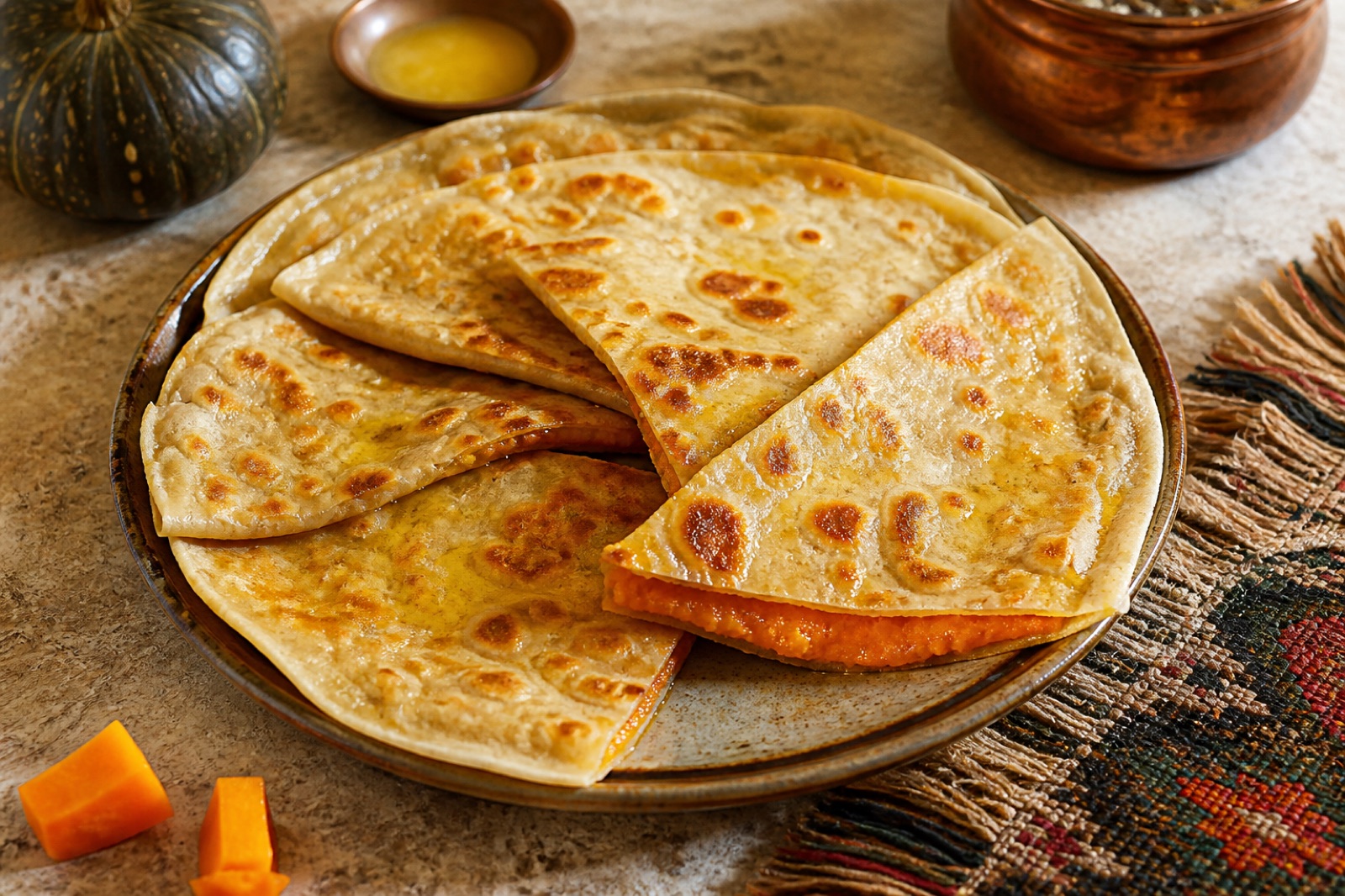
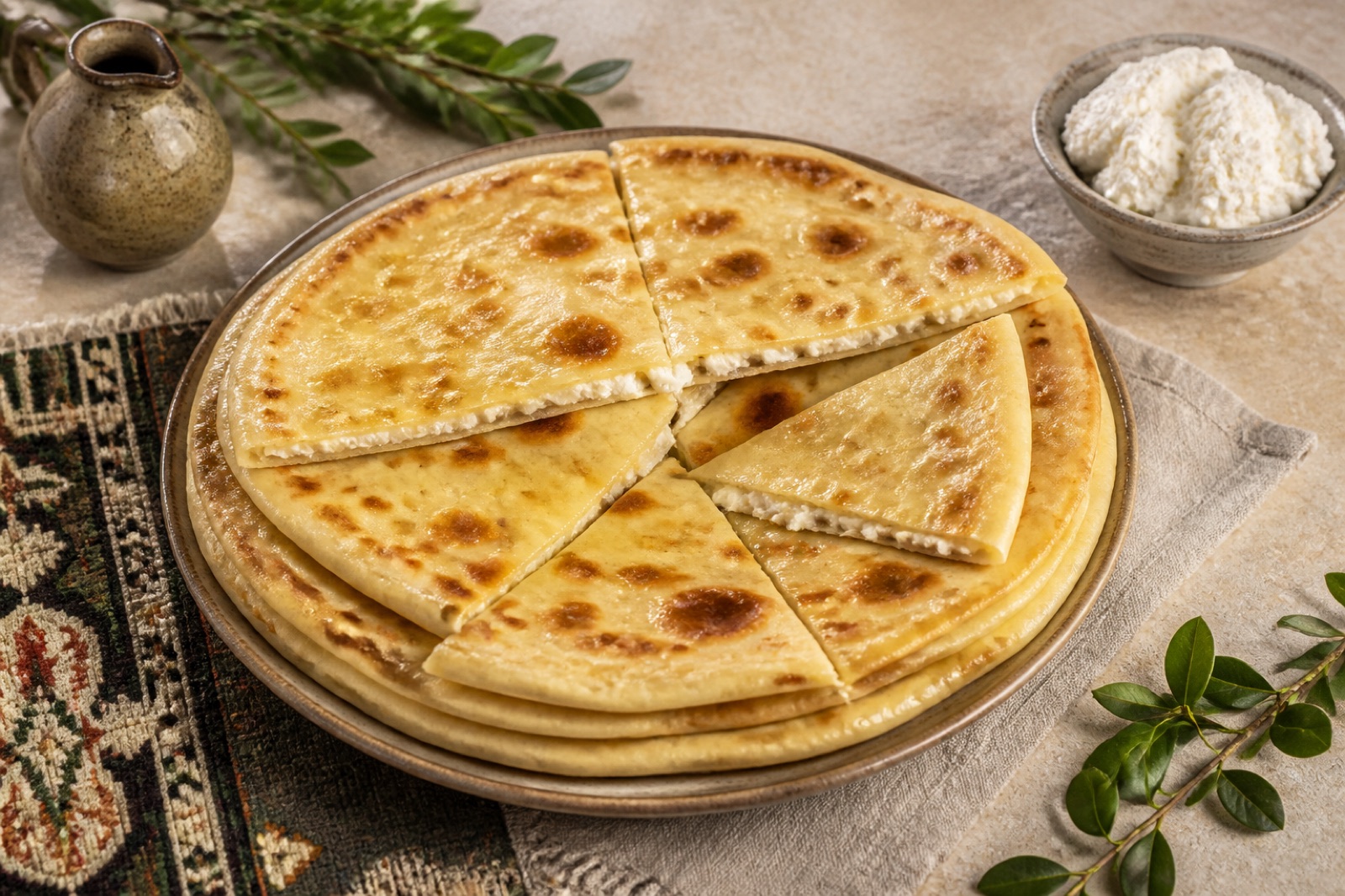
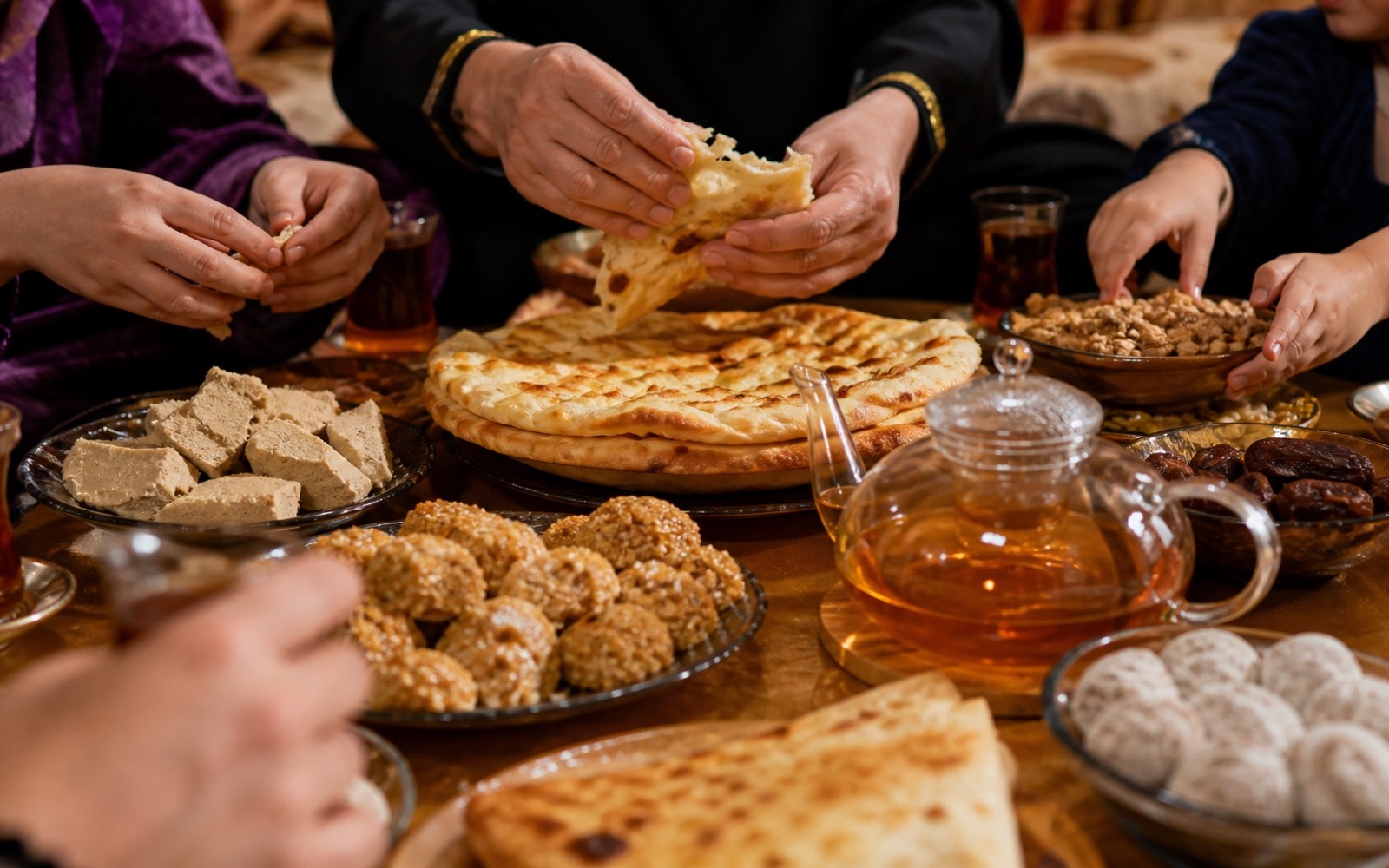
Zhizhig-galnash is a substantial start with meat, dumplings, broth and garlic sauce. Chepalgash brings cheese, khingalsh pumpkin and siskal cornmeal. Ask what homemade sweet is served with tea.
Halal and allergen checks differ
A halal dish can still contain gluten, dairy, egg, nuts or cross-contact. With a diagnosed allergy, ask about every ingredient, preparation surface and cooking oil, and carry a translated allergy card.
Choosing a restaurant
Verify the current menu, price, hours and payment method that day. If certification matters, ask about its scope and validity. Do not treat popularity as proof of 'best'; prioritise hygiene, communication and ingredient transparency.
Turn ordering into a clear verification conversation
A single question—“Is it halal?”—may not explain every kitchen practice. Base the conversation on components rather than the dish name: ask separately about the meat source and halal procedure, ingredients in stock or sauce, cooking steps involving alcohol, and shared surfaces or equipment used for pork products. Do not merge a medical need such as allergy or coeliac disease with religious preference; state cross-contact concerns separately. When language is a barrier, show a reliably translated note and allow staff time to answer. “I don’t know” is not bad faith; it is uncertainty you must decide how to handle. Choose visible ingredients and simple preparation, or another venue. A certificate, staff statement and personal confidence are not equivalent evidence.