ARCHITECTURE ROUTE
Grozny, Argun and Shali: three cities, three architectural languages
A day of architecture moving from monumental scale to contemporary lines, white marble and civic gardens.
CECENISTAN.COM travel editors · 4 minute readTo read Grozny, Argun and Shali as a contest between three large mosques is to miss what makes the cities distinct. Public squares, the rhythm of gardens, street-level façades and changing light create a different architectural language in each place.
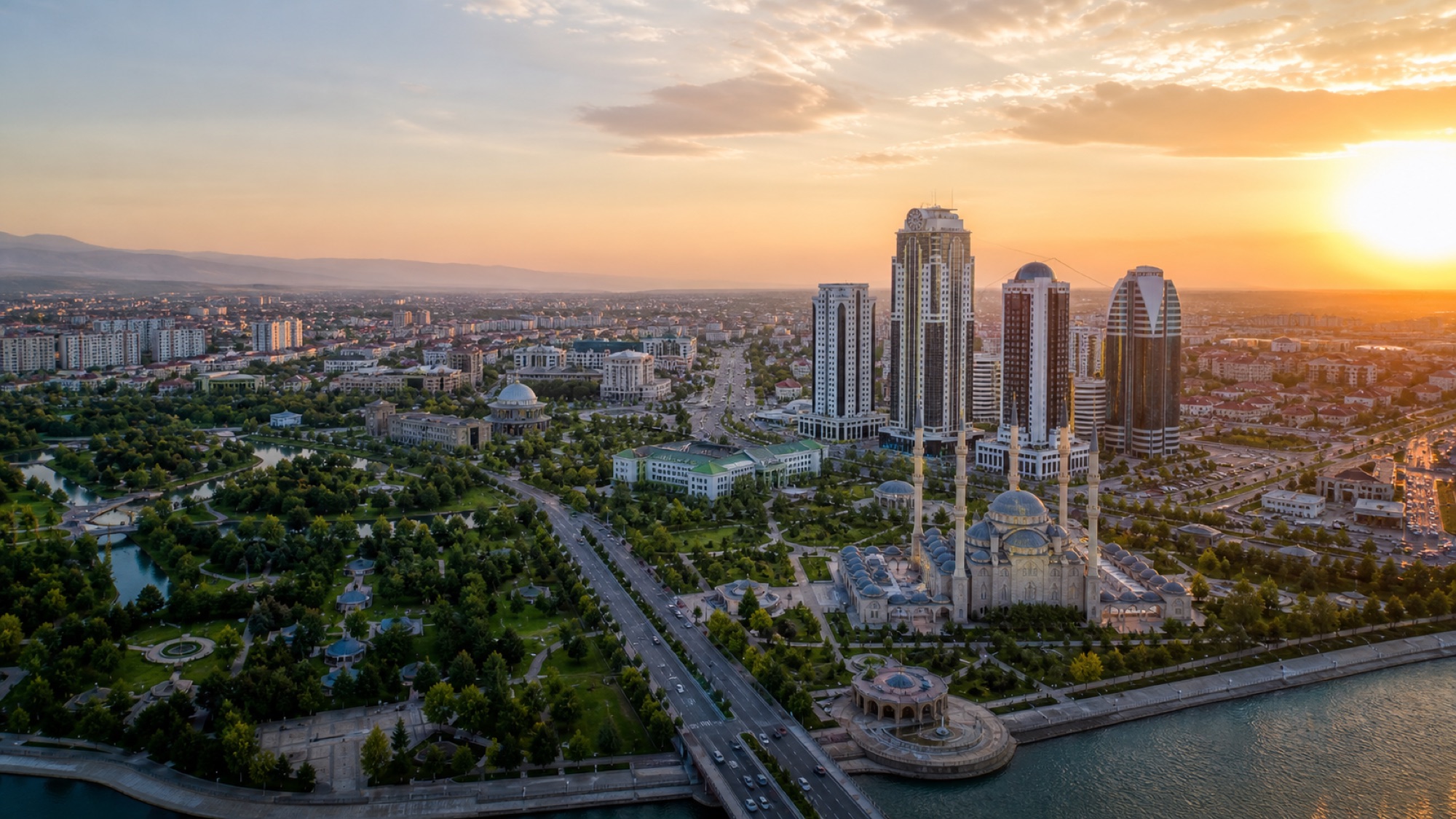
Grozny: scale and axis
In Grozny, monumental impact comes not from one building but from connected parks, avenues and the river line. Around the Heart of Chechnya Mosque, follow the walking axis before reaching for a wide-angle frame. At Grozny City, consider each tower through the square and pedestrian life at its base.
Argun: line and light
Argun is defined by sharper geometry and contemporary surfaces. Watch how the mosque façade changes in daylight, then continue into the park to see its relationship with daily city life. Half a day can be enough, but the city deserves more than a photograph taken from the car.
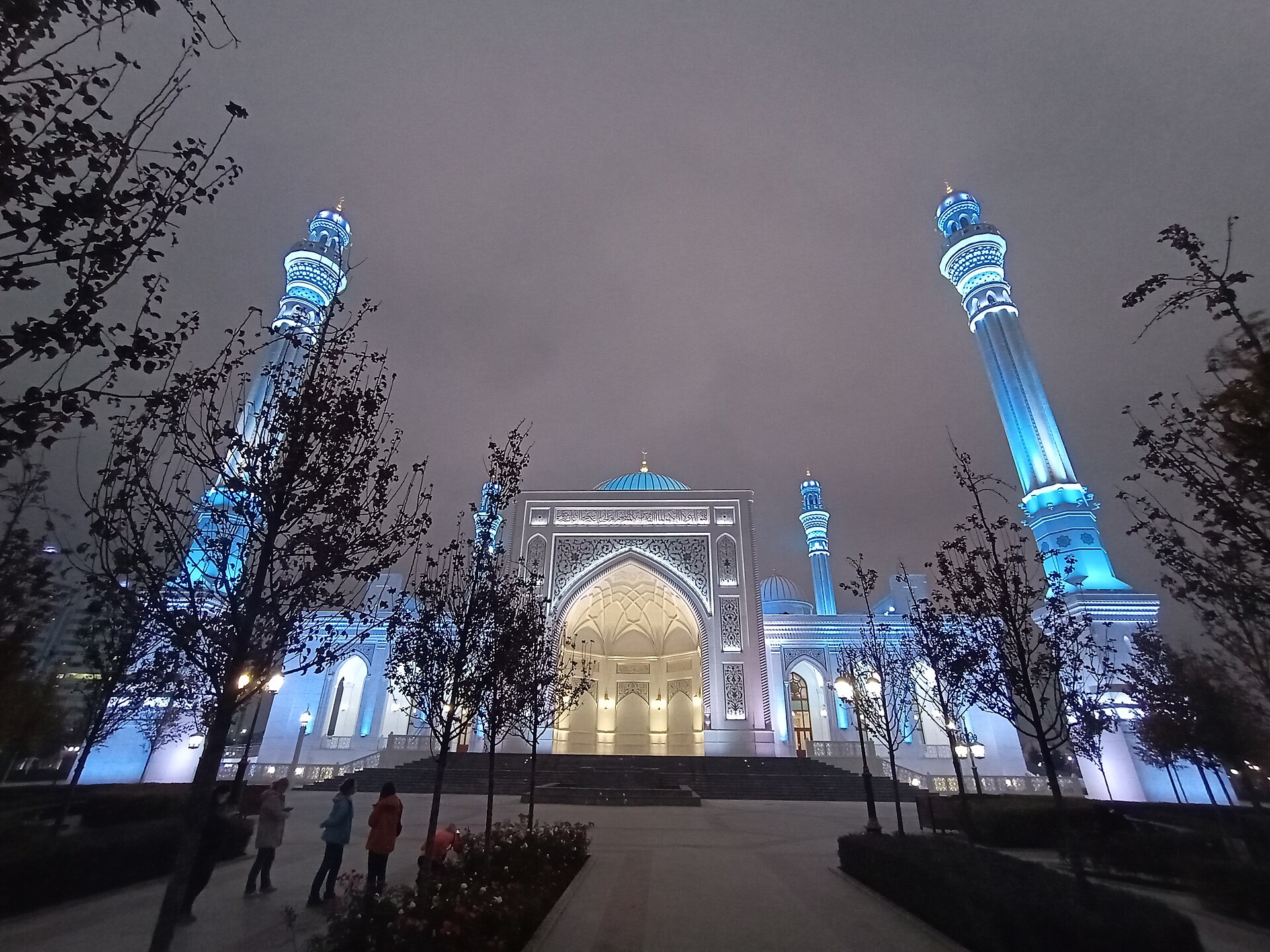
Shali: garden and pale stone
In Shali, the pale surface of the Pride of Muslims Mosque works together with the surrounding gardens. Read the building through trees, water and open space along the approach rather than only from its façade. Midday light can be severe; morning or evening reveals the stone detail and garden colour more gently.
How to feel three cities in one day
A practical sequence is Grozny in the morning, Argun around midday and Shali towards evening, with prayer times, current access and the return agreed in advance. Leave room for a short walk and tea in each city. The real contrast lies less in façades than in how people inhabit public space.
05 · PHOTO ESSAY
Visual notebook
Updated
06 · Magazine