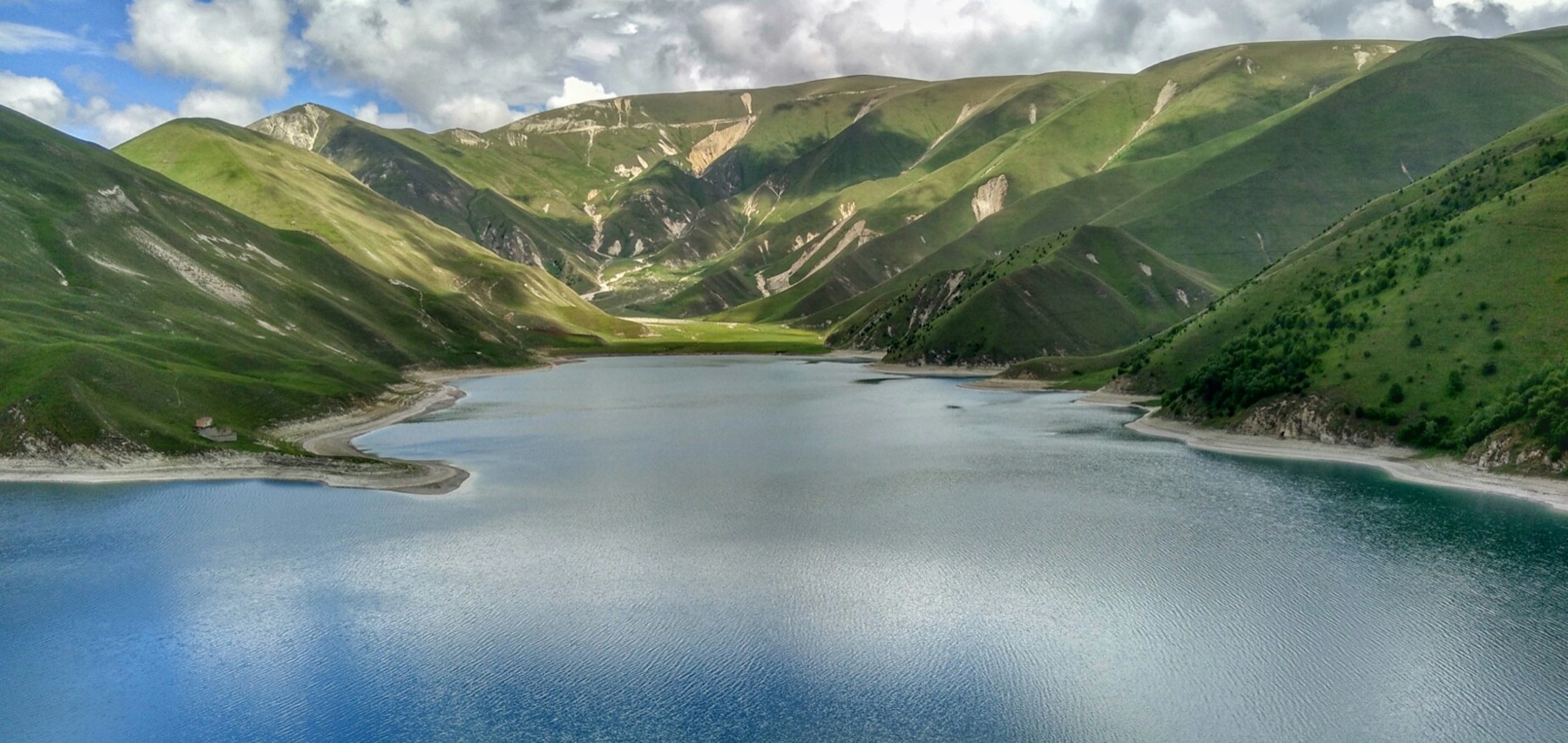
Transport, population, prices, hours and access can change. Check official sources before travel.
Small details that make the journey better
Look
Do not leave as soon as you have seen the headline sight. Give yourself time for architecture, everyday life around it and the changing light.
Listen and ask
A short story from a local guide, attendant or host often reveals more than a sign. Remember to ask before taking someone's photograph.
Add something nearby
Pair the main stop with a park, market, food address or cultural venue nearby. The day becomes fuller and much more memorable.
Mountain and lowland villages
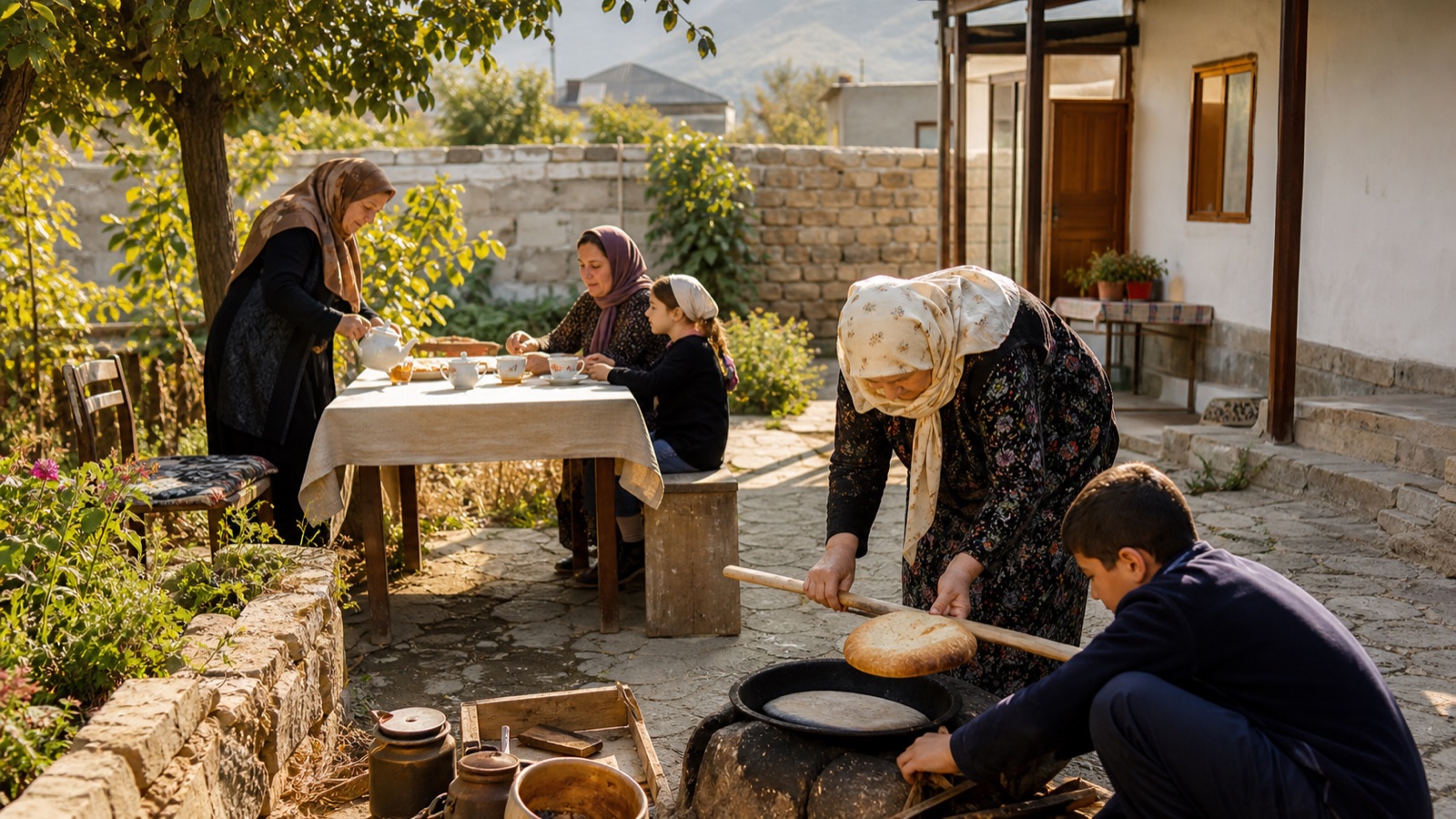
Historic mountain settlements were often small, compact and defensible, while lowland villages could grow around broader farmland and transport. Deportation, war, resettlement and urbanisation profoundly changed this pattern. Rural life today is not an unchanged continuation of the tower village.
Home, garden and livelihood
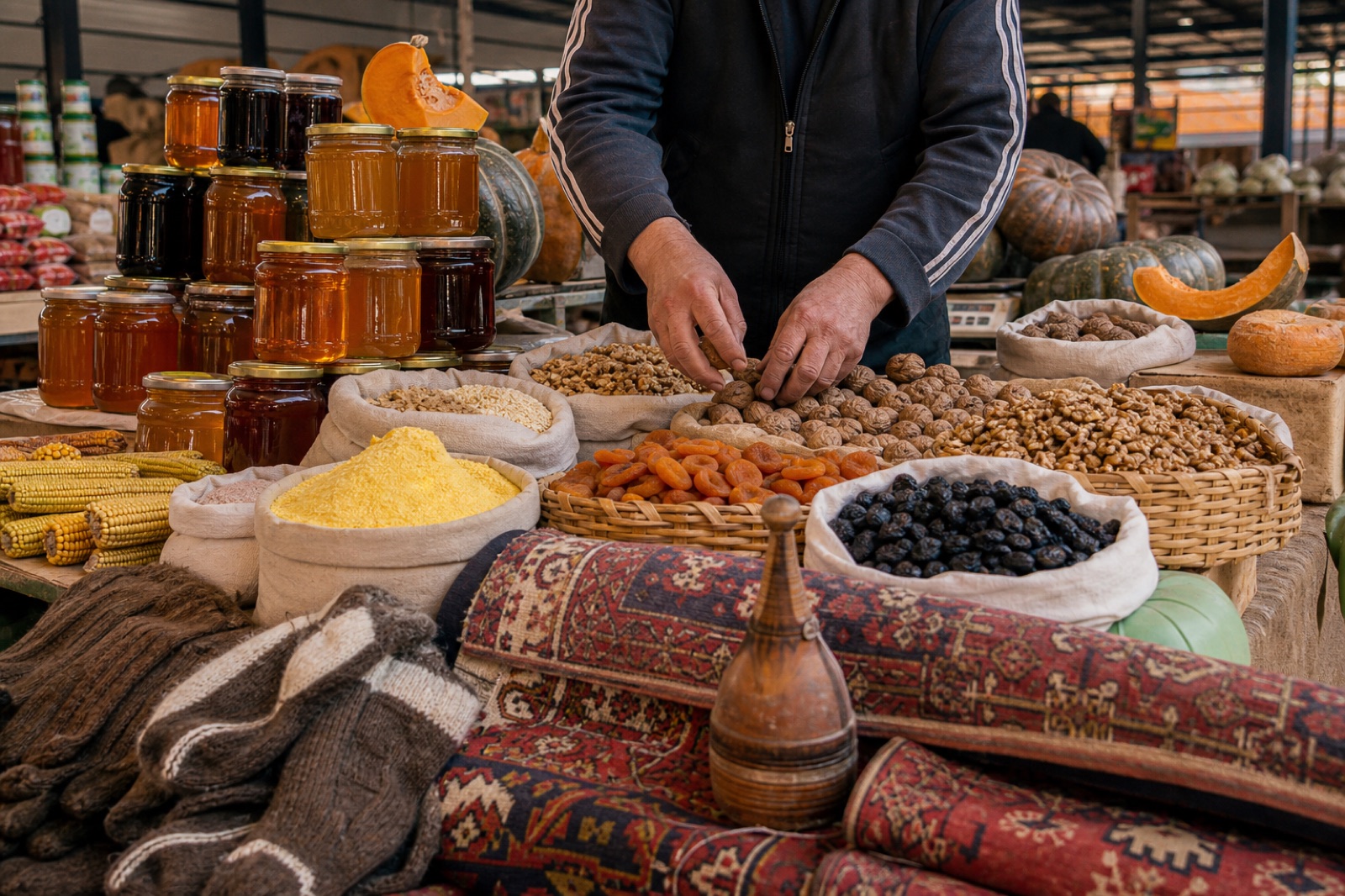
Family gardens, livestock, beekeeping, dairy, corn, pumpkin, fruit and seasonal production can form parts of rural livelihoods. Terrain, water and weather shape highland production. Practices vary by district and household; visitors should ask before entering private land or photographing work.
Belkhi: working together
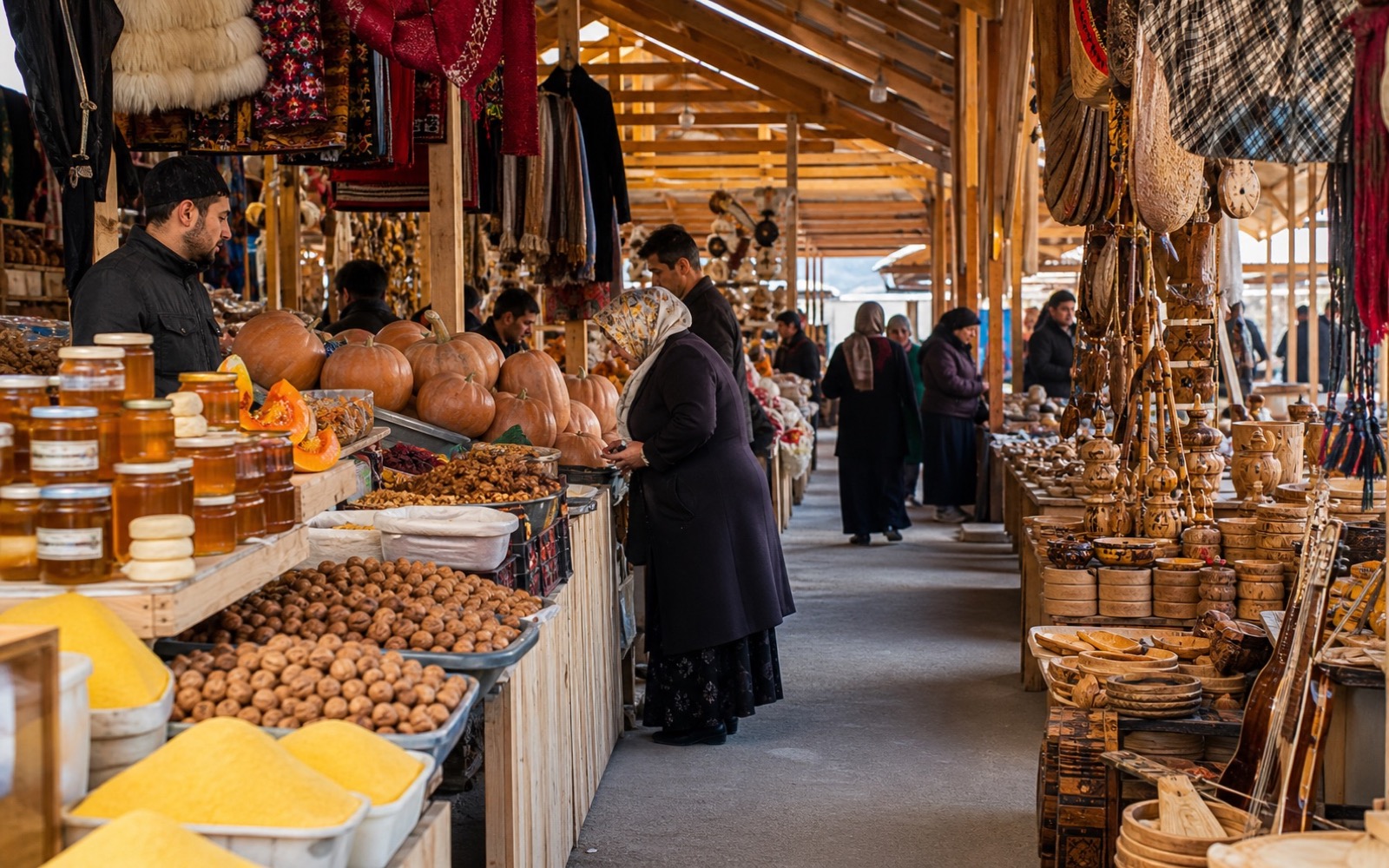
Belkhi is a mutual-aid custom in which relatives or neighbours complete a major task together. It can link house work, harvesting or other labour with a shared meal and social ties. An Academy of Sciences of the Chechen Republic account of a 2003 survey says 84 percent of respondents named belkhi among customs they wished to preserve.
Responsible rural visits
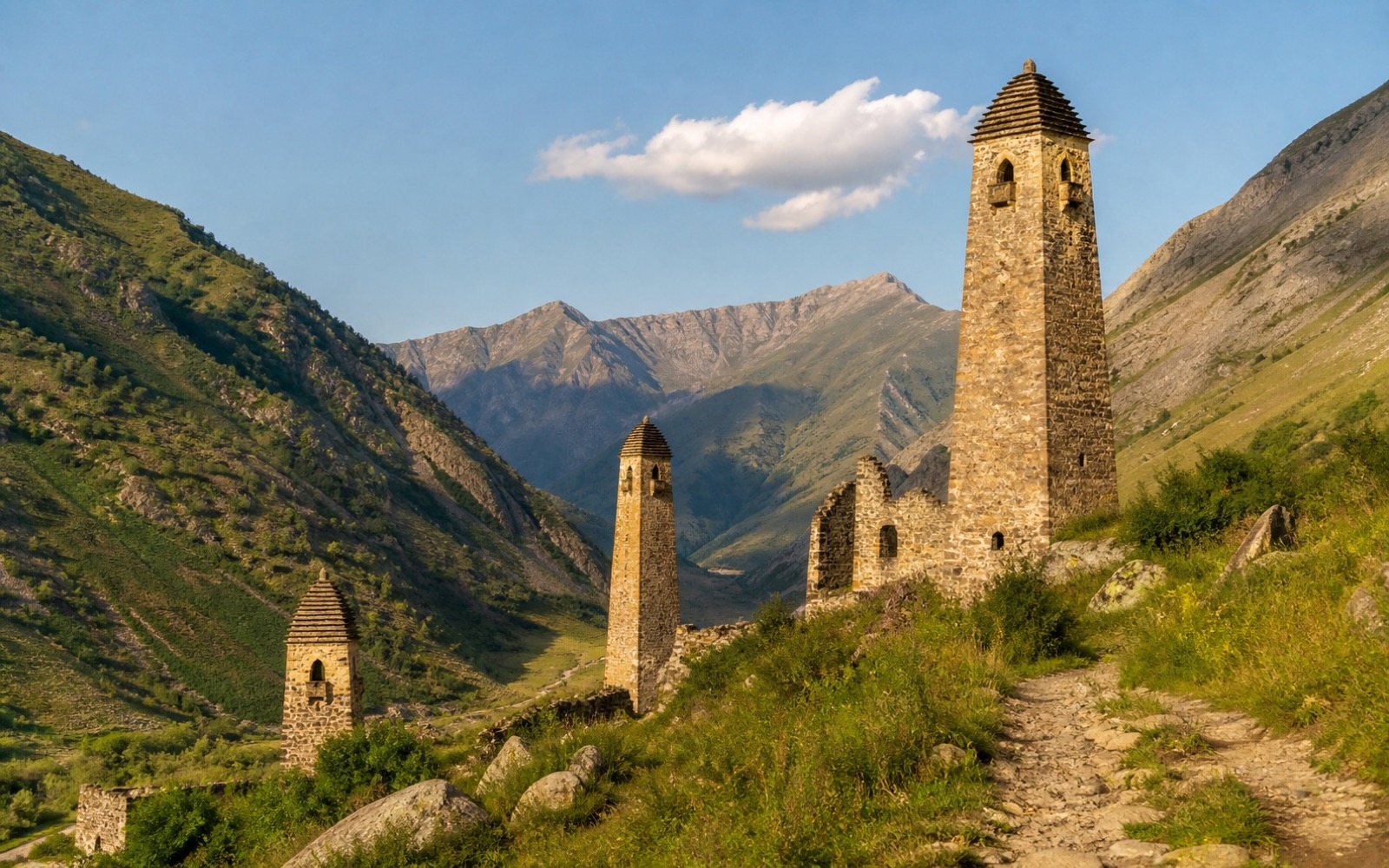
Do not treat villages as open-air scenery. Check roads, weather, guides and permissions; respect boundaries at cemeteries, worship sites and homes. Obtain explicit permission for drones, professional filming, camping or land use. Carry waste out and prefer local guidance.