Transport, population, prices, hours and access can change. Check official sources before travel.
Small details that make the journey better
Look
Do not leave as soon as you have seen the headline sight. Give yourself time for architecture, everyday life around it and the changing light.
Listen and ask
A short story from a local guide, attendant or host often reveals more than a sign. Remember to ask before taking someone's photograph.
Add something nearby
Pair the main stop with a park, market, food address or cultural venue nearby. The day becomes fuller and much more memorable.
Zhizhig-galnash · serves 6
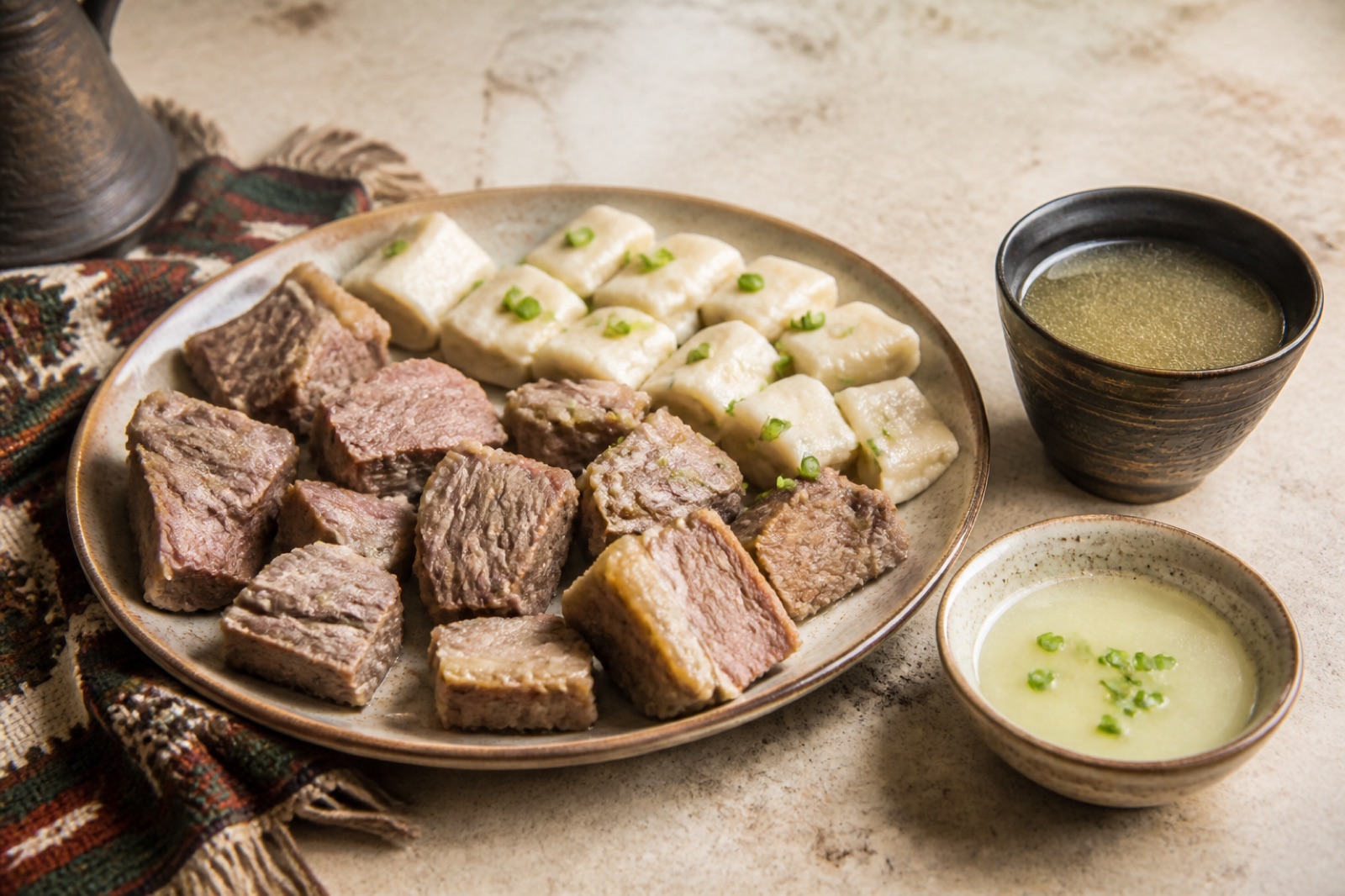
Ingredients: about 1 kg bone-in beef or lamb, 500 g flour, 1 egg, water, salt and 5–6 garlic cloves. Simmer the meat in salted water until tender and keep warm. Knead a firm dough from flour, egg, salt and water; roll, cut into strips and small diamonds, then pull each piece into a shell shape. Cook the galnash in strained boiling broth. Crush garlic with salt and loosen with hot broth. Serve meat, dumplings, garlic dip and clear broth separately and hot.
Chepalgash · cheese-filled bread
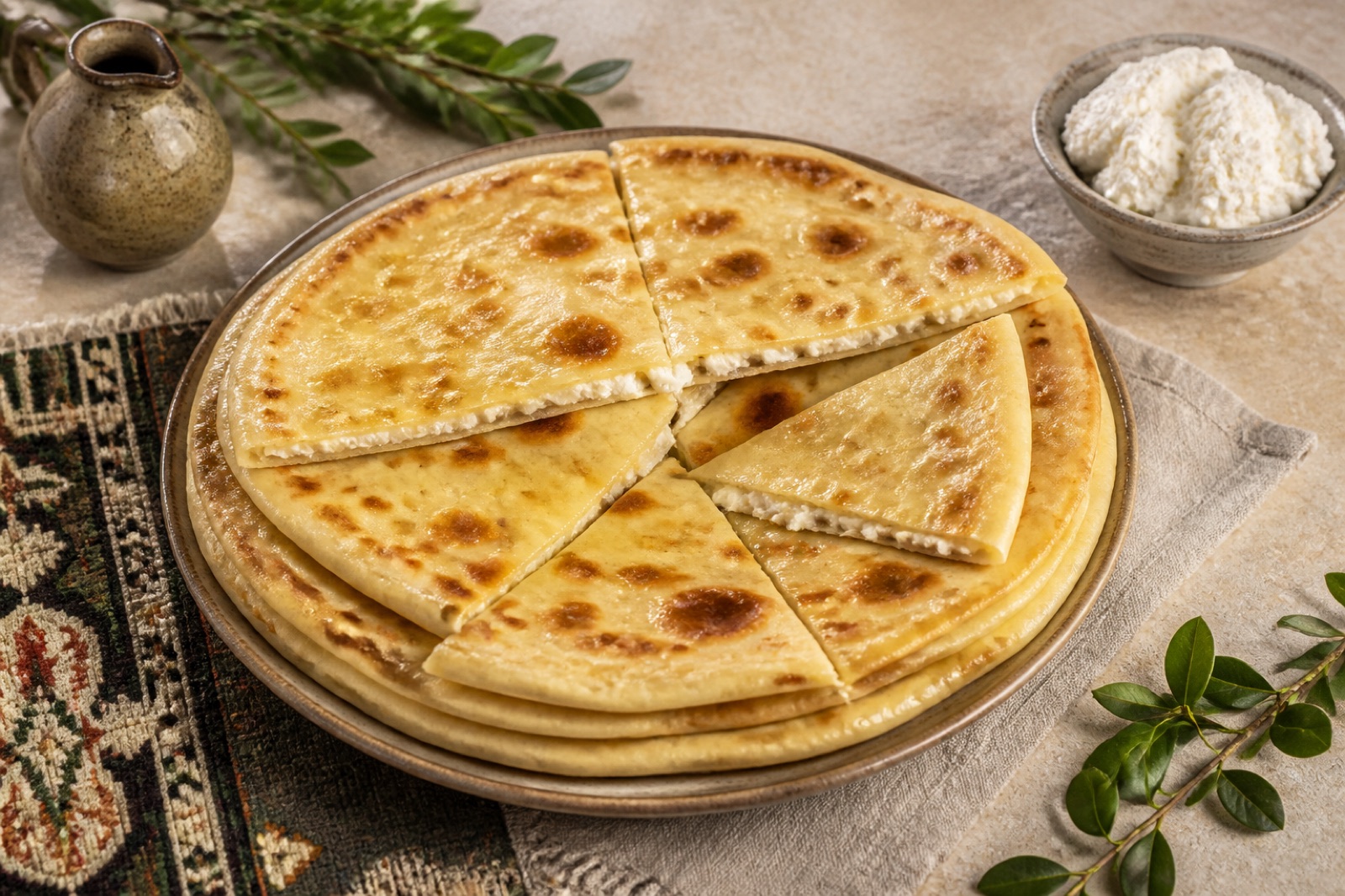
For 4–6 breads, make a soft dough with 500 g flour, about 400 ml kefir, 1 tsp bicarbonate of soda and salt. Mix 400–500 g fresh cheese or well-drained curd with 1 egg and salt. Rest and divide the dough, enclose the filling and carefully roll into thin rounds. Cook on a dry hot pan until mottled on both sides. For the customary soft finish, briefly touch with hot water, brush generously with melted butter, stack and slice.
Khingalsh · pumpkin-filled bread
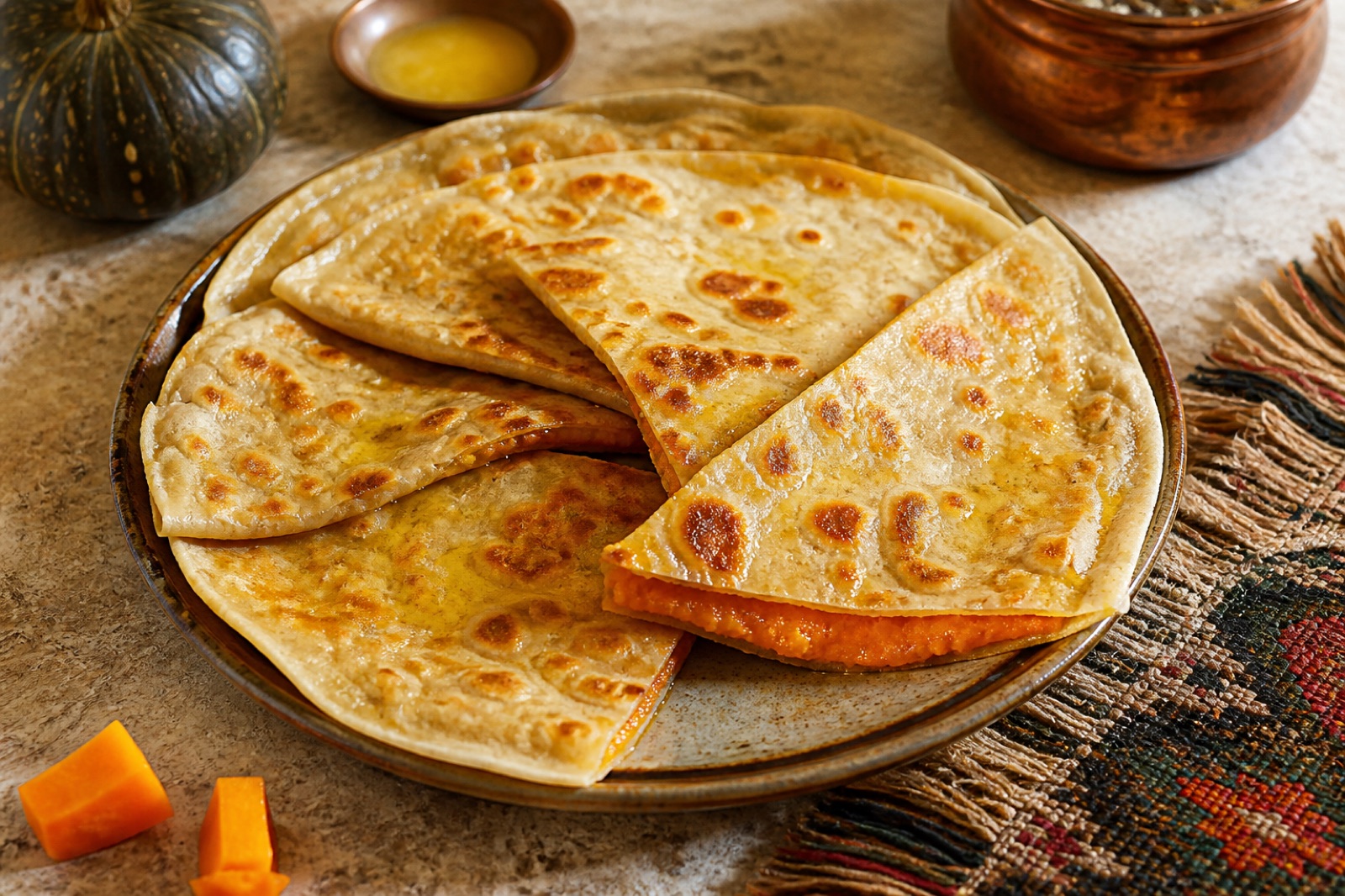
Use the chepalgash dough. For the filling, season about 700 g cooked, mashed pumpkin with a little salt; some family versions add a small amount of sugar. Fill and roll thin as a half-moon or round, then cook both sides on a dry pan. Briefly soften with hot water, butter and stack. Pumpkin moisture varies, so adjust flour gradually.
Siskal · corn bread
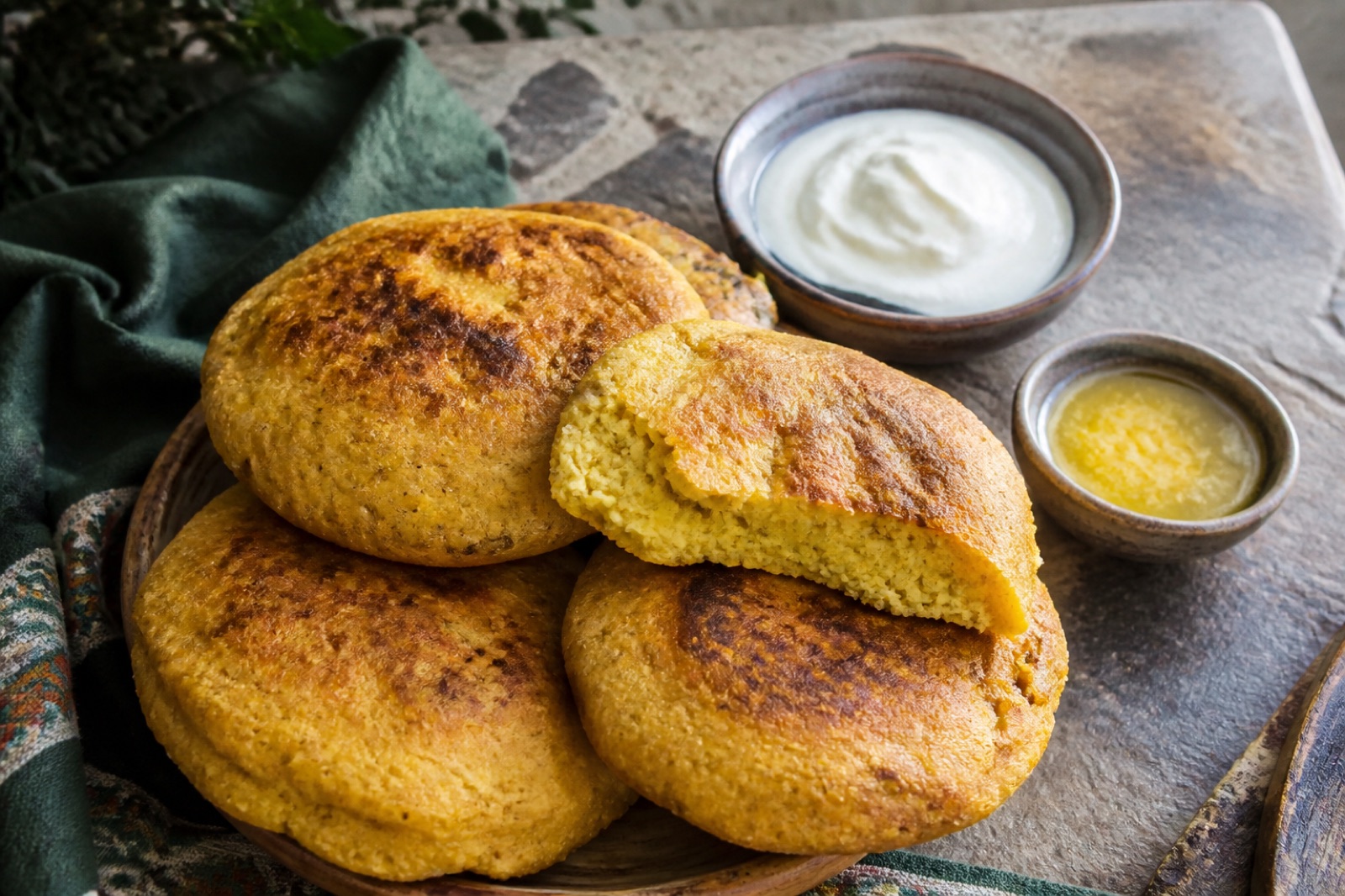
Combine about 500 g fine cornmeal with salt and enough hot water to form a soft, shapeable dough. Form thick rounds and cook on a heavy pan over low-medium heat until the centre is done, turning to colour both sides; some households bake it. Serve warm. Cornmeal absorption varies, so add water gradually.
Table, allergens and safety
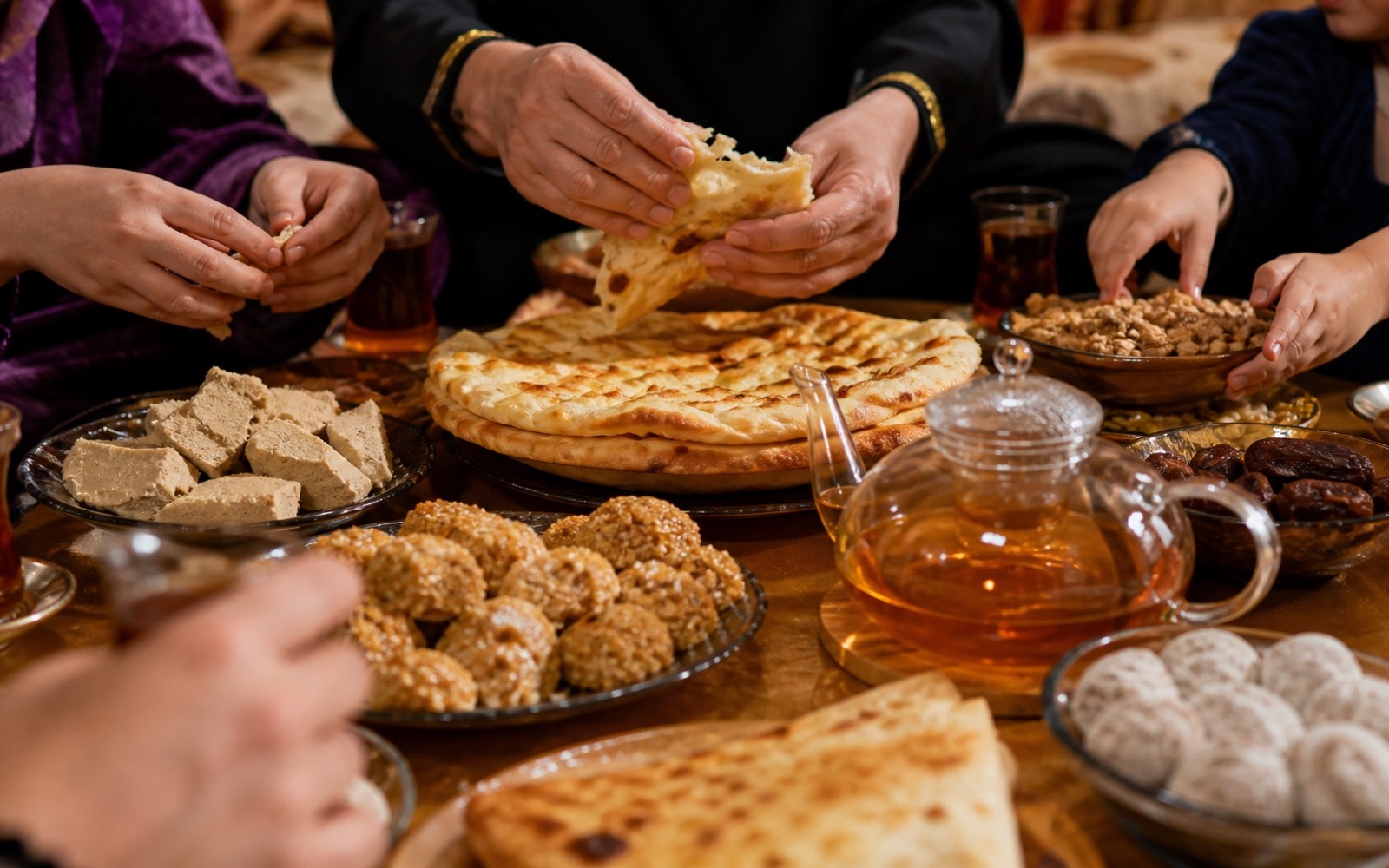
Wheat, egg, dairy and meat are common; corn dishes may share the same kitchen. Confirm cross-contact, cheese composition and halal practice with the host or venue. Meat must reach a safe internal temperature and broth should not be held lukewarm. Family versions vary; this guide does not claim one definitive recipe.