Transport, population, prices, hours and access can change. Check official sources before travel.
Small details that make the journey better
Look
Do not leave as soon as you have seen the headline sight. Give yourself time for architecture, everyday life around it and the changing light.
Listen and ask
A short story from a local guide, attendant or host often reveals more than a sign. Remember to ask before taking someone's photograph.
Add something nearby
Pair the main stop with a park, market, food address or cultural venue nearby. The day becomes fuller and much more memorable.
The capital's daily rhythm
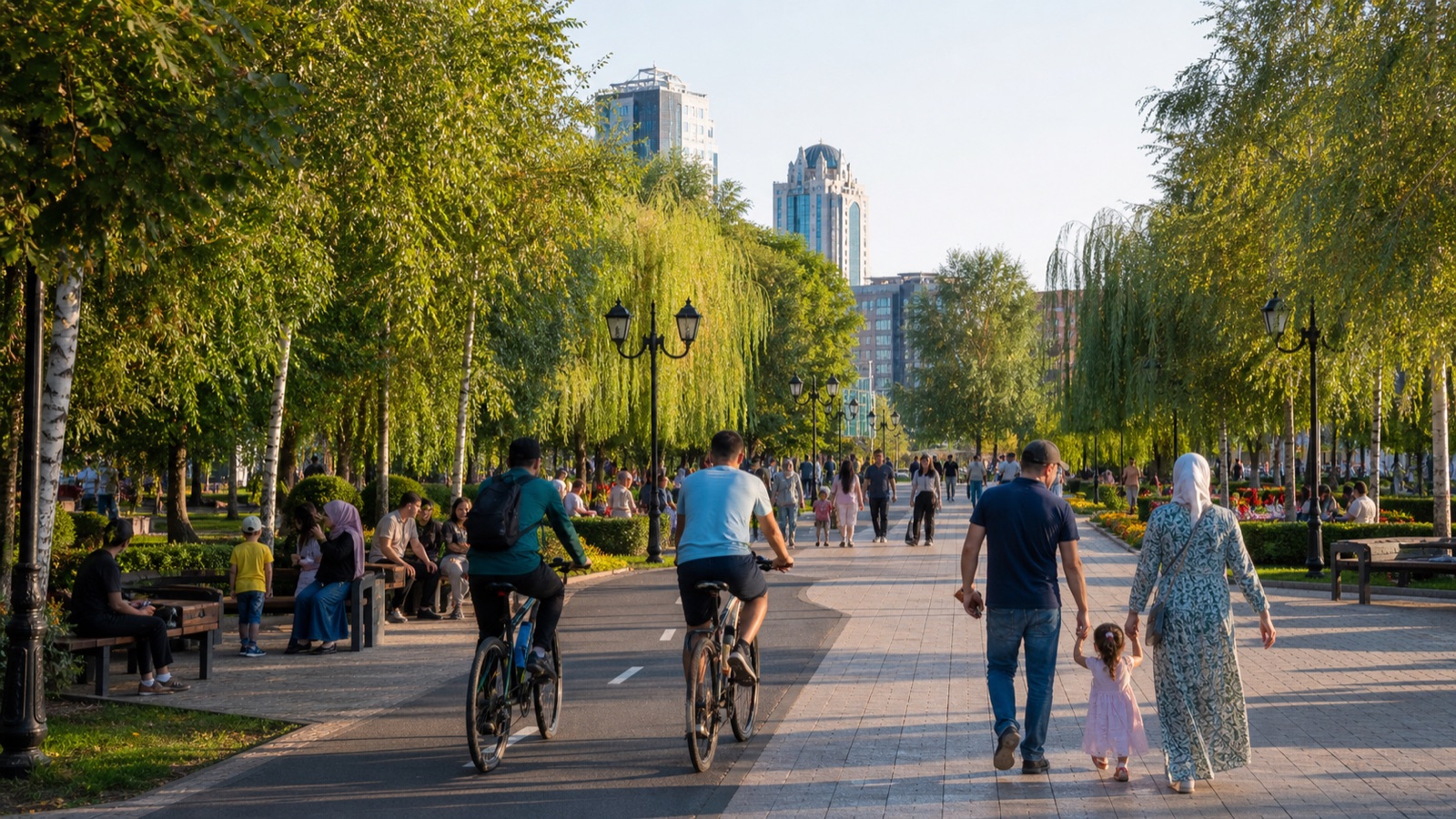
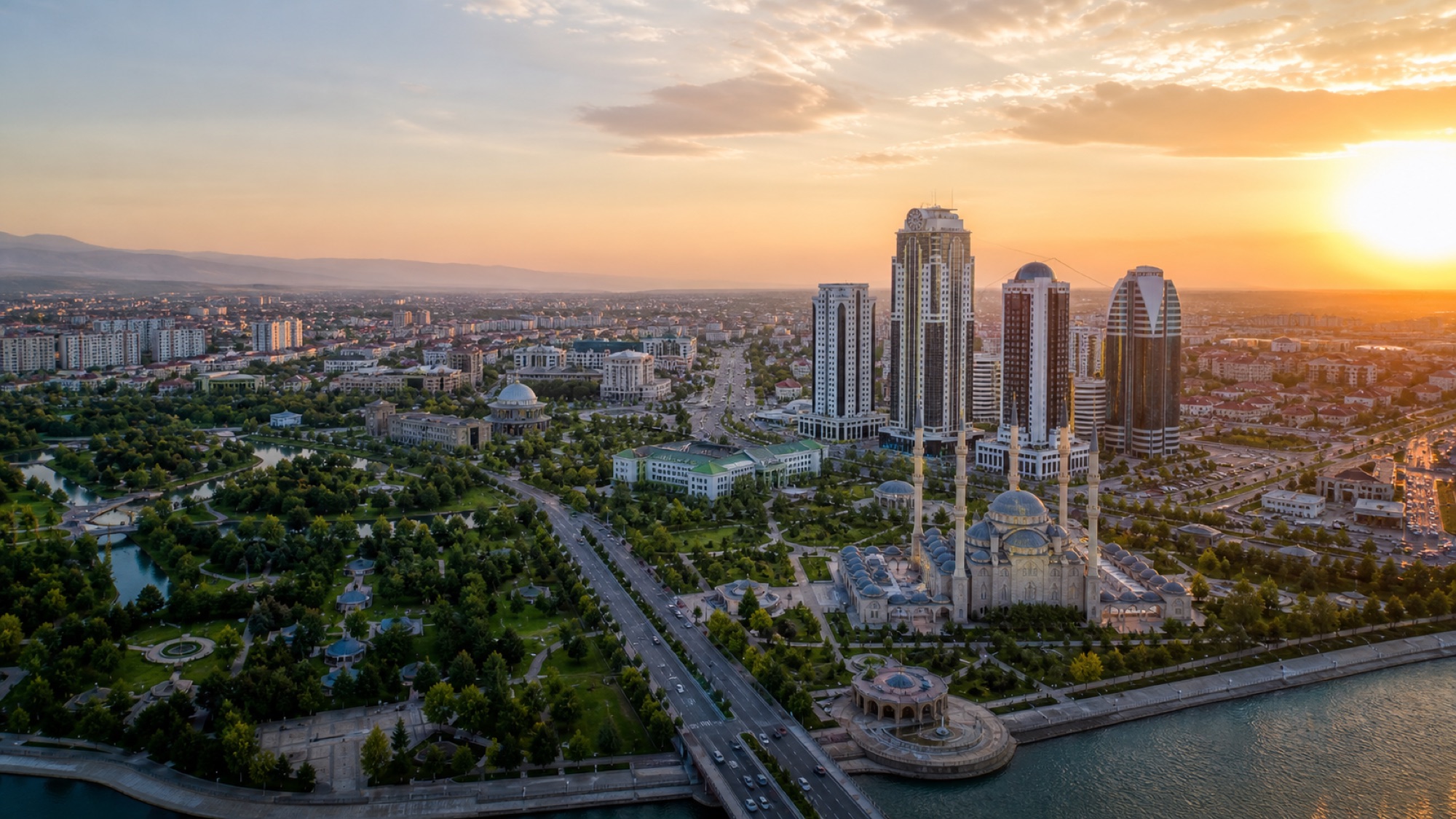
Daily life in Grozny concentrates around administration, higher education, commerce and services. The Sunzha riverfront, central parks, avenues, mosques, cafés and family restaurants bring different groups together through the day. Behind the contemporary skyline sit layers of Soviet industry, wartime destruction and rapid reconstruction.
Education, work and youth
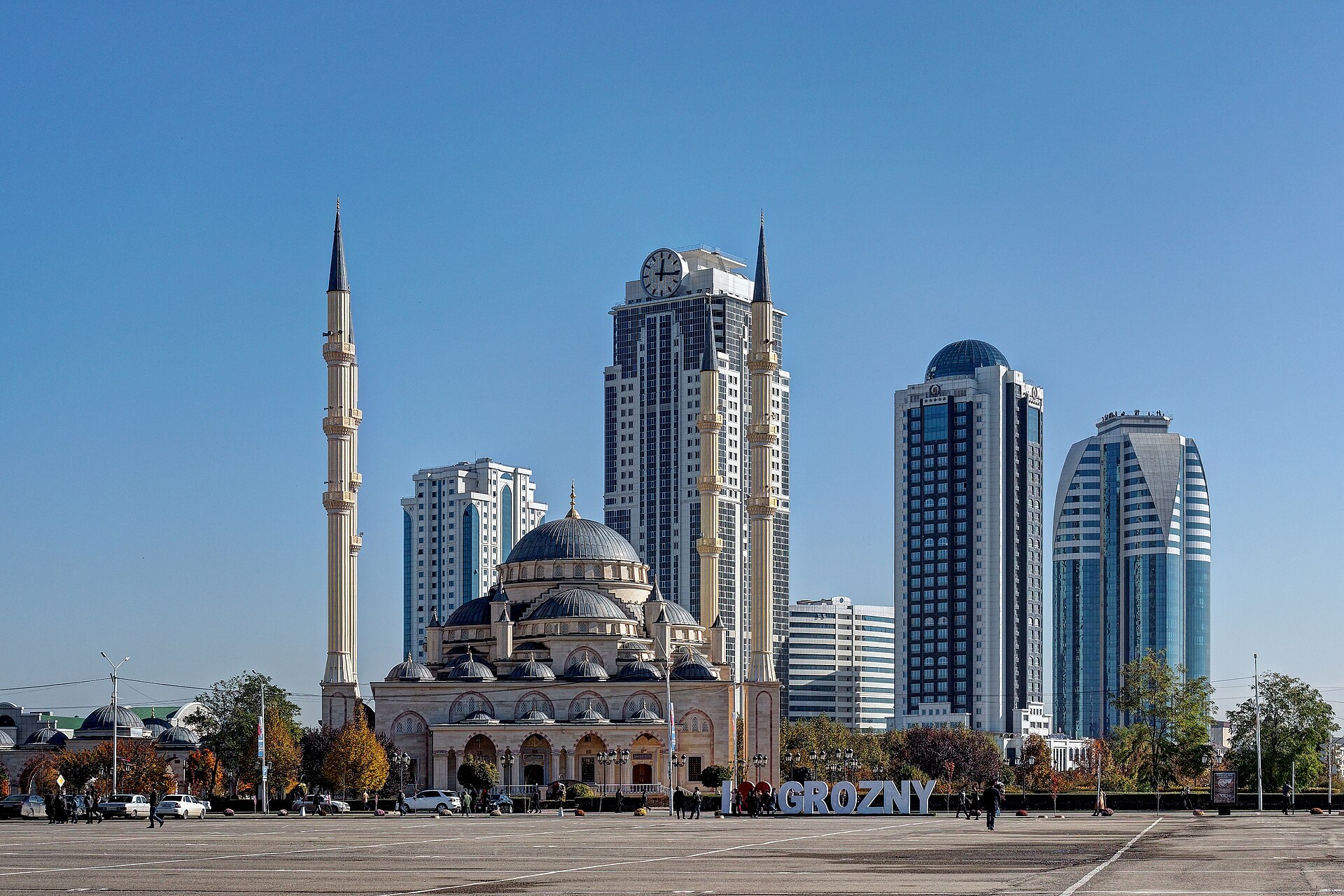
Universities and vocational institutions make the capital's young population visible. Public services, education, health, construction, energy, retail and hospitality are important parts of urban work. Anyone visiting a campus, residence or institution should confirm access and photography rules directly.
Markets, cafés and family life
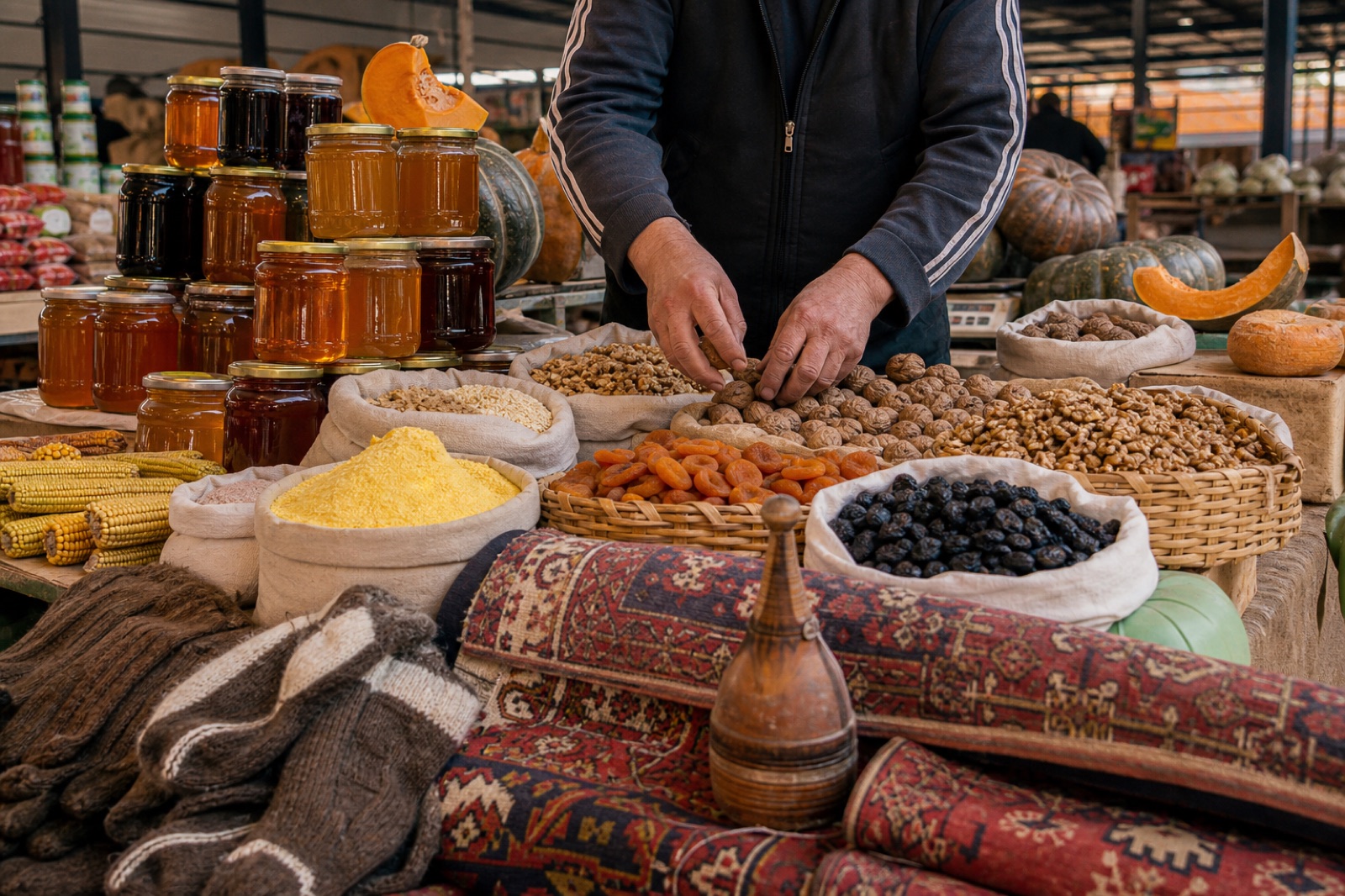
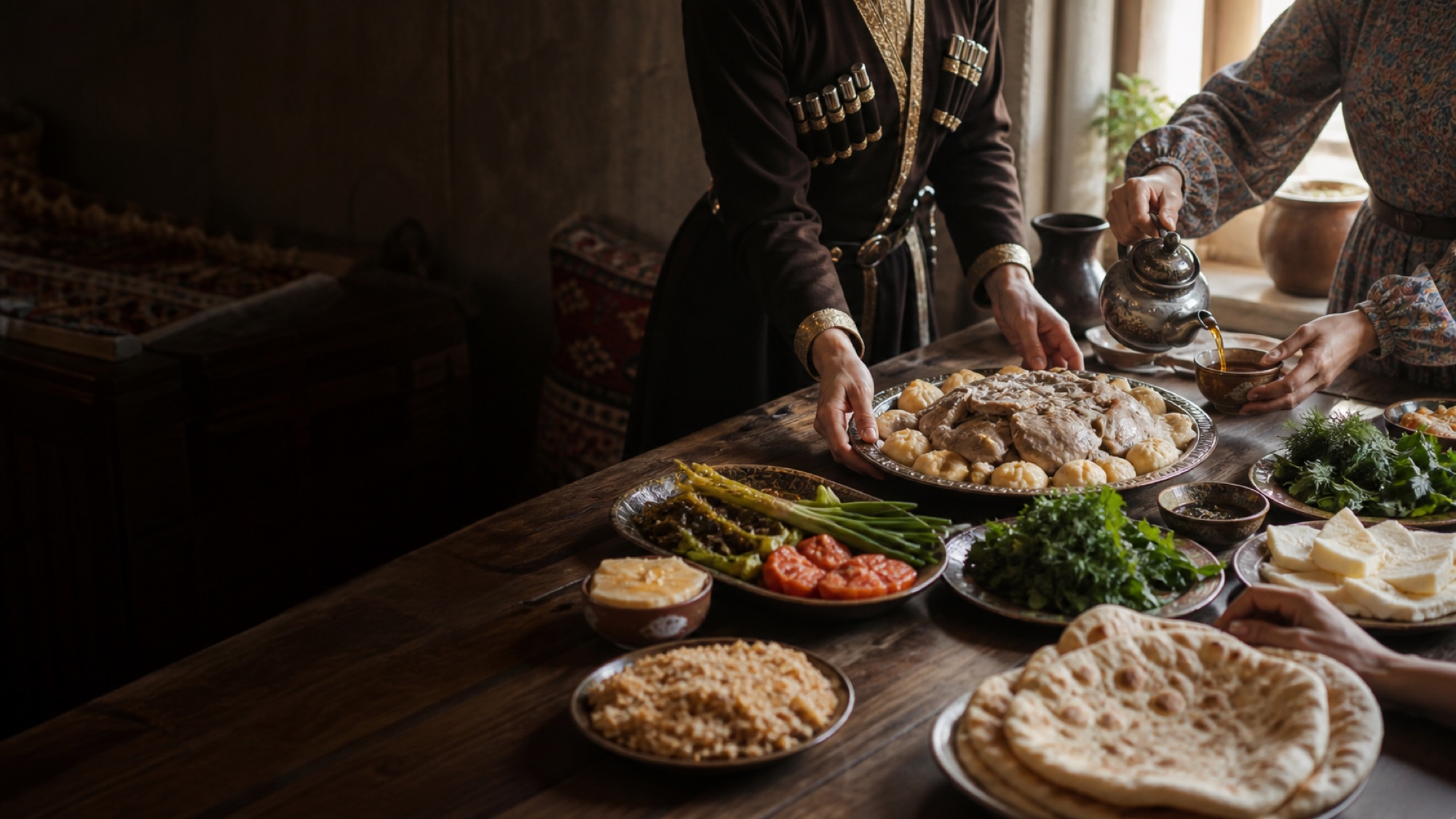
Markets matter not only for shopping but also for seeing produce, language and social exchange. Family groups are prominent in cafés and restaurants, where menus often centre on tea, soft drinks, meat and breads. Do not photograph people, especially families and children, without permission.
Urban etiquette for visitors
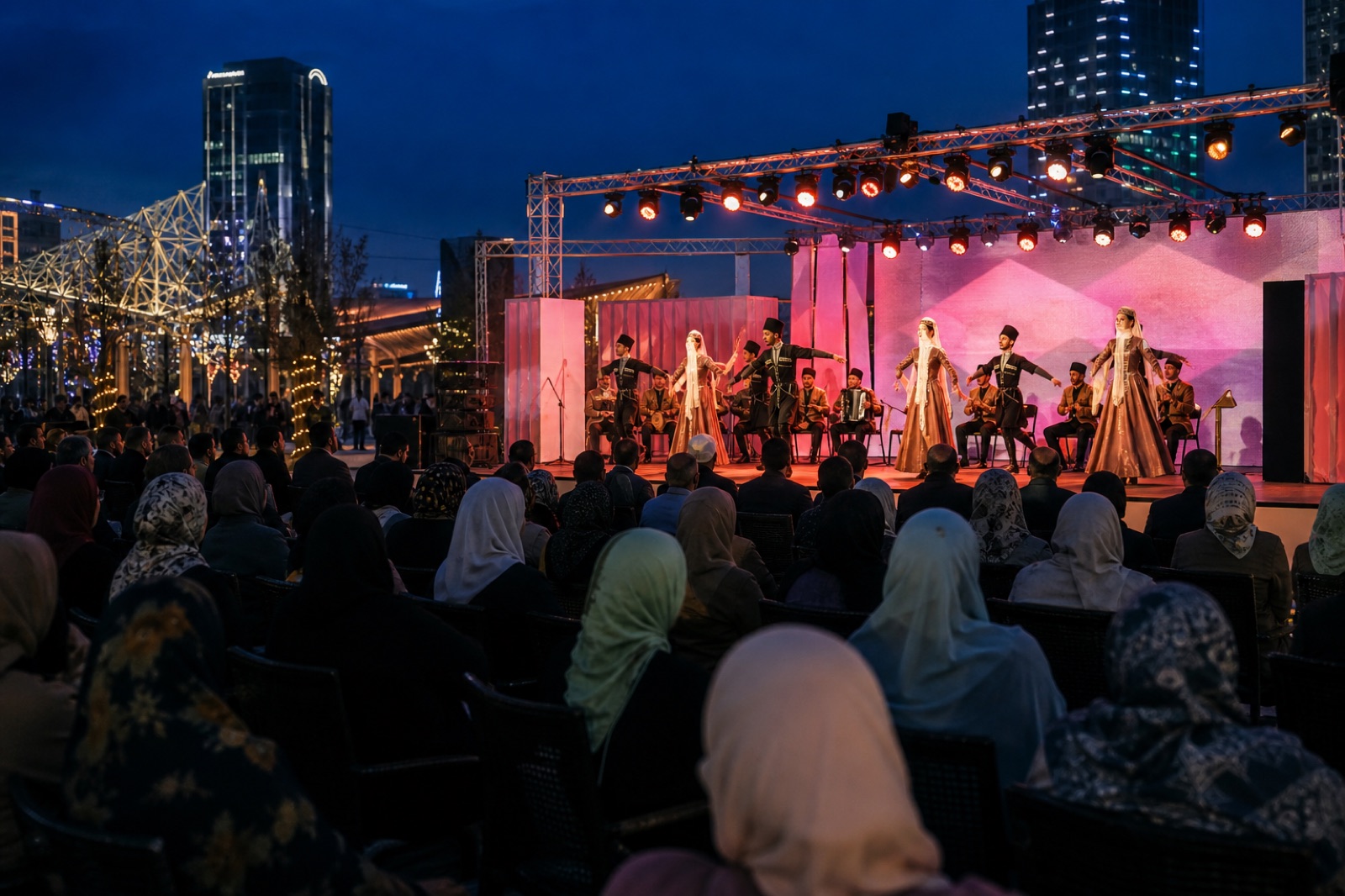
Modest dress, respect for prayer and keeping cameras away from official or security sites are important. Urban life should not be reduced to one image: modern consumption, strong family networks, religious practice and post-war memory coexist.