Transport, population, prices, hours and access can change. Check official sources before travel.
Small details that make the journey better
Look
Do not leave as soon as you have seen the headline sight. Give yourself time for architecture, everyday life around it and the changing light.
Listen and ask
A short story from a local guide, attendant or host often reveals more than a sign. Remember to ask before taking someone's photograph.
Add something nearby
Pair the main stop with a park, market, food address or cultural venue nearby. The day becomes fuller and much more memorable.
Ancient and medieval heritage
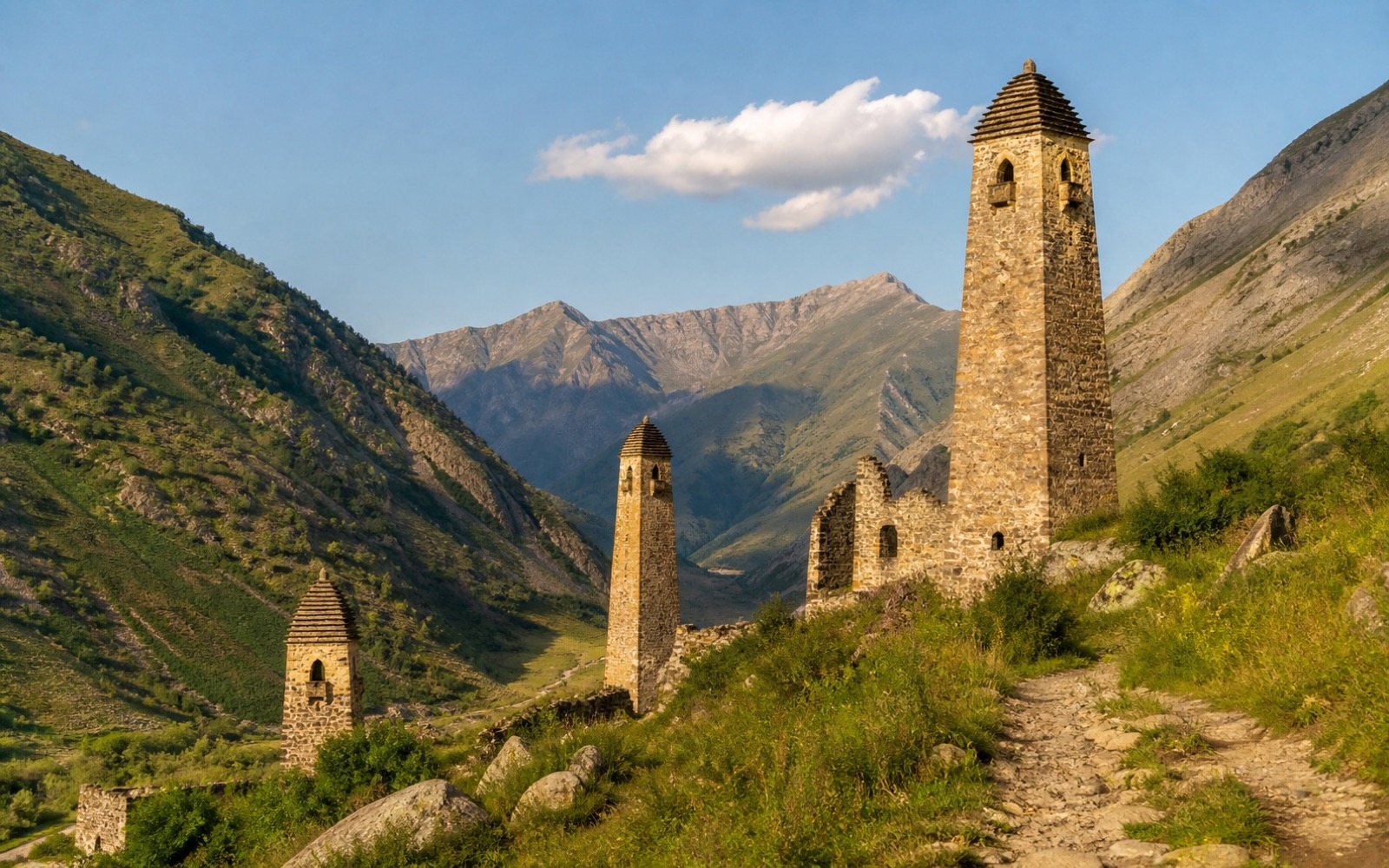
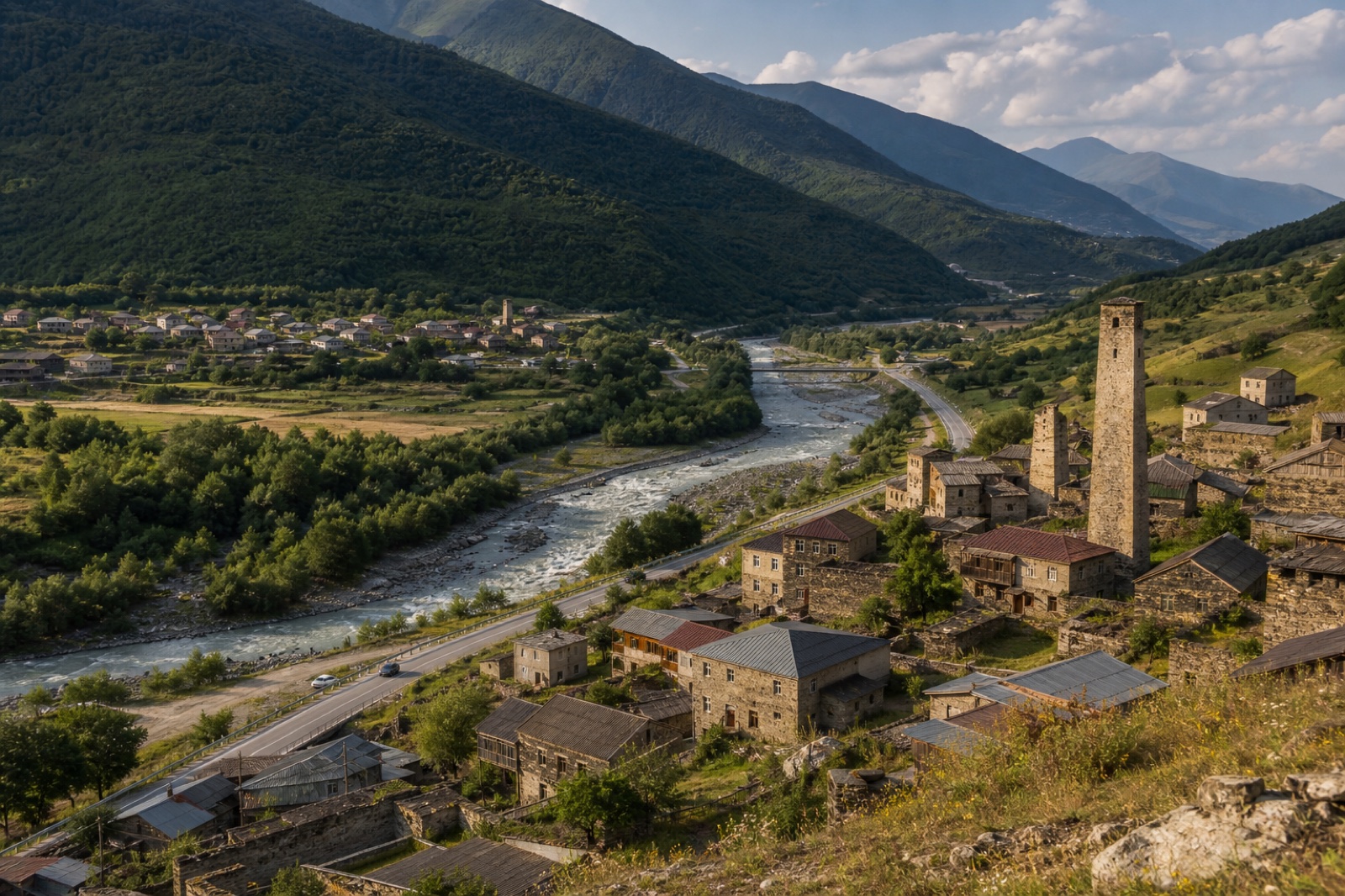
Archaeology points to a long North Caucasian settlement history from the Palaeolithic into the Middle Ages. Highland settlements, towers and necropolises reflect communities shaped by security, kinship, farming and seasonal movement.
Caucasian War and empire
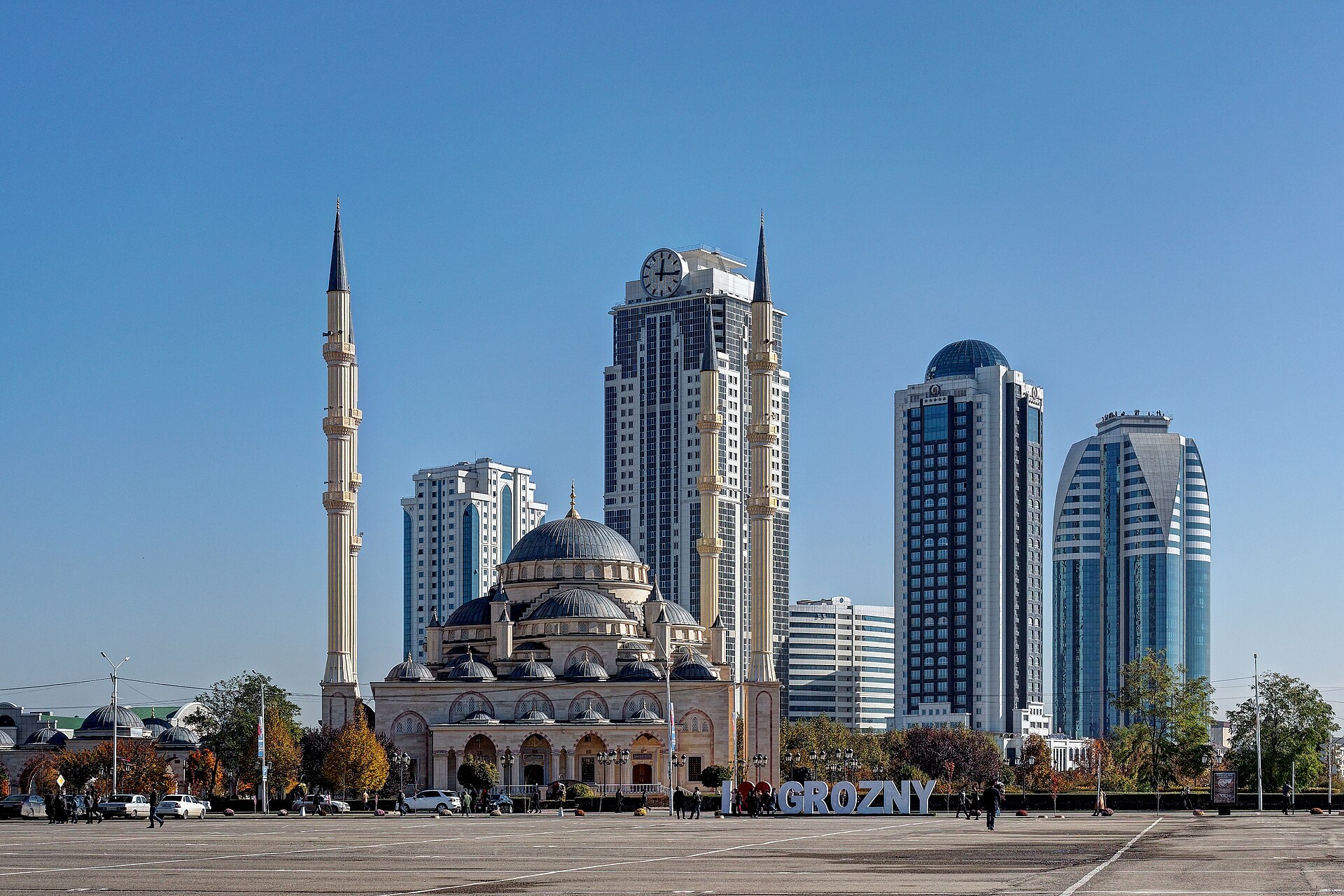
Russian imperial expansion in the nineteenth century brought prolonged war, local resistance and administrative transformation. Groznaya fortress was founded in 1818 within this military geography and later evolved into a commercial and administrative town.
Sovietisation, war and deportation
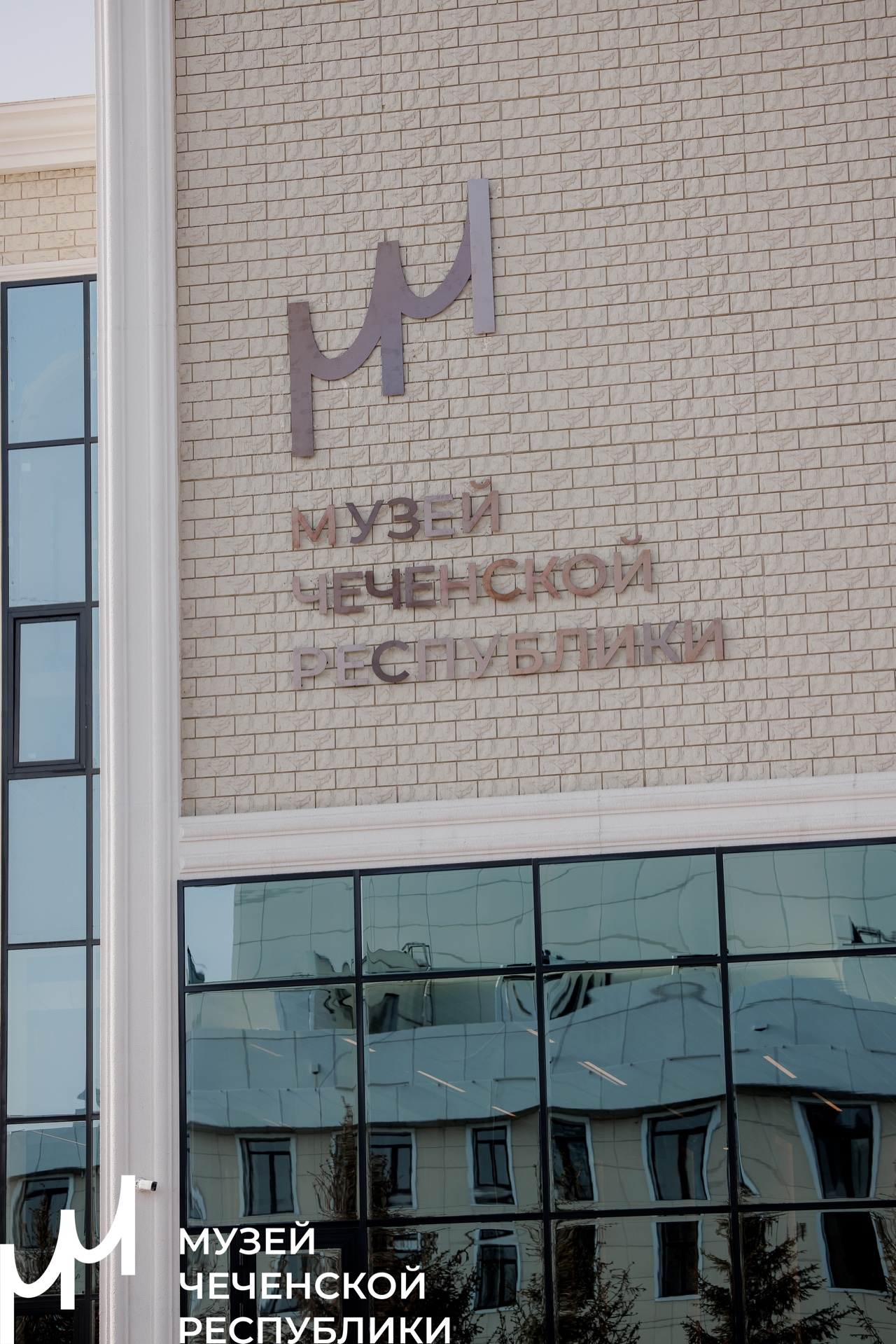
Soviet rule reshaped autonomous borders, the economy and institutions. In 1944 Chechens and Ingush were collectively deported to Central Asia and their republic abolished. Return was permitted in 1957, beginning another major social transformation.
After 1991 and two wars
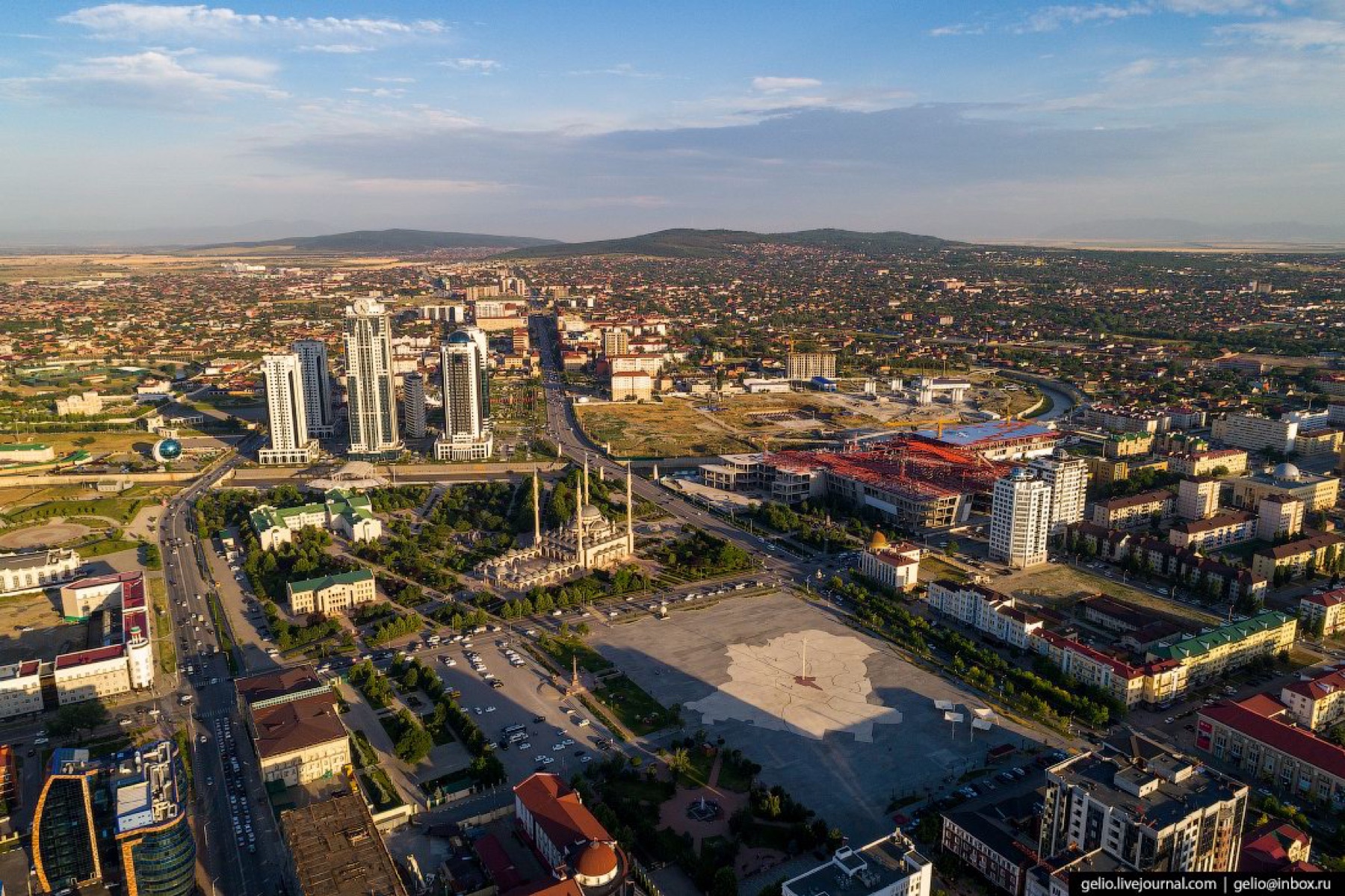
After the Soviet collapse, demands for independence, constitutional crisis and armed conflict followed. The 1994–96 and 1999–2000 wars caused major loss of life, displacement and destruction. The period requires comparison of political, historical and humanitarian sources.