Transport, population, prices, hours and access can change. Check official sources before travel.
Small details that make the journey better
Look
Do not leave as soon as you have seen the headline sight. Give yourself time for architecture, everyday life around it and the changing light.
Listen and ask
A short story from a local guide, attendant or host often reveals more than a sign. Remember to ask before taking someone's photograph.
Add something nearby
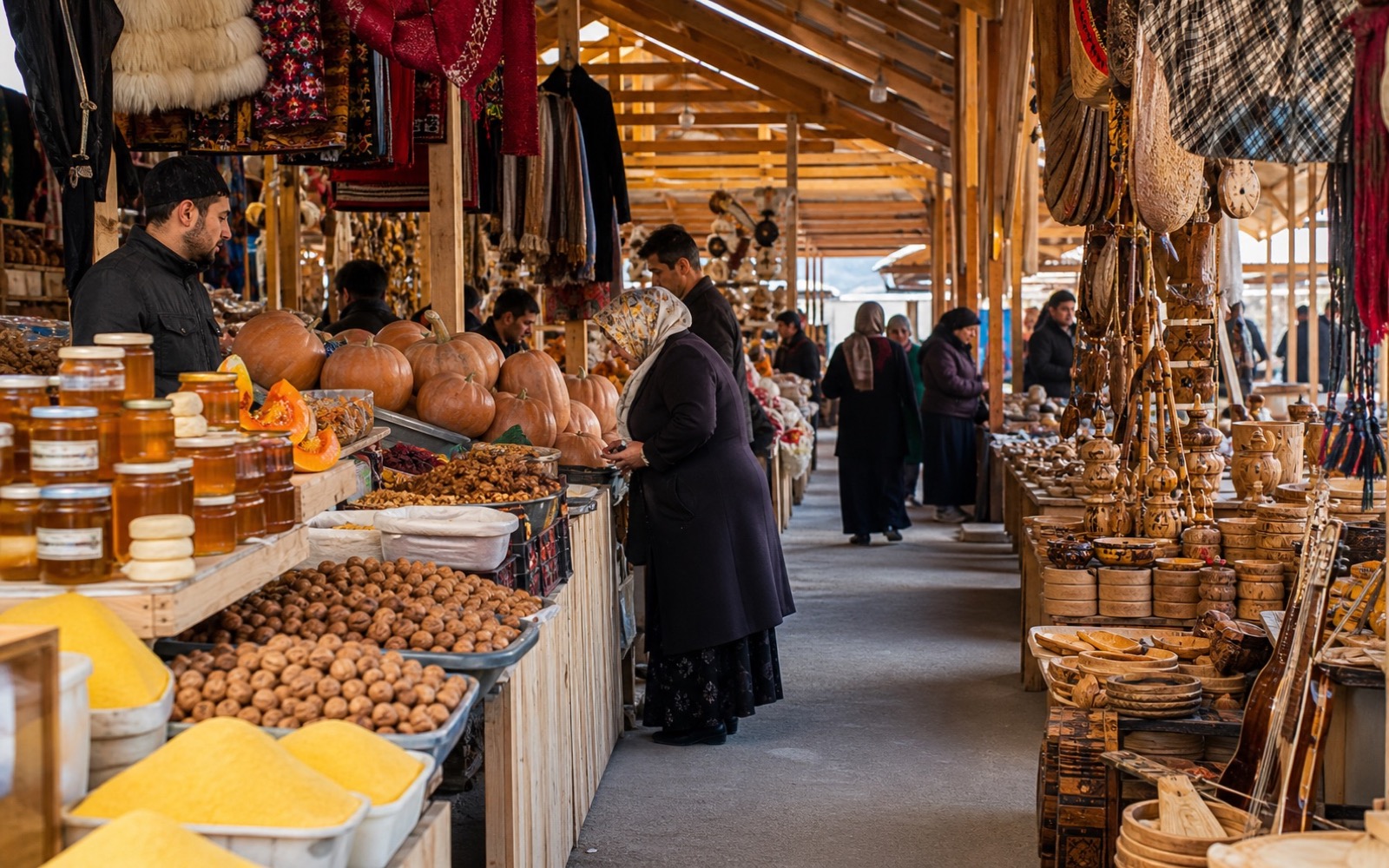
Pair the main stop with a park, market, food address or cultural venue nearby. The day becomes fuller and much more memorable.
Why not translate word for word?
Proverbs carry sound, rhythm, metaphor and shared memory. Literal translation can distort them, while Latin transliteration may lose Chechen sounds. The portal therefore begins with theme and usage. Original Chechen wording, audio and definitive translation will be published only after review by a native-speaking language editor.
Word, dignity and conduct
A first recurring theme links a person's word with reputation: measure speech, accept responsibility after promising, and show worth through action. This is not a quotation list but an explanation of a theme in oral culture around Nokhchalla.
Unity, neighbours and mutual aid
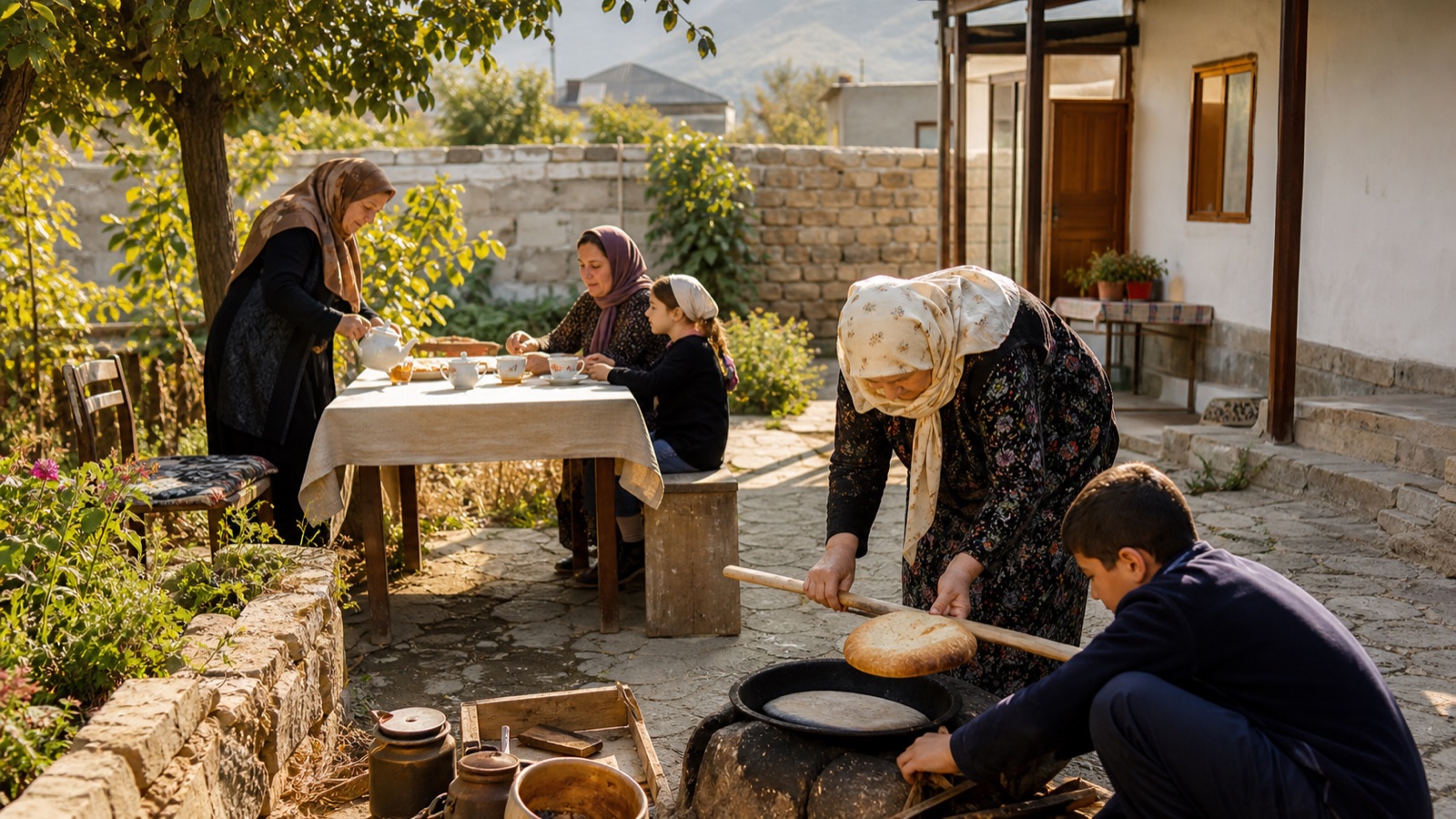
A second theme contrasts individual strength with collective solidarity. Kinship and neighbourhood are not only identity but sharing labour and responsibility in difficult moments. Belkhi is one everyday expression of this idea.
Guest, table and generosity
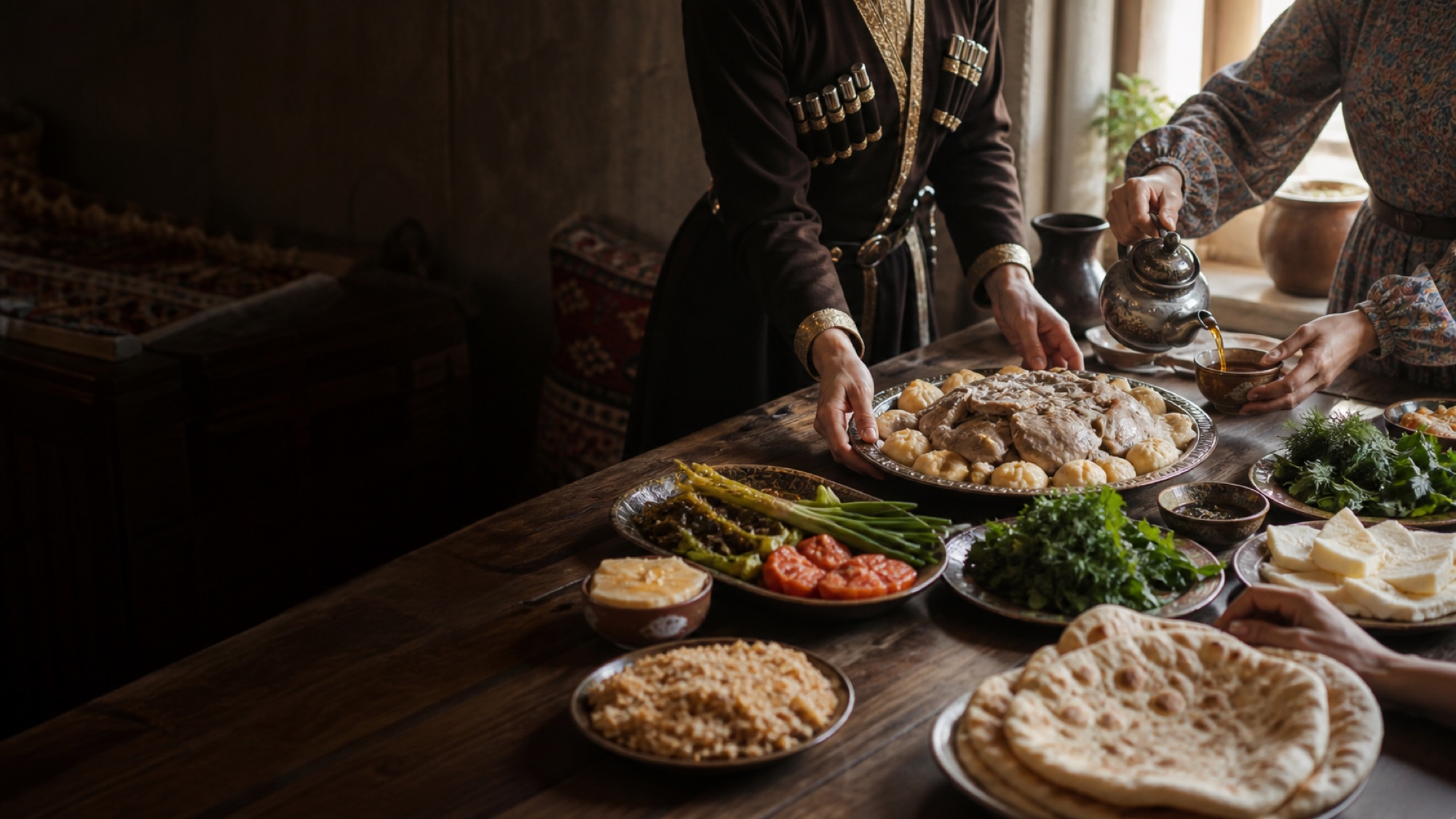
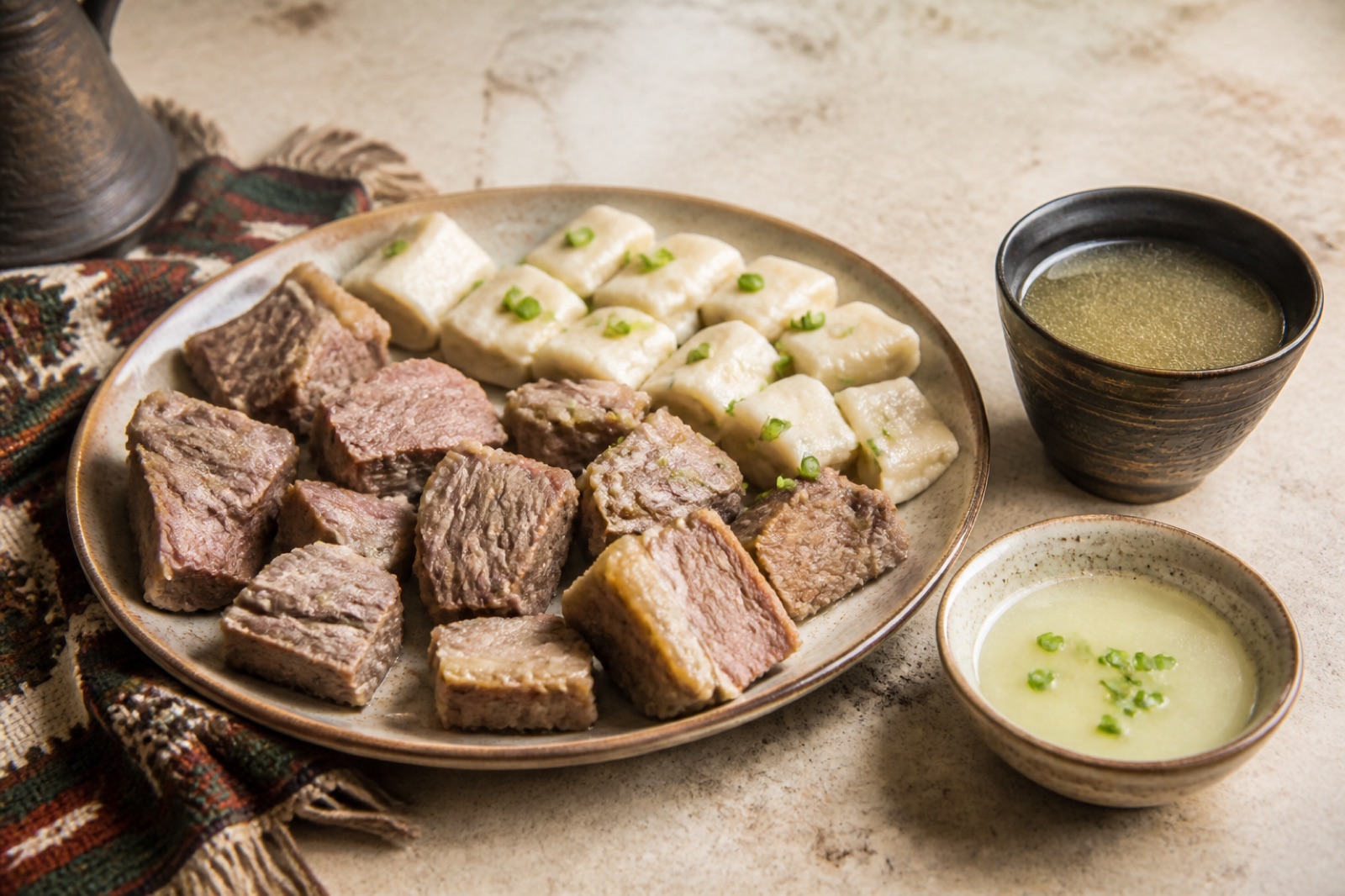
A third theme treats care for the guest as reflecting the host's character. Its form varies between households today; visitors should not treat hospitality as an obligation and must respect means and personal boundaries.
Editorial verification queue
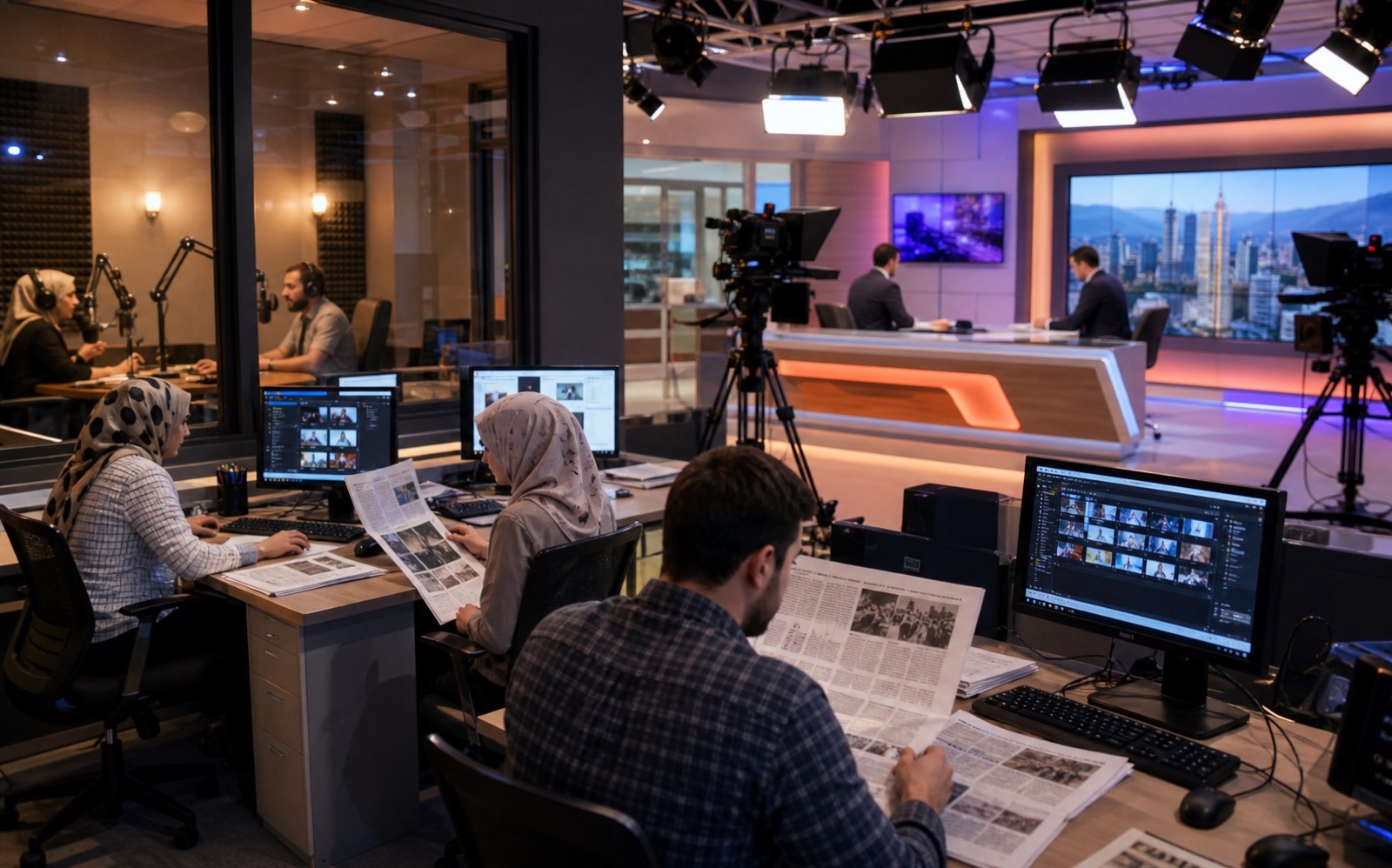
Next, I. Yu. Aliroyev's 1990 bibliography and accessible scholarly collections will be compared. Each entry will carry Chechen Cyrillic, Latin transliteration, literal gloss, natural TR/EN/RU meaning, usage note and native-speaker reviewer. Unverified online lists will not be published.